Hanoi · Where to stay
Best Hotels in Hanoi Old Quarter: Where to Stay in 2026
By Wander in Vietnam editorial team · Hanoi, Vietnam
The Old Quarter remains Hanoi's most visited neighborhood—chaotic energy, incredible pho stands, and centuries of architecture crammed into two square kilometers. But "best" means different things. A backpacker thriving on noise and late-night beer halls on Tạ Hiện Street needs a different hotel than a couple seeking a quiet restoration escape near the temple. We'll walk through the actual trade-offs.
What makes one Old Quarter hotel better than another for your trip?
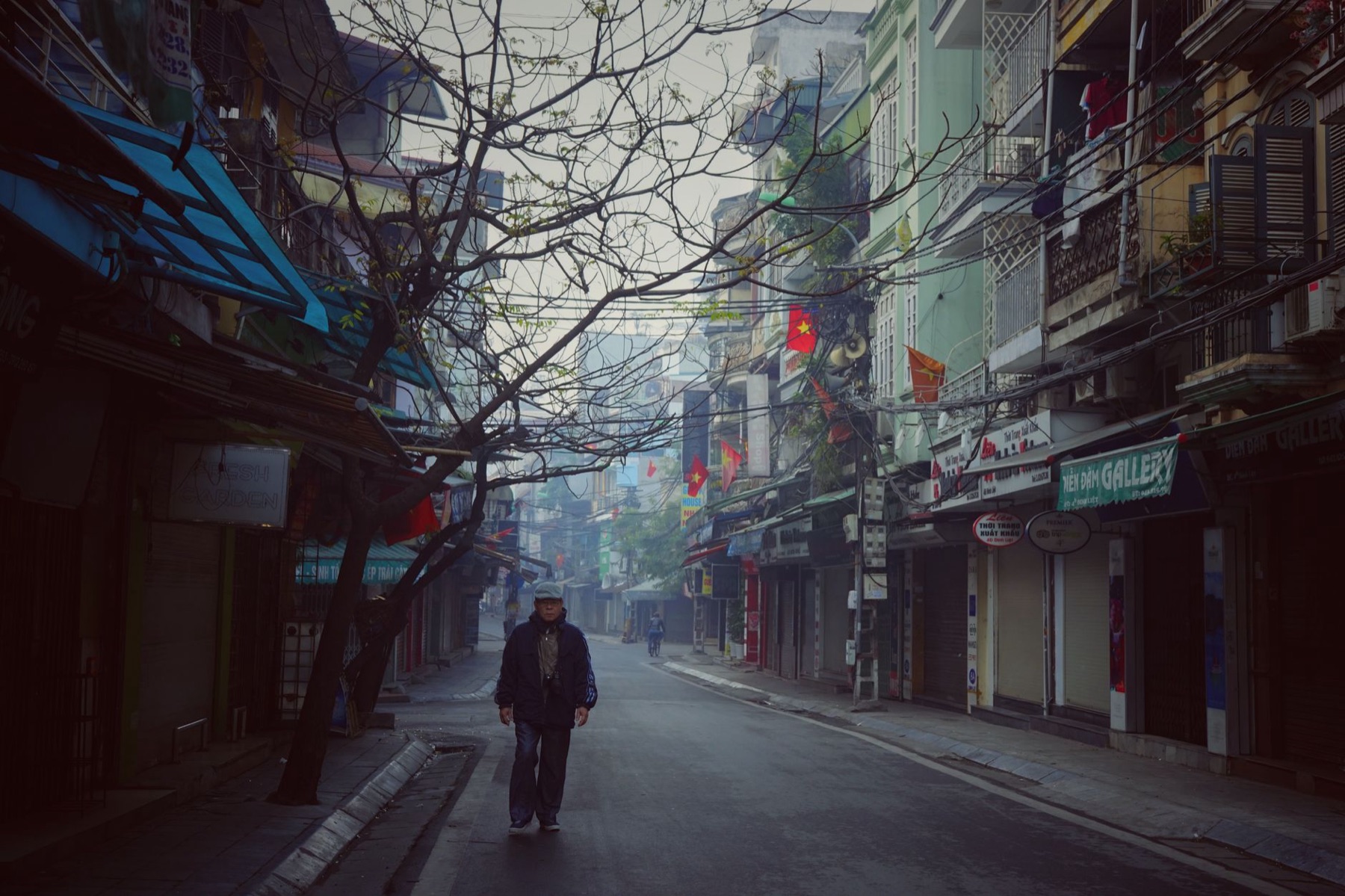
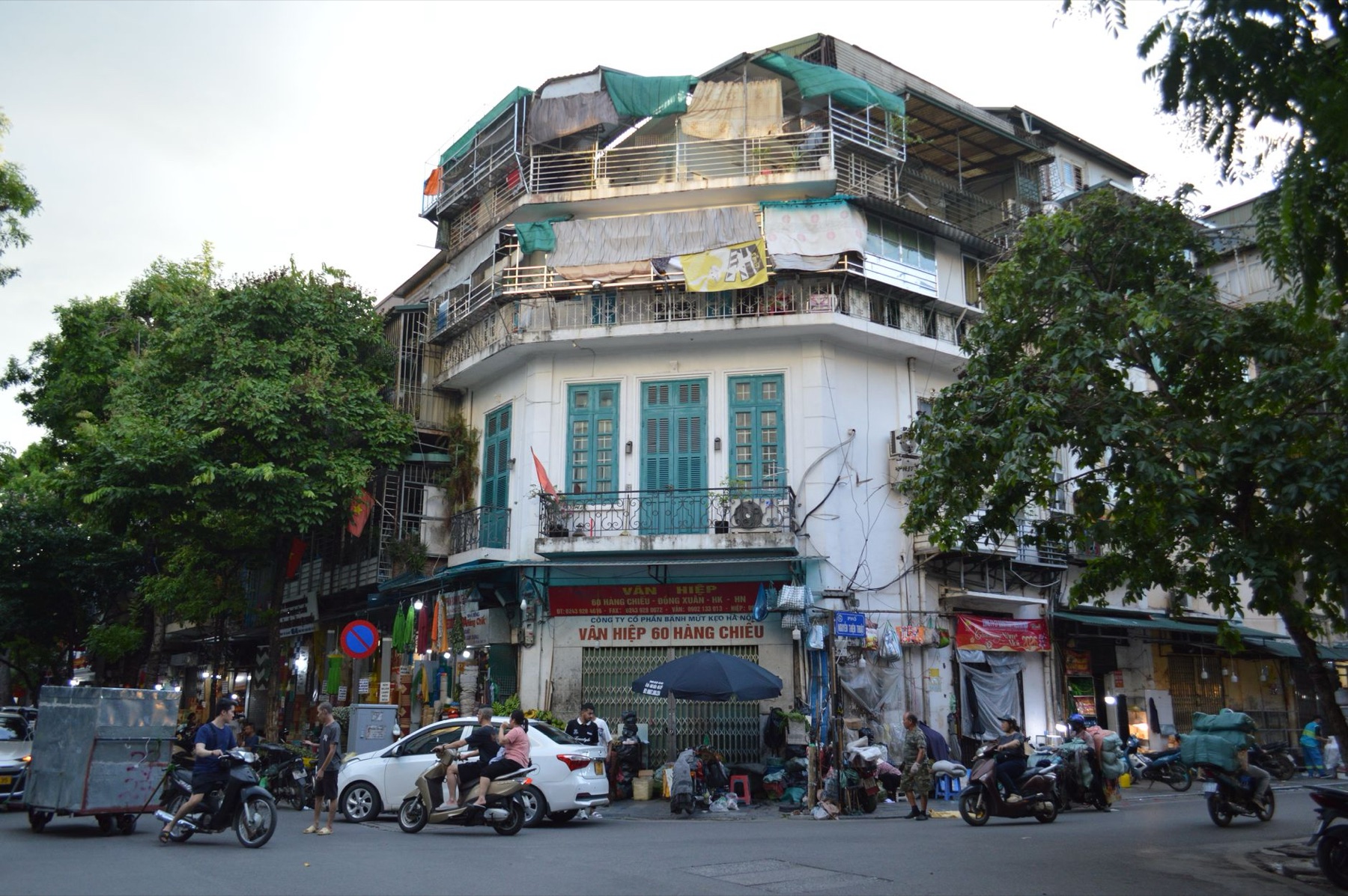
The Old Quarter isn't homogeneous. Streets north of Hoàn Kiém Lake (Phố Cổ proper—the 36 ancient trade streets) are narrow, loud, and full of motorbikes and tourists until midnight. Neighborhoods immediately south and west of the lake—Trần Hưng Đạo, Đinh Tiên Hoàng—are calmer but still central. East toward Tây Hồ is quieter but a ten-minute walk from "the scene." Noise tolerance, proximity to food, and whether you want heritage or modern comfort should drive your pick.
🗺️ Plan your route: Vietnam itinerary
Which hotel type fits your budget and style?
| Hotel Type | Typical Price | Best For | Trade-off |
|---|---|---|---|
| Colonial restoration (1–2 boutique properties) | 120–180 USD/night | Heritage lovers, couples, photographers | Limited rooms; book weeks ahead |
| Vietnamese-run mid-range (3–4 stars, local chain) | 60–100 USD/night | Families, comfort seekers, return visitors | Less personality; business-hotel feel |
| Guesthouse (family-owned, 1–2 stars) | 30–50 USD/night | Budget travelers, solo visitors, cultural immersion | Thin walls, small bathrooms, occasional noise bleed |
| Boutique modern (local design-led, 3 stars) | 80–130 USD/night | Instagrammers, designers, short stays | Often no restaurant; staff may rotate |
Prices are approximate and fluctuate by season (September–October and March–April are peak). Book three to six weeks ahead for colonial properties; guesthouses can often take walk-ins or next-day bookings.
How do you actually compare Old Quarter hotels before you book?
Don't rely solely on photos. Start by identifying which street or block the hotel is on—then walk it yourself in person if you arrive a day early, or use Street View to assess noise levels at different times. Ask specifically:
- Noise source? Motorbike traffic, construction, bar speakers, or foot traffic?
- Breakfast included? A simple pho or banh mi cart downstairs vs. a formal buffet changes the vibe.
- Bathroom setup? Shared, ensuite, or bathtub vs. shower-only?
- Cancellation policy? Most Old Quarter hotels hold strict policies; confirm before paying.
- Hidden costs? WiFi surcharge, resort fee, parking (unnecessary here, but clarify).
- Check-in time? 2 or 3 p.m. is standard; check if early arrival costs extra.
- Booking channel? Direct website booking often gives you a phone number; use it to ask these questions in real time.
Visit the Hanoi hotels pillar for a broader neighborhood comparison.
What to actually skip and why honest hotels get better reviews
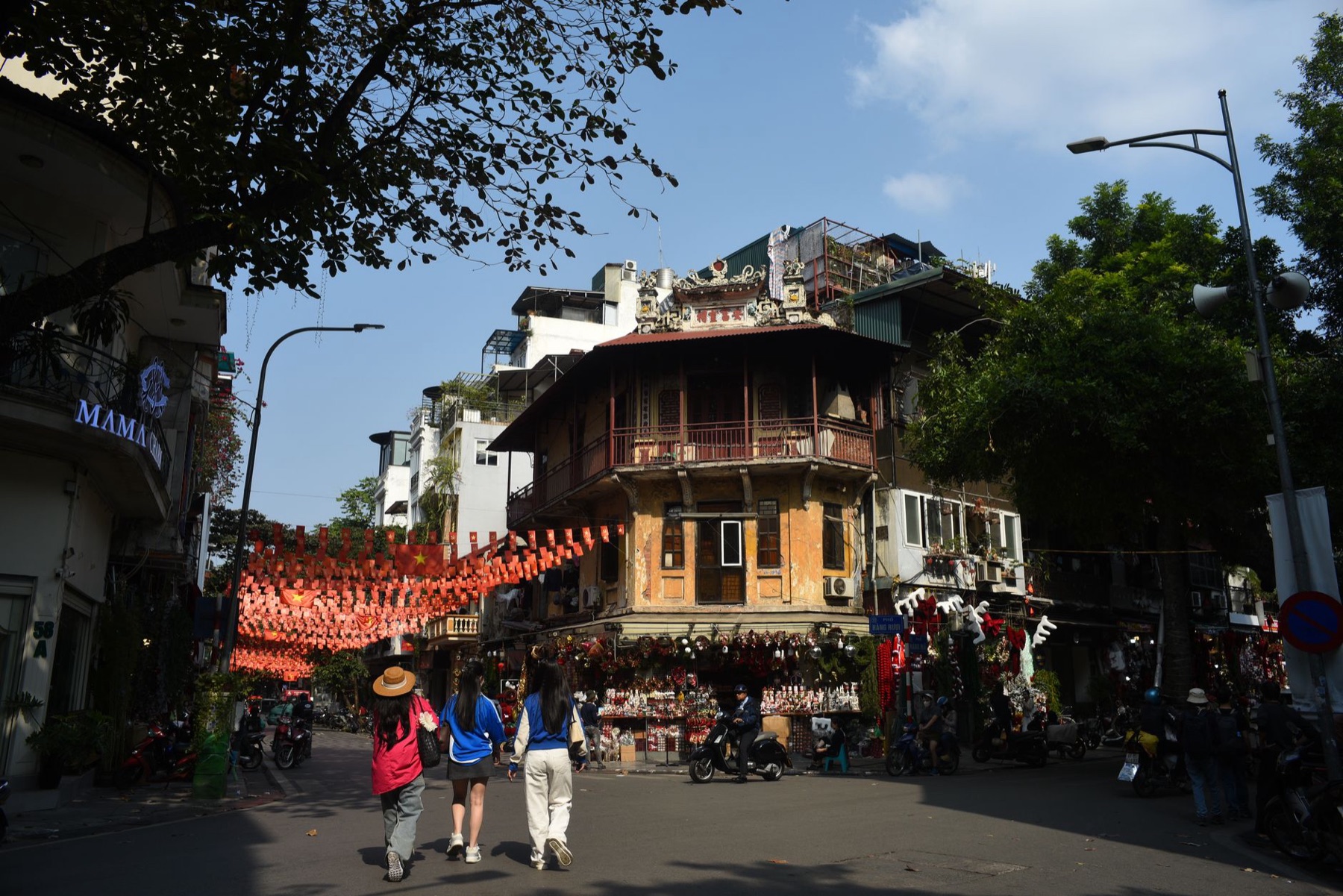
Avoid hotels directly on Tạ Hiện Street (famous beer-hall street)—excellent food and social scene, but the noise goes until 2 a.m. nightly and complaints fill review sites. Avoid "luxury" properties claiming "authentic Old Quarter views" from the 15th floor—you're paying for marketing, not experience. Skip booking through third-party aggregators if you're unhappy with price; call the hotel directly and ask for a better rate. Many properties undercut commission-heavy platforms by 10–15 percent.
Guesthouses on Phố Cổ side streets (Ngõ Hàng Bún, Ngõ Hàng Mành, Ngõ Gà) are genuinely social and cheap, but plumbing is temperamental and walls are thin. This is fine if you're 22 and meeting other travelers; it's a mistake at 55 with early plans.
📸 Book an ao dai photoshoot in Hanoi or Saigon (Cáo Studio)
When is the best time to book, and what's the real walk-in situation?
September to early November and March to April are peak season; hotels fill two to four weeks out. December through January sees holiday spikes. June to August is hot and humid but emptier; rates drop 20–30 percent. Guesthouses accommodate walk-ins year-round, but for mid-range and colonial stays, book 3–6 weeks ahead.
If you're arriving without a booking, stay near Hoàn Kiếm Lake's southern edge (less touristy than the center) for your first night, then move. Most decent one- and two-star places have rooms available within 24 hours, especially outside peak weeks.
What do visitors actually regret about their Old Quarter hotel choice?
The most common complaint: booking a "central" property that turns out to be on a noisy street. The second: assuming a high price guarantees quiet (it doesn't—location matters more than star rating). The third: choosing a place without researching cancellation policy, then needing to cancel at 50 percent loss.
Before you book, ask yourself: Am I paying for ambiance (loud, energetic, street-level immersion) or sleep? If sleep, look south of the lake. If ambiance, embrace the noise or use earplugs and accept that bar sounds are part of the package.
🎟️ Compare tours & tickets for this place
What to check before you book an Old Quarter hotel
- Street name and map view. Is it on Phố Cổ (loud, central) or Ngõ (alley, quieter)?
- Noise clip or review mentions. Search for "noise" in recent reviews; ignore outliers.
- Cancellation terms. Non-refundable, 50 percent refund at 7 days, or free up to 48 hours?
- Breakfast reality. Is it included, and is it a cart of banh mi or a sit-down buffet?
- Direct contact. Email or call the hotel; ask if the owner or manager responds personally (a good sign).
- Off-season rate. If booking in peak season, ask what the price drops to in June.
- Neighbor noise profile. "What's the loudest sound you hear from the room between 11 p.m. and 8 a.m.?" yields honest answers.
---
Explore more: Hanoi guide | Ha Long Bay day trip | Hoi An alternatives | Ninh Binh rural stays | Sapa trekking bases
FAQ
Is the Old Quarter safe at night, and do hotels provide secure storage?
Yes, the Old Quarter is safe by Hanoi standards. Tourist police patrol regularly. Most hotels offer in-room safes or front-desk lockers. Petty theft (bag snatching from motorbike) is rare but possible on crowded streets. Use hotel safe for passport and cash; carry only what you need on the street.
Do Old Quarter hotels have air conditioning, and is it reliable?
Nearly all guesthouses (1+ stars) have A/C, though older units in cheap places are loud or inefficient. Mid-range and above have modern split units. Test the A/C during check-in. In summer (June–August), A/C failure is the most common complaint; ask the manager for a room with a recently serviced unit.
Can you negotiate prices directly with hotels, especially for multi-night stays?
Yes. Call or email the hotel directly (not through aggregators) and ask: "What's your best rate for 5 nights in August?" Many will offer 10–15 percent discounts for longer stays or off-peak dates. Budget guesthouses are more flexible than branded chains; expect small margins in colonial boutiques.
What's the real difference between booking direct vs. Booking.com or Agoda?
Direct booking often saves 5–15 percent and gives you a phone number to contact the hotel. Aggregators add convenience and chargeback protection but take a commission. If the hotel has a poor review on aggregators, call them first—some complaints reflect outdated info. Hotel websites should match aggregator prices; if not, ask the hotel why.
How early should I arrive in Hanoi before my Old Quarter hotel check-in time?
Most hotels check in at 2 or 3 p.m. Luggage storage is free; arrive anytime and explore. Ask about early check-in (often possible for no extra fee if the room is ready). If you're arriving at Nội Bài Airport around 9 a.m., store luggage and walk the lake area or visit Hoan Kiem Temple before heading to your hotel.
Are there neighborhoods near the Old Quarter quieter but still walkable to the main sights?
Yes. Tây Hồ (northwest of the Old Quarter center) is residential, with the lake walk and fewer motorbikes. A 12-minute walk south to Phố Cổ. Trần Hưng Đạo (south of the lake) is less touristy and marginally quieter. Both offer mid-range hotels at similar prices to central Old Quarter stays but with better sleep.
FAQ
Is the Old Quarter safe at night, and do hotels provide secure storage?
Yes, the Old Quarter is safe by Hanoi standards. Tourist police patrol regularly. Most hotels offer in-room safes or front-desk lockers. Petty theft (bag snatching from motorbike) is rare but possible on crowded streets. Use hotel safe for passport and cash; carry only what you need on the street.
Do Old Quarter hotels have air conditioning, and is it reliable?
Nearly all guesthouses (1+ stars) have A/C, though older units in cheap places are loud or inefficient. Mid-range and above have modern split units. Test the A/C during check-in. In summer (June–August), A/C failure is the most common complaint; ask the manager for a room with a recently serviced unit.
Can you negotiate prices directly with hotels, especially for multi-night stays?
Yes. Call or email the hotel directly (not through aggregators) and ask: "What's your best rate for 5 nights in August?" Many will offer 10–15 percent discounts for longer stays or off-peak dates. Budget guesthouses are more flexible than branded chains; expect small margins in colonial boutiques.
What's the real difference between booking direct vs. Booking.com or Agoda?
Direct booking often saves 5–15 percent and gives you a phone number to contact the hotel. Aggregators add convenience and chargeback protection but take a commission. If the hotel has a poor review on aggregators, call them first—some complaints reflect outdated info. Hotel websites should match aggregator prices; if not, ask the hotel why.
How early should I arrive in Hanoi before my Old Quarter hotel check-in time?
Most hotels check in at 2 or 3 p.m. Luggage storage is free; arrive anytime and explore. Ask about early check-in (often possible for no extra fee if the room is ready). If you're arriving at Nội Bài Airport around 9 a.m., store luggage and walk the lake area or visit Hoan Kiem Temple before heading to your hotel.
Are there neighborhoods near the Old Quarter quieter but still walkable to the main sights?
Yes. Tây Hồ (northwest of the Old Quarter center) is residential, with the lake walk and fewer motorbikes. A 12-minute walk south to Phố Cổ. Trần Hưng Đạo (south of the lake) is less touristy and marginally quieter. Both offer mid-range hotels at similar prices to central Old Quarter stays but with better sleep.