Ho Chi Minh City · Where to stay
Best Place to Stay in Vietnam: Where & How to Choose
By Wander in Vietnam editorial team · Hanoi, Vietnam
The best place to stay in Vietnam isn't one address—it's the neighborhood that matches your travel style. Whether you're after street food markets, colonial architecture, limestone karst views, or beachfront sunsets, Vietnam's regions each demand different base camps. We've tested neighborhoods across five major regions and mapped out what works for each traveler type, plus the honest gaps to avoid before you lock in your booking.
Which City Neighborhood Fits Your Trip Style?
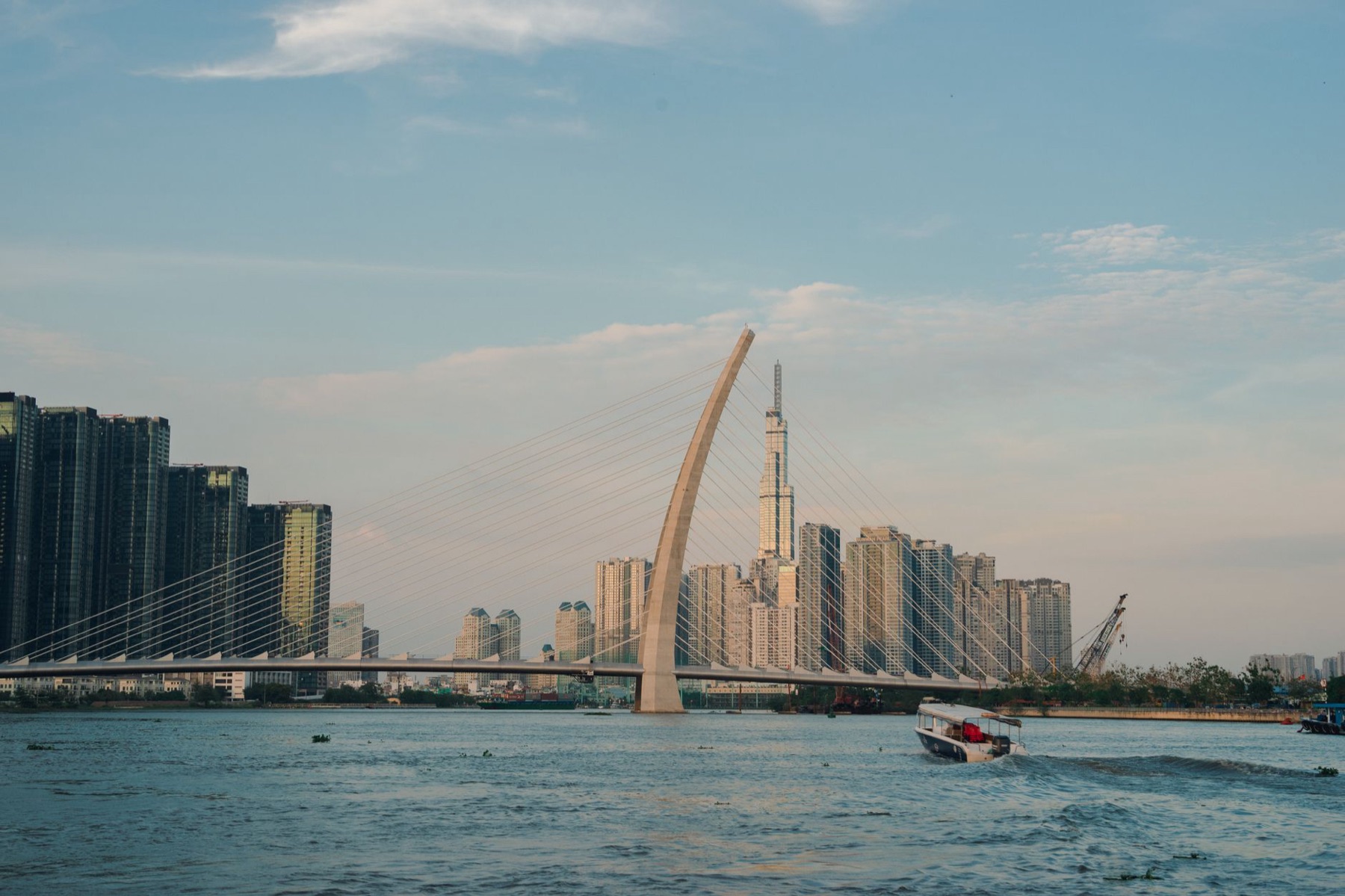
Ho Chi Minh City (formerly Saigon) dominates for food tourism, nightlife, and modern Vietnam. District 1 (center) offers walking access to Nguyen Hue Walking Street, Ben Thanh Market, and high-end restaurants; expect around $25–80 USD per night mid-range. District 3 and Binh Thanh suit quieter professionals—cafes, co-working spaces, less party noise, $20–50 USD. District 7 (Phu My Hung) caters to expats and families: modern malls, parks, international schools, $40–120 USD.
Hanoi suits heritage seekers and writers. The Old Quarter buzzes with street energy, narrow lanes, and hawker stalls; $15–50 USD per night, but expect noise until midnight. Hoan Kiem district (around the lake) balances calm mornings with central access—$30–70 USD, popular with couples. Tay Ho (West Lake) is bohemian and artsy: cafes, galleries, expat community, $25–60 USD but requires scooter or taxi for dining. Ba Dinh serves diplomats and long-stayers—quieter, tree-lined, $20–55 USD.
Coastal Towns (Ha Long Bay area, Nha Trang, Mui Ne) prioritize beach access over city amenities. Ha Long City itself is cramped and tour-focused; consider nearby Cat Ba Island for quieter vibes and better value ($15–40 USD). Nha Trang suits beach parties and diving; central beachfront averages $25–70 USD. Mui Ne works for wind sports and sandboarding—smaller, cheaper ($15–35 USD), less infrastructure.
Mountain & Cultural Zones (Sapa, Hoi An, Ninh Binh) offer slower paces. Sapa's Old Town gets crowded; stay in Ban Cat or Muong Hoa Valley for trekking access and homestays ($10–30 USD). Hoi An is UNESCO-protected and touristy in the center; side streets in Cau Ngu or An Phu are calmer ($20–50 USD). Ninh Binh has few hotels but excellent homestays near Mua Cave and Tam Coc ($15–35 USD).
🗺️ Plan your route: Vietnam itinerary
How Much Should You Budget for Accommodation?
Vietnam's accommodation spans budget to luxury with no middle-ground hotel culture—most travelers choose guesthouses, homestays, or Airbnb-style apartments.
| Stay Type | Typical Cost (USD/night) | Best For | Booking Method | Common Issues |
|---|---|---|---|---|
| Dorm bed | $8–15 | Solo backpackers, budget tours | Hostelbookers, Agoda | Noise, theft from shared lockers, water pressure |
| Guesthouse (1–2 rooms) | $15–40 | Couples, small groups, independent travelers | Direct booking via Facebook, local agents, Booking.com | Owner language barriers, no card payment, deposit policies unclear |
| Homestay (rural/mountain) | $10–30 | Cultural immersion, trekking access | Homestay.com, local tour guides, direct village contacts | Shared bathrooms, limited hot water, no English spoken, transport to town unclear |
| Airbnb/apartment (1 BR) | $30–80 | Longer stays, families, kitchen access | Airbnb, Booking, local agencies | Host cancellation, cleaning fees buried, utility overage charges |
| Mid-range 2–3 star hotel | $40–100 | Business travelers, comfort seekers | OTA (Booking, Agoda) or direct website | Booking sites charge 15–25% markup; direct saves money |
| Upscale 4–well-made | $100–300+ | luxury travelers, special occasions | Luxury OTAs, hotel direct, travel agents | Overrated in Vietnam; 4-star international in Saigon ≠ Bangkok 4-star value |
Real cost insight: Booking directly via the property's phone number or Facebook page saves 15–25% vs. Agoda/Booking markup. In district towns, local travel agencies negotiate better homestay rates than online platforms.
What to Check Before You Book (The Pre-Booking Checklist)
Before transferring a deposit, verify these details—they separate smooth stays from frustrating cancellations.
- Water pressure & hot water schedule. Ask owners: "What time hot water available?" Many rural homestays have 6–8 a.m. slots only. Mid-range hotels sometimes cut hot water 10 p.m.–5 a.m. to save costs.
- Deposit & cancellation terms. Is it 50% prepay + balance on arrival? Non-refundable? Ask in writing (WhatsApp screenshot works). Vietnamese properties often require 30–50% upfront; confirm refund policy if flights change.
- Wi-Fi speed & backup. Ask for speed test link or video call during their peak hours (7–9 p.m.). Many guesthouses cap bandwidth; streaming Netflix may be slow.
- Noise hours. Specify: "Is the location on a main street? Do bars/clubs operate nearby?" Old Quarter Hanoi = noise until 1–2 a.m. regularly.
- Checkout time & luggage storage. Most require 11 a.m. checkout but late flights are common. Confirm free storage post-checkout.
- Transport to/from airport or town. Does the property arrange pickup? Cost? Is it walking distance to buses or taxi rank? Avoid isolated locations without clear transit.
- Emergency contact. Confirm 24-hour owner/manager phone number. Rural homestays may lack English-speaking staff at night.
🎟️ Compare tours & tickets for this place
When to Book: Seasonal Gaps & Occupancy Patterns
Peak season (Nov–Feb): All of Vietnam is dry, cool, pleasant. Hanoi, Ha Long, Sapa fill weeks ahead. Book 3–4 weeks early; expect 20–30% markup vs. shoulder season. Conversely, early morning walk-in rates in Ho Chi Minh City can undercut online bookings by 10–15% if you're flexible.
Shoulder (Mar–Apr, Sep–Oct): Mild demand, 10–15% cheaper than peak, excellent weather in most zones. Walk-ins often negotiate same-night rates. Sapa March = wildflower season; book 2 weeks ahead.
Wet season (May–Aug): Cheaper 30–40%, fewer tourists, afternoon rain common. Central Vietnam (Hoi An, Nha Trang) flood August–September; avoid Sept–Oct bookings there. Mountain zones (Sapa, Ninh Binh) offer best value June–August if you tolerate rain.
Tet (Jan–Feb lunar new year, 7–10 days): All accommodation doubles or triples in price; many places require 3-night minimum. Domestic tourists clog transportation. Book months ahead or skip Tet entirely.
Day-of booking trick: If you haven't booked, call guesthouses directly after 3 p.m. on the day of arrival. Walk-in rates drop 20–30% to fill empty beds; staff often authorized to negotiate without OTA commission conflict.
📸 Book an ao dai photoshoot in Hanoi or Saigon (Cáo Studio) | 🗺️ Plan your route: Vietnam itinerary
Regional Breakdown: Which City, Which Neighborhood, What to Expect
Ho Chi Minh City: Speed & Scale
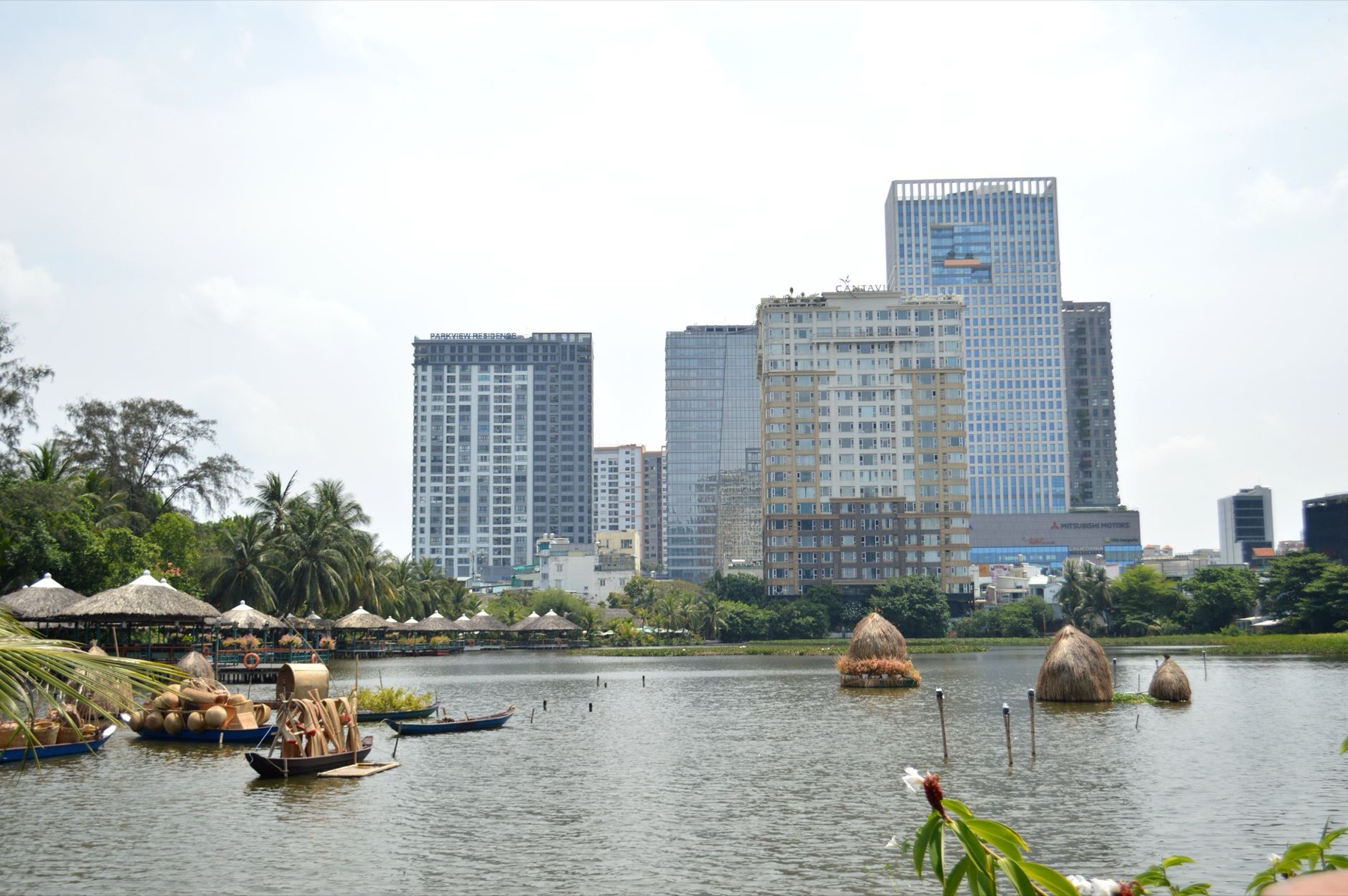
Ho Chi Minh City is Vietnam's economic hub—fast, loud, modern, chaotic. Most international visitors base here 3–7 days. District 1 (Dong Khoi area) is touristy: overpriced coffee ($2–3 USD vs. $0.50 elsewhere), touts selling cyclo rides, fake Rolex vendors. Skip the Saigon Centre mall. Stay instead in District 3 or Tan Binh if your budget allows ($30–60 USD)—quieter blocks, better local cafes, less scam energy. Binh Thanh (east side) suits longer stays: cheaper ($20–40 USD), no tourist trap restaurants, neighborhoods feel residential.
Avoid: District 2's "expat village" premium markup ($80–150 USD); you're paying for pool and gym, not location value.
Street-level tip: Ben Thanh Market's north entrance (Tran Hung Dao St.) has low-key guesthouses ($15–30 USD) 2 blocks back; direct booking only.
Hanoi: Layers of History
Hanoi repels or captivates—no middle ground. The Old Quarter (36 Streets zone) is sensory overload: street vendors at 5 a.m., motorbike horns all day, humidity-trapped alleys. Budget ($12–35 USD), authentic, sleepless. Hoan Kiem district is Hanoi's compromise: lake views, calm mornings, walkable, $30–70 USD. Tay Ho (West Lake) is bohemian: trendy cafes, galleries, expat density, but taxi-dependent ($25–60 USD).
Solo travelers: Old Quarter guesthouses connect you to backpacker networks instantly.
Couples/writers: Hoan Kiem or Tay Ho; you'll work or chat without assault of street noise.
Long-stayers (1+ month): Ba Dinh district (north) offers 10–20% monthly discounts; negotiate with property directly.
Hanoi also supports day trips to Ha Long Bay, Ninh Binh, and Sapa—consider a Hanoi base if covering northern Vietnam.
Coastal: Beach vs. Town Pace
Ha Long Bay area: Ha Long City itself is crowded dock-side; book a cruise-included package or stay Cat Ba Island (ferry 35 min.) for trekking and quiet cafes. Nha Trang is Vietnam's loudest beach resort—jet skis, drunk backpackers, sex tourism undertones; skip unless diving. Mui Ne (Phan Thiet) is smaller, wind-sports focused, cheaper, calmer.
Coastal tip: Homestays in fishing villages (arrange via local tour guides, not Airbnb) cost $10–20 USD and offer real local life, not tourist beach resort syndrome.
Mountain & Cultural: Authenticity Over Comfort
Sapa is Vietnam's trekking hub but avoid the Old Town center—it's been Disney-fied with neon signs and tour agencies. Stay in or near Muong Hoa Valley (south) with homestays arranged by guides; $15–25 USD, 45-min walk into town, rice terrace access. Hoi An is UNESCO-gorgeous but over-commercialized; the town center (around Japanese Bridge) charges tourist prices. Stay one street back (An Phu, Cau Ngu); same charm, $15–30 USD vs. $40–80 USD on main drag.
Ninh Binh has almost no hotels—it's homestays or small inns ($15–35 USD). Book via Tam Coc Adventure or similar operators; they coordinate transport to caves and bicycle rentals.
Scams & Booking Red Flags
Deposit theft: Requesting payment to personal bank account (not business account) is high-risk. Use Wise.com or PayPal for international transfers; you have dispute protection. Vietnamese property owners often lack business banking; if they ask "can you pay my friend's account?", decline. Use Booking.com or Agoda payment as middleman (costs 2–3% more but insures you).
Occupancy lies: "Fully booked" texted at 4 p.m. on your arrival day, then "found one room, $50 more." Call back with arrival time 24 hours prior; confirm in writing.
Photo vs. reality: Old guesthouse Facebook pages show renovations that never happened. Ask for a video call in the room 24 hours before arrival. Ask for the room number before paying balance.
Airport taxi surcharge: Avoid taxis hailed directly from airport; use Grab app (ride-hailing, set price upfront). Meter taxis at airport rank often charge 30–50% markup after midnight.
Pre-arrival upgrades: "Book the budget room, we'll upgrade you free" = they oversold and you'll stay in the budget room. Don't rely on verbal promises.
Compare Your Options: A Decision Matrix
Use this to match your priority:
| You Prioritize | Best City | Best Neighborhood Type | Stay Type | Budget (USD/night) | Book Via |
|---|---|---|---|---|---|
| Street food & urban chaos | Ho Chi Minh City | District 1 or District 3 | Guesthouse | $25–50 | Direct or Booking.com |
| Colonial history & temples | Hanoi | Hoan Kiem or Old Quarter | Guesthouse | $20–60 | Direct or Booking.com |
| Beach & diving | Nha Trang or Mui Ne | Central beachfront | Hotel or Airbnb | $25–70 | Agoda or Airbnb |
| Mountain trekking | Sapa | Valley homestay (Muong Hoa) | Homestay | $12–25 | Tour guide or Homestay.com |
| Slow travel & quiet | Hoi An (sides) or Ninh Binh | Back streets or rural villages | Guesthouse or homestay | $15–35 | Direct or local agent |
| Luxury comfort | Ho Chi Minh City or Hanoi | District 1 Hanoi or District 1 HCMC | 4–well-made hotel | $100–250 | Hotel direct (cheaper than OTA) |
| Long stay (1+ month) | Hanoi or Ho Chi Minh City | Ba Dinh or Binh Thanh | Apartment or private room | $400–800/month | Local Facebook groups or Airbnb long-stay |
🎟️ Compare tours & tickets for this place
Final Practical Moves Before Booking
- Contact the property directly (WhatsApp or phone; most speak basic English) 48 hours before committing deposit. Confirm room availability, hot water times, and transport to main attractions.
- Watch for language confusion. Many property owners negotiate well via WhatsApp but misunderstand email. Stick to messaging apps; screenshot everything.
- Avoid peak-season lock-in. If booking Nov–Feb, aim for 2-week stays or shorter to avoid being trapped in one neighborhood. Weather is great; explore widely.
- Book domestic flights in-country (Vietnam Airlines, Bamboo, Vietjet) via Skyscanner or directly; prices often lower than pre-booked abroad. Enables flexible stay extensions.
- Use Vietnam eSIM for reliable internet to confirm bookings on-the-fly. Check eSIM options for Vietnam before arrival.
- Plan visa ahead. Most visitors need Vietnam e-visa; avoid arriving without one. Processing is 3–5 business days online.
- Test reviews carefully. Fake positive reviews inflate ratings on OTAs. Look for 2–4 star reviews and read the criticisms (noise, water pressure, Wi-Fi). Those are honest.
Next step: Choose your city based on your travel style, then contact 3–4 guesthouses directly. Compare rates, terms, and owner responsiveness. Book the one whose owner replies fastest in clear English—that's your service predictor for your stay.

FAQ
Is it cheaper to book directly or through Agoda/Booking.com?
Direct booking typically saves 15–25% but requires calling/WhatsApp. OTAs charge commission and convenience fees. For properties with weak English, book via OTA for dispute protection. For guesthouses with fast WhatsApp response, direct saves money and builds rapport with owners.
Which season is safest to travel for booking availability?
Mar–Apr and Sep–Oct offer high availability, lower prices (20–30% off peak), excellent weather, and cancellation flexibility. Nov–Feb books weeks ahead and requires early commitment. Avoid Tet (lunar new year, late Jan–Feb) unless you book 2+ months early.
Do hostels or guesthouses in Vietnam require a deposit upfront?
Most guesthouses require 25–50% upfront to secure the room, balance on arrival. Ask for written confirmation of cancellation terms. Use Wise or PayPal for protection; avoid personal bank accounts. Hostels often allow free cancellation within 7 days; double-check.
Is it safe to stay in the Old Quarter, Hanoi, alone?
The Old Quarter is safe for solo travelers—theft is rare but pick-pocketing occurs in crowded markets. Stay aware of drink spiking in bars; avoid leaving drinks unattended. Women solo travelers report the Old Quarter as welcoming but expect catcalls and persistent motorbike taxi touts. Guesthouses are secure; use lockers for valuables.
What's the best way to arrange transport from airport to hotel?
Use Grab (ride-hailing app, book ahead, fixed price). Meter taxis at airport rank charge 20–50% markup if driver is unlicensed. Ask your guesthouse owner 48 hours before; many offer free or $5–10 pickup if you book confirmed. Avoid taxis hailed directly outside the terminal.
Should I book my entire trip accommodations before arrival?
Book first 2 nights to secure arrival and settle in. After that, book week-to-week to stay flexible—weather, attractions, or social groups might shift your plan. Vietnam's guesthouses fill fast (3–7 days out) but allow last-minute walk-ins at discounted rates. Flexibility saves money and stress.
How do I know if a guesthouse's online photos are real?
Ask the owner for a video call or recent video of your exact room 24 hours before arrival. Most respond quickly to WhatsApp video requests. If they refuse or send old photos, decline and book elsewhere. Your guesthouse's responsiveness predicts the quality of your stay.
FAQ
Is it cheaper to book directly or through Agoda/Booking.com?
Direct booking typically saves 15–25% but requires calling/WhatsApp. OTAs charge commission and convenience fees. For properties with weak English, book via OTA for dispute protection. For guesthouses with fast WhatsApp response, direct saves money and builds rapport with owners.
Which season is safest to travel for booking availability?
Mar–Apr and Sep–Oct offer high availability, lower prices (20–30% off peak), excellent weather, and cancellation flexibility. Nov–Feb books weeks ahead and requires early commitment. Avoid Tet (lunar new year, late Jan–Feb) unless you book 2+ months early.
Do hostels or guesthouses in Vietnam require a deposit upfront?
Most guesthouses require 25–50% upfront to secure the room, balance on arrival. Ask for written confirmation of cancellation terms. Use Wise or PayPal for protection; avoid personal bank accounts. Hostels often allow free cancellation within 7 days; double-check.
Is it safe to stay in the Old Quarter, Hanoi, alone?
The Old Quarter is safe for solo travelers—theft is rare but pick-pocketing occurs in crowded markets. Stay aware of drink spiking in bars; avoid leaving drinks unattended. Women solo travelers report the Old Quarter as welcoming but expect catcalls and persistent motorbike taxi touts. Guesthouses are secure; use lockers for valuables.
What's the best way to arrange transport from airport to hotel?
Use Grab (ride-hailing app, book ahead, fixed price). Meter taxis at airport rank charge 20–50% markup if driver is unlicensed. Ask your guesthouse owner 48 hours before; many offer free or $5–10 pickup if you book confirmed. Avoid taxis hailed directly outside the terminal.
Should I book my entire trip accommodations before arrival?
Book first 2 nights to secure arrival and settle in. After that, book week-to-week to stay flexible—weather, attractions, or social groups might shift your plan. Vietnam's guesthouses fill fast (3–7 days out) but allow last-minute walk-ins at discounted rates. Flexibility saves money and stress.
How do I know if a guesthouse's online photos are real?
Ask the owner for a video call or recent video of your exact room 24 hours before arrival. Most respond quickly to WhatsApp video requests. If they refuse or send old photos, decline and book elsewhere. Your guesthouse's responsiveness predicts the quality of your stay.
More: Ho Chi Minh City travel guide · Where to stay in Ho Chi Minh City