Hanoi · Things to do
Best Places to Visit in Hanoi: Local Guide & Gift Ideas
By Wander in Vietnam editorial team · Hanoi, Vietnam
What makes the Old Quarter different from other Hanoi neighborhoods?
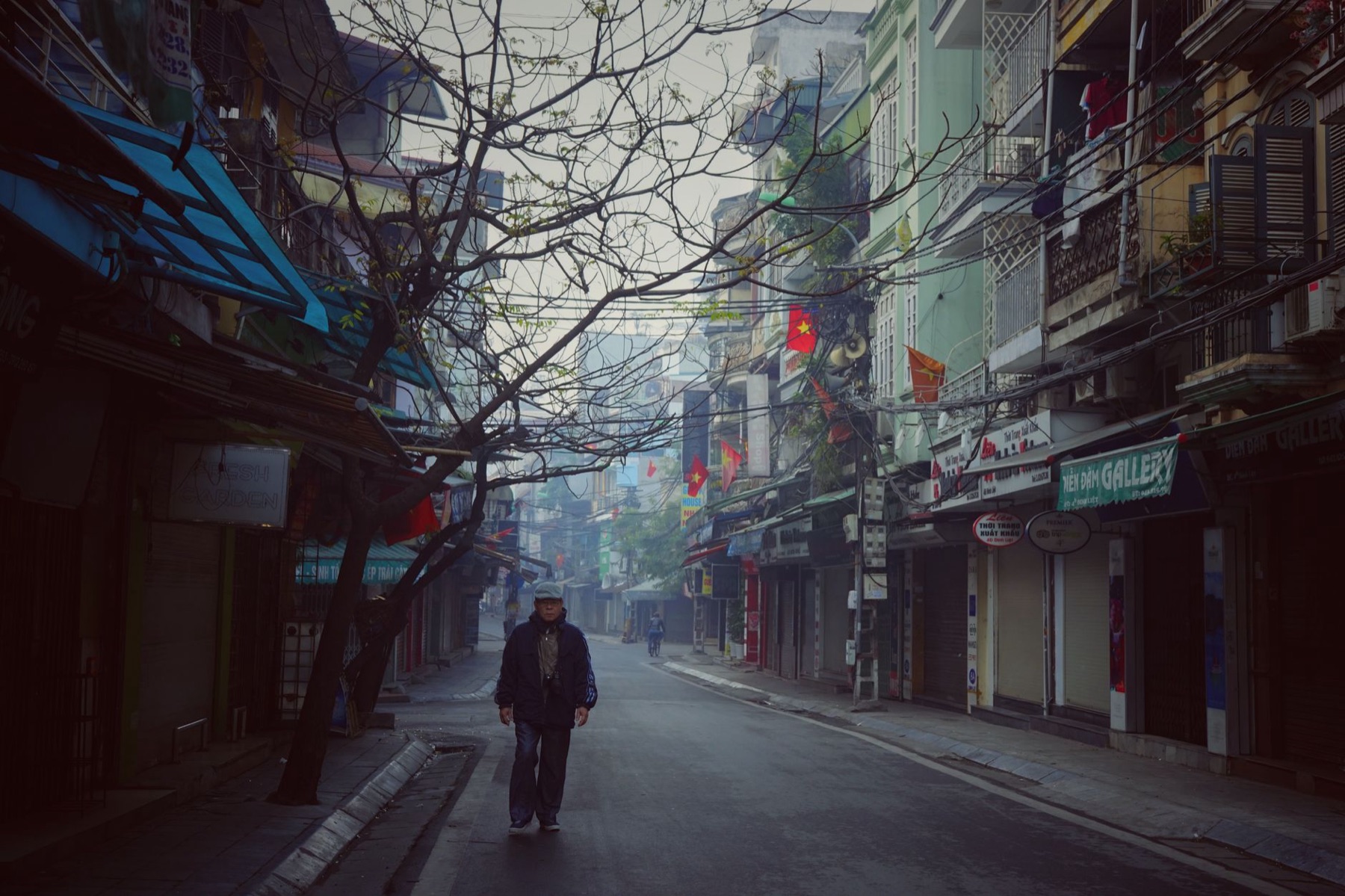
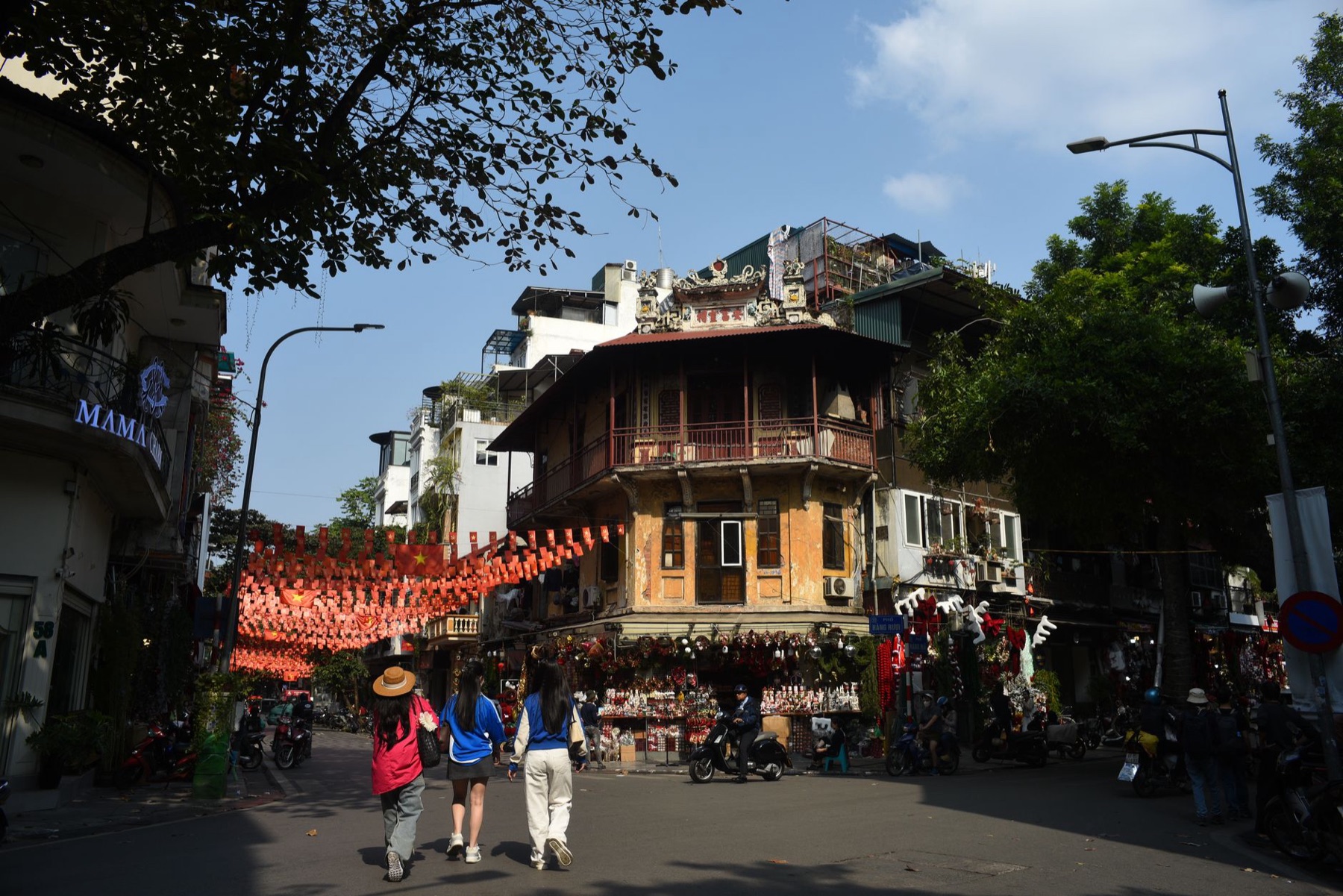
The Old Quarter (Hoan Kiem District, around Hang Dao and Hang Bac streets) is Hanoi's most crowded and photogenic zone. Narrow lanes named after their original trades (Hang Silk Street, Hang Ngang Street for metalware) remain intact from the 13th century. Street food vendors and souvenir shops line every corner; expect motorbikes, noise, and tightly packed alleyways. Prices run low—noodle bowls around 30,000–50,000 VND ($1.20–$2)—but pickpocketing and scams targeting tourists are common. Visit early morning (6–8 AM) to avoid crowds; wear a crossbody bag and avoid flashing phones or cameras.
🗺️ Plan your route: Vietnam itinerary
The Temple of the Jade Mountain (Ngoc Son) sits on an island in Hoan Kiem Lake at the Old Quarter's edge, accessible by a red wooden bridge. Entry is around 30,000 VND ($1.20). Don't miss the turtle tower (Thap Rua) across the lake—it's free and offers views of the water and city. Many visitors skip the Old Quarter beyond the lake boundary and miss residential blocks where families live as they have for centuries. Wander two streets back from Hang A or Hang D and you'll see real Hanoi: metal workshops, tea houses, and quiet courtyards.
How do French Colonial and Ba Dinh sites compare as day trips?
Neighborhood Comparison
| Area | Main Sites | Vibe | Best For | Walking Distance | Crowd Level |
|---|---|---|---|---|---|
| Ba Dinh | Ho Chi Minh Mausoleum, Presidential Palace gardens, One Pillar Pagoda | Ceremonial, green, slower | History buffs, photo ops | Wide boulevards, 15–20 min between sites | Moderate–High |
| French Quarter (Hoan Kiem south side) | St. Joseph Cathedral, Old French buildings, colonial-era cafes | Nostalgic, architectural, cooler | Architecture lovers, café culture | Compact, walkable | Moderate |
Ba Dinh District hosts the Ho Chi Minh Mausoleum complex, open Tuesday–Thursday and Saturday–Sunday (7–11 AM, 1–4 PM; closed Friday, Monday). Admission is free but dress codes are strict: covered shoulders, knees, and closed shoes. Queues form 30 minutes before opening; arrive by 6:50 AM to beat crowds. The Presidential Palace gardens are viewable from outside only; photography is forbidden. One Pillar Pagoda (Chua Mot Cot) sits within the compound—a UNESCO-recognized 11th-century structure. Combine visits in 2–3 hours.
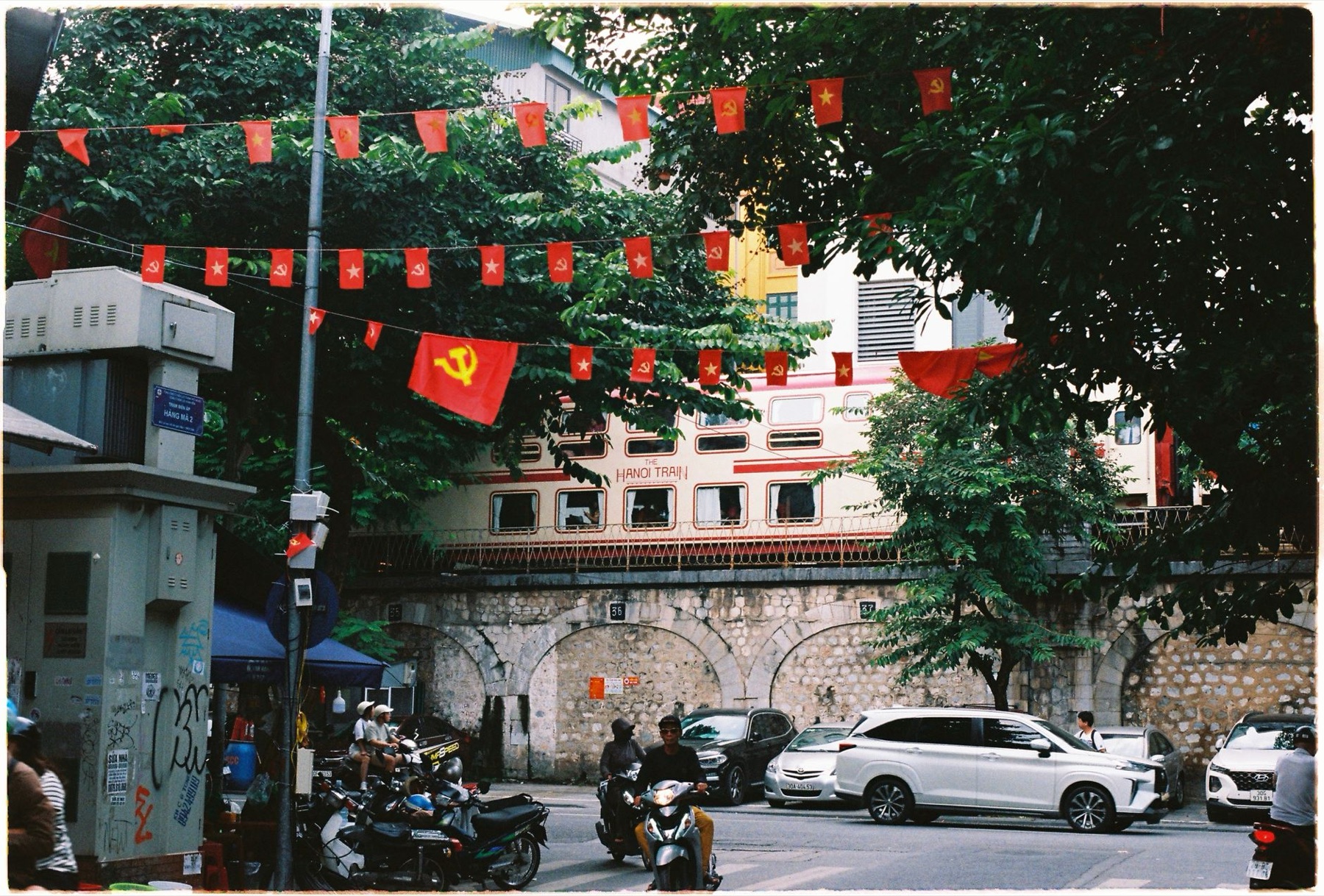
The French Quarter spreads south and west from Hoan Kiem Lake along Trang Tien and Ly Thai To streets. St. Joseph Cathedral (Nha Tho Lon) is photogenic but often locked outside mass times (5:30–6:30 AM, 5–6 PM weekdays). Walk up Hang Trong or Ly Quoc Su for colonial villas, tree-lined blocks, and heritage cafes. This area is quieter than the Old Quarter and suits those wanting architectural study without street chaos.
Which Hanoi markets and neighborhoods offer the best souvenirs?
For authentic gifts, skip central tourist shops and visit by neighborhood type:
Dong Xuan Market (Old Quarter, Hang Nhan Street): Three floors of textiles, ceramics, kitchenware, and souvenirs. Open 6 AM–6 PM daily. Prices require negotiation; expect 20–30% haggling room on textiles and lacquerware. Pickpockets work the ground floor—keep bags zipped and valuables hidden.
Trang An Market (Hoan Kiem District, Trang An Street): Spices, dried goods, and local tea. Less touristy than Dong Xuan; prices are fixed. Around 150,000–300,000 VND ($6–$12) for quality oolong or jasmine tea. Staff rarely speak English but are patient with pointing.
Hang Gai Street (Old Quarter): Specializes in silk and tailored áo dài (traditional dress). Tailors will hand-measure for custom fitting (3–5 days turnaround, around 1–2 million VND / $40–$80 for silk). Quality varies; ask to see finished examples and verify material weight.
What to take home instead of mass-produced souvenirs:
- Lacquerware (bowls, coasters, trays): Artisans hand-paint each piece. Look for makers in Bat Trang pottery village (30 km south) or buy at Dong Xuan to see workshops. 200,000–800,000 VND ($8–$32) for quality.
- Silk scarves or wall hangings: Hand-loomed in northern provinces. Choose natural colors over synthetic dyes. 300,000–1.5 million VND ($12–$60).
- Water puppetry figurines: Small carved wooden figures from family artisans. 150,000–500,000 VND ($6–$20) for authentic pieces.
- Ao dai fabric or finished garment: Commission a photoshoot in an áo dài first, then order matching pieces from Hang Gai tailors as keepsakes.
📸 Book an ao dai photoshoot in Hanoi or Saigon (Cáo Studio)
How should you explore Tay Ho and Hoan Kiem's quieter sides?
Tay Ho District (West Lake) is Hanoi's upscale residential zone, 4 km northwest of the Old Quarter. Motorbike taxi (Grab) costs around 40,000–60,000 VND ($1.60–$2.40). The lake itself is stunning at sunrise (5:30 AM) or sunset (5–6 PM). Few tourists venture here because guidebooks emphasize the Old Quarter. Reality: Tay Ho has excellent cafes (50,000–150,000 VND / $2–$6 per coffee), flower shops, and zero street hustling.
Walk the western bank near Tay Ho village (coordinates: 21.0631° N, 105.8281° E) to find temple steps, local flower vendors, and family-run noodle stalls. The Tran Quoc Pagoda sits on a peninsula between Tay Ho and Hoan Kiem lakes—it's Hanoi's oldest temple (7th century). Entry is free; go after 3 PM when tour groups leave.
Hoan Kiem Lake's east and north shores remain quieter than the west side (tourist cafes, crowded paths). Jog or walk the north bank past local exercise groups and street-food vendors. Stop at a pho stand around 7 AM for breakfast (35,000–50,000 VND / $1.40–$2). Avoid the lakeside restaurants on the south edge—they're overpriced (150,000–300,000 VND / $6–$12 for mediocre pho).
🎟️ Compare tours & tickets for this place
What cultural experiences beat typical tourist activities?
Water Puppetry: Thang Long Water Puppet Theatre (Dinh Tien Hoang Street, Hoan Kiem District) shows nightly at 3:15 PM, 5 PM, 7:15 PM, and 9 PM. Tickets around 100,000–200,000 VND ($4–$8). Shows last 50 minutes in Vietnamese-only; humor translates universally. Book online 1 day ahead to avoid sellouts. The performance tells rural farming legends through carved wooden puppets on water—nothing else like it in Southeast Asia.
Street Photography Tours: Independent photographers or small groups guide you through hidden Old Quarter blocks at dawn (5:30–8 AM). Cost around 200,000–400,000 VND ($8–$16). You'll capture real Hanoi—vendors setting up, children cycling to school, light on colonial shutters—instead of posed temple shots.
Home Cooking Class: Book through a small operator (not a hotel) for morning market walk (5–7 AM) plus 3-hour class in a residential kitchen. Around 400,000–800,000 VND ($16–$32) including ingredients. You'll learn to make pho, spring rolls, or fish caramel sauce; lunch is included. Most classes cap at 4 people.
Temple Festivals (seasonal): Mid-Autumn Festival (eighth lunar month, September–October in 2026) brings lantern processions, sticky rice cakes, and community gatherings to temples across Ba Dinh and Tay Ho. Dates vary yearly; check ahead. Entry is free; arrive early for seating near altars.
Link these experiences to a keepsake: commission an áo dài photoshoot before your cooking class, then give a framed photo or a silk scarf matching the fabric color to family back home.
What to check before you buy souvenirs or book experiences
Souvenirs:
- Ask market vendors where items are made. "Made in Vietnam" is vague—specify the province or artisan name. Authenticity matters for lacquerware, silk, and ceramics.
- Check seams and paint finish on textiles and hand-painted pieces. Uneven work suggests low-quality factory production, not artisan craft.
- Negotiate only at markets (Dong Xuan, street stalls). Shops on Hang Gai have fixed prices; haggling is insulting.
- For customs, keep receipts for items over $100 USD value and avoid endangered materials (ivory, tortoiseshell, illegal wildlife goods).
Experiences (tours, classes, photoshoots):
- Book directly with small operators or check reviews on independent platforms (not just TripAdvisor, which rewards volume). Ask for past customer photos, not stock images.
- Confirm cancellation policy and weather contingencies (e.g., sunrise photoshoots cancelled if raining).
- Verify language capability if you don't speak Vietnamese. Many guides speak basic English only.
---
How to plan your Hanoi visit across neighborhoods
- Day 1 (Old Quarter + Hoan Kiem): Arrive early, walk north from Hang Dao to Hang Ngang. See Ngoc Son Temple. Lunch at a pho stall (avoid restaurants). Afternoon: French Quarter south of the lake. Sunset at Tran Quoc Pagoda (motorbike taxi to Tay Ho).
- Day 2 (Ba Dinh + One Pillar): 6:50 AM arrival at Ho Chi Minh Mausoleum complex. 2–3 hours there. Afternoon: Water Puppet Theatre or cooking class. Evening: Tay Ho lake walk.
- Day 3 (Markets + Local experience): Morning at Dong Xuan or Trang An. Commissioning an áo dài photoshoot (makeup and styling included; book Cáo Studio 1 week ahead). Tailoring fit appointment or souvenir shopping on Hang Gai.
- Day 4 (Escape crowding): Skip the Old Quarter. Bike tour to Bat Trang pottery village or day trip to nearby Ninh Binh (limestone karsts, 100 km south, 2-hour drive).
Most visitors stay 2–3 days and revisit the Old Quarter repeatedly. We recommend splitting time: spend one full day in Old Quarter, then explore Ba Dinh, Tay Ho, and French Quarter on separate mornings/evenings. Book water puppetry or cooking class to break up sightseeing.
📸 Book an ao dai photoshoot in Hanoi or Saigon (Cáo Studio)
---
Related Guides:
- Hanoi neighborhood overview
- Things to do in Hanoi (pillar guide)
- Day trips from Hanoi: Ninh Binh
- Ha Long Bay from Hanoi
- Sapa for trekking & culture
- Vietnam e-visa requirements
- Best eSIM for Vietnam
FAQ
Is it safe to walk the Old Quarter alone at night?
Main streets (Hang Ngang, Hang Dao) are safe after dark with crowds and lights. Side alleys are poorly lit and attract pickpockets. Use Grab motorbike taxi (40,000–60,000 VND / $1.60–$2.40) after 10 PM. Avoid carrying valuables; keep phone in front pocket. Don't accept drinks from strangers claiming to be locals offering to tour you.
How much is entry to major temples and sites?
Most temples are free or charge 20,000–50,000 VND ($0.80–$2). Ngoc Son Temple (Hoan Kiem): 30,000 VND. Ho Chi Minh Mausoleum: free. Water Puppet Theatre: 100,000–200,000 VND ($4–$8). Paid sites rarely exceed 100,000 VND unless they're tourist-only attractions (skip these).
Should I hire a guide or do self-guided walking?
Self-guided works fine for temples, lakes, and markets using Google Maps offline. Guides ($25–40 USD per half-day) add value for history (French Colonial era, Vietnam War sites) and Vietnamese language translation in markets. For food tours or photography, guides are essential. Vet guides via Grab or small local operators, not street touts.
What's the best time to visit Hanoi?
October–November (autumn) and February–March (spring) offer cool, dry weather (15–25°C). Summer (May–September) is hot, humid, and rainy (30–35°C, frequent downpours). Winter (December–January) is cold (10–15°C) and gray. Avoid Tet (Lunar New Year, January–February 2026) unless celebrating; most shops close 3–7 days.
Can I commission an áo dài and finish it in one visit?
Tailors on Hang Gai offer 3–5 day turnaround if you arrive by noon and want basic designs (solid silk, no embroidery). Rush orders (1–2 days) cost 20% extra. Intricate embroidery requires 2+ weeks. Book a photoshoot first (Cáo Studio offers makeup, styling, and tailoring referrals), then use photos to show tailors the exact fit and color you want. Final fitting is included.
Which souvenirs are worth buying vs. tourist traps?
Worth it: hand-loomed silk, lacquerware, water puppetry figurines, artisan ceramics from Bat Trang. Skip: mass-printed posters, plastic "Vietnam" keychains, synthetic áo dài (check seams and weight). Ask vendors where items are made and inspect quality before paying. Prices at street stalls (Dong Xuan) are 30–50% lower than tourist shops, but require negotiation and haggling skill.
FAQ
Is it safe to walk the Old Quarter alone at night?
Main streets (Hang Ngang, Hang Dao) are safe after dark with crowds and lights. Side alleys are poorly lit and attract pickpockets. Use Grab motorbike taxi (40,000–60,000 VND / $1.60–$2.40) after 10 PM. Avoid carrying valuables; keep phone in front pocket. Don't accept drinks from strangers claiming to be locals offering to tour you.
How much is entry to major temples and sites?
Most temples are free or charge 20,000–50,000 VND ($0.80–$2). Ngoc Son Temple (Hoan Kiem): 30,000 VND. Ho Chi Minh Mausoleum: free. Water Puppet Theatre: 100,000–200,000 VND ($4–$8). Paid sites rarely exceed 100,000 VND unless they're tourist-only attractions (skip these).
Should I hire a guide or do self-guided walking?
Self-guided works fine for temples, lakes, and markets using Google Maps offline. Guides ($25–40 USD per half-day) add value for history (French Colonial era, Vietnam War sites) and Vietnamese language translation in markets. For food tours or photography, guides are essential. Vet guides via Grab or small local operators, not street touts.
What's the best time to visit Hanoi?
October–November (autumn) and February–March (spring) offer cool, dry weather (15–25°C). Summer (May–September) is hot, humid, and rainy (30–35°C, frequent downpours). Winter (December–January) is cold (10–15°C) and gray. Avoid Tet (Lunar New Year, January–February 2026) unless celebrating; most shops close 3–7 days.
Can I commission an áo dài and finish it in one visit?
Tailors on Hang Gai offer 3–5 day turnaround if you arrive by noon and want basic designs (solid silk, no embroidery). Rush orders (1–2 days) cost 20% extra. Intricate embroidery requires 2+ weeks. Book a photoshoot first (Cáo Studio offers makeup, styling, and tailoring referrals), then use photos to show tailors the exact fit and color you want. Final fitting is included.
Which souvenirs are worth buying vs. tourist traps?
Worth it: hand-loomed silk, lacquerware, water puppetry figurines, artisan ceramics from Bat Trang. Skip: mass-printed posters, plastic "Vietnam" keychains, synthetic áo dài (check seams and weight). Ask vendors where items are made and inspect quality before paying. Prices at street stalls (Dong Xuan) are 30–50% lower than tourist shops, but require negotiation and haggling skill.