Ho Chi Minh City · Things to do
Best Things to Do in Ho Chi Minh City in February
By Wander in Vietnam editorial team · Hanoi, Vietnam
February ranks as Ho Chi Minh City's ideal month. Temperatures hover between 22–28°C, humidity drops, and the city buzzes with Lunar New Year energy without the sweltering heat or November-to-January tourist crush. You'll navigate comfortably on foot, enjoy street food outdoors without sweating through your shirt, and see locals preparing for Tet (Vietnamese New Year).
We've spent dozens of February trips here—cycling through District 1's tree-lined streets at dawn, eating at market stalls when vendors aren't rushed, and watching neighborhoods transform with red banners and golden decorations. Here's exactly what works and what doesn't.
Why February Weather Beats Other Months
February's climate is non-negotiable: dry, mild, and predictable. Rainfall drops to 15–20 mm, compared to May's 250+ mm or the humid 30°C+ of summer. You'll walk museum galleries without AC exhaustion, explore outdoor markets for hours without dehydration, and sleep without the wall-mounted fan running at full screech. Humidity sits around 65–70%—uncomfortable in Hanoi's winter, but comfortable here. Bring a light cardigan for air-conditioned museums; otherwise, breathable cotton and sunscreen suffice. Rain is rare but possible; carry a compact umbrella to avoid being trapped inside a coffee shop during a freak downpour.
Which Museums & War Sites Demand Your Time
War Remnants Museum (District 1, Vo Van Tan Street): The most sobering, essential site in the city. Arrive by 8:30 a.m. (opens 7:30 a.m.) to avoid school groups and midday crowds. Expect 2–3 hours minimum. The ground floor covers aircraft and weapons; upper floors hold photography and personal accounts. Many Western visitors find it emotionally heavy—that's intentional. Entry is around 40,000 VND (USD ~$1.60) and audio guides add 50,000 VND; skip the guide unless you need context; plaques are detailed. Bathrooms are clean; a café sells overpriced coffee (avoid it and grab iced coffee elsewhere).
Ho Chi Minh City Museum (also District 1, Ly Tu Trong Street): A colonial mansion displaying artifacts from pre-war Saigon to reunification. Less confrontational than War Remnants, more atmospheric. Rooms are small, easily cleared in 90 minutes. Entry around 30,000 VND. Guides (50,000 VND extra) add stories about individual rooms; worthwhile if you're history-focused. The rooftop view of Reunification Palace (across the street) is free and underrated.
Reunification Palace (District 1, Nam Ky Khoi Nghia Street): Tours only, every 30–45 minutes. Book online or arrive early; capacity is tight. Around 40,000 VND. The preserved war-era interior (1960s furniture, maps, propaganda posters) feels frozen in time. Go if architectural history fascinates you; skip if you're fatigued.
Temple of the Jade Emperor (Phuoc Hai Pagoda, District 1, Mai Thi Luu Street): Small, ornate, incense-thick. Locals pray here; tourists are respectful observers. Free entry. Go before 9 a.m. when it's quiet; afternoons fill with tour groups who talk loudly. Photography inside is typically allowed but ask first.
| Site | Best For | Time | Cost (VND) | Why Go in February |
|---|---|---|---|---|
| War Remnants | History, ethics, sober truths | 2–3 hrs | ~40,000 | Clear weather, fewer crowds |
| Ho Chi Minh Museum | Colonial Saigon, atmosphere | 90 min | ~30,000 | Small rooms, no heat exhaustion |
| Reunification Palace | 1960s architecture, tours | 1 hr | ~40,000 | Outdoor queue moves faster |
| Jade Emperor Temple | Spiritual quietness, incense | 30–45 min | Free | Early morning is peaceful |
🗺️ Plan your route: Vietnam itinerary
Markets, Food & Street Exploration
Ben Thanh Market (District 1, Le Lai Street): The city's most touristy market, but unavoidable. February's cooler temps make it bearable. Arrive 7–8 a.m. for locals-only energy; by 10 a.m. it's 80% tourists. Sell-off energy is high; haggle on cloth, souvenirs, and crafts, not food (vendors have paper-thin margins). Eat pho or banh mi at stalls inside rather than street-level tourist traps. Budget 30,000–60,000 VND per meal. Pickpockets target shoulder bags; use a crossbody or backpack worn in front.
District 4 (Saigon Riverside) Cycle: Rent a bike from a hotel or local shop (around 20,000 VND/day) and loop through tree-lined streets: Ton Duc Thang, Nguyen Hue (closer to the river), and quieter alleyways. Stop at street-front pho shops (around 25,000–40,000 VND), flower vendors, and colonial villas converted to cafés. No taxis, no heat stress, and zero tourist crowds. February's dry streets make cycling smooth.
Pham Ngu Lao Ward (District 1): Budget traveler hub, but authentic street food thrives here. Sit at a plastic stool on the sidewalk; order hu tieu (clear tapioca soup, around 20,000 VND), banh mi (15,000–25,000 VND), or com tam (broken-rice plates, 25,000–35,000 VND). Vendors recognize regulars; come back daily and prices soften.
Cholon (Chinese District, District 5): Historic, dense, slightly overwhelming, but February crowds thin it out. Tran Hung Dao and Nguyen Hue streets in Cholon are lined with shrines, gold shops, and street food. Landmark: Thien Hau Temple (free, incense-heavy). Eat at family-run noodle shops; ask locals to point you toward their favorite spot. Budget 25,000–50,000 VND per meal.
Tet Festivities & Lunar New Year Events
February 18–20, 2026 is Lunar New Year. Ho Chi Minh City erupts with red and gold. Markets overflow with ornamental plants (peach blossoms, kumquats), fireworks pop (especially midnight on Tet Eve), and neighborhoods organize street parades. Temples open early and stay packed until midnight on the eve; go between 5–7 a.m. on Tet morning for shorter lines.
Tet is family-centric; many restaurants close for 2–3 days. Tourist spots (museums, markets) usually open but with reduced hours. Book accommodation by November; prices spike 30–50% during Tet week. Avoid traveling Feb 17–19 if you dislike crowds; Feb 20–24 is quieter and equally festive.
If you're in the city for Tet, attend a traditional ao dai photoshoot to capture yourself in the national garment surrounded by Tet decor. Cáo Studio (based in Hanoi and Saigon) offers hair, makeup, and styling; book 2–3 weeks ahead.
📸 Book an ao dai photoshoot in Hanoi or Saigon (Cáo Studio)
Practical Tips: Transport, Safety & Costs
Getting Around: Grab (ride-hailing app) is safest for tourists; fares are transparent. Around 30,000–80,000 VND for short trips (e.g., hotel to War Remnants). Buses are cheap (5,000–10,000 VND) but crowded; taxis are less reliable (negotiate fare before entering or use Grab). Walk for short distances; the city is navigable.
Money: ATMs are ubiquitous. Exchange rates fluctuate; Wander in Vietnam checks rates at Vietcombank branches to avoid tourist-trap kiosks. Credit cards work at hotels, restaurants, and larger shops; street vendors and markets demand cash.
Scams to Avoid:
- Fake cyclo (pedicab) drivers offering "city tours"—negotiate price first and never pay after.
- Overcharged taxis; use Grab or ask your hotel to call a reputable company.
- Gem shops pushing expensive stones to tourists; ignore them entirely.
- Restaurant bills with phantom charges; review the menu price before ordering and check your receipt.
Hydration & Heat: February is mild, but the sun is direct. Drink 2–3 liters daily; filtered water (from 7-Eleven, available everywhere) costs around 5,000–8,000 VND per bottle. Sunscreen SPF 50+ is essential; Vietnamese sun is intense even at 25°C.
Visa & Connectivity: Most Western visitors need an e-visa (arranged online before arrival, around USD $25) or a visa on arrival (more hassle). Check Vietnam visa requirements. Mobile eSIMs are plug-and-play; buy before departure or from the airport (unlimited data plans around USD $8–15 for 5–10 days). Compare eSIM options.
🎟️ Compare tours & tickets for this place
What to Skip in February (Honest Take)
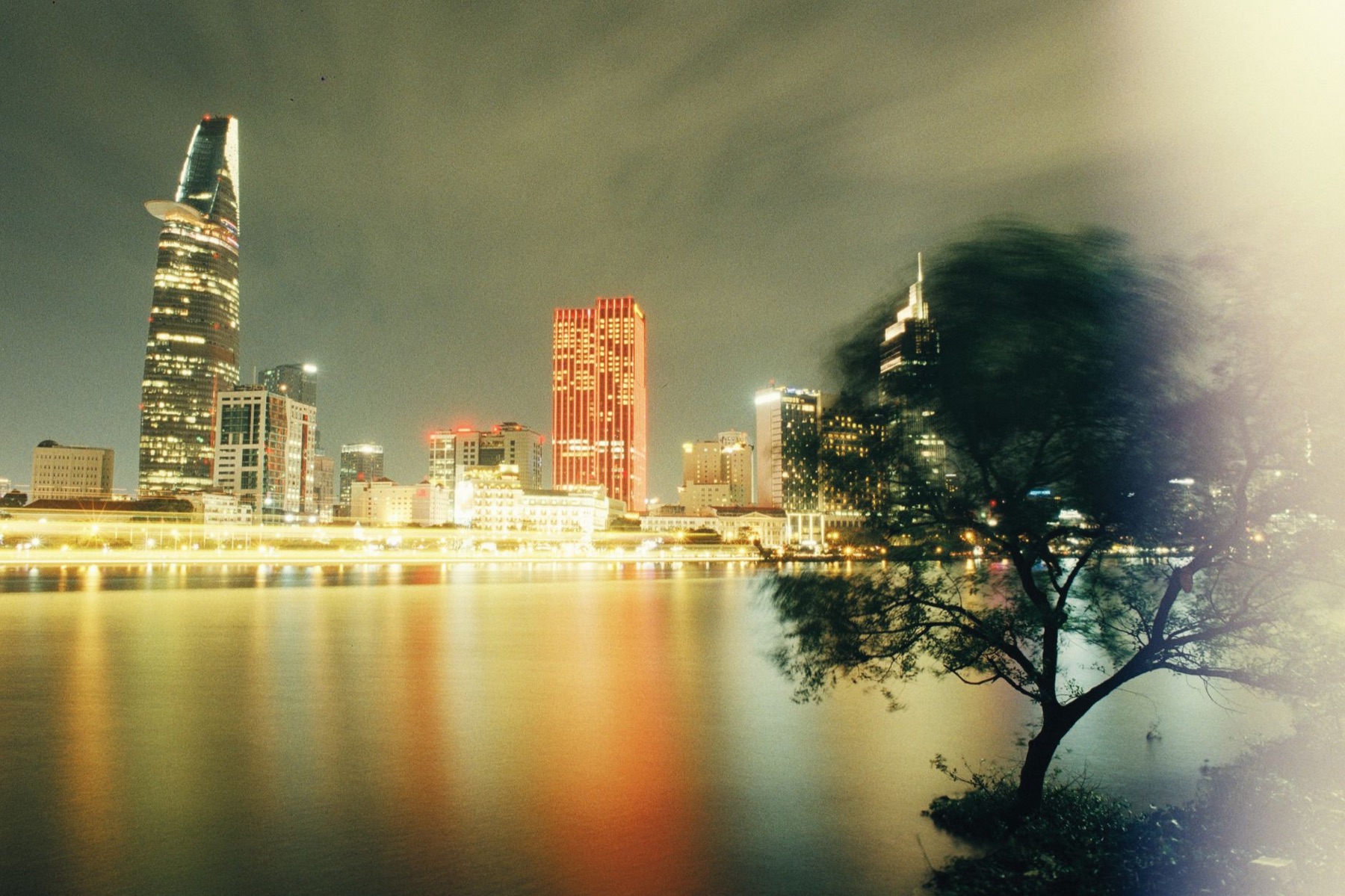
Overrated: Bitexco Financial Tower's viewing deck (around 200,000 VND) offers a mediocre skyline view. The building is visible from ground level; skip the admission and pocket the money for food.
Too Much Effort: Mekong Delta day tours from the city are 10–12 hours, crowded, and repetitive (floating markets, coconut workshops, snake-farm tourism). If you have time, stay overnight in Can Tho or Ben Tre instead (2–3 hours south) and explore at your own pace. Wander in Vietnam recommends this for serious travelers; tourists on tight schedules should skip it.
Weather Risk: Outdoor water sports (jet ski, banana boats) are technically possible in February but unnecessary—the novelty wears off fast and costs are inflated for tourists. Stick to cyclos, walking, and museums.
---
What to Check Before You Plan
- Book temples & museums by Jan 31 if traveling during Tet (Feb 17–24).
- Confirm museum hours online the day before; some close unexpectedly for maintenance.
- Carry a universal power adapter (Type A/C plugs common); Vietnamese outlets vary.
- Download offline maps (Google Maps or Maps.me); WiFi in some neighborhoods is patchy.
- Reserve accommodation by early January to avoid 50%+ price hikes during Tet week.
- Check Grab app ratings on drivers before accepting a ride; avoid 3-star or below.
---
Sample 3-Day February Itinerary
Day 1: War Remnants Museum (morning, 2 hrs) → Ben Thanh Market (11 a.m., 1.5 hrs) → Pham Ngu Lao lunch (45 min) → Ho Chi Minh Museum (afternoon, 90 min) → Temple of Jade Emperor (5 p.m., 30 min) → riverside café dinner.
Day 2: Bike rental → District 4 cycle (3–4 hrs) → street pho break (30 min) → Reunification Palace tour (1 hr) → Cholon exploration (afternoon, 2–3 hrs) → Thien Hau Temple → noodle dinner on Tran Hung Dao.
Day 3: Walking street (Nguyen Hue, morning, 1 hr) → craft shops in District 1 → ao dai try-on (photoshoot optional, 2 hrs) → final market browse or museum return → pack.
---
📸 Book an ao dai photoshoot in Hanoi or Saigon (Cáo Studio)
To deepen your Vietnam journey, explore Ho Chi Minh City's full guide or check out what February looks like in Hanoi, Hoi An, or Ha Long Bay. Comparing seasons? Build a custom itinerary that fits your dates and interests.
FAQ
Is February crowded in Ho Chi Minh City?
Not as much as December–January or July–August. Lunar New Year (Feb 18–20, 2026) brings higher crowds and inflated prices, but Feb 1–17 and Feb 21–28 are calm. Avoid the city Feb 17–19 if you hate throngs; Feb 20–24 is festive but manageable by afternoon.
Do I need an umbrella in February?
Rarely. Rainfall averages only 15–20 mm, but freak downpours happen. Carry a compact foldable umbrella to escape cafés if caught off-guard. Don't let rain fears change your plans; it's minimal.
What's the best market for souvenirs, not tourists?
Ben Thanh is unavoidable but touristy. Binh Tay Market in Cholon (District 5) is more local; vendors are hardened negotiators but prices are lower. Go early (7–8 a.m.) and solo to avoid being grouped with tour herds.
How much should I budget for food daily?
Street food and local restaurants: 100,000–150,000 VND (USD ~$4–6) daily. Mid-range restaurants: 200,000–400,000 VND per meal. Assume 300,000–500,000 VND per day for meals if eating well but not lavishly. Avoid tourist zones (Pham Ngu Lao's inflated menus) unless you're in a pinch.
Is Tet a good or bad time to visit?
Good: energy, decorations, local celebration. Bad: high prices, crowded temples, many shops closed Feb 17–19. If Tet fascinates you, come. If you want calm exploration, avoid Feb 17–24 and return Feb 25 onward.
Do I need to hire a tour guide?
No. Museums have plaques; markets are self-explanatory. Hire a guide (around 300,000–500,000 VND for half-day) only if you want war history context or Tet stories. Wander in Vietnam prefers independent exploration in February; the weather is forgiving.
FAQ
Is February crowded in Ho Chi Minh City?
Not as much as December–January or July–August. Lunar New Year (Feb 18–20, 2026) brings higher crowds and inflated prices, but Feb 1–17 and Feb 21–28 are calm. Avoid the city Feb 17–19 if you hate throngs; Feb 20–24 is festive but manageable by afternoon.
Do I need an umbrella in February?
Rarely. Rainfall averages only 15–20 mm, but freak downpours happen. Carry a compact foldable umbrella to escape cafés if caught off-guard. Don't let rain fears change your plans; it's minimal.
What's the best market for souvenirs, not tourists?
Ben Thanh is unavoidable but touristy. Binh Tay Market in Cholon (District 5) is more local; vendors are hardened negotiators but prices are lower. Go early (7–8 a.m.) and solo to avoid being grouped with tour herds.
How much should I budget for food daily?
Street food and local restaurants: 100,000–150,000 VND (USD ~$4–6) daily. Mid-range restaurants: 200,000–400,000 VND per meal. Assume 300,000–500,000 VND per day for meals if eating well but not lavishly. Avoid tourist zones (Pham Ngu Lao's inflated menus) unless you're in a pinch.
Is Tet a good or bad time to visit?
Good: energy, decorations, local celebration. Bad: high prices, crowded temples, many shops closed Feb 17–19. If Tet fascinates you, come. If you want calm exploration, avoid Feb 17–24 and return Feb 25 onward.
Do I need to hire a tour guide?
No. Museums have plaques; markets are self-explanatory. Hire a guide (around 300,000–500,000 VND for half-day) only if you want war history context or Tet stories. Wander in Vietnam prefers independent exploration in February; the weather is forgiving.
More: Ho Chi Minh City travel guide · Things to do in Ho Chi Minh City