Ha Long Bay · Itinerary
Ha Long Bay Cruise Itinerary: 2-Day & 3-Day Options for 2026
By Wander in Vietnam editorial team · Hanoi, Vietnam
Most Ha Long Bay cruises run 2 or 3 days, departing Halong City. A typical 2-day cruise costs around $80–$200 USD per person (VND 2,000,000–5,000,000); 3-day cruises run $150–$400 USD (VND 3,800,000–10,000,000). You'll visit limestone karsts, Sung Sot Cave, and Titop Island, with overnights on the water. Wander in Vietnam recommends mid-September to November or February to April for weather and fewer crowds.
What Exactly Happens on a Typical 2-Day Ha Long Bay Cruise?
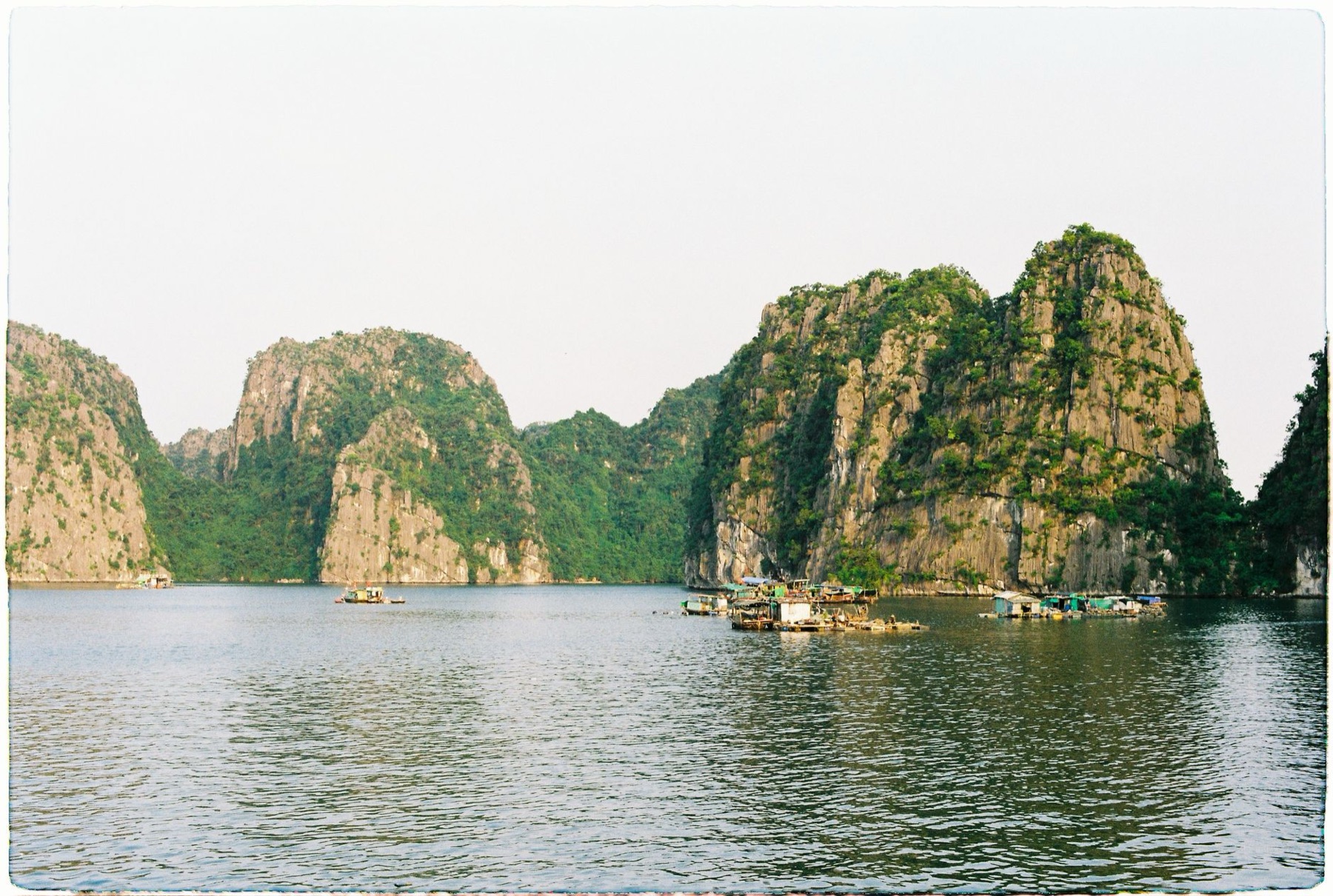
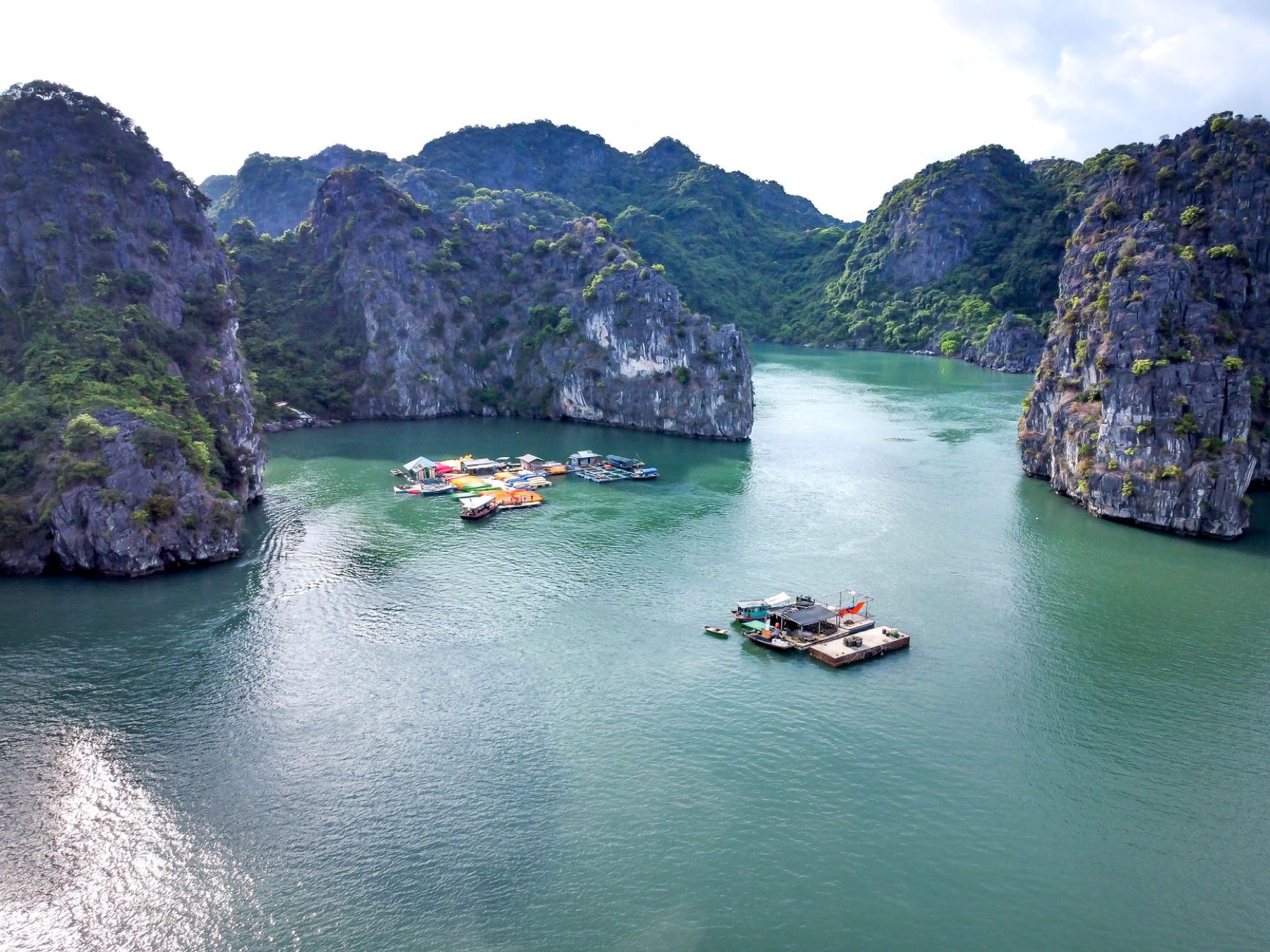
A 2-day cruise picks you up from Hanoi or Halong City hotels around 8–9 a.m., drives you to the port (usually Tuan Chau or Bai Chay), and you board by 11 a.m. Lunch is served on deck or in the dining room as you sail into the bay. Afternoon: visit Sung Sot Cave (entrance around VND 250,000 or $10 USD per person, not always included) or kayak near floating villages. Dinner on deck; overnight in a cabin. Day two: sunrise tai chi or swimming, breakfast, visits to Titop Island or a pearl farm, late lunch, return to port by 4–5 p.m. You're back in Hanoi by 8–9 p.m. It's fast but lets you see the main attractions without feeling rushed.
How Do 3-Day Cruises Differ and Who Should Pick One?
Three-day cruises add a full extra day exploring deeper into the bay, often visiting less crowded areas like Lan Ha Bay or Cat Ba Island. You get two nights on the water, more time for water activities (kayaking, swimming, fishing), and a less frenetic pace. Breakfast is often later; some cruises include visits to local markets or cooking classes. If you're prone to motion sickness or want to genuinely relax rather than tick boxes, the extra night is worth it. Families with children under 10 and older travelers (60+) often report better satisfaction with 3-day options because there's less pressure to wake early or rush between sites.
What's the Real Cost Breakdown and What's Hidden?
Base pricing (around $80–$400 USD, depending on cruise class and length) typically includes transportation from your hotel, meals, one cabin night (or two on 3-day cruises), and basic activities. Cave entrance fees are sometimes extra (VND 250,000–400,000 per site, roughly $10–$16 USD). Kayaking or speedboat add-ons run VND 500,000–1,000,000 (around $20–$40 USD). Alcohol, coffee, spa treatments, and photos cost extra. Tips for staff aren't mandatory in Vietnam, but VND 50,000–100,000 per night (around $2–$4 USD) is customary. Visa and travel insurance are not included—check our Vietnam e-visa guide for entry requirements. Most reputable operators offer free cancellation up to 7–14 days before departure; read the fine print.
🗺️ Plan your route: Vietnam itinerary
Best Months to Book and Why Weather Matters More Than Season
September to November brings dry, cooler weather (22–28°C), fewer tourists post-summer, and excellent visibility for photography. February to April is similar: calm seas, clear skies, fewer crowds than December. Avoid May to August: monsoon rains, rough seas, high humidity, and prices spike during summer holidays. December to January is dry but packed with tour groups and families; prices rise 20–40%. October is our pick for balance—pleasant weather, manageable crowds, and calmer water for swimming and kayaking. Check the 10-day forecast before booking; unexpected rain shuts down kayaking and cave visits.
How to Compare Cruise Types: Junk, Catamaran, or Budget Speedboat?
| Vessel Type | Best For | Per-Person Cost (USD) | Cabin Style | Stability | Meals |
|---|---|---|---|---|---|
| Traditional junk | Romance, photos, groups | $120–$300 | Shared cabin, porthole | Moderate | 3 daily, local cuisine |
| Catamaran | Families, comfort-seekers | $100–$250 | Private ensuite, balcony | High (steady) | 3 daily, Western options |
| Speedboat/budget | Backpackers, quick fix | $60–$120 | Dorm or basic private | Rough seas possible | Lunch/dinner basic |
| Luxury junk | Couples, splurge travelers | $250–$500+ | Suite, AC, hot shower | Good | Upscale, multicourse |
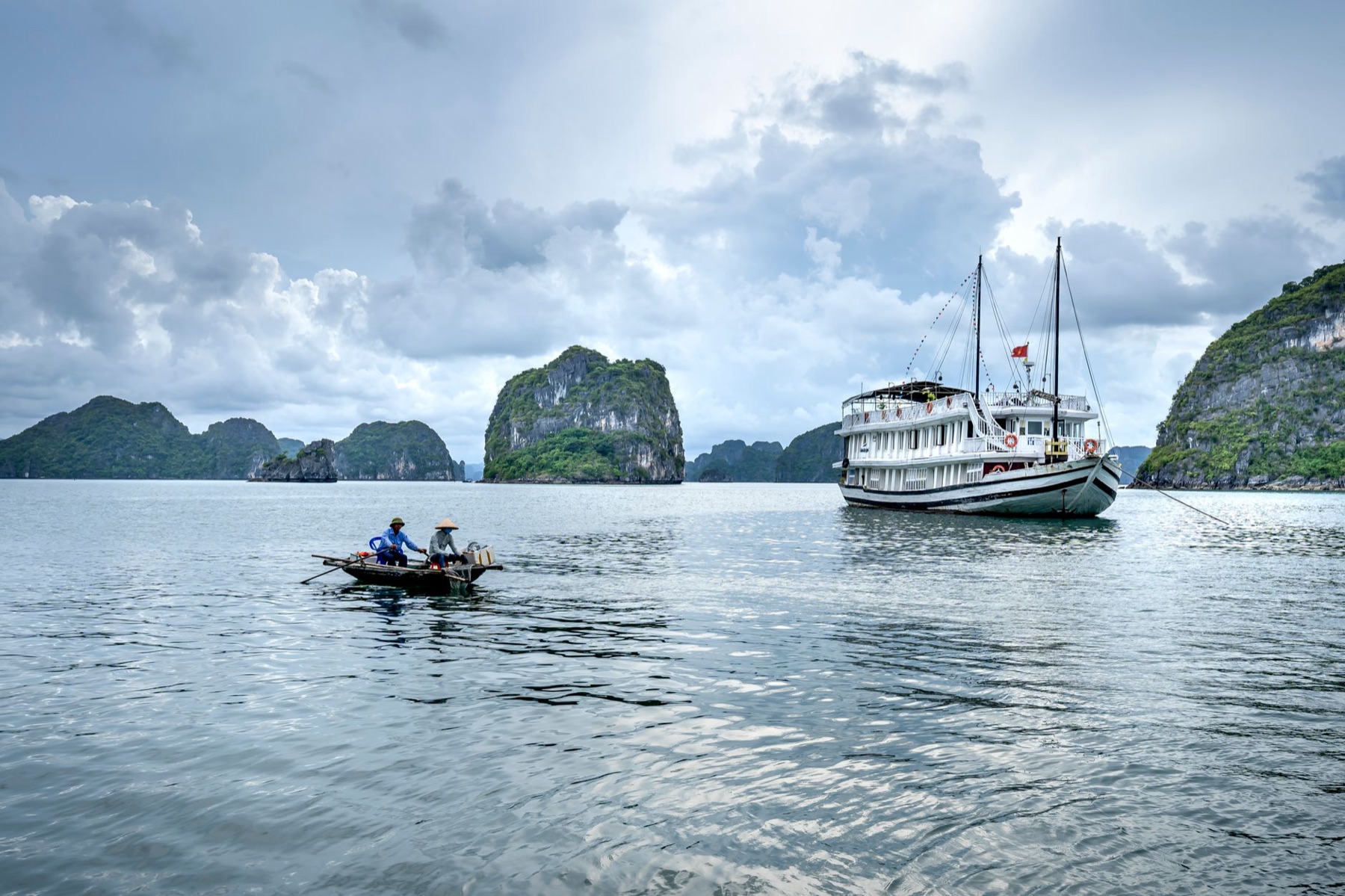
Most tourists pick a traditional wooden junk (it's what Ha Long Bay is famous for) or a modern catamaran (more stable, less motion sickness). Budget speedboats are cheap but loud, prone to overcrowding, and rough in choppy water; they're only good if you have one day and don't care about comfort. Luxury junks feel slower but offer better service, smaller groups, and curated itineraries; they book out 3–4 weeks ahead in peak season.
🎟️ Compare tours & tickets for this place
Red Flags: What to Avoid When Booking a Ha Long Bay Cruise
Booking direct through a travel agency in your home country means you're paying a 30–50% markup; book with a Vietnam-based operator instead. Overly cheap deals (under $60 USD for 2 days) often pack 100+ tourists on one boat, cut corners on food, or rush you to overpriced souvenir stops. No cancellation policy is a red flag; reputable operators allow 7–14 days free cancellation. Promises of "private" caves or "nobody else there" are lies—Sung Sot Cave gets 1,000+ daily visitors in season. Pay-by-cash-only operators lack proper licensing; use credit card or bank transfer so you have a record. "Floating village tours" that feel exploitative (photographing residents without permission, child begging tours) are worth skipping; stick to reputable operators or skip this stop entirely. Check TripAdvisor or local Vietnam travel blogs for recent complaints about specific boats; many operators rotate vessel names or sell under multiple brands.
Most reputable 3-4 star cruises publish their itineraries online, include photos of actual cabins, and have English-speaking staff. If a booking site won't show you a cabin photo or itinerary, walk away.
📸 Book an ao dai photoshoot in Hanoi or Saigon (Cáo Studio)
How to Build Your Complete Ha Long Bay Trip
A 2-day cruise works best as an add-on to a longer Hanoi trip. Fly or book a bus from Hanoi to Halong City (3–4 hours), do the cruise, and return. If you have 5+ days in the north, consider pairing it with a side trip to Ninh Binh (2 hours south of Hanoi) for cave tours and rice paddies, or Sapa (10 hours northwest of Hanoi, fly from Hanoi to Lao Cai) for mountain trekking. Hanoi itself needs 2–3 days minimum to see the Old Quarter, Hoan Kiem Lake, and museums. Start your trip planning at our Vietnam itinerary guide, then drill into our Ha Long Bay guide for neighborhood maps and restaurant tips.
Cruises depart daily year-round, but booking 1–2 weeks ahead in shoulder season (Sept–Oct, March–April) ensures good cabins and no overcrowding. In December–January or July, book 3–4 weeks ahead or accept budget speedboats.
What to Pack and Bring Along
Essentials: Motion sickness tablets (if you're prone), sunscreen (SPF 50+), hat, quick-dry clothes, swimsuit, light rain jacket. Nice to have: Underwater camera or GoPro for kayaking, snorkel gear (some operators lend these), book or e-reader, portable power bank. Don't bother: Heavy luggage (most boats have small cabins), formal clothes, expensive jewelry. Your phone will struggle without a local SIM or eSIM—grab one in Hanoi before leaving; see our eSIM for Vietnam guide for options.
Bring VND cash for tips, cave entrance fees, and souvenirs; ATMs in Halong City exist but lines are long during cruise peak hours. Motion sickness is real on speedboats and in rough seas; take tablets before boarding, sit amidships (center of the boat), and avoid the cabin during choppy hours.
What to Check Before You Book: A Honest Checklist
- ☐ Confirm exact departure date, time, and hotel pickup address in writing.
- ☐ Ask whether cave entrance fees, kayaking, and activities are included or extra.
- ☐ Request cabin photos and confirm cabin type (private vs. shared, window yes/no).
- ☐ Check cancellation policy: free up to how many days before?
- ☐ Verify meal times and dietary accommodations (vegetarian, nut allergy, etc.) in advance.
- ☐ Confirm English-speaking guide; many budget cruises only have Vietnamese guides.
- ☐ Ask for recent guest reviews or contact info of past customers.
- ☐ Check weather forecast 5 days before and reschedule if monsoon warning issued.
- ☐ Book via credit card or bank transfer, not cash, for a paper trail.
- ☐ Confirm your hotel address and phone number so the operator can reach you if plans change.
Most cancellations happen because travelers overestimate their motion sickness tolerance or pick a date too close to poor weather. Book at least 7 days ahead so you have a buffer.
🎟️ Compare tours & tickets for this place
Why Overnight on the Water Beats Day Trips
A day trip from Hanoi (bus 3.5 hours each way) leaves you exhausted and shortens your actual bay time to 4–5 hours. An overnight cruise lets you wake on the water, swim at sunrise, and watch the karsts change color through the day. You sleep on the boat, miss Hanoi traffic both ways, and experience the bay as locals do—quieter and less touristy in early morning and evening. If you're only visiting northern Vietnam, a 2-day cruise is non-negotiable. If you have a week or more, add the 3-day option and skip a second city; Ha Long Bay is singular and worth slow exploration.
---
FAQ
Is Ha Long Bay worth it, or is it overhyped?
Yes and no. The landscape is stunning and UNESCO-listed for good reason. But crowds, kitsch souvenir stops, and floating-village exploitation feel inauthentic. Pick a reputable 3-star+ operator, avoid December–January peak, and book early morning activities. The experience is worth 2–3 days; don't expect a remote paradise.
How bad is seasickness on a Ha Long Bay cruise?
Moderate in calm season (Sept–Nov, Feb–Apr) on junks and catamarans; severe on speedboats or in summer. Take motion sickness tablets 30 minutes before boarding, sit amidships, eat light, and stay on deck if nauseous. If you're highly prone, splurge on a catamaran or pick Lan Ha Bay (calmer water) instead of the main bay.
Can I do Ha Long Bay as a day trip from Hanoi?
Technically yes, but no. You lose 7 hours to driving. You'd have 4–5 hours in the bay, miss sunrise and nightfall, and return exhausted. An overnight stay triples the experience quality. If time is short, pick a Ninh Binh day tour instead (45 minutes from Hanoi).
What's included in the cruise price and what costs extra?
Included: transport, cabin, meals (3 daily), basic activities like visits to caves or islands. Extra: cave entrance (VND 250,000–400,000), kayaking (VND 500,000–1,000,000), drinks, spa, guide tips. Read your booking confirmation to confirm the exact inclusions.
Which month is best for Ha Long Bay?
October or March–April. October has dry weather, calm seas, fewer tourists than December, and photography light is perfect. Avoid May–August (rain, heat, rough seas) and December–January (crowds, high prices). February is also good but cooler and sometimes windy.
Do I need to pre-book or can I show up in Halong City and find a cruise?
Pre-booking 1–2 weeks ahead is safer and cheaper. Last-minute bookings in peak season force you into budget speedboats or sold-out dates. In shoulder season (Sept–Oct), 3–5 days ahead works. Never book the day you arrive; travel delays happen and you'll miss the boat literally.
Is it safe to drink water and eat food on the boat?
Yes, on reputable cruises (3–4 stars). Water is boiled or bottled; meals are cooked fresh daily. Budget speedboats cut corners—stick to bottled water and avoid raw vegetables if you have a weak stomach. Ask your operator's hygiene standards before booking.
FAQ
Is Ha Long Bay worth it, or is it overhyped?
Yes and no. The landscape is stunning and UNESCO-listed for good reason. But crowds, kitsch souvenir stops, and floating-village exploitation feel inauthentic. Pick a reputable 3-star+ operator, avoid December–January peak, and book early morning activities. The experience is worth 2–3 days; don't expect a remote paradise.
How bad is seasickness on a Ha Long Bay cruise?
Moderate in calm season (Sept–Nov, Feb–Apr) on junks and catamarans; severe on speedboats or in summer. Take motion sickness tablets 30 minutes before boarding, sit amidships, eat light, and stay on deck if nauseous. If you're highly prone, splurge on a catamaran or pick Lan Ha Bay (calmer water) instead of the main bay.
Can I do Ha Long Bay as a day trip from Hanoi?
Technically yes, but no. You lose 7 hours to driving. You'd have 4–5 hours in the bay, miss sunrise and nightfall, and return exhausted. An overnight stay triples the experience quality. If time is short, pick a Ninh Binh day tour instead (45 minutes from Hanoi).
What's included in the cruise price and what costs extra?
Included: transport, cabin, meals (3 daily), basic activities like visits to caves or islands. Extra: cave entrance (VND 250,000–400,000), kayaking (VND 500,000–1,000,000), drinks, spa, guide tips. Read your booking confirmation to confirm the exact inclusions.
Which month is best for Ha Long Bay?
October or March–April. October has dry weather, calm seas, fewer tourists than December, and photography light is perfect. Avoid May–August (rain, heat, rough seas) and December–January (crowds, high prices). February is also good but cooler and sometimes windy.
Do I need to pre-book or can I show up in Halong City and find a cruise?
Pre-booking 1–2 weeks ahead is safer and cheaper. Last-minute bookings in peak season force you into budget speedboats or sold-out dates. In shoulder season (Sept–Oct), 3–5 days ahead works. Never book the day you arrive; travel delays happen and you'll miss the boat literally.
Is it safe to drink water and eat food on the boat?
Yes, on reputable cruises (3–4 stars). Water is boiled or bottled; meals are cooked fresh daily. Budget speedboats cut corners—stick to bottled water and avoid raw vegetables if you have a weak stomach. Ask your operator's hygiene standards before booking.
More: Ha Long Bay travel guide · Ha Long Bay itinerary: 1, 2, 3 days