Hanoi · Food
Hanoi Night Food Market: What to Buy, Where, and How Much
By Wander in Vietnam editorial team · Hanoi, Vietnam
Hanoi's night food markets—chiefly around Tran Quang Khai (Old Quarter) and Ta Hien Street, plus seasonal pop-ups in Dong Xuan market—sell fresh produce, street-ready snacks, dried seafood, spices, and gift-ready condiments from around 17:00 onwards. Prices for cooked food range 20,000–80,000 VND ($0.80–$3.20); packaged goods cost 30,000–150,000 VND ($1.20–$6). Wander in Vietnam recommends arriving after 18:00 when stalls peak, bringing small notes, and skipping overly crowded tourist rows on Ta Hien.
Which Hanoi night markets are actually worth visiting?
The Old Quarter's Tran Quang Khai runs nightly, popular with locals buying dinner and bulk spices. Dong Xuan—the covered wholesale market in Hoan Kiem—opens food stalls from 18:00 especially weekends. Ta Hien Street's night bazaar leans tourist-heavy but has some authentic vendors mixed in. Best bet: combine Tran Quang Khai for authenticity and Dong Xuan for quality control and variety in one roof.
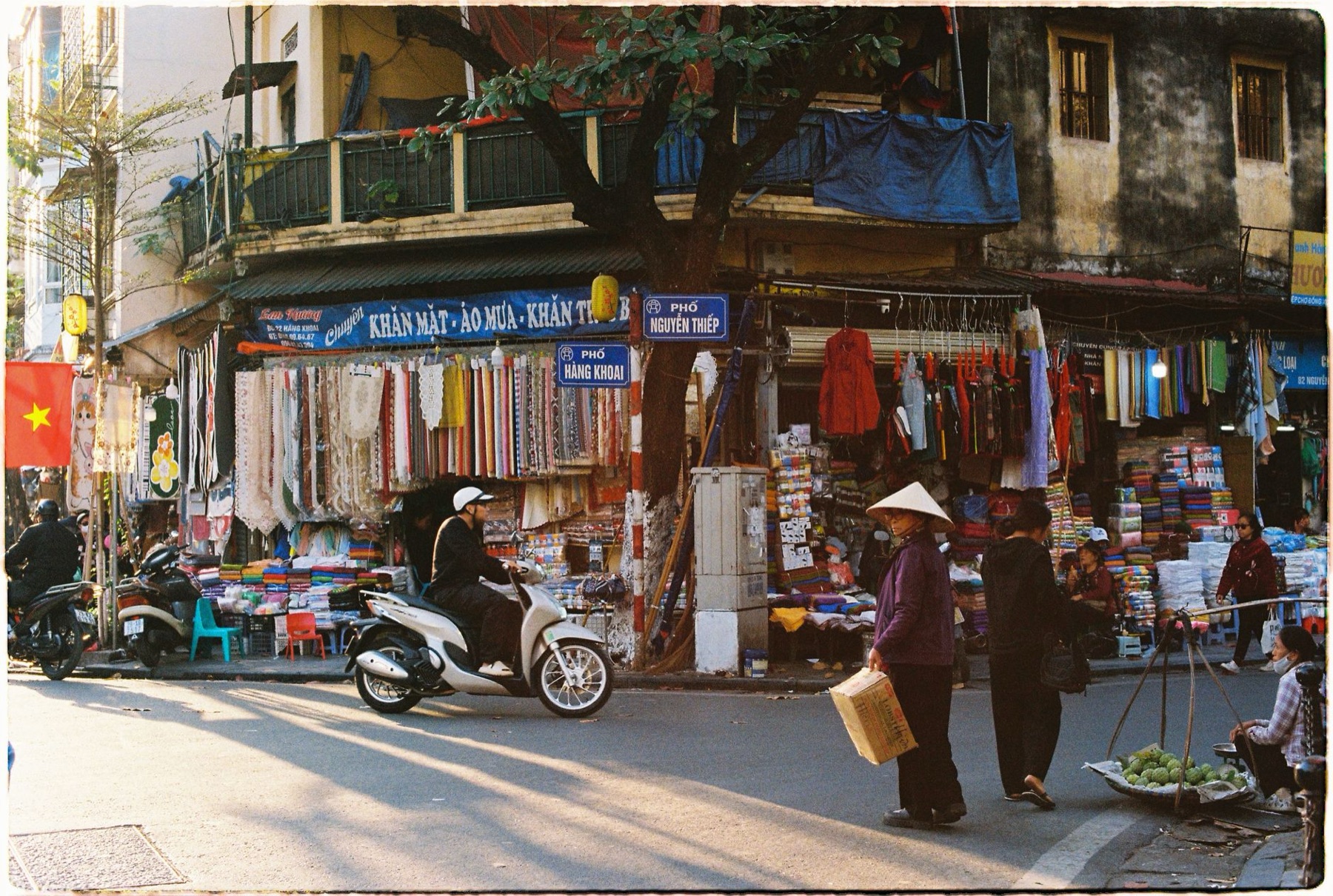
What types of products can you actually buy at night markets?
Fresh & Cooked: Grilled meats (nem nuong), spring rolls, banh mi, com tam (broken rice), pho, and egg coffee stalls set up along sidewalks. Dried Goods & Spices: Star anise, cinnamon, turmeric, dried chili, and shrimp paste in bulk bags. Packaged Gifts: Instant coffee, rice crackers, dried fruit, honey, and fish sauce in tourism-friendly bottles. Produce: Leafy greens, tropical fruit, and herbs sell cheap in bulk after 20:00 as vendors clear stock.
📸 Book an ao dai photoshoot in Hanoi or Saigon (Cáo Studio)
How much should you expect to spend, and what's a fair price?
| Item | Typical Price | USD Equiv. | Who it's for | Red flags |
|---|---|---|---|---|
| Grilled skewer (5 sticks) | 20,000–40,000 VND | $0.80–$1.60 | Lunch/dinner eaters | Charred beyond recognition |
| Spring roll (5 pc) | 25,000–50,000 VND | $1.00–$2.00 | Quick snack shoppers | Soggy, cold, no dipping sauce |
| Bulk spice bag (star anise, 200g) | 40,000–80,000 VND | $1.60–$3.20 | Home cooks, gift-givers | Dusty, clumped, no label |
| Packaged coffee (instant, 100g) | 60,000–150,000 VND | $2.40–$6.00 | Souvenir buyers | No expiry date visible; generic label |
| Dried fish snack (100g bag) | 50,000–120,000 VND | $2.00–$4.80 | Gift-takers, snackers | Overly salty, broken pieces |
| Fresh herbs bundle (basil, mint) | 10,000–20,000 VND | $0.40–$0.80 | Cooks for immediate use | Wilted, bruised leaves |
Negotiation is standard for bulk buys (3+ bags) but less common for ready-to-eat. Never accept the first price if buying more than 2 items from the same stall.
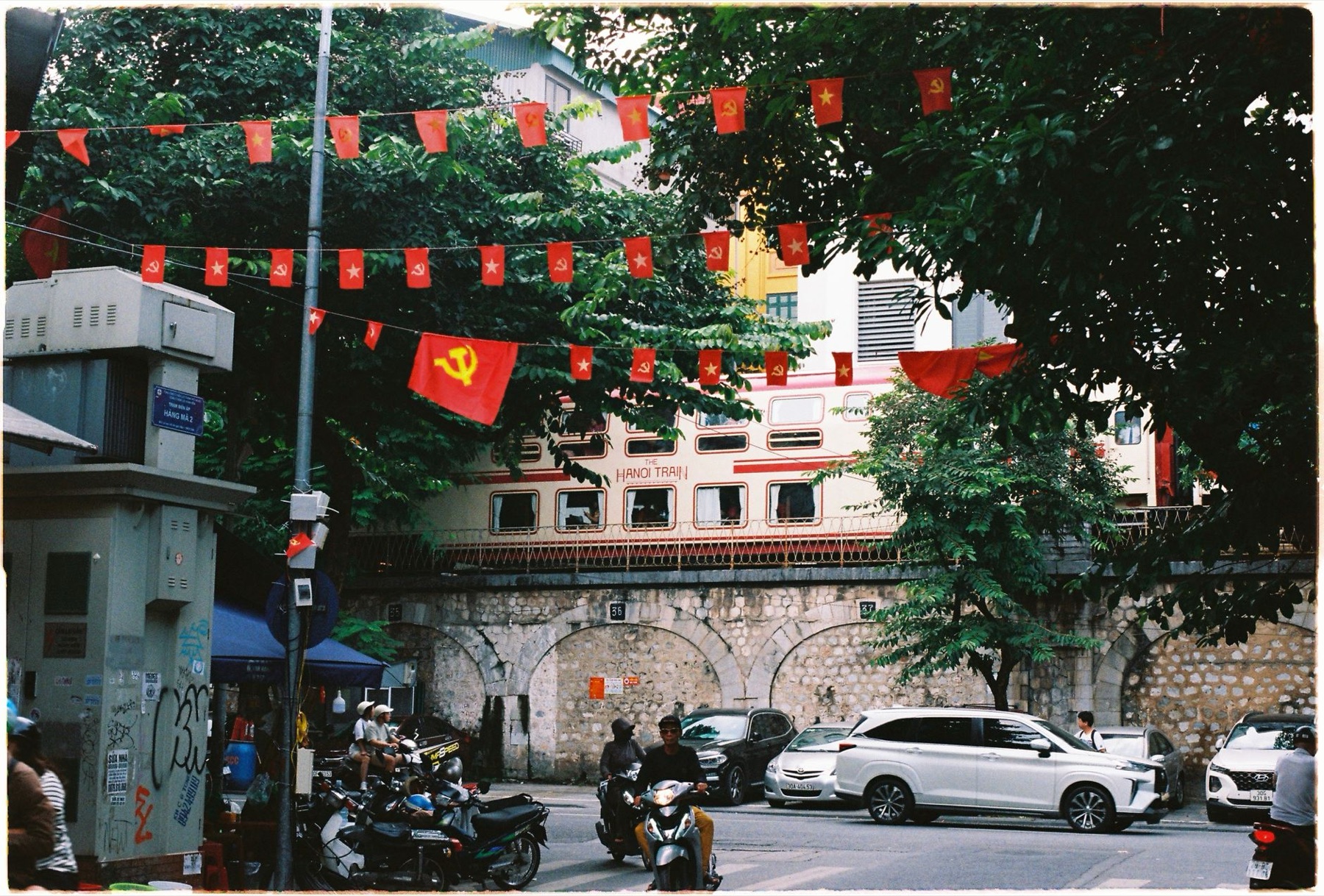
Which night market neighborhoods are safest and most authentic?
Tran Quang Khai (Hoan Kiem District): Runs nightly, locals buying groceries, minimal tourist markup. Arrive 18:30–21:00. Few pickpocket scams if you keep valuables zipped. Dong Xuan (Hoan Kiem): Wholesale market with food wing; cleaner, organized stalls, better quality control. Weekends liveliest. Closed Mondays. Ta Hien Street (Hoan Kiem): Tourist-facing; prices 15–30% higher. Avoid if seeking "real Hanoi"—go if you want photos and English speakers. Avoid: unlicensed stalls in narrow alleys; no health certification visible; food sitting uncovered for hours in heat. Stick to markets where locals actually eat.
🗺️ Plan your route: Vietnam itinerary
What to check before you order or buy packaged goods?
- Expiry & Storage: Pick up packaged items (coffee, spice, snacks) and check for a printed date. If none visible, ask vendor; avoid anything over 6 months old or stored in direct sun.
- Visual Inspection: Spice bags should be sealed and dry; coffee should smell fresh (not stale/musty); dried fish should look intact, not powdered.
- Quantity & Weight: Ask for grams if buying loose (chili, star anise); bring a scale or phone scale app to verify. Vendors often under-bag by 10–15%.
- Vendor Setup: Avoid stalls with no trash bin, no water for rinsing hands, or raw & cooked foods mixed on same surface.
- Language: Use Google Translate for ingredient lists on packaged goods. Some labels are faded; ask for batch numbers if buying gifts.
- Cold Chain: Ready-to-eat (com tam, pho) must be kept hot or freshly made. Skip cold rice sitting in open bowls.
- Small Change: Vendors often "forget" to give correct change. Count notes openly and in Vietnamese (if you can: hai muoi = 20,000, ba muoi = 30,000).
🎟️ Compare tours & tickets for this place
How to avoid common scams and rip-offs at Hanoi night markets.
Overcharging tourists: Vendors quote 100,000 VND for a meal that locals pay 50,000. Solution: watch a local order first, note the price aloud. Reuse cups for drinks: Some egg coffee stalls rinse cups in water that looks murky. Bring your own or buy sealed bottles. Mixing old & new spice: Bulk spice sellers sometimes top fresh bags with older stock underneath. Open and inspect the whole bag. Fake branded snacks: Packaged coffee or instant pho labeled as premium brands but clearly counterfeit (blurry printing, wrong colors). Buy from vendors with official packaging and tax stamps. Excessive "free samples": Not actually free; vendors expect you to buy. Politely decline or budget for the guilt purchase.
Hanoi's night markets are genuinely rewarding if you go with realistic expectations: they're loud, crowded, and require 15 minutes of bargaining for bulk items. First-timers should allow 1.5–2 hours to walk, eat, and buy without rushing. Bring a small daypack (not a backpack), keep your phone charged for translation, and wear slip-on shoes for quick stall entry.
Ready to explore Hanoi's main neighborhoods and dining scene? Or compare this against other Vietnam destinations—Ho Chi Minh City's markets, Hoi An's night bazaars, or Sapa's hill-tribe food. If you're documenting your food journey, book a professional ao dai photoshoot in Hanoi to capture memories with local flavor.
For gift-ready spices and packaged goods, explore our curated condiments & gift sets collection or artisan tea & coffee collection. If you're shipping home, our Vietnam gourmet gift bundles arrive in 5–10 days within the US.
FAQ
Is it safe to eat street food at Hanoi night markets?
Yes, if the stall is busy (high turnover), food is hot, and the vendor handles money and food separately. Avoid dishes sitting cold for hours or food prepared in visibly dirty conditions. Stomach issues are rare if you stick to cooked items and established stalls.
What's the best time to visit a Hanoi night market?
18:30–21:00, when stalls peak, food is fresh, and crowds haven't become chaotic. Earlier (before 18:00) means limited selection; after 22:00, vendors start packing up and quality drops.
Can I haggle prices at Hanoi night markets?
Yes, for bulk purchases (3+ items from same vendor). Expect 10–15% off. Ready-to-eat dishes and single items are fixed price; haggling looks bad and wastes time. Cash (small notes) is mandatory.
Are English speakers available at night markets?
Tran Quang Khai and Dong Xuan have some bilingual vendors, especially on weekends. Ta Hien Street vendors speak more English. Use Google Translate for menus and ingredient questions; learn basic numbers (co, hai, ba) in Vietnamese.
What souvenirs from night markets are worth buying and shipping?
Star anise, turmeric, instant coffee, and rice crackers age well and pack flat. Skip fresh herbs, meat, or anything unpasteurized. Sealed packages with printed dates travel safely; our Vietnam gourmet gift collection offers vetted, shelf-stable alternatives if packing is difficult.
How do I know if packaged spices or coffee are authentic?
Check for printed Vietnamese text, a tax stamp, and a legible expiry date. Scan labels with your phone camera to verify against producer websites if suspicious. Bulk loose spice has no certification; buy only from high-volume stalls where locals shop. Stick to recognized brands (Trung Nguyen for coffee, local brands like Hung Thanh for spice) if authenticity is critical.
FAQ
Is it safe to eat street food at Hanoi night markets?
Yes, if the stall is busy (high turnover), food is hot, and the vendor handles money and food separately. Avoid dishes sitting cold for hours or food prepared in visibly dirty conditions. Stomach issues are rare if you stick to cooked items and established stalls.
What's the best time to visit a Hanoi night market?
18:30–21:00, when stalls peak, food is fresh, and crowds haven't become chaotic. Earlier (before 18:00) means limited selection; after 22:00, vendors start packing up and quality drops.
Can I haggle prices at Hanoi night markets?
Yes, for bulk purchases (3+ items from same vendor). Expect 10–15% off. Ready-to-eat dishes and single items are fixed price; haggling looks bad and wastes time. Cash (small notes) is mandatory.
Are English speakers available at night markets?
Tran Quang Khai and Dong Xuan have some bilingual vendors, especially on weekends. Ta Hien Street vendors speak more English. Use Google Translate for menus and ingredient questions; learn basic numbers (co, hai, ba) in Vietnamese.
What souvenirs from night markets are worth buying and shipping?
Star anise, turmeric, instant coffee, and rice crackers age well and pack flat. Skip fresh herbs, meat, or anything unpasteurized. Sealed packages with printed dates travel safely; our [Vietnam gourmet gift collection](/collections/vietnam-gift) offers vetted, shelf-stable alternatives if packing is difficult.
How do I know if packaged spices or coffee are authentic?
Check for printed Vietnamese text, a tax stamp, and a legible expiry date. Scan labels with your phone camera to verify against producer websites if suspicious. Bulk loose spice has no certification; buy only from high-volume stalls where locals shop. Stick to recognized brands (Trung Nguyen for coffee, local brands like Hung Thanh for spice) if authenticity is critical.