Ho Chi Minh City · Itinerary
Ho Chi Minh City 5 Day Itinerary: Walking Routes & Real Costs
By Wander in Vietnam editorial team · Hanoi, Vietnam
What should a first-time visitor actually see in 5 days?
Most travellers pack too much. Five days isn't enough to race across museums, markets, and tunnels while staying sane. The sweet spot: two days exploring the central colonial core and riverfront (Districts 1 and 4), one full day on the Cu Chi Tunnels, one day market-walking and street-food grazing, and one buffer day for sleeping, resting, or deeper neighbourhood immersion. This pacing lets you absorb the city's pace instead of exhausting yourself.
🗺️ Plan your route: Vietnam itinerary
Day 1: Colonial Centre & Riverfront – How do you navigate without getting lost?
Start at the War Remnants Museum (District 1, open daily 07:30–17:00, entry around 40,000 VND / ~$1.60 USD). Arrive early; crowds hit by 10:00 AM. The building itself—a 1960s French colonial structure—matters as much as the exhibits. Don't rush; read the captions. Exit onto Vo Van Tan Street and walk south toward the Saigon River.
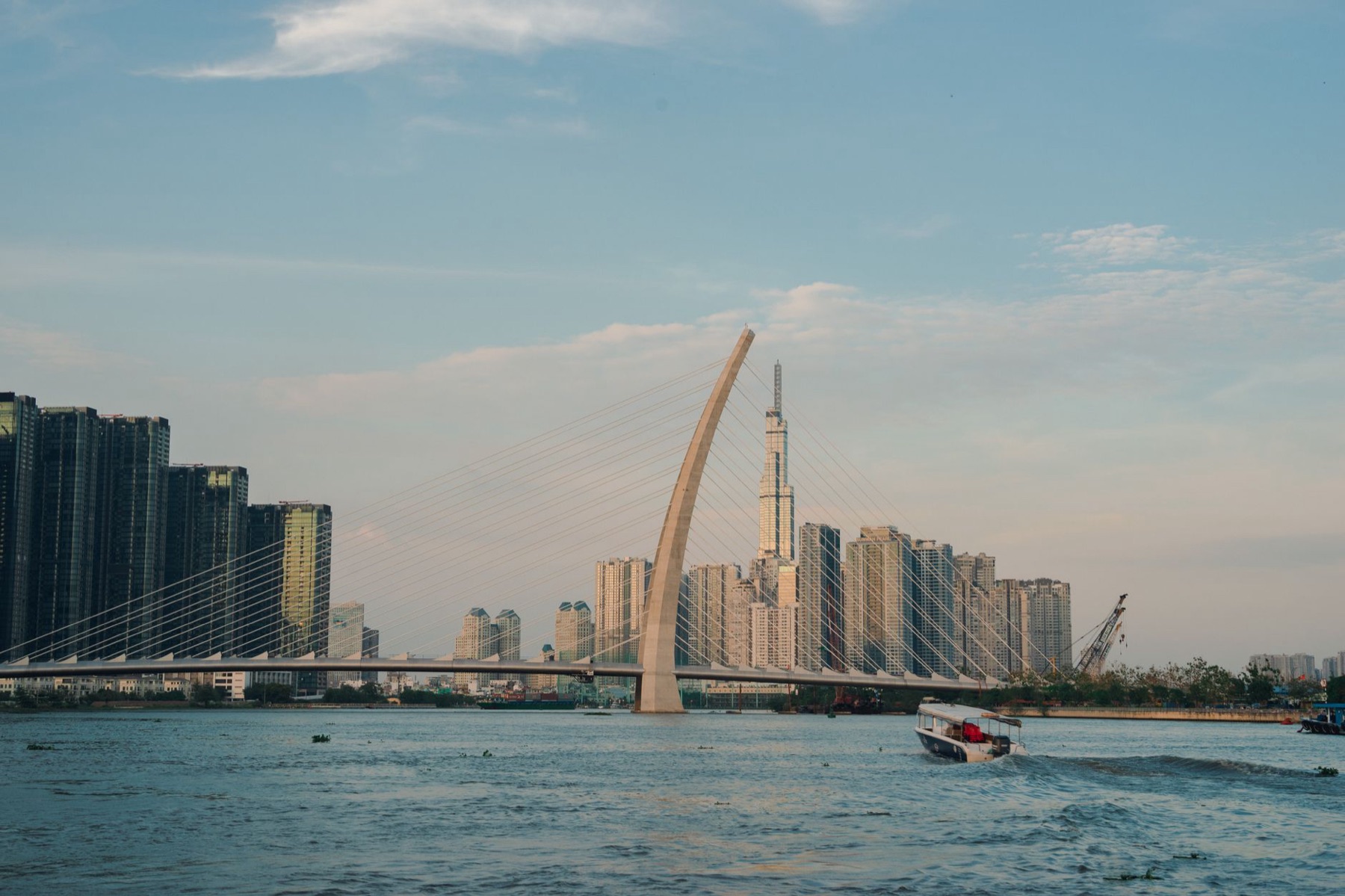
Lunch at a local pho or bánh mì stall near the museum (expect 30,000–60,000 VND / ~$1.20–$2.40 USD). Afternoon: walk the Saigon Riverside Park (Công viên Bình San), a 2 km stretch with soft benches, locals jogging, and floating gardens. Stop at Nguyen Hue Walking Street (closed to traffic daily 19:00–22:00), a pedestrianised boulevard lined with cafés and fountains. It's touristy but genuinely pleasant at dusk. Evening: dinner in District 4 (An Phu area) on the opposite riverbank. Cross via Saigon Bridge or cycle via the faster Thu Thiem Bridge if you're mobile.
Budget for Day 1: museum entry + 2 meals + local transport (grab/walk) = around 150,000–250,000 VND (~$6–$10 USD).
Day 2: Markets, Chinese District & Street Food – Where do locals actually eat?
Ben Thanh Market (District 1, open daily 06:00–20:00) is a must, but go at 07:00 to see vendors setting up and locals buying breakfast. Ignore the tourist stalls; head to the fabric section upstairs and the produce wings on the east side. Prices are half what you'll pay at night-market tourist traps.
Walk north into District 5 (Chinese District / Cholon). The streets are chaotic—that's the point. Binh Tay Market (Nguyen Hue Street, District 5, open 06:00–18:00) feels less staged; vendors sell dried goods, spices, and produce at wholesale volumes. Grab a bánh chưng (square sticky-rice cake) or bánh bao (steamed pork bun) from stalls outside for breakfast—expect 15,000–25,000 VND (~$0.60–$1 USD).
Lunch: find a plastic-stool phở stall in the backstreets of District 5 (walk around Tran Hung Dao or Ngo Duc Ke). You'll sit with locals, not tourists. Around 40,000 VND (~$1.60 USD) for a huge bowl. Afternoon: rest at a café or visit Thien Hau Temple (176 Nguyen Cong Tru, District 5), an active Buddhist temple with incense and locals praying—no tourist crowds, genuine and calm.
Evening: cab to District 1 and explore a laneway market or street-food hub (Bui Vien Street has grilled skewers, fresh sugarcane juice for 15,000 VND / ~$0.60 USD, and snail stalls).
Budget for Day 2: meals (~120,000 VND), transport, temple entry (free) = around 150,000–200,000 VND (~$6–$8 USD).
📸 Book an ao dai photoshoot in Hanoi or Saigon (Cáo Studio)
Day 3: Cu Chi Tunnels – Is the full-day tour worth it or a tourist trap?
The Cu Chi Tunnels (Binh Dinh Hamlet, 40 km northwest, open 07:30–17:00) is a half-day or full-day excursion from Ho Chi Minh City. Tunnels were dug by the Viet Cong during the war; some are now open to tourists, others are maintained historical sites.
Fair comparison:
| Tour Type | Duration | Price Guess | Crowding | Authenticity |
|---|---|---|---|---|
| Organised group tour | 4–5 hrs | ~$12–25 USD | High | Medium (guides use scripts) |
| Smaller tour operator | 5–6 hrs | ~$15–30 USD | Medium | Medium–High (better stories) |
| Private driver + entry | 6–8 hrs | ~$40–60 USD | Low | High (you set the pace) |
| Skip it entirely | — | — | N/A | N/A |
We lean toward hiring a private driver via Grab for the day (expect around 800,000–1,000,000 VND / ~$32–$40 USD for 8 hours) and buying entry yourself (around 110,000 VND / ~$4.40 USD). You avoid pre-recorded commentary, eat when you're hungry, and duck out if you're bored.
Real tips: Wear proper trainers (muddy, narrow passages); bring water; go early (by 08:00) to dodge coach groups; the tunnels are cramped and not for claustrophobes.
Budget for Day 3: private driver + entry + lunch = around 1,000,000–1,300,000 VND (~$40–$52 USD).
Day 4: Neighbourhoods & Museum Deep-Dive – What do skip and what's worth time?
Pick one of these based on interest:
Option A: War History Deep-Dive Spend 3–4 hours at the War Remnants Museum (you'll catch what you missed on Day 1). Then visit the Independence Palace (Reunification Palace, District 1, entry around 50,000 VND / ~$2 USD, guided tours 30–45 min). It's a striking 1960s presidential building; many tours are in Vietnamese or Mandarin, so check the English schedule first.
Option B: Art & Café Culture Walk through Tao Đàn Park (District 1), a tree-lined space where locals practise tai chi and teenagers paint. Nearby: fine-art galleries around Nguyen Hue and Mac Dinh Chi streets. Pop into coffee shops (try a cà phê trứng—egg coffee—around 40,000 VND / ~$1.60 USD) and sit for an hour. This isn't efficient tourism; it's how you actually live in the city.
Option C: Street Art & Graffiti Quarter Explore the backstreets near Nguyen Thai Hoc (District 1), where murals cover walls and street vendors sell street-style goods. It's Instagram-friendly but genuinely reflects current local art. No entry fees; just walk and photograph respectfully.
Dinner: Cook at a street-food cooking class (several run in District 1, ~$20–30 USD for 3 hours) or eat Vietnamese-Chinese fusion in Cholon again.
Budget for Day 4: entrance fees + meals + café time = around 200,000–350,000 VND (~$8–$14 USD).
Day 5: Buffer & Deeper Exploration – What if you want to slow down?
By Day 5, you've moved fast. Use this day to:
- Revisit a favourite spot: Go back to a market, café, or street stall you loved. Sit longer.
- Explore one more neighbourhood: Walk through An Phu (District 4, riverside—trendy but local), Phu Nhuan District (quieter, real neighbourhood life), or Thu Duc's tech hub.
- Take a boat ride: Sunset or morning boat tours on the Saigon River cost around 300,000–500,000 VND (~$12–$20 USD) and are genuinely peaceful.
- Visit a local university or park: Saigon Zoo (District 1, entry ~50,000 VND / ~$2 USD) is small but calm, popular with local families, not tourists.
- Sleep in: No shame. A 5-day city rush is tiring.
Budget for Day 5: flexible; could be zero (rest day) or up to 400,000 VND (~$16 USD) if you take a boat tour and eat well.
---
What to Check Before You Plan Your Itinerary
- Visa: US, UK, Australian, and EU passport holders typically qualify for Vietnam e-visa (online, 24–72 hours processing). Check visa requirements here.
- SIM & Internet: Buy a local SIM at Tan Son Nhat Airport (around 50,000 VND with data) or grab an eSIM before arrival.
- Transport: Grab (ride-hailing) is everywhere and reliable; taxis are cheaper per km but require negotiation. Motorbike rentals exist but aren't necessary for central Ho Chi Minh City.
- Weather: December–February is cool and dry (20–28°C). May–September is wet and hot; expect afternoon downpours.
- Money: ATMs are plentiful (withdraw in VND, not USD conversions). Street food ranges 15,000–60,000 VND per meal; restaurants range 80,000–300,000 VND.
🎟️ Compare tours & tickets for this place
---
Total Budget Estimate for 5 Days (Mid-Range)
| Item | Cost (VND) | Cost (USD) |
|---|---|---|
| Accommodation (3-star hotel, 4 nights) | ~2,000,000–3,000,000 | ~$80–$120 |
| Meals (mixed street + restaurant) | ~600,000–800,000 | ~$24–$32 |
| Museum & site entries | ~200,000–300,000 | ~$8–$12 |
| Local transport (Grab, metro) | ~300,000–400,000 | ~$12–$16 |
| Cu Chi Tunnels day trip | ~1,000,000–1,300,000 | ~$40–$52 |
| Total | ~4,100,000–5,800,000 | ~$164–$232 |
(Excludes flights and pre-arrival booking fees.)
---
If you're building a longer Vietnam journey, link this Ho Chi Minh City break to stays in Hanoi, Hoi An, or Ha Long Bay. We also offer personalized itinerary planning if you want to combine multiple regions.
For keepsake photos during your stay—whether an áo dài photoshoot or a candid moment in a market—consider booking a professional shoot in Saigon with makeup and styling included. It's a gift to your future self.
🗺️ Plan your route: Vietnam itinerary
---
FAQ
How many days is actually enough for Ho Chi Minh City?
Five days is the realistic minimum to see the War Remnants Museum, Ben Thanh Market, and Cu Chi Tunnels without sprinting. Three days lets you hit the highlights but feels rushed. Seven days lets you breathe, explore neighbourhoods, and eat properly without guilt.
Should I skip Cu Chi Tunnels or go?
Go if you're interested in Vietnam War history. Skip if you're claustrophobic or exhausted. It's not essential to "understanding" Ho Chi Minh City, but it provides historical context many travellers find important. A private driver beats organised tours.
What's the cheapest neighbourhood to stay in?
District 5 (Chinese District) and Phu Nhuan are cheaper than central District 1, with authentic street life. Budget hotels run 300,000–600,000 VND (~$12–$24 USD) per night. Farther north (Districts 10, 11) are cheaper still but require Grab rides to reach downtown.
Is Ho Chi Minh City safe to walk alone at night?
Yes, central District 1 is well-lit and busy until 22:00+. Avoid quiet backstreets after midnight. Petty theft (bag snatching) happens near major markets and tourist zones; keep valuables in a money belt. Violent crime against tourists is rare.
Can I do this itinerary without hiring a tour guide?
Absolutely. Museums have English signage. Street navigation uses Google Maps (download offline maps beforehand). Restaurant menus often have pictures. English is spoken in tourist areas but less in local markets—pointing and gestures work fine. A guide adds context but isn't mandatory.
When's the best time to visit Ho Chi Minh City?
December to February (cool and dry, 20–28°C). November and March are also good. Avoid May–September (35°C+, humidity, afternoon typhoons). Tet (Lunar New Year, late January–mid February) is festive but shops close and prices spike.
FAQ
How many days is actually enough for Ho Chi Minh City?
Five days is the realistic minimum to see the War Remnants Museum, Ben Thanh Market, and Cu Chi Tunnels without sprinting. Three days lets you hit the highlights but feels rushed. Seven days lets you breathe, explore neighbourhoods, and eat properly without guilt.
Should I skip Cu Chi Tunnels or go?
Go if you're interested in Vietnam War history. Skip if you're claustrophobic or exhausted. It's not essential to "understanding" Ho Chi Minh City, but it provides historical context many travellers find important. A private driver beats organised tours.
What's the cheapest neighbourhood to stay in?
District 5 (Chinese District) and Phu Nhuan are cheaper than central District 1, with authentic street life. Budget hotels run 300,000–600,000 VND (~$12–$24 USD) per night. Farther north (Districts 10, 11) are cheaper still but require Grab rides to reach downtown.
Is Ho Chi Minh City safe to walk alone at night?
Yes, central District 1 is well-lit and busy until 22:00+. Avoid quiet backstreets after midnight. Petty theft (bag snatching) happens near major markets and tourist zones; keep valuables in a money belt. Violent crime against tourists is rare.
Can I do this itinerary without hiring a tour guide?
Absolutely. Museums have English signage. Street navigation uses Google Maps (download offline maps beforehand). Restaurant menus often have pictures. English is spoken in tourist areas but less in local markets—pointing and gestures work fine. A guide adds context but isn't mandatory.
When's the best time to visit Ho Chi Minh City?
December to February (cool and dry, 20–28°C). November and March are also good. Avoid May–September (35°C+, humidity, afternoon typhoons). Tet (Lunar New Year, late January–mid February) is festive but shops close and prices spike.
More: Ho Chi Minh City travel guide · Ho Chi Minh City itinerary: 1, 2, 3 days