Ho Chi Minh City · Where to stay
Hotel Saigon: How to Pick the Right Neighbourhood & Style
By Wander in Vietnam editorial team · Hanoi, Vietnam
Ho Chi Minh City's hotel scene splits sharply by neighbourhood and traveller type. Most visitors don't realize that a $50 hotel in District 1 feels nothing like a $50 hotel in quieter Binh Thanh—same price, opposite experience. The key is understanding what each area offers and which suits your actual itinerary.
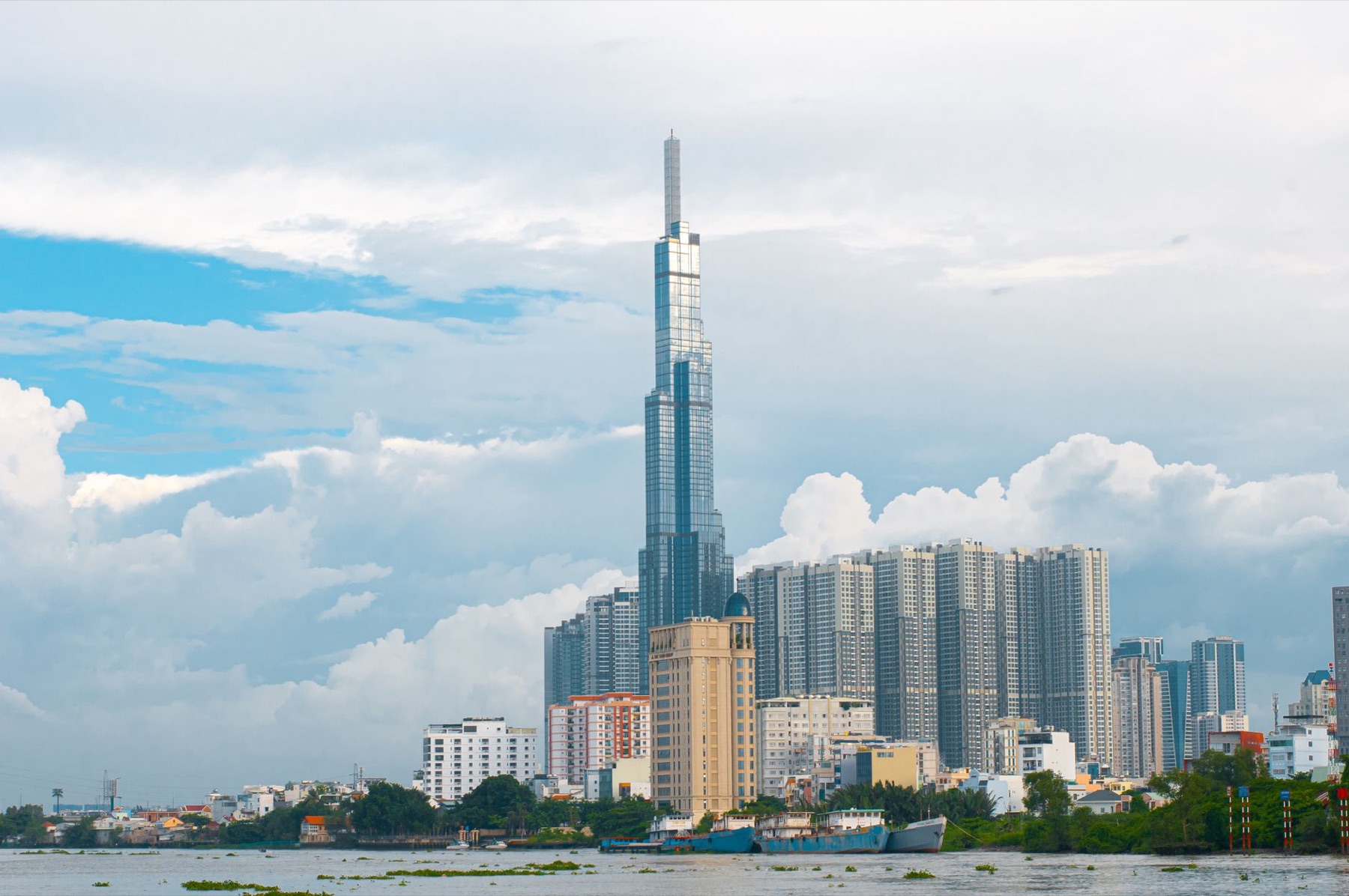
District 1 (downtown) has the highest concentration of hotels and the highest prices. It's walkable to museums, the Saigon River, and restaurants. But noise is constant: motorbike traffic, karaoke bars, construction. A mid-range hotel here costs around $60–90 per night and feels cramped; a budget hostel around $10–15. You'll meet other travellers easily. Breakfast is rarely included in cheaper places.
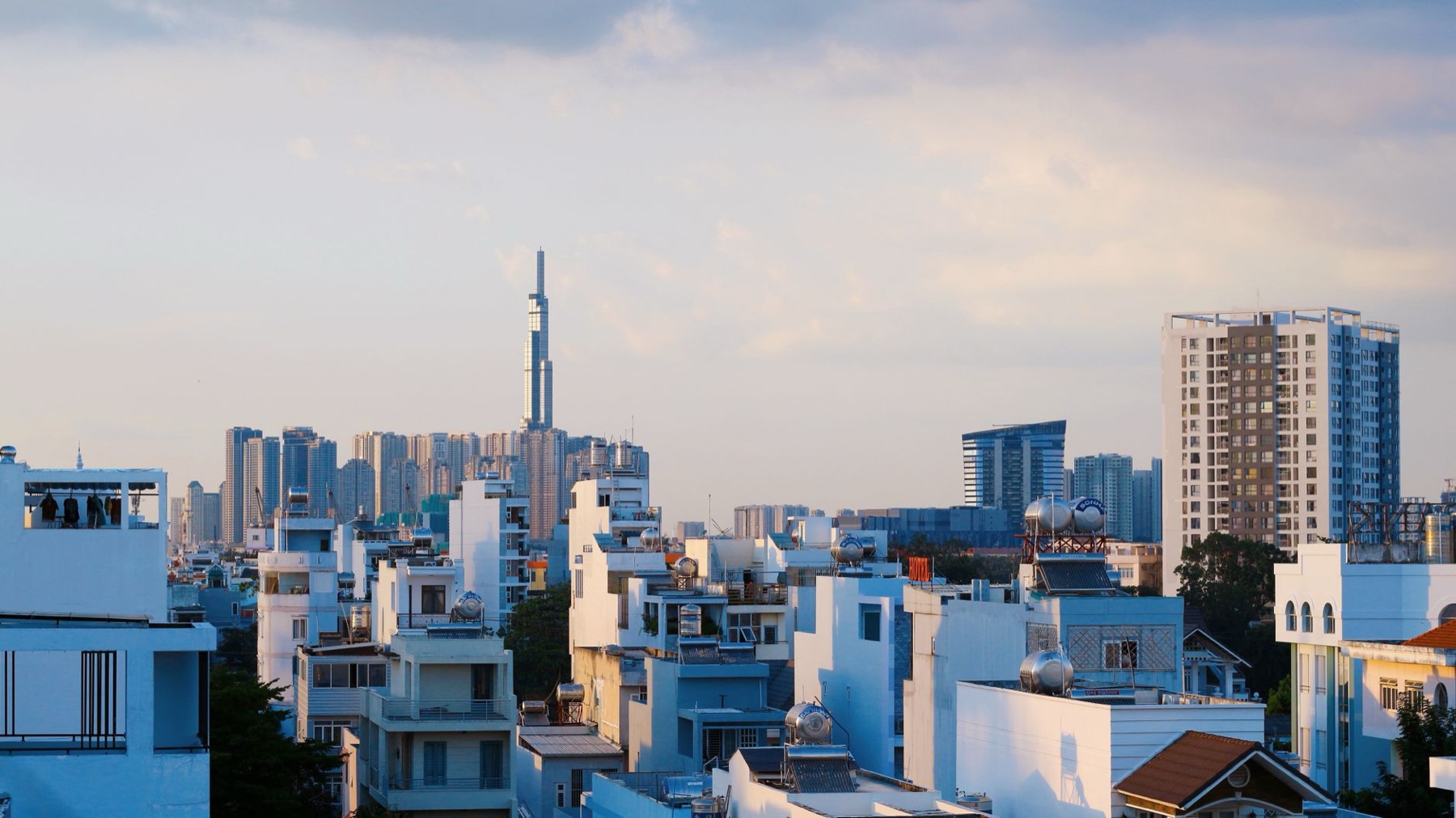
Binh Thanh and District 3 (east and northeast) have grown into quieter, more residential hotel zones. Local coffee shops, smaller restaurants, real neighbourhood life—not tourist theatre. Mid-range hotels here often cost $40–65, offer more space, and include basic breakfast. Convenience stores and local eateries are walking distance away. Fewer tourists means fewer English speakers in smaller shops; download Google Translate offline.
Backpacker alleys (Pham Ngu Lao and De Tham streets in District 1) cluster budget hostels and very cheap hotels ($8–12/night). Parties, travel-swap talk, and noise until 2 a.m. are defaults. Good if you're solo and want social nights; terrible if you need sleep or quiet work time. Many have no windows and smell like damp. Breakfast usually costs extra ($2–3).
Which Neighbourhood Matches Your Trip Style?
Choose District 1 if: you have 2–3 days, want walkability to major sights, don't mind noise, and value convenience over peace. You'll spend more but waste less time on transport. The War Remnants Museum, Bitexco building, and Saigon River are 10–20 minutes walk away.
Choose Binh Thanh or District 3 if: you're staying 4+ days, prefer slower mornings, eat local food, and have transport booked (Grab motorbike or taxi). Prices drop 20–30%, you sleep better, and you experience real Saigon. The trade-off: fewer English menus, longer commutes to major tourist sites.
Choose a backpacker hostel if: you're solo, under 30, want to party and swap travel stories, and plan day trips (to Cu Chi Tunnels, Mekong Delta). Budget $8–15/night but add $5–10 for social activities and meals.
What Do Hotel Prices Actually Include?
Budget properties ($8–25/night) rarely include breakfast; towels and soap are thin; WiFi drops at peak hours; air-con is loud or unreliable. Rooms have no windows or open onto hallways. Bathrooms are shared on budget end, private (but tiny) on the higher side. Sheets are clean but thin.
Mid-range hotels ($40–80/night) include basic Asian breakfast (rice, eggs, fruit); reliable WiFi; quiet-ish rooms with windows; private bathrooms with hot water; and a front desk that speaks some English. They don't include toiletries beyond a bar of soap; gyms are rare; restaurants often close by 9 p.m.
Upscale hotels ($100–250+/night) add Western breakfast buffet, fitness centre, business lounge, 24-hour room service, and English-fluent staff. Air-con is silent; beds are comfortable. Toiletries, robes, and slippers are provided. But even luxury hotels in Saigon feel cramped compared to Bangkok or Bangkok pricing—you're paying for location and service, not space.
| Hotel Type | Price/Night (USD) | Breakfast | WiFi Quality | Best For |
|---|---|---|---|---|
| Budget hostel (dorm) | $8–15 | No (extra $2) | Fair | Solo backpackers, socialising |
| Budget private room | $15–25 | No | Fair–Good | Budget couples, short stays |
| Mid-range 3-star | $40–70 | Basic Asian | Good | Families, 4–7 day stays |
| Upper mid-range 4-star | $80–120 | Full buffet | Excellent | Business, comfort seekers |
| Luxury well-made | $150–300+ | Premium | Excellent | Special occasions, peak luxury |
How to Spot Red Flags Before You Book
Read recent reviews on independent platforms (not just the hotel's site). Look for complaints about noise, mould, or non-refundable bookings. Check the exact room type: "garden view" means a corner overlooking the outside wall, not a balcony. Book direct or via Booking.com (30-day free cancellation) rather than sketchy third-party sites.
Confirm breakfast is included and ask what time it starts—some places serve until 6:30 a.m. only. Ask about air-con: is it room-controlled or building-wide? Loud air-con kills sleep. Request a room away from the street if you're noise-sensitive. Photos on booking sites are often from the best room; assume yours is smaller and darker.
Avoid places with only 10–20 reviews or very new hotels (problems surface after 3 months). Don't trust a 4.9-star rating from 800 reviews if recent reviews mention wifi outages or broken toilets. One bad night in a bad hotel costs you a whole travel day.
🗺️ Plan your route: Vietnam itinerary

How to Book Smart for Saigon
Book 3–6 weeks ahead during peak season (November–February) to secure the exact neighbourhood and room type you want. Prices don't drop much last-minute in Saigon; in fact, last-minute bookings get poor room placement. Use Booking.com, Agoda, or the hotel's direct website—compare the same room on all three, as rates vary by $5–15.
If you're visiting multiple cities, explore Hanoi's hotel neighbourhoods or check out Hoi An's smaller scene for contrast. Hanoi hotels are slightly cheaper and noisier; Hoi An is smaller and more atmospheric.
Negotiate during shoulder season (April–May, September–October): some mid-range hotels give 10–15% discounts for 5+ night bookings if you email directly. Always confirm the exact check-in address and nearest landmark (e.g., "near Tao Đàn Park" or "Pham Ngu Lao Street"), not just a postal code.
After You Arrive: What Matters Most
On arrival, inspect the room before you hand over money. Check air-con, hot water, and light switches. Try the WiFi. Look for mould, dead insects, or broken furniture. Ask for a different room if anything is broken—most places swap you without fuss.
Learn the area's convenience store locations (every block has a 7-Eleven or Circle K open 24 hours). Download Grab (app-based transport) so you don't rely on taxis or street hassle. Join the hotel's WiFi network and get the staff's direct phone number for emergencies.
If you're staying 4+ days, ask about laundry: most mid-range hotels charge $2–5 per kilo; faster (24-hour) laundries nearby charge $0.80–1.50. This saves you luggage space.
📸 Book an ao dai photoshoot in Hanoi or Saigon (Cáo Studio)
Before moving to your next city—Ha Long Bay, Ninh Binh, or Sapa—settle your hotel account the morning you leave and confirm checkout time (usually 11 a.m. or noon; late checkout costs extra). Store valuables in the room safe, not your backpack.
🎟️ Compare tours & tickets for this place
FAQ
Is District 1 worth the extra cost, or should I stay in Binh Thanh?
District 1 is worth it for 2–3 days (maximum convenience, walkable sights). For 5+ days, Binh Thanh saves money and feels less touristy. No wrong choice—depends on how much time you have and whether you want to explore neighbourhoods or stay central.
Why do some hotel rooms have no windows?
Saigon land is expensive and cramped. Interior rooms with no windows are cheaper to build. They're dark, airless, and often face hallways. Always confirm a window in the listing before booking; pay the extra $5 for one if you're staying more than two nights.
Are hostels safe for solo female travellers?
Yes, generally. Most backpacker hostels are well-run and mixed-gender or women-only dorms. Keep valuables locked in lockers, don't leave bags unattended in common areas, and trust your gut about drunk roommates. Staff call taxis if you need safe transport at night.
Should I book Airbnb apartments instead of hotels?
Airbnb in Saigon is unreliable: many listings are illegal sublets, deposits are non-refundable, and disputes take weeks to resolve. Hotels give you legal protection and staff support. Airbnb works only if you book from a professional property owner with 100+ reviews, not individuals.
What's the best time to visit Saigon for hotel deals?
April–May and September–October (shoulder season) have empty hotels and lower rates. Avoid December–January (peak; 20% pricier). July–August is hottest but empty and cheapest. Typhoon season (May–October) means occasional flooding, not storms.
Do I need travel insurance if I'm staying in a cheap hotel?
Yes. Cheap hotels lack liability insurance; if you get food poisoning or your belongings are stolen, you have no recourse. Travel insurance with medical and baggage coverage costs $15–30 for a week and protects you everywhere, not just your hotel.
Can I get an eSIM for data in my hotel room?
Yes. Buy a Vietnam eSIM before arrival so you have internet the moment you land. Grab, Google Maps, and communication apps need instant connectivity. Buying a local SIM at the airport takes 30 minutes and requires a passport photo.
Is breakfast better to book included or buy outside?
Included breakfast (at mid-range+) is convenient but basic (rice, egg, fruit). If you enjoy Vietnamese pho or banh mi (around $1.50–2.50), buy outside—better quality, cheaper, and you explore the neighbourhood. Skip included breakfast only if the hotel is near a busy street food area.
FAQ
Is District 1 worth the extra cost, or should I stay in Binh Thanh?
District 1 is worth it for 2–3 days (maximum convenience, walkable sights). For 5+ days, Binh Thanh saves money and feels less touristy. No wrong choice—depends on how much time you have and whether you want to explore neighbourhoods or stay central.
Why do some hotel rooms have no windows?
Saigon land is expensive and cramped. Interior rooms with no windows are cheaper to build. They're dark, airless, and often face hallways. Always confirm a window in the listing before booking; pay the extra $5 for one if you're staying more than two nights.
Are hostels safe for solo female travellers?
Yes, generally. Most backpacker hostels are well-run and mixed-gender or women-only dorms. Keep valuables locked in lockers, don't leave bags unattended in common areas, and trust your gut about drunk roommates. Staff call taxis if you need safe transport at night.
Should I book Airbnb apartments instead of hotels?
Airbnb in Saigon is unreliable: many listings are illegal sublets, deposits are non-refundable, and disputes take weeks to resolve. Hotels give you legal protection and staff support. Airbnb works only if you book from a professional property owner with 100+ reviews, not individuals.
What's the best time to visit Saigon for hotel deals?
April–May and September–October (shoulder season) have empty hotels and lower rates. Avoid December–January (peak; 20% pricier). July–August is hottest but empty and cheapest. Typhoon season (May–October) means occasional flooding, not storms.
Do I need travel insurance if I'm staying in a cheap hotel?
Yes. Cheap hotels lack liability insurance; if you get food poisoning or your belongings are stolen, you have no recourse. Travel insurance with medical and baggage coverage costs $15–30 for a week and protects you everywhere, not just your hotel.
Can I get an eSIM for data in my hotel room?
Yes. [Buy a Vietnam eSIM](/vietnam/esim) before arrival so you have internet the moment you land. Grab, Google Maps, and communication apps need instant connectivity. Buying a local SIM at the airport takes 30 minutes and requires a passport photo.
Is breakfast better to book included or buy outside?
Included breakfast (at mid-range+) is convenient but basic (rice, egg, fruit). If you enjoy Vietnamese pho or banh mi (around $1.50–2.50), buy outside—better quality, cheaper, and you explore the neighbourhood. Skip included breakfast only if the hotel is near a busy street food area.
More: Ho Chi Minh City travel guide · Where to stay in Ho Chi Minh City