Ho Chi Minh City · Where to stay
Hotels in Ho Chi Minh District 1: Where to Stay & How to Choose
By Wander in Vietnam editorial team · Hanoi, Vietnam
District 1 hotels range from budget guesthouses (around $20–40 USD per night) to well-made resorts ($150–300+ USD). Most line Dong Khoi Street, Ben Thanh Market area, or riverfront zones. Wander in Vietnam recommends checking water views, noise levels (Saigon traffic peaks 7–9 am and 4–7 pm), and whether your booking includes breakfast, as rates fluctuate seasonally. Book direct or through reputable platforms to avoid overcharges.
Which neighbourhood in District 1 fits your budget and style?
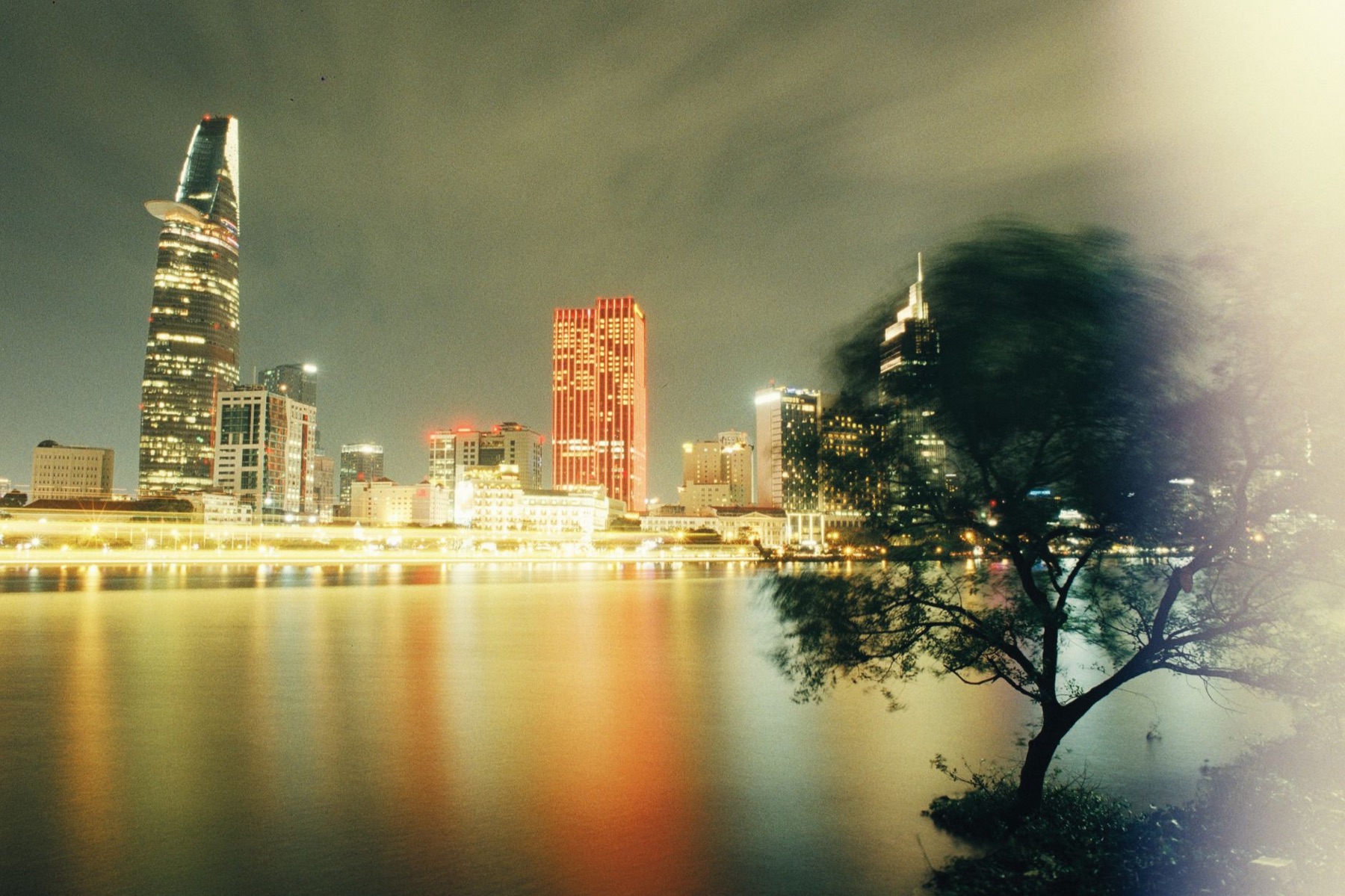
Dong Khoi Street (the tourist spine) hosts mostly upper-mid and luxury hotels within walking distance of restaurants, shops, and the War Remnants Museum. Ben Thanh area buzzes with backpacker hostels and budget hotels—noisier but cheaper and central to markets. Saigon River frontage (west of Dong Khoi) offers premium views and calmer noise levels after 10 pm. Nguyen Hue area mixes mid-range business hotels with some budget options; it's less touristy but still walkable to everything.
How do luxury, mid-range and budget hotels differ in District 1?
Luxury hotels (well-made, $150–350+ USD/night) include rooftop pools, spa facilities, concierge, and river views; often in converted colonial villas or modern high-rises. Mid-range ($60–130 USD/night) offer private rooms, air-con, free WiFi, and breakfast; usually on Dong Khoi or side streets, smaller footprints, fewer facilities. Budget ($20–50 USD/night) are mostly guesthouses or hostels with shared or basic private rooms, minimal common areas, and self-catering options. For longer stays (7+ nights), mid-range and budget properties often negotiate discounts; luxury chains rarely do.
What's the difference between riverfront, Dong Khoi, and Ben Thanh hotels?
| Neighbourhood | Room type | Noise level | Walkability | Avg. price range | Best for |
|---|---|---|---|---|---|
| Saigon River (west side) | Boutique, resort-style | Low (after 10 pm) | 10–15 min walk to main sites | $100–300 | Couples, relaxation, views |
| Dong Khoi Street | Mid-range, boutique, luxury | Medium–high (street traffic) | Immediate (shops, museums nearby) | $60–250 | Families, first-timers, business |
| Ben Thanh Market area | Budget, hostels, guesthouses | High (market, taxis, motorbikes) | 5–10 min walk to Dong Khoi | $20–80 | Backpackers, nightlife, budget travelers |
| Nguyen Hue | Mid-range, business hotels | Medium | 10 min walk to Dong Khoi | $50–150 | Business travelers, quieter base |
🗺️ Plan your route: Vietnam itinerary
What to check before booking a District 1 hotel?
Check street-level noise before confirming. Request a higher floor or rear-facing room on Dong Khoi if quiet matters; Ben Thanh rooms rarely offer true quiet. Verify breakfast inclusion—hotels often advertise rates excluding it, adding $8–15 USD/night. Confirm cancellation policy, especially during peak season (November–February); non-refundable rates are common and often non-negotiable. Ask about water pressure and hot water consistency; older guesthouses sometimes have weak systems. Check WiFi speed if you're working remotely; some budget properties throttle during peak hours. Inspect photos for currency (are they recent?); some listings are years old. Call or WhatsApp the property directly before booking—many will offer a small discount (5–10%) for direct bookings, and you can ask about free airport pickup or room upgrades.
Which type of traveller should stay where in District 1?
Solo business travellers and remote workers suit mid-range hotels on Dong Khoi or Nguyen Hue—fast WiFi, 24-hour reception, workspace access. Avoid hostels if you need quiet for calls. Families with kids benefit from mid-range properties with small pools or courtyard space; Ben Thanh area is too chaotic for young children. Couples and honeymooners gravitate to boutique hotels or riverfront properties; Saigon River west bank offers best ambiance and sunset views (book a room facing the water). Backpackers cluster around Ben Thanh hostels and budget guesthouses; the social atmosphere and cheap beer compensate for noise. Luxury/first-time visitors should choose iconic riverside or Dong Khoi addresses for photo ops and easy landmark access; well-made hotels also arrange tours and transfers reliably.
📸 Book an ao dai photoshoot in Hanoi or Saigon (Cáo Studio)
How do I avoid scams and overcharges when booking?
Book through your hotel's official website or verified platforms (not third-party links from unverified sources). Confirm the exact price in VND before paying; exchange rate fluctuations can inflate USD quotes suddenly. Avoid unsolicited booking links in emails or WhatsApp from "agents"—many claim affiliation but pocket markups. Check the address twice—some fake listings show real hotel photos but different locations (outer districts, not District 1). Call the property's main line (find it via Google Maps) to verify your booking exists in their system; scammers often pocket payments without registering guests. Use credit cards or PayPal, not cash transfers or cryptocurrency, so you can dispute. Read recent reviews mentioning specific room numbers and dates; generic well-made reviews are red flags. If booking budget guesthouses, ask to video-call the room before finalizing—it takes 2 minutes and prevents surprises.
🎟️ Compare tours & tickets for this place
Why do prices vary so much for the same hotel on different dates?
District 1 hotel rates swing 30–60% depending on season, events, and day of week. Peak season (November–February) sees 20–40% premiums; monsoon/summer (May–September) drops rates 15–30% to lure visitors. Weekends (Friday–Sunday) cost 10–20% more than weekdays for the same room. Local holidays (Tet, September 2nd) cause 50%+ spikes weeks ahead; international conferences and trade fairs also spike rates. Book 4–6 weeks ahead for better rates; last-minute bookings (24–48 hours) sometimes drop if occupancy is low, but it's a gamble. Compare your dates across multiple days to spot patterns—Tuesday nights are almost always cheapest.
What should I pack for a District 1 hotel stay?
Bring lightweight, breathable clothes (cotton, linen); air-con is aggressive indoors but heat outside is intense. Pack earplugs or a white-noise app if you're noise-sensitive, especially on Dong Khoi. Bring a universal power adapter (plugs are mostly 2-pin round, but some older guesthouses have chaotic layouts). Sunscreen and a hat for street walking—UV is fierce. Flip-flops or sandals for lobby/hallway; most budget hotels have tile floors. Antimalarial meds aren't necessary for District 1 itself (it's urban), but carry digestive tablets (street food is delicious but can upset unfamiliar stomachs). Download offline maps (Google Maps offline mode works well); internet is reliable but WiFi signal weakens in some old buildings.
---
How do District 1 hotels compare to other Ho Chi Minh City neighbourhoods?
District 1 is pricier than outer districts (Districts 2, 3, 7) but offers walkability and landmark access. If you want a quieter, less touristy base, explore Ho Chi Minh City's other areas or consider day trips to Hoi An, Ha Long Bay, or Ninh Binh. For city-wide hotel comparisons and alternatives, see our full Ho Chi Minh City hotels pillar.
Ready to explore Vietnam beyond Saigon? Check our Hanoi guide, Sapa guide, or Vietnam e-visa requirements and eSIM options before you book your flights.
---
FAQ
Can I book a District 1 hotel without paying upfront?
Most hotels demand 25–50% upfront via credit card or bank transfer to secure the reservation. Full payment is typically due at check-in or via final invoice. Budget guesthouses sometimes accept cash on arrival, but availability isn't guaranteed. Booking platforms (Agoda, Booking.com) hold your card but don't charge until your chosen deadline—usually 48–72 hours before arrival.
What's the cheapest reliable District 1 hotel I can find?
Budget guesthouses near Ben Thanh Market start around $20–30 USD per night for basic private rooms. Mid-range options (with breakfast, air-con, better wifi) begin at $50–70 USD. "Cheapest" often means trade-offs: noise, no breakfast, slow wifi, or older furnishings. Read recent reviews mentioning specific issues (water pressure, hot water, noise) before booking the absolute lowest price.
Do District 1 hotels include breakfast, and is it worth the cost?
Luxury and mid-range hotels usually include breakfast (6–10 am buffet or à la carte). Budget guesthouses rarely do—breakfast is extra ($5–8 USD) or not available. Hotel breakfasts are adequate (coffee, bread, fruit, eggs) but not remarkable. You'll find better pho and com tams (broken rice) at street stalls for $1–2 USD a few blocks away. Budget the extra $5–8 if you value convenience; skip it if you want to explore street food.
Is District 1 safe for solo travellers at night?
District 1 is safe by Saigon standards, especially on main streets (Dong Khoi, Nguyen Hue) until midnight. After 1 am, foot traffic drops and taxis/Grab become necessary. Petty theft (pickpocketing on crowded buses, motorbike bag-snatching) is the main risk—keep valuables zipped and awareness high. Women solo travellers report few issues in District 1; just use standard urban caution (avoid deserted alleys, keep phone secure).
How far is District 1 from Tan Son Nhat Airport, and what's the transfer cost?
Tan Son Nhat Airport is roughly 7 km north of District 1; taxi or Grab costs around $5–8 USD depending on traffic (30–60 minutes). Most hotels can arrange pickups ($12–15 USD) or direct you to Grab. Avoid unmarked taxis; use official ranks or app-based rides. Budget 1.5 hours for the commute during rush hours (7–9 am, 4–7 pm).
What's the best time to visit District 1, and do I need to book hotels months ahead?
November–February is peak (cool, dry, crowded, expensive). September–October and March–April are shoulder season (pleasant, cheaper, fewer tourists). May–August is hot and humid but rates drop 20–30%. For peak season, book 6–8 weeks ahead. For shoulder season, 3–4 weeks is fine. Monsoon season books less, so 1–2 weeks works. Tet (January/February, lunar new year) requires 2–3 months advance booking if you're staying then.
FAQ
Can I book a District 1 hotel without paying upfront?
Most hotels demand 25–50% upfront via credit card or bank transfer to secure the reservation. Full payment is typically due at check-in or via final invoice. Budget guesthouses sometimes accept cash on arrival, but availability isn't guaranteed. Booking platforms (Agoda, Booking.com) hold your card but don't charge until your chosen deadline—usually 48–72 hours before arrival.
What's the cheapest reliable District 1 hotel I can find?
Budget guesthouses near Ben Thanh Market start around $20–30 USD per night for basic private rooms. Mid-range options (with breakfast, air-con, better wifi) begin at $50–70 USD. "Cheapest" often means trade-offs: noise, no breakfast, slow wifi, or older furnishings. Read recent reviews mentioning specific issues (water pressure, hot water, noise) before booking the absolute lowest price.
Do District 1 hotels include breakfast, and is it worth the cost?
Luxury and mid-range hotels usually include breakfast (6–10 am buffet or à la carte). Budget guesthouses rarely do—breakfast is extra ($5–8 USD) or not available. Hotel breakfasts are adequate (coffee, bread, fruit, eggs) but not remarkable. You'll find better pho and com tams (broken rice) at street stalls for $1–2 USD a few blocks away. Budget the extra $5–8 if you value convenience; skip it if you want to explore street food.
Is District 1 safe for solo travellers at night?
District 1 is safe by Saigon standards, especially on main streets (Dong Khoi, Nguyen Hue) until midnight. After 1 am, foot traffic drops and taxis/Grab become necessary. Petty theft (pickpocketing on crowded buses, motorbike bag-snatching) is the main risk—keep valuables zipped and awareness high. Women solo travellers report few issues in District 1; just use standard urban caution (avoid deserted alleys, keep phone secure).
How far is District 1 from Tan Son Nhat Airport, and what's the transfer cost?
Tan Son Nhat Airport is roughly 7 km north of District 1; taxi or Grab costs around $5–8 USD depending on traffic (30–60 minutes). Most hotels can arrange pickups ($12–15 USD) or direct you to Grab. Avoid unmarked taxis; use official ranks or app-based rides. Budget 1.5 hours for the commute during rush hours (7–9 am, 4–7 pm).
What's the best time to visit District 1, and do I need to book hotels months ahead?
November–February is peak (cool, dry, crowded, expensive). September–October and March–April are shoulder season (pleasant, cheaper, fewer tourists). May–August is hot and humid but rates drop 20–30%. For peak season, book 6–8 weeks ahead. For shoulder season, 3–4 weeks is fine. Monsoon season books less, so 1–2 weeks works. Tet (January/February, lunar new year) requires 2–3 months advance booking if you're staying then.
More: Ho Chi Minh City travel guide · Where to stay in Ho Chi Minh City