Cat Ba · Things to do
Things to Do in Cat Ba: Island Activities & Day-Trip Guide
By Wander in Vietnam editorial team · Hanoi, Vietnam
Cat Ba Island sits 30 km east of Hai Phong city and is reachable by ferry (45 minutes) or speedboat (25 minutes) from Hai Phong Port. It's the largest island in Ha Long Bay and one of northern Vietnam's most misunderstood destinations—many travelers skip it for Halong City's overbooked junk tours, but Cat Ba rewards those who stay overnight or visit on a quieter weekday.
The island has changed fast. Ten years ago it was sleepy; now Cat Ba Town (the main settlement on the southern shore) buzzes with backpackers, but venture north or east and you'll find empty trails and anchored fishing villages. The key is knowing which activities suit your fitness level, budget, and tolerance for crowds.
What's the Easiest Activity for First Visitors?
Hiking Frog Peak (Nui Dien Dung) is the go-to. A two-hour round-trip trail climbs 170 metres from Cat Ba Town, passing limestone steps and jungle. The trailhead sits at Nui Dien climbing center (near the town market). Most people take 2–3 hours total and see sweeping bay views. No guide required, though many guesthouses offer guided hikes for around 300,000–400,000 VND ($12–$16 USD) per person—unnecessary unless you're unsure of paths. The trail is well-marked but muddy after rain; wear grip shoes. Go early (before 9 a.m.) to avoid heat and crowds.
🗺️ Plan your route: Vietnam itinerary
Is Rock Climbing Here Safe and Worth the Cost?
Cat Ba Climbing Center sits in Cat Ba Town on the waterfront and operates daily. One-day beginner courses cost around 1,000,000–1,200,000 VND ($40–$48 USD) per person and include harness, rope, shoes, and instruction on nearby bolted walls. Multi-pitch outdoor climbs run 1,500,000–2,000,000 VND ($60–$80 USD). The center is legitimate and follows safety standards, but instructors vary in English fluency. Book direct with the center, not via your hotel (mark-up is common). If you're already an intermediate climber, bring your own gear and ask locals about unguided crags—many free, established walls exist on the island's northern edge. Weather matters: avoid monsoon season (May–September) when rock is wet.
Which Beach Should I Actually Visit?
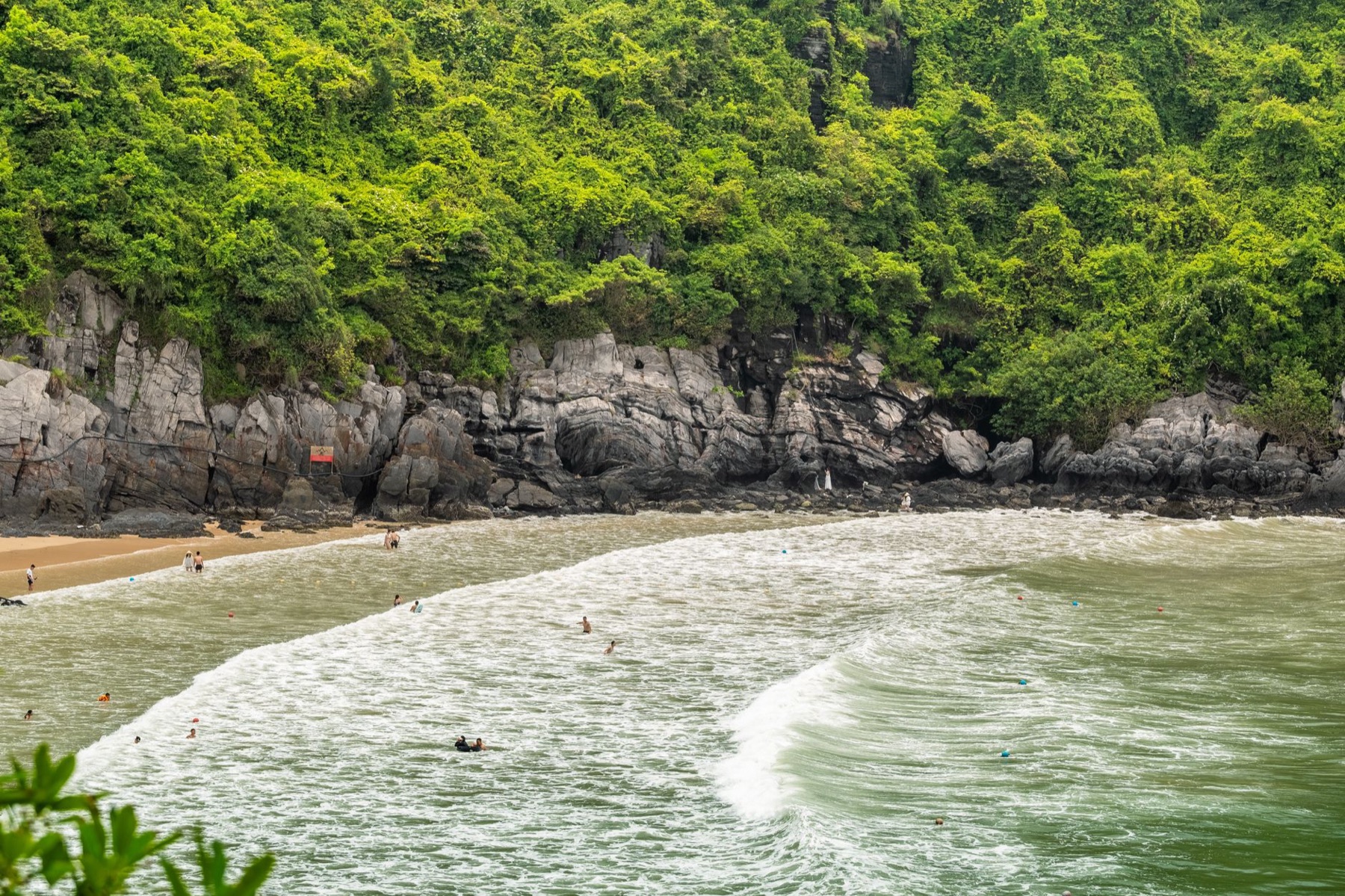
Cat Ba Town's main beach (Cat Co 1) is crowded, murky, and bordered by development. Skip it. Walk north along the coast path to Cat Co 2 (20 minutes, free, quieter, clearer water) or take a small boat to Cat Co 3 (around 50,000 VND/$2 USD for a longtail). Both have fewer vendors and better sand. For solitude, hire a private longtail (around 600,000–1,000,000 VND/$24–$40 USD for 4 hours) to anchor at unnamed coves on the northeastern coast near Ech Dung fishing hamlet. Water is still chilly outside July–September, but swimmable year-round.
How Much Should a Kayaking Tour Really Cost?
A half-day guided sea kayak through karst channels costs 400,000–700,000 VND ($16–$28 USD) per person. Full-day tours run 700,000–1,200,000 VND ($28–$48 USD). These prices include paddle, life jacket, guide, and usually a stop at a fishing village or floating cave. Many guesthouses inflate this by 30–50%; book directly with kayak operators at the waterfront or ask your host to call a trusted contact. Reputable outfits use sit-on-top kayaks (more stable for non-swimmers) and enforce life jackets. Avoid any operator without visible equipment checks. The tour is real value if your guide knows local fishing families; some take you to villages where you can buy fresh seafood lunch. Go mid-week; weekends bring tour buses.
Should I Hire a Motorcycle or Rent a Bike?
A manual motorcycle rents for 150,000–250,000 VND ($6–$10 USD) per day; automatic scooters cost 250,000–350,000 VND ($10–$14 USD). Cat Ba's main road (connecting Town to the north) is narrow and winding; local drivers are fast. Unless you're confident on two-wheel curves, rent a bicycle (around 50,000–100,000 VND/$2–$4 USD per day) or join a guided motorbike tour (600,000–900,000 VND/$24–$36 USD). Bicycles are genuinely pleasant for exploring flat coastal paths and village roads; most guesthouses rent basic models. You'll see more detail and meet locals more easily. Motorcycle tours usually loop to Ech Dung fishing village and a limestone viewpoint—worthwhile if your driver speaks English.
What About Overnight Jungle Camps or Homestays?
Cat Ba's interior (away from Town) has a national park with basic bungalows and camping. An overnight trip (hike, camp, meals) costs around 900,000–1,500,000 VND ($36–$60 USD) per person. These are run by a few local outfits; quality varies. Some camps are genuine immersive experiences with fishing village visits; others are just basic shelters with poor food. Ask your guesthouse to call ahead and confirm what meals include, whether drinking water is provided, and the hike distance. Do not book through online travel sites—markup is steep. Homestays in Ech Dung fishing village (bookable via your accommodation) run 300,000–600,000 VND ($12–$24 USD) per night including breakfast and dinner. Expect simple rooms, no A/C, communal bathrooms, and very quiet mornings. It's worth one night for authenticity, but not comfortable for everyone.
How Many Days Should I Spend Here?
| Itinerary | Best for | Main activities | Realistic cost per day |
|---|---|---|---|
| One day trip | Busy travelers, Hanoi weekenders | Frog Peak hike + beach, maybe kayak | 400,000–800,000 VND ($16–$32 USD) |
| Two nights, three days | Relaxed pace, multiple activities | Hike, kayak, climbing intro, village visit | 1,000,000–1,800,000 VND ($40–$72 USD) |
| Three nights, four days | Climbers, divers, culture seekers | Climbing course, two kayak trips, overnight camp | 1,500,000–2,500,000 VND ($60–$100 USD) |
Most visitors stay one night; two nights is ideal to avoid feeling rushed. Longer stays require a real interest in climbing or diving (Cat Ba has PADI dive shops, though I'd recommend Ha Long Bay sites instead for marine life).

What Real Mistakes Do Visitors Make?
Booking tours through hotel front desks. Commission mark-up runs 40–60%. Walk directly to the kayak pier or climbing center.
Visiting on Friday–Sunday. Domestic tour buses clog Cat Ba Town. The island is genuinely quieter and more pleasant Monday–Thursday.
Skipping the town market (near the Frog Peak trailhead). It's a real working market, not a tourist stall. Fresh fruit, baked goods, and simple meals cost half of restaurant prices. Good breakfast spot before hiking.
Swimming in the bay directly off Town beach. The water is stirred by boat traffic and murky. Walk to Cat Co 2 or take a boat to Cat Co 3.
Renting a motorcycle without experience. The northern loop road is genuinely steep and curvy. Either hire a driver or cycle.
Eating at "sea food restaurants" along the main waterfront. They're tourist traps with inflated prices. Buy fish from the pier market and ask your guesthouse to cook it, or go to local canteens inland (no English signs, but cheaper and fresher).
How to Pack for Cat Ba Activities
- Climbing: Wear long pants and closed shoes. Bring a headlamp if doing sunset climbs.
- Kayaking: Bring sunscreen (water reflection is intense), a dry bag for your phone, and a light long-sleeve shirt (UV protection). Even in winter, sun exposure is strong.
- Hiking: Start before 9 a.m. Carry 1.5–2 litres water. The trail has no shade; a hat is essential.
- Motorcycling: Helmet (legally required, provided by rental). Gloves help on rough roads.
- Beach: Most guesthouses have beach towels; bring your own if you prefer.
An eSIM or local SIM card is useful for Google Maps and calling guesthouses. We recommend grabbing a Viettel or Vinaphone card at Hai Phong Port if entering via ferry—around 100,000–150,000 VND ($4–$6 USD) for a starter pack with data.
🎟️ Compare tours & tickets for this place
Getting to Cat Ba and Nearby Regions
Most visitors arrive via Hai Phong (2–3 hours from Hanoi by bus). Ferries depart every 30–45 minutes; speedboats run hourly (more expensive, faster). You can also link Cat Ba to other northern sites: Ha Long Bay is a short boat ride; Ninh Binh (cave kayaking, temples, rice paddies) is 2 hours south; Hanoi (day trips, Old Quarter, museums) is 3 hours west. If you're planning a multi-region trip, check our Vietnam itinerary planner to map your route efficiently.
If you're already in Ha Long Bay or considering a longer northern loop, combining Cat Ba with Ha Long Bay activities makes sense—same bay, different angle. Most travellers do one or the other; doing both deepens your understanding of the limestone landscape.
Seasonal Tips
October–March (best): Cool, dry, clear water, good visibility for kayaking and climbing.
April–May: Warm but not hot. Spring greenery on trails is stunning. Tourist numbers pick up.
June–September (monsoon): Occasional rain (usually brief), humid, some tours pause on rough days. Fewer crowds. Water stays warm. Risk kayaking in sudden squalls—choose calm mornings only.
December–January: Coldest. Water temperature drops to 15–17°C. Suitable for swimmers; less pleasant for lazy beach days.
Honest Assessment: Should You Go?
Cat Ba rewards curiosity and penalizes expectation. It's not the Maldives; it's a working Vietnamese island with tourists. The climbing, trekking, and kayaking are real highlights. The beaches are secondary—they're functional swimming spots, not Instagram moments. If you want a quiet place to hike, climb, and eat well, Cat Ba is worth 2–3 days. If you crave pristine tropical beaches, Ha Long Bay cruises or southern regions deliver more visually.
The people are friendly but tired of the same questions; speaking a bit of Vietnamese goes a long way. Most guesthouse owners have lived through boom-and-bust tourism cycles and appreciate guests who show up mid-week and ask real questions.
📸 Book an ao dai photoshoot in Hanoi or Saigon (Cáo Studio)
Bringing Memories Home
A custom keepsake from Cat Ba makes sense if you're planning a multi-week Vietnam trip and want a single item to anchor memories. Consider:
- Custom printed maps of your actual hiking route (Frog Peak, kayak paddling map) or a hand-drawn sketch of Cat Ba's coastline. These work well for climbers or kayakers documenting their trip.
- Personalized wooden or metal engraved items with a date, coordinates of a climb, or a boat name from your village visit. Local woodworkers in Cat Ba Town sell blanks; you could commission an engraving.
- Woven or embroidered wall hangings featuring bay or island motifs, available from village artisans in Ech Dung. Lightweight to pack, authentic, and proceeds support fishing families.
Browse personalized keepsake and home décor collections to see if any fit the moment—many are tailored for travelers who've done active trips and want lasting reminders.
🗺️ Plan your route: Vietnam itinerary
---

FAQ
Is Cat Ba safe for solo travelers?
Yes. Cat Ba Town is well-trodden, guesthouses are used to solo guests, and locals are accustomed to tourists. Petty theft happens (secure valuables in your room or carry a small daypack). Stick to marked trails and avoid walking alone on empty coastal paths after dark. Women solo travelers report feeling safe here compared to larger cities.
Do I need a guide for Frog Peak?
No. The trail is marked, well-used, and straightforward. A guide helps if you want stories or local history. Most hikers go unguided and finish in 2–3 hours. Start early to avoid afternoon heat.
Can I do a day trip from Hanoi?
Technically yes, but it's a long day. Hanoi to Hai Phong (2–3 hours by bus) + ferry to Cat Ba (45 minutes) + one activity + return = 12–14 hours total. Better to overnight. A dedicated tour operator runs "Cat Ba day trips" from Hanoi, but you'll spend 6+ hours traveling for 4 hours on the island.
What's the best time to go?
October–March. Cool weather, low humidity, clear skies for climbing and kayaking. December–January is coldest (water 15–17°C). May–September is humid and rainy, with fewer tourists but rougher sea conditions.
Should I book accommodation before arriving?
In October–March, yes. Cat Ba Town guesthouses fill up, especially weekends. Mid-week (Mon–Thu) is quieter. Budget 300,000–800,000 VND ($12–$32 USD) per night for a clean double room. Booking the night before via your phone is fine; guesthouses have reliable WiFi.
Is climbing equipment rental included in beginner courses?
Yes. Harnesses, ropes, shoes, and helmets are included. Bring your own climbing shoes if you have them (rental quality varies). Most beginners use rental and do fine.
FAQ
Is Cat Ba safe for solo travelers?
Yes. Cat Ba Town is well-trodden, guesthouses are used to solo guests, and locals are accustomed to tourists. Petty theft happens (secure valuables in your room or carry a small daypack). Stick to marked trails and avoid walking alone on empty coastal paths after dark. Women solo travelers report feeling safe here compared to larger cities.
Do I need a guide for Frog Peak?
No. The trail is marked, well-used, and straightforward. A guide helps if you want stories or local history. Most hikers go unguided and finish in 2–3 hours. Start early to avoid afternoon heat.
Can I do a day trip from Hanoi?
Technically yes, but it's a long day. Hanoi to Hai Phong (2–3 hours by bus) + ferry to Cat Ba (45 minutes) + one activity + return = 12–14 hours total. Better to overnight. A dedicated tour operator runs "Cat Ba day trips" from Hanoi, but you'll spend 6+ hours traveling for 4 hours on the island.
What's the best time to go?
October–March. Cool weather, low humidity, clear skies for climbing and kayaking. December–January is coldest (water 15–17°C). May–September is humid and rainy, with fewer tourists but rougher sea conditions.
Should I book accommodation before arriving?
In October–March, yes. Cat Ba Town guesthouses fill up, especially weekends. Mid-week (Mon–Thu) is quieter. Budget 300,000–800,000 VND ($12–$32 USD) per night for a clean double room. Booking the night before via your phone is fine; guesthouses have reliable WiFi.
Is climbing equipment rental included in beginner courses?
Yes. Harnesses, ropes, shoes, and helmets are included. Bring your own climbing shoes if you have them (rental quality varies). Most beginners use rental and do fine.