Hanoi · Things to do
Things to Do in Hanoi: Real Insider Spots & Local Experiences
By Wander in Vietnam editorial team · Hanoi, Vietnam
What makes Hanoi different from other Southeast Asian cities?
Hanoi isn't built for Instagram. Layered French, Chinese, and Soviet architecture; 1,000-year street names; and a transport system mixing motorcycles with cyclos create controlled chaos. Unlike Bangkok's neon or Saigon's boom energy, Hanoi moves at a pace tied to seasons and habit. Locals eat breakfast at the same stall for 30 years; temples sit behind apartment blocks; water puppets perform in a drowned art form. You come here to observe and participate, not consume.
🗺️ Plan your route: Vietnam itinerary
Which neighbourhoods should you actually visit?
Old Quarter (Hoan Kiem District): 36 narrow streets named after goods once sold there—silk, silver, paper, chicken. Morning tai chi happens 5:30–7:00 a.m. along Hoan Kiem Lake. Avoid 8:00 p.m.–midnight when beer gardens fill with tour groups. Stay west of Trang Tien; quieter cafés and real food. Expect crowds; narrow lanes feel unsafe only to pickpockets on motorbikes—keep bags zipped.
Ba Dinh District: Home to Ho Chi Minh's mausoleum (free entry, strict dress codes, closed Monday–Friday mornings). Around the complex, leafy avenues host Soviet-era museums and Quan Su Temple, genuine gathering spots without entry fees. Early morning (6:00–7:00 a.m.) is best.
Tay Ho (West Lake): A 17 km circuit; rent a bicycle or motorbike. Temples cluster at the north shore—Tran Quoc (the oldest) and Phap Thang near the water. Lunch at lake-side pho stalls (around 40,000–60,000 VND / $2–3 USD per bowl). Skip the "sunset restaurants"; locals know better.
Hang Dao & Hang Gai Streets: Red-lantern tourist corridor, yes—but real silk workshops operate behind shop fronts. Walk up two floors; tailors will make an áo dài in 3–5 days for around 1,500,000–2,500,000 VND ($60–100 USD). Quality varies wildly.
Thanh Xuan & Cau Giay Districts: Where Hanoians actually live. Markets (Xuan Phuong, Vinh Phuc) open 6:00–10:00 a.m., sell produce, dried goods, fresh noodles. No foreigners. Zero English. This is anthropology.
| Neighbourhood | Best for | Vibe | What to skip |
|---|---|---|---|
| Old Quarter | Walking, eating, people-watching | Hectic, historic | Bar crawls, "best pho" tours |
| Tay Ho | Cycling, temples, lake views | Serene, morning-focused | Evening restaurants, boats |
| Ba Dinh | Museums, reverence, cycling | Orderly, educational | Crowded lunch hours (12–2 p.m.) |
| Thanh Xuan | Real market immersion | Local, unmanicured | Tourist-facing vendors |
| Hang Dao | Silk tailoring, lantern stalls | Touristy but functional | Gold foil and mass-market textiles |
What street food and markets deserve your time?
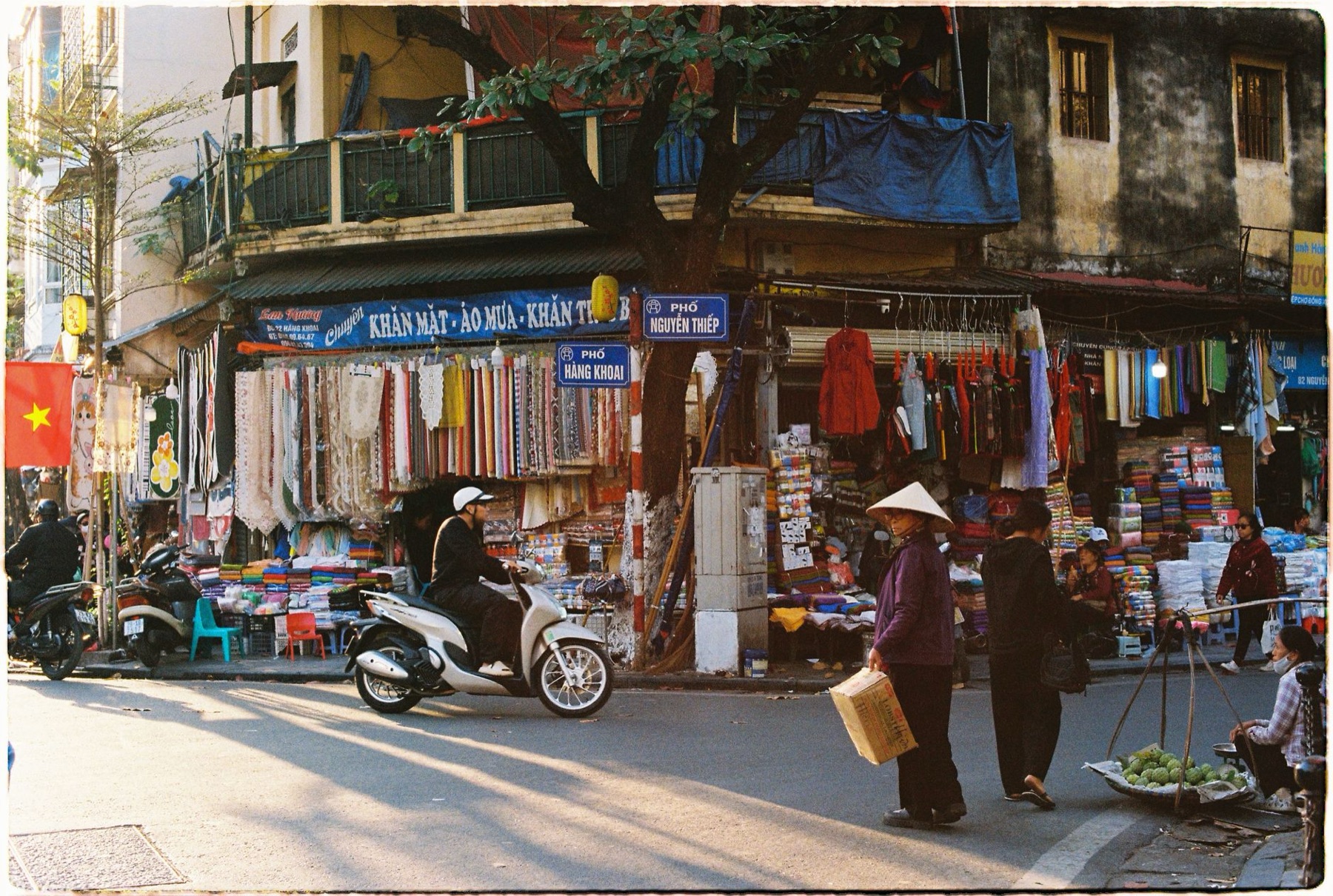
Breakfast matters. Eat within 7:00 a.m. or stalls close. Pho (around 40,000–70,000 VND / $2–3 USD) at any corner in Hang Mam; bánh mì (around 35,000 VND / $1.50 USD) from push-carts near Hoan Kiem; bánh cuon (steamed rolls, around 50,000 VND / $2.50 USD) at specialist shops. Ask locals: "Quán này ngon?" (Is this place good?). Nod and they'll point.
Dong Xuan Market (Old Quarter, 6:00 a.m.–6:00 p.m., free entry): Multi-level chaos. Ground floor: souvenirs and knockoffs (skip). Upper floors: textiles, housewares, dried goods. Go for people-watching and fabric hunting, not bargains.
Hang Be Market (Red River edge, Hoan Kiem): Produce and live seafood. Slippery. Not a tourist experience; bring cash only (VND).
Hoa Lo Prison Museum: Nearby, air-conditioned, sobering. Around 30,000 VND ($1.50 USD). Less about food but essential context on French colonial rule and war.
Night markets: Thursday–Sunday, 7:00 p.m.–midnight, rotating locations (ask your hotel). Street food stalls, grilled snails (ốc), beer, live music. Real Hanoi nightlife without bars.
📸 Book an ao dai photoshoot in Hanoi or Saigon (Cáo Studio)
How do you actually travel around Hanoi without apps and language?
Motorbike taxis (Grab): Requires smartphone + payment app. Around 50,000–120,000 VND ($2.50–6 USD) across the city. Safer than street hailing. Driver numbers visible; accountability built in.
Bicycles: Rent from hotels or Hanoi Bicycle Collective (check their location directly). Around 50,000–100,000 VND per day ($2.50–5 USD). Lanes exist but aren't enforced. Stay right; honk before turning.
Buses: Cheap (7,000–15,000 VND / $0.35–0.75 USD) but routes need Google Translate. Not practical for tourists. Use as a cultural exercise if patient.
Walking: Old Quarter is 2–3 km on foot. Early morning (6:00–8:00 a.m.) safest and most rewarding. Watch for motorbikes on sidewalks; assume they own it.
Cyclo (three-wheeled pedicabs): Romantic but inefficient. Around 100,000–150,000 VND ($5–7.50 USD) per ride. Negotiate before boarding. Best for a short photo ride, not transport.
What cultural sites matter and why?
Ho Tay (West Lake) temples reflect two competing beliefs: Buddhism and Taoism. Tran Quoc (Buddhism, oldest pagoda in Hanoi, 6th century) and Phap Thang sit within 20 minutes by bike. Entry free; donation optional. Go 6:00–7:30 a.m. when monks chant.
Temple of Literature (Van Mieu): First university in Vietnam (1070 AD). Around 30,000 VND ($1.50 USD). Stone tablet rankings of past scholars line courtyards. Less crowded than Hoan Kiem and genuinely peaceful. 8:00 a.m.–5:00 p.m. daily.
Water Puppetry: Ancient art form. 1-hour shows (around 150,000–250,000 VND / $7.50–12.50 USD) at Thang Long Water Puppet Theatre. Reserved seating; buy direct online or at the box office same-day. Expect 50% foreign tourists, 50% local school groups.
Ho Chi Minh Mausoleum Complex: Free entry but read dress codes online first (shoulders, knees covered; no shorts). Closed Monday–Friday mornings. Sunday mornings packed. Wednesday–Thursday, 9:00 a.m.–11:00 a.m., smallest crowds.
🎟️ Compare tours & tickets for this place
What should you avoid and why?
Overpriced "best of" tours: Claims of "secret street food" or "hidden gems" priced at $60+ per person. You'll eat exactly what walk-ins order, slower and with 15 other tourists. Book independent guides through hostels instead.
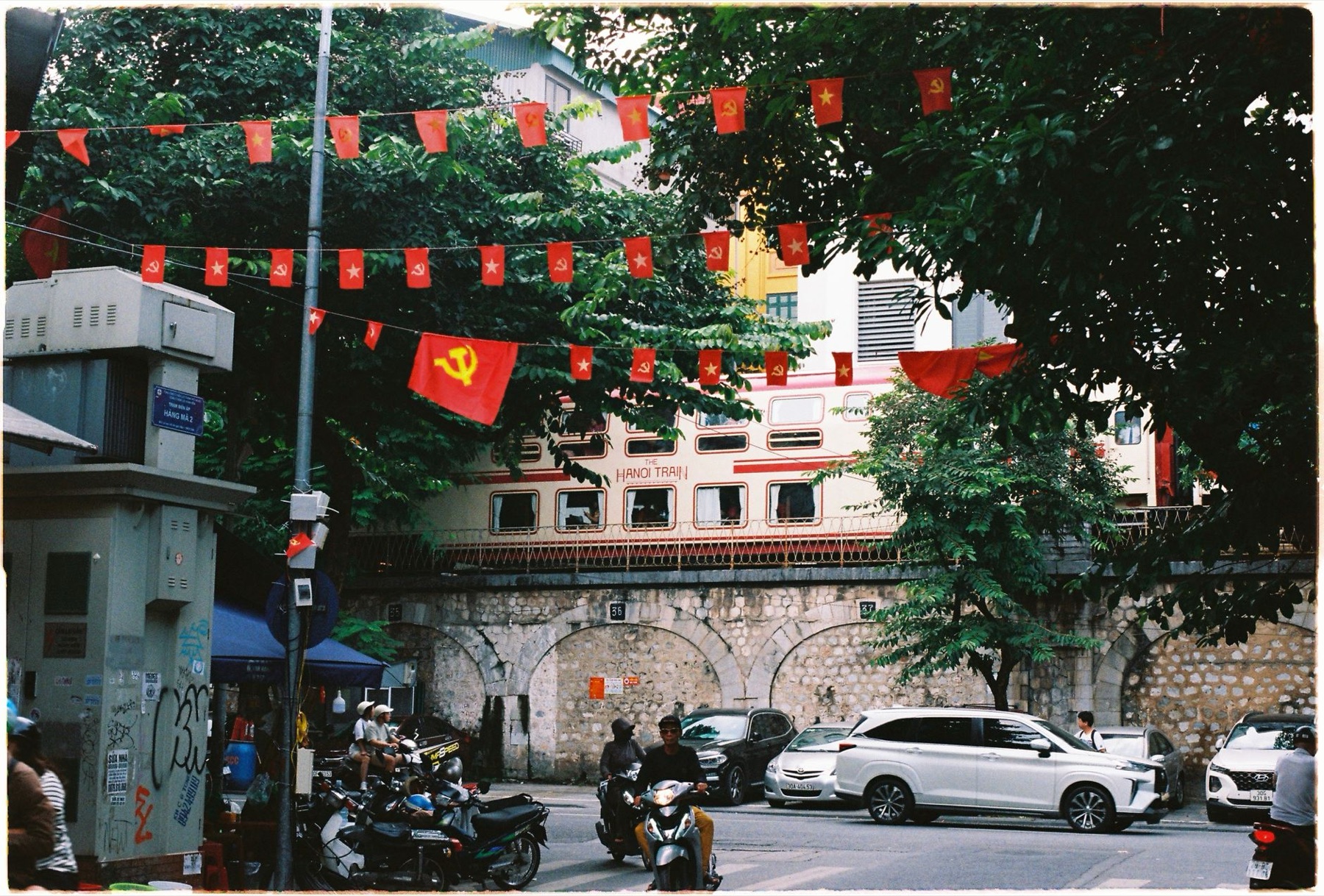
Train Street photo shoots: Illegal gatherings; trains hit at least two tourists yearly. Photos get the same angle everywhere. Worth zero risk for a cliché.
Bar crawls in Old Quarter: High prices (beer 80,000–150,000 VND / $4–7.50 USD), mediocre drink quality, fake friends. Locals drink beer in parks or at home.
"Authentic experiences" advertised to tourists: Motorcycle tours to "floating villages," cooking classes in franchised kitchens. Do it yourself: rent a motorbike and ride toward Vinh Phuc (1 hour north), eat where buses stop, watch farmers. Half the cost, all the memory.
Touts in the Old Quarter: "My brother/sister has a shop"; taxi drivers circling at Noi Bai Airport. Ignore. Use Grab or pre-arrange pickup.
Knockoff goods at Dong Xuan Market: Fake branded bags, watches, sunglasses. Quality poor; customs may seize on exit.
---
What to check before you go
- Visa: Vietnam e-visa required for most nationalities. Process online 3–7 days before travel.
- eSIM/mobile: Vietnam eSIM cheaper than roaming; Grab and maps need data.
- Motorbike safety: Wear a helmet (legally required; police fine 500,000 VND / $25 USD). Insurance not always included in rentals.
- Cash: ATMs abundant. Credit cards accepted in hotels, malls, tourist restaurants only. Carry VND for street food.
- Malaria/dengue: Hanoi city proper is low-risk. Rural trips (Sapa, Ninh Binh) warrant mosquito repellent and long sleeves at dusk.
- Seasonal: November–April is dry and cool (15–25°C). May–September is hot, humid, prone to flooding in low areas. Avoid mid-afternoon outdoors in summer.
---
Capturing memories that matter
Professional photos transform how you remember Hanoi. Cáo Studio offers áo dài photoshoots in Hanoi and Saigon—makeup, hair, traditional dress included—on meaningful locations: old streets, temples, lakeside. Sessions run 2 hours; images ready in 3–5 days. Prices and packages listed on their site. This beats selfies and phone-blur videos.
Alternatively, gift a photo memory to someone back home. Personalized keepsakes (star maps of Hanoi's night sky on the date you visited, engraved coordinates of favorite temples, map prints of neighborhoods you walked) turn fleeting moments into physical anchors.
📸 Book an ao dai photoshoot in Hanoi or Saigon (Cáo Studio)
---
How to build your itinerary
One week is minimum to feel Hanoi. Days 1–2: Old Quarter exploration, Hoan Kiem Lake mornings, street-food walks. Days 3–4: West Lake cycling, temple visits, night market. Day 5: Ha Long Bay or Ninh Binh day trip (see Ha Long Bay guide or Ninh Binh guide). Days 6–7: Return to favorite neighborhoods, tailoring pickup, last-minute markets.
Extend to 10 days? Add Sapa (overnight train, 8 hours) for hill-tribe markets and rice terraces. See Sapa guide.
Combine Hanoi with Ho Chi Minh City, Hoi An, or other Vietnam destinations. Trains and buses cheap (around 300,000–800,000 VND / $15–40 USD); overnight sleepers save accommodation costs.
🗺️ Plan your route: Vietnam itinerary
---
Remember: Hanoi is about rhythm, not rush
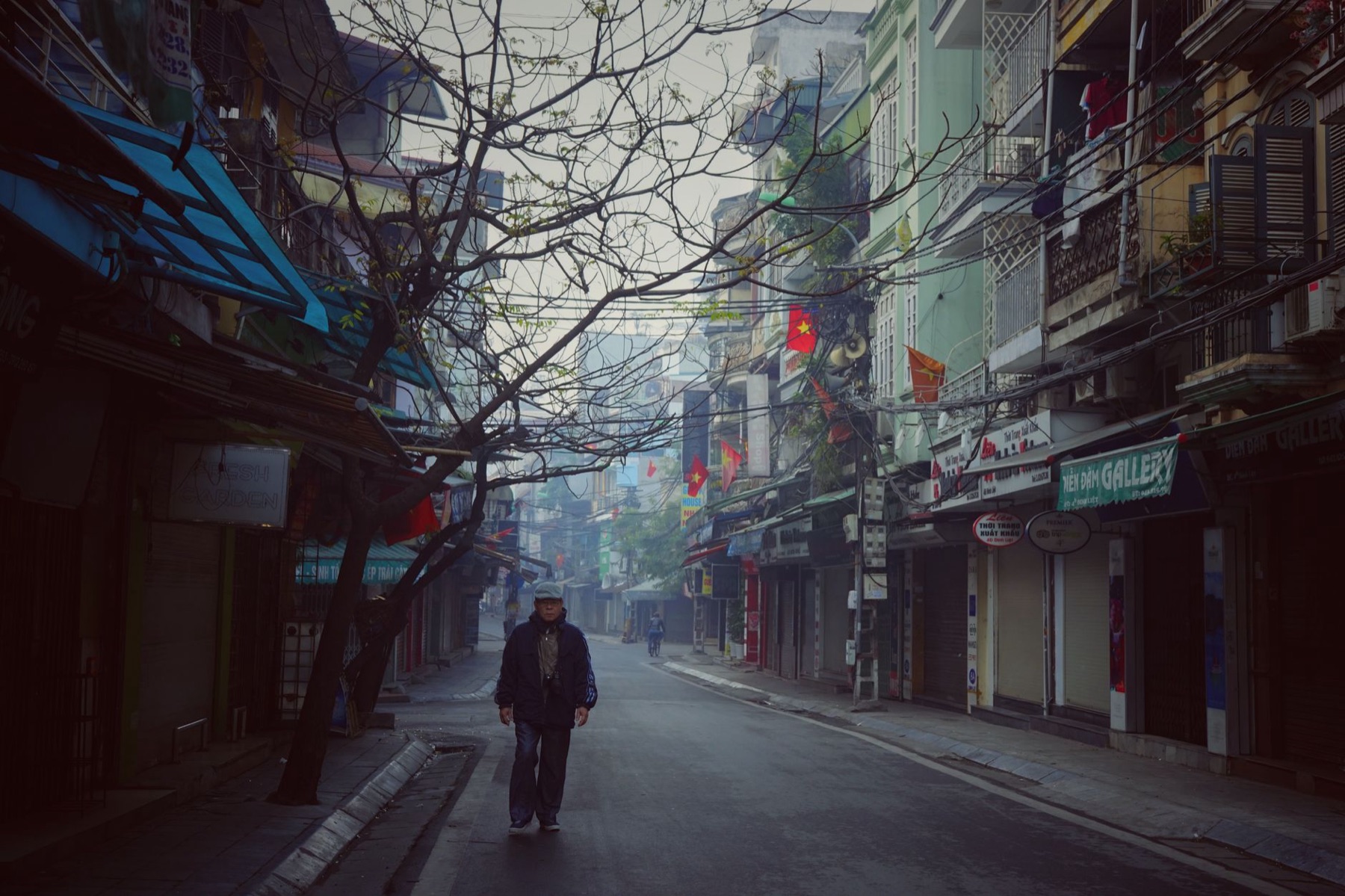
Wake early. Eat where queues form. Sit in a café for three hours with one coffee. Talk to someone without a phone. Temples aren't monuments; they're where people pray. Streets aren't photo sets; they're where families live and work. Speed kills the experience here.
The best day in Hanoi is one where nothing was planned and everything felt familiar.
FAQ
Do I need to speak Vietnamese to eat and move around Hanoi?
No. English is spoken in hotels, tourist restaurants, and by younger Hanoians in central districts. For street food and taxis, Google Translate, Grab app, or smiling and pointing work. Locals appreciate effort; learning five phrases (hello, thank you, how much, delicious, help) opens doors.
Is Hanoi safe for solo travelers?
Yes. Petty theft (bags, phones) is the main risk; violent crime against tourists is rare. Stay alert on crowded buses and markets. Trust your instincts. Use Grab after dark instead of flagging taxis. Women travelers report normal harassment (catcalls, stares) but report low violent crime if sensible.
What's the cheapest way to see Halong Bay from Hanoi?
Book budget bus-and-boat combos (around 800,000–1,200,000 VND / $40–60 USD, 12–14 hours round-trip) through hostels or online directly. Private day tours (around 2,000,000–3,000,000 VND / $100–150 USD) are faster but pricier. See Ha Long Bay guide for detailed options.
How long does a custom áo dài take, and is it worth it?
3–7 days; quality varies by tailor. Budget 1,500,000–3,000,000 VND ($75–150 USD) for semi-custom, up to 5,000,000 VND ($250 USD) for fitted silk. Walk the tailor's portfolio; ask for references. Fittings required. Worth it if you wear traditional dress; not worth it as a tourist novelty you'll never wear.
Should I take a motorcycle tour or rent and ride myself?
Rent if experienced; tour if first-time in Asia traffic. Self-rental (around 150,000–300,000 VND / $7.50–15 USD per day) is cheaper and freeing. Tours (500,000–1,500,000 VND / $25–75 USD per person, half-day) teach routes and culture but feel choreographed. Many travelers rent and loop back to safe hotel neighborhoods for confidence-building first.
What's the best souvenir from Hanoi that isn't tacky?
Silk from Hang Dao (ask for 100% mulberry; check seams), water puppets from artisan galleries (not mass-market), or personalized gifts like star maps or custom map prints tied to your dates and favorite spots. Avoid knockoffs and plastic "Vietnam" items. Local coffee (roasted in Hanoi, vacuum-sealed) is also practical and beloved.
FAQ
Do I need to speak Vietnamese to eat and move around Hanoi?
No. English is spoken in hotels, tourist restaurants, and by younger Hanoians in central districts. For street food and taxis, Google Translate, Grab app, or smiling and pointing work. Locals appreciate effort; learning five phrases (hello, thank you, how much, delicious, help) opens doors.
Is Hanoi safe for solo travelers?
Yes. Petty theft (bags, phones) is the main risk; violent crime against tourists is rare. Stay alert on crowded buses and markets. Trust your instincts. Use Grab after dark instead of flagging taxis. Women travelers report normal harassment (catcalls, stares) but report low violent crime if sensible.
What's the cheapest way to see Halong Bay from Hanoi?
Book budget bus-and-boat combos (around 800,000–1,200,000 VND / $40–60 USD, 12–14 hours round-trip) through hostels or online directly. Private day tours (around 2,000,000–3,000,000 VND / $100–150 USD) are faster but pricier. See [Ha Long Bay guide](/ha-long-bay) for detailed options.
How long does a custom áo dài take, and is it worth it?
3–7 days; quality varies by tailor. Budget 1,500,000–3,000,000 VND ($75–150 USD) for semi-custom, up to 5,000,000 VND ($250 USD) for fitted silk. Walk the tailor's portfolio; ask for references. Fittings required. Worth it if you wear traditional dress; not worth it as a tourist novelty you'll never wear.
Should I take a motorcycle tour or rent and ride myself?
Rent if experienced; tour if first-time in Asia traffic. Self-rental (around 150,000–300,000 VND / $7.50–15 USD per day) is cheaper and freeing. Tours (500,000–1,500,000 VND / $25–75 USD per person, half-day) teach routes and culture but feel choreographed. Many travelers rent and loop back to safe hotel neighborhoods for confidence-building first.
What's the best souvenir from Hanoi that isn't tacky?
Silk from Hang Dao (ask for 100% mulberry; check seams), water puppets from artisan galleries (not mass-market), or [personalized gifts](/collections/personalized-gifts) like star maps or custom map prints tied to your dates and favorite spots. Avoid knockoffs and plastic "Vietnam" items. Local coffee (roasted in Hanoi, vacuum-sealed) is also practical and beloved.