Hanoi · Things to do
Things to Do in Hanoi Vietnam: Top 25 Attractions & Local Tips
By Wander in Vietnam editorial team · Hanoi, Vietnam
Hanoi is not a sprint. The city rewards slow exploration—wandering narrow lanes at dawn, sitting in plastic chairs eating pho, taking a cyclo down flooded alleyways in summer rain. We've walked these neighborhoods for years and want to cut through the hype: some "must-see" spots feel crowded and overpriced, while the real magic happens in the gaps.
This guide names real streets, markets, and day trips. We'll tell you where locals actually eat, which temples justify the metro ride, and which tourist stops to skip. Then we'll show you how to take that experience home with thoughtful keepsakes that mean something.
What Makes Hanoi Different from Other Vietnamese Cities?
Hanoi is Vietnam's capital and oldest urban center. Unlike Ho Chi Minh City's sprawl and energy, or Hoi An's preserved merchant-town feel, Hanoi blends layers—1,000-year-old streets sit under French villas and Soviet-era apartment blocks. The pace is slower than Saigon, the history more embedded in daily life. Walking through Ba Dinh or Hoan Kiem Districts, you're seeing architecture and ritual that survived wars, not just tourism.
🗺️ Plan your route: Vietnam itinerary
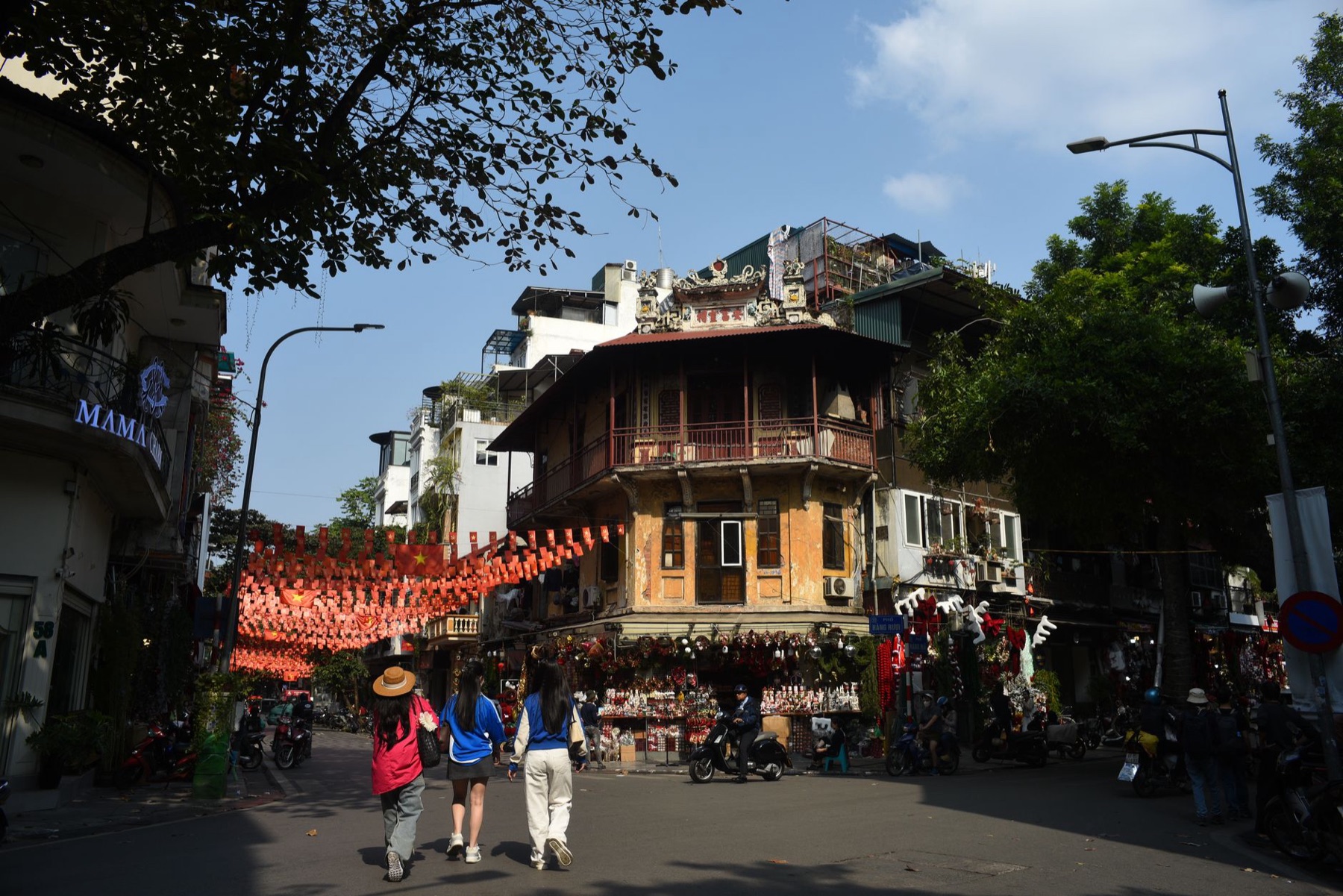
Where to Start: Old Quarter Walking (Hoan Kiem Lake Area)
The Old Quarter (36 Pho Gase, Hoan Kiem District) is tourist-heavy but unavoidable—it's the city's core. Streets are named by what they sold: Pho Ngan (silver), Pho Hang Gai (silk). Walk early (6–7 a.m.) before motorbikes choke the lanes. The lake itself is overrated for sightseeing; better to walk the perimeter, stop at a plastic-chair café for egg coffee (around 40,000–60,000 VND / $1.60–$2.40) or fresh sugarcane juice.
Real move: Skip the souvenir stalls. Buy silk scarves or lacquerware from makers in Hang Gai Street itself, where you can see artisans working. Prices run 100,000–300,000 VND ($4–$12) depending on size and quality.
Tourist trap to avoid: Cyclo "tours" from the lake's south side often overcharge tourists and end in gem shops. Stick to walking or use Grab (the local ride app).
Temples Worth the Trip (and Two to Skip)
Trấn Quốc Pagoda (Tran Quoc, north arm of Hoan Kiem Lake) is Hanoi's oldest temple, dating to the 6th century. It sits on a skinny peninsula with water views, and the interior is genuinely peaceful. Entrance is free; open early morning is best. Go on weekday mornings (8–10 a.m.) to avoid school groups.
One Pillar Pagoda (Chua Mot Cot, Ba Dinh District) is iconic but tiny and crowded. It's a 30-second look; don't make it a destination on its own. Combine it with the nearby Ho Chi Minh Mausoleum complex if you want context.
Temple of Literature (Van Mieu, Dong Da District) is a working Confucian university dating to 1070. Unlike cramped pagodas, this place has courtyards and calm. Entry is around 30,000 VND ($1.20). Worth 45 minutes.
What to skip: Tay Ho pagodas crowded with tour buses. Stick to Trấn Quốc.
Day Trips That Beat City Sightseeing
Ninh Binh (Trang An & Mua Cave). 2 hours south by car or train. Limestone karsts, boat rides through flooded valleys, and a scramble up Mua Cave for valley views. Better than Ha Long Bay for budget travelers—no seasickness, more manageable. Go early to avoid midday crowds. Full Ninh Binh guide.
Sapa (if you have 2+ days). Mountain town near the Chinese border. Night train from Hanoi, or fly. Cool air, emerald rice terraces, and Hmong markets. October–November is perfect weather. Full Sapa guide.
Hoa Binh Lake (1.5 hours west). Kayaking, homestays, quiet water. Less touristy than other options. Good for overnight escapes.
Bat Trang Ceramic Village (20 km southeast). Working pottery studios where you can watch kilns fire and buy directly from makers. Prices: a handthrown bowl costs 50,000–200,000 VND ($2–$8) depending on size and glaze. Go on a weekday to see potters at work.
What to pack for day trips: Hat, sunscreen (sun is relentless), a universal adapter (outlets use 220V), and an eSIM for mobile data.
Food: Where Locals Actually Eat
Breakfast (Breakfast Club). Pho, banh mi, or cot ga (shredded chicken on rice). Find any pho stall in the Old Quarter: 30,000–50,000 VND ($1.20–$2) a bowl. Breakfast places open 5–10 a.m. and sell out.
Bun Cha Street (Bun Cha Hang Manh, near Hoan Kiem). Grilled pork patties over rice noodles, pickled vegetables, and dipping sauce. Around 40,000–60,000 VND ($1.60–$2.40). This is what Obama ate; it's genuinely good, not a tourist gimmick.
Night Markets: Hang Buom (near the lake, evenings), Dong Xuan (indoor market in the Old Quarter, best in early morning for produce). Expect cooked food stalls, live seafood tanks, and chaos. Fun but bring cash and watch your bag.
Egg Coffee (Ca Phe Trung). Whipped egg yolk, condensed milk, and dark Vietnamese coffee. A signature experience but not life-changing. Around 30,000–50,000 VND ($1.20–$2). Try Cafe Giang (Hang Manh Street, Old Quarter) or anywhere selling it—the product is the same.
What to avoid: Tourist restaurants around Hoan Kiem Lake with laminated menus and English-speaking staff. Prices triple, quality drops.
| Meal Type | Where | Price (VND) | Price (USD) | Why It Works |
|---|---|---|---|---|
| Pho (breakfast) | Any Old Quarter stall | 30K–50K | $1.20–$2 | Authentic, fast, cheap |
| Bun cha | Hang Manh Street area | 40K–60K | $1.60–$2.40 | Local favorite, filling |
| Egg coffee | Hang Gai or Giang | 30K–50K | $1.20–$2 | Unique to Hanoi, worth once |
| Crab (Com Cua) | Hang Be Street | 60K–100K | $2.40–$4 | Seasonal (Sept–Nov best) |
| Fresh spring rolls | Market stalls | 15K–25K | $0.60–$1 | Vegetable-heavy, light |
Museums & Cultural Sites That Actually Tell Stories
Vietnam National Museum of History (Tong Thong Nhat Street, Ba Dinh District). Covers pre-history to the 20th century. Entry around 40,000 VND ($1.60). 2–3 hours. Some exhibits are dated but the context helps you understand the city's layers.
Ho Chi Minh Mausoleum Complex (Ba Dinh District). Free to enter the grounds; the mausoleum itself (where his body lies) requires a guided tour, restricted hours, and respectful dress. Go early (7–8 a.m.). The surrounding gardens and museums are the real draw.
Prison Hoa Lo (The Hanoi Hilton). Former French colonial prison, later used during the American War. Sobering and honest—no sugar-coating. Entry around 30,000 VND ($1.20). 1.5 hours.
Hanoi Opera House (Trang Tien Street). Striking French architecture (1910). You can walk past and look, or catch a show (check schedules in advance; performances are seasonal).
What to skip: The Thang Long Water Puppet Theater. It's a tourist show with little artistic depth. Overpriced at 100,000+ VND ($4+) for mediocre puppetry.
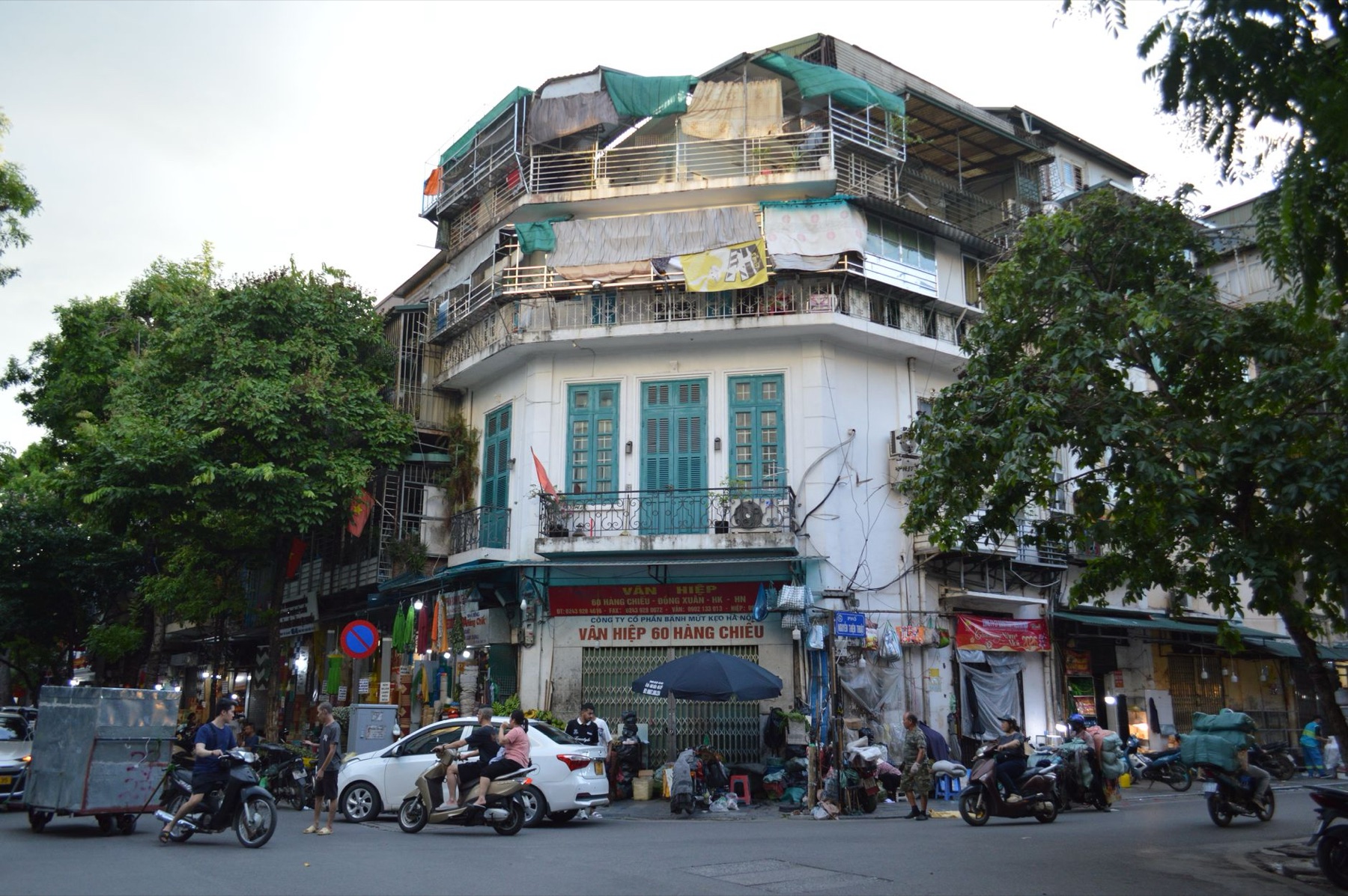
Getting Around & What to Know Before You Go
Motorbike taxis (Grab Bike). The fastest way to move. Download the Grab app, set your pickup and destination. Costs 10,000–40,000 VND ($0.40–$1.60) depending on distance. Helmet included; traffic feels chaotic but drivers are skilled.
Regular taxis. Vinasun and Taxi CP are reputable. Use the app or flag on the street. Drivers rarely speak English.
Buses. Cheap (3,000–7,000 VND / $0.12–$0.28) but routes are confusing without Vietnamese. Skip unless you have time to figure it out.
Walking. The best way to see neighborhoods like Ba Dinh, Tay Ho, or the Old Quarter. Wear comfortable shoes; streets are uneven. Motorbikes come silently; listen and walk predictably.
What to check before you do anything in Hanoi:
- Visa status: Vietnam e-visa information. Most visitors get a 90-day tourist visa; processing takes 3–5 days online.
- SIM card or eSIM: eSIM for Vietnam. Grab and Google Maps need data. Local SIM cards cost 20,000–50,000 VND ($0.80–$2) with data packages.
- Weather: October–November = cool and dry (best). April–September = hot and humid or rainy. December–January = cold (10–15°C / 50–59°F), light jackets needed.
- Cash vs. card: ATMs are everywhere but charge fees. Bring USD or use local ATMs. Smaller stalls take cash only.
- Scams to avoid: Taxi meter "broken," unmarked tours offering gem shop detours, beer hug girls in the Old Quarter, fake tour guides claiming to be official. Use Grab for transport; book tours through established shops or your hotel.
Capturing Memories: Keepsakes That Matter
After a week in Hanoi, you'll want something that isn't a plastic "I ❤️ Hanoi" keychain. Consider these:
Ao Dai Photoshoot. A professional photoshoot in traditional Vietnamese dress, often shot in Hoan Kiem Lake area or the Old Quarter at sunrise. Hair and makeup included. This gives you images you'll actually display. Book an ao dai photoshoot with Cáo Studio in Hanoi.
Silk Scarves or Hand-Woven Textiles. Buy directly from makers on Hang Gai Street (Old Quarter). A quality scarf costs 100,000–300,000 VND ($4–$12) and is lightweight to pack.
Lacquerware. Traditionally made bowls, boxes, or coasters. Support small workshops rather than tourist shops. Expect 150,000–500,000 VND ($6–$20) for a decent piece.
Personalized Star Map or Landmark Print. A custom print showing Hanoi's exact skyline or key landmarks on the night you arrived. Lightweight, ships flat, and meaningful when you're home. Browse custom art & prints collection.
Ceramic Pieces from Bat Trang. Bring home a handthrown bowl or serving dish from the potters themselves (20 km day trip). A bowl runs 50,000–200,000 VND ($2–$8).
Engraved Keepsake Box. For storing your Hanoi photos, ticket stubs, or dried flowers. Personalizes easily. Browse keepsake & storage collection.
📸 Book an ao dai photoshoot in Hanoi or Saigon (Cáo Studio)
Honest Gaps: What Tourists Miss
Most first-time visitors stick to Hoan Kiem Lake, the Old Quarter, and one temple. They miss the real neighborhoods. Walk through Dong Da District (south of the Old Quarter) in the morning—you'll see locals buying produce, kids playing, no tourists. Sit at a plastic chair, order a coffee, and watch. That 30 minutes beats most "attractions."
Tay Ho Suburb (northwest) is where Hanoi's expats and wealthier locals live. Lake Tay Ho has a walking path, quiet restaurants, and homestays. Less touristed than the city center.
Flower Delivery. If you're staying a few days and want to surprise someone (or brighten your accommodation), send flowers via Hoa Lang Thang, a local florist. Fresh, same-day delivery across Hanoi.
What You Actually Need for a Hanoi Trip
| Item | Why | Price Range (VND) | Price Range (USD) |
|---|---|---|---|
| Comfortable walking shoes | Streets are uneven; you'll walk 10k+ steps daily | 500K–2M | $20–$80 |
| Hat & sunscreen | Sun + humidity = sunburn faster than expected | 50K–200K | $2–$8 |
| Power adapter (220V) | Most outlets are 2-round-pin; USB adapters are cheaper | 50K–150K | $2–$6 |
| Backpack or crossbody bag | Hands-free for motorbike rides; secure for crowds | 100K–500K | $4–$20 |
| Lightweight rain jacket | Afternoon rains are sudden (May–Sept especially) | 200K–600K | $8–$24 |
| eSIM or local SIM | eSIM for Vietnam is easiest; local SIM costs less | 0–100K (eSIM abroad) | $0–$4 |
Getting There & Planning Your Route
Flying into Hanoi, most arrive at Noi Bai International Airport (30 km north). Airport transfer: Grab motorbike 80,000–120,000 VND ($3.20–$4.80), Grab car 200,000–300,000 VND ($8–$12).
If you're building a longer Vietnam trip: Hanoi works well as a north-starting point, then head south through Ninh Binh, Ha Long Bay, Hoi An, and finish in Ho Chi Minh City. Or fly to Sapa from Hanoi for mountain culture, then return to the city. Use our Vietnam itinerary planner to map your route.
🎟️ Compare tours & tickets for this place
Why Hanoi Beats the Tourist Checklist
The city's appeal isn't a single monument—it's the rhythm. Markets at 5 a.m., incense smoke drifting from temple courtyards, children in school uniforms weaving through motorbikes, noodle vendors chanting. That's what stays with you, not another photo of a famous pagoda.
Spend time, not just days. Eat where locals eat. Take the long walk home instead of the quick cab. Bring a journal and a camera—or better, an ao dai outfit and a professional photoshoot—and let the city show you something real.
FAQ
How long should I spend in Hanoi?
3–4 days minimum to walk neighborhoods, eat well, and take a day trip. Less feels rushed; more gives you time to slow down and find your favorite pho stall. Most travelers do 3 days city + 1 day outside.
Is it safe to travel alone in Hanoi as a woman?
Yes. The city is generally safe for solo female travelers. Avoid walking alone very late (after midnight) in unfamiliar areas. Use Grab instead of unmarked taxis at night. The biggest risk is theft in crowded markets—keep valuables close.
What's the best time to visit Hanoi?
October–November (cool, dry, 15–25°C / 59–77°F) and February–March. Avoid April–September (40°C / 104°F heat, humidity), and December–January (cold, drizzle). Tet (Lunar New Year, late January / early February) is festive but tourist-busy.
Can I rent a motorbike and ride around Hanoi?
Not recommended for first-time visitors. Traffic is chaotic; most foreigners lack the reflexes. After a week, maybe a short rural ride with a guide. Use Grab for city transport.
How much money should I budget per day in Hanoi?
Budget $25–50/day if you eat street food, use Grab, and skip luxury hotels. Mid-range travelers spend $50–100/day (nicer cafés, guesthouses, one paid tour). This doesn't include flights or longer day trips.
What's the best souvenir to buy in Hanoi?
Silk scarves from Hang Gai Street, ceramics from Bat Trang potters (buy direct), or a custom art print showing the city. Avoid mass-produced "Hanoi" items; look for items with actual craft or personal meaning—or commission a professional ao dai photoshoot that you'll treasure forever.
FAQ
How long should I spend in Hanoi?
3–4 days minimum to walk neighborhoods, eat well, and take a day trip. Less feels rushed; more gives you time to slow down and find your favorite pho stall. Most travelers do 3 days city + 1 day outside.
Is it safe to travel alone in Hanoi as a woman?
Yes. The city is generally safe for solo female travelers. Avoid walking alone very late (after midnight) in unfamiliar areas. Use Grab instead of unmarked taxis at night. The biggest risk is theft in crowded markets—keep valuables close.
What's the best time to visit Hanoi?
October–November (cool, dry, 15–25°C / 59–77°F) and February–March. Avoid April–September (40°C / 104°F heat, humidity), and December–January (cold, drizzle). Tet (Lunar New Year, late January / early February) is festive but tourist-busy.
Can I rent a motorbike and ride around Hanoi?
Not recommended for first-time visitors. Traffic is chaotic; most foreigners lack the reflexes. After a week, maybe a short rural ride with a guide. Use Grab for city transport.
How much money should I budget per day in Hanoi?
Budget $25–50/day if you eat street food, use Grab, and skip luxury hotels. Mid-range travelers spend $50–100/day (nicer cafés, guesthouses, one paid tour). This doesn't include flights or longer day trips.
What's the best souvenir to buy in Hanoi?
Silk scarves from Hang Gai Street, ceramics from Bat Trang potters (buy direct), or a custom art print showing the city. Avoid mass-produced "Hanoi" items; look for items with actual craft or personal meaning—or commission [a professional ao dai photoshoot](https://vietnamphotoshoot.com/hanoi) that you'll treasure forever.