Ho Chi Minh City · Things to do
Things to Do in Ho Chi Minh City: Attractions & Hidden Spots
By Wander in Vietnam editorial team · Hanoi, Vietnam
Ho Chi Minh City's attractions aren't confined to guidebook highlights. Sure, War Remnants Museum and Notre-Dame Basilica matter—they do—but the city reveals itself more honestly in the noise of Ben Thanh Market at 7 a.m., in the quiet of Jade Emperor Pagoda tucked behind street vendors, and in the deliberate slowness of District 1's Nguyen Hue Walking Street at sunset.
We'll walk you through the real lay of the land: what to see, how long it takes, what costs almost nothing, and what's worth the queue. By the end, you'll know whether to rush or linger, and how to anchor your trip around a keepsake.
What Are the Top Five Must-See Attractions in Ho Chi Minh City?
War Remnants Museum (District 1, Le Van Tam St) remains unavoidable—its raw photographic record demands at least 2–3 hours. Expect emotional weight, not entertainment. Saigon Cathedral (District 1, 1 Công Xã Paris) sits opposite the museum; Gothic revival architecture, free entry, 30 minutes. Ben Thanh Market (District 1, Le Loi St) is less tourist trap than it seems if you arrive by 7 a.m.; explore the fabric, ceramic, and spice sections rather than ground-floor tourist wares. Jade Emperor Pagoda (District 10, Mai Thi Luu St) is the city's most ornate; incense, wooden statues, narrow halls—arrive mid-morning or after 4 p.m. to miss crowds. Bitexco Financial Tower (District 1, 2 Hai Trieu St) offers the cheapest elevated city view (around 200,000–250,000 VND / $8–10 USD for the Skydeck observation deck). Buy tickets at ground floor; lines move fast if you go between 10 a.m.–noon.
🎟️ Compare tours & tickets for this place
None require advance booking except War Remnants on peak weekends. Expect crowds Saturdays and Sundays; weekday mornings are gentler.
Where Should I Eat While Exploring Ho Chi Minh City?
Street food is the real attraction here, not a side quest. Ben Thanh Market's east entrance (early morning) has bánh mì stalls and com tam (broken rice) vendors—budget 30,000–50,000 VND ($1.20–2 USD) per bowl. Nguyen Hue Walking Street (District 1, pedestrian mall open evenings Fridays–Sundays) has sit-down noodle shops and juice stands on side alleys; the street itself is better for walking and photos than eating.
For seated meals: District 1's Pasteur Street has decades-old pho and bánh hoài spots (25,000–40,000 VND / $1–$1.60 USD). District 10, around the Jade Emperor Pagoda, is quieter—family com tấm places, no English menus, 35,000–60,000 VND ($1.40–$2.40 USD). Skip the tourist-branded "pho restaurants"; hunt instead for hole-in-wall spots with plastic stools where locals sit.
Breakfast: cơm tấm (broken rice with pork, egg, pickles) or bánh mì (35 years a standard). Lunch: phở or bánh hoài (chewy crêpe street food). Dinner: grilled meats on Pasteur Street or riverside District 1.
Scams to avoid: taxis from your hotel lobby (use Grab app instead; around 40,000–80,000 VND / $1.60–$3.20 for most short trips). Don't pay marked prices in Ben Thanh Market stalls; ask locals the going rate. Avoid overpriced "tourist pho" along Bui Vien Street (the backpacker zone); it's diluted.
What's Worth Doing in Neighborhoods Beyond Downtown?
Thao Dien (District 2, east bank, a 10-minute taxi from War Remnants Museum—around 60,000–80,000 VND / $2.40–$3.20) is where expats and younger Vietnamese photographers congregate. Narrow alleyways, vintage cafés, and low-key art galleries make it ideal for aimless wandering and camera work. Expect Instagram aesthetics and working professionals. No major "attractions," but it's genuine neighborhood life.
District 10, around Jade Emperor Pagoda and Nguyen Trai Street, is gritty residential—old villas, local coffee shops, zero English. It rewards random walking; you'll find family-run dumplings (bánh cuốn), secondhand bookstalls, and elderly Vietnamese playing cards in doorways. Feels like Saigon of 20 years ago.
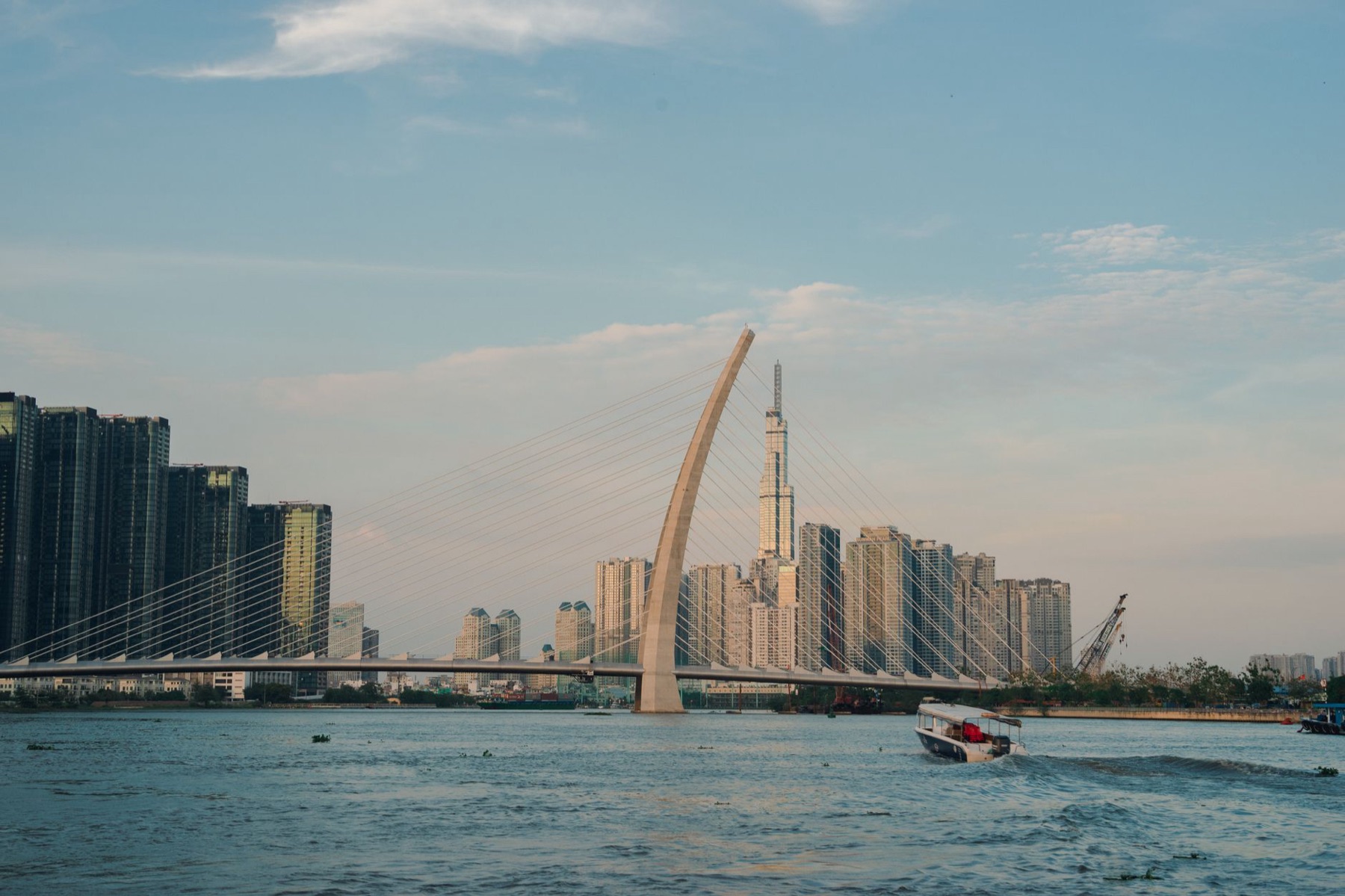
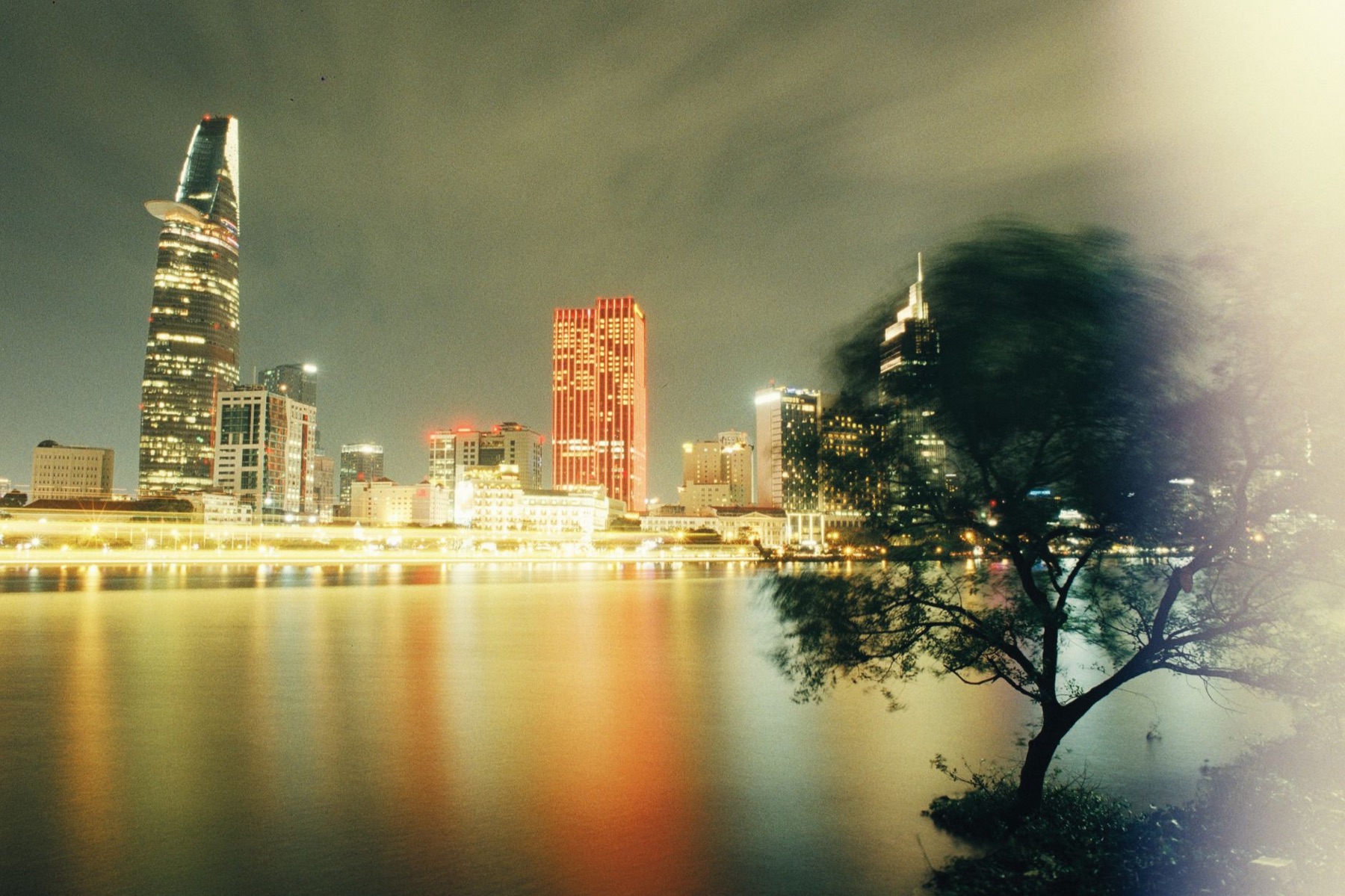
Bitexco area and riverside (District 1, south of Nguyen Hue) is where locals jog at 6 a.m. and sit on concrete benches at dusk. It's slow, underdeveloped as a "scene," and free. A coffee costs 15,000–25,000 VND ($0.60–$1 USD) at standing cafés. The water itself is brownish; view it as urban peace, not beauty.
🗺️ Plan your route: Vietnam itinerary
Skip the "tourism zones" of Bui Vien Street (backpacker bars, inflated prices) and the overlit District 1 café chains. Real Ho Chi Minh City is in District 10 and north Thao Dien.
How Much Time Should I Spend in Ho Chi Minh City?
| Timeframe | What Fits | Pacing | Real Feel? |
|---|---|---|---|
| 1 day | War Remnants, Jade Emperor, Ben Thanh, Bitexco | Rushed | Postcard-only |
| 2 days | Above + street food, Thao Dien walk, riverside evening | Moderate | Captures core |
| 3 days | Above + local neighborhoods, café hopping, random alleys | Relaxed | Honest rhythm |
| 4+ days | Above + day trip to Cu Chi Tunnels or Mekong Delta + repeat zones | Luxe | Settles in |
Most tourists land for 1–2 days between beach trips (Nha Trang, Da Nang) or heading north to Hanoi or Hoi An. That's enough to get the pulse but not the depth. If you have 3+ days, don't optimize—sit in alleys, order coffee, lose the itinerary.
How Do I Actually Navigate the City Without Getting Lost?
Download Grab (Southeast Asia's Uber equivalent) before arrival. No street-hailing needed; it costs 40,000–100,000 VND ($1.60–$4 USD) for most rides. Grab also has bike (motorcycle taxi) and car tiers; bikes are faster in congested areas but riskier for beginners.
Walking: Districts 1 and 10 are navigable on foot. Bring water; it's hot and humid year-round (25–35°C / 77–95°F). Wear comfortable shoes—pavements are uneven.
📸 Book an ao dai photoshoot in Hanoi or Saigon (Cáo Studio)
Metro (Ben Thanh–Suoi Tien line) opened in 2021 but doesn't cover main attractions yet. Skip it unless you're heading far north.
Taxis: negotiable meters, slower than Grab. Never take unmarked cabs from hotels or streets.
Get a Vietnam eSIM for your phone or a local SIM (around 50,000–100,000 VND / $2–$4 with data) to use Grab and maps offline.
What Keepsakes or Gifts Capture Ho Chi Minh City?
Before you leave, consider taking or sending a reminder of the city's texture. Ao dai photo prints or custom framed street photography anchor memories of specific neighborhoods. Silk scarves or handwoven textiles from Ben Thanh Market cost 100,000–300,000 VND ($4–$12 USD) and feel handmade, not mass-produced. Ceramic bowls or Vietnamese coffee sets (from market stalls or workshop areas in Thao Dien) carry the ritual of slow mornings home.
| Keepsake Type | Who It's For | Why It Works |
|---|---|---|
| Framed street photo (custom print) | Visual travelers, designers | Specific memory; personal angle |
| Silk scarf (hand-dyed) | Gift-givers, home décor | Texture; supports craftspeople |
| Ceramic coffee set | Daily-use loyalists | Ritual anchor; reminds you of pace |
| Ao dai photo (professional shoot) | Formal keepsake seekers | Cultural immersion; heirloom feel |
| Vintage map or watercolor | History lovers, collectors | Unique; supports local artists |
For a professional keepsake, Cáo Studio offers ao dai photoshoots in Saigon—professional styling, makeup, and photography in cultural dress. It's a 2–3 hour session (makeup, wardrobe, riverside or alley shoots) and delivers prints or digital files within a week. Prices vary by package; book 1–2 days ahead.
For something to send home, we recommend browsing small galleries in Thao Dien or commissioning a street-scene watercolor from local artists near Ben Thanh Market (often 300,000–800,000 VND / $12–$32 USD for A4–A3 size).
🎟️ Compare tours & tickets for this place
What Should I Check Before Booking a Tour or Activity?
Before you commit time and money:
- Confirm the meeting point in writing—most "official" tours list hotels you don't recognize. Ask the operator directly or verify via Grab's location feature.
- Ask group size—"small group" can mean 12 people; if you want 4–6, ask explicitly or hire a private guide.
- Clarify what's included—lunch, transport, entry fees, drinking water all matter. "Full day" often means 8 hours, not 10.
- Check cancellation policy—if weather or circumstances shift, can you get a refund or reschedule?
- Verify the guide's English level—some "English-speaking" guides are functional; if you want stories and history, test their knowledge first.
- Read recent reviews on independent sites (not just the operator's own page)—look for complaints about timing, hidden fees, or rushed pacing.
Cu Chi Tunnels (a popular day trip, 1–2 hours north) and Mekong Delta boat tours (south, 1.5–2 hours) are worth half a day but often feel rushed in group format. If you have the budget, hire a private driver or guide through your itinerary planner to move at your pace.
---
FAQ
Is Ho Chi Minh City safe for solo travelers?
Yes. Use Grab instead of street taxis, avoid walking alone late at night in District 1 backpacker zones, and keep bags close in markets. Petty theft exists; serious crime against tourists is rare. Women travelers report fewer hassles here than in some Southeast Asian cities.
What's the best time to visit Ho Chi Mihn City?
November–February (cool, dry, 18–25°C / 64–77°F). June–September is monsoon season; hot, wet, unpredictable flooding in some areas. March–May and October are shoulder months—warm but less crowded. Tet (Lunar New Year, late January–early February) closes most attractions for 3–4 days; avoid if you want to sightsee.
How much should I budget per day in Ho Chi Minh City?
Budget travelers: 30–50 USD (hostels, street food, free walking). Mid-range: 60–120 USD (modest hotels, mix of dining, one paid attraction). Comfort: 150+ USD (nice hotels, restaurants, tours, transport). Most attractions cost 0–250,000 VND ($0–$10 USD) per entry.
Can I do Ho Chi Minh City as a day trip from another city?
Not recommended if you're coming from the beach (Nha Trang, Vung Tau). Flights or buses take 1.5–4 hours each way. Better as a 1–2 night stop between Hanoi (2-hour flight) and Hoi An or beach destinations.
What's overrated in Ho Chi Minh City?
Expensive "rooftop bars" with mediocre cocktails (50–150,000 VND / $2–$6 USD elsewhere; bars charge 200,000+ / $8+ USD). The Ben Thanh Market tourist zones (ground floor). Tourist-trap restaurants on Bui Vien Street. Instead: riverside cafés, neighborhood pubs, street vendors.
Do I need a visa for Ho Chi Minh City?
Most visitors need a Vietnam visa. You can apply online via the Vietnam e-visa portal (single-entry visa, around $25 USD, 3-day processing) or arrange on arrival (sometimes pricier). Check your nationality's requirements; EU, US, UK, and Australian citizens need visas; a few ASEAN nations don't. Apply 1 week ahead to avoid rush fees.
FAQ
Is Ho Chi Minh City safe for solo travelers?
Yes. Use Grab instead of street taxis, avoid walking alone late at night in District 1 backpacker zones, and keep bags close in markets. Petty theft exists; serious crime against tourists is rare. Women travelers report fewer hassles here than in some Southeast Asian cities.
What's the best time to visit Ho Chi Mihn City?
November–February (cool, dry, 18–25°C / 64–77°F). June–September is monsoon season; hot, wet, unpredictable flooding in some areas. March–May and October are shoulder months—warm but less crowded. Tet (Lunar New Year, late January–early February) closes most attractions for 3–4 days; avoid if you want to sightsee.
How much should I budget per day in Ho Chi Minh City?
Budget travelers: 30–50 USD (hostels, street food, free walking). Mid-range: 60–120 USD (modest hotels, mix of dining, one paid attraction). Comfort: 150+ USD (nice hotels, restaurants, tours, transport). Most attractions cost 0–250,000 VND ($0–$10 USD) per entry.
Can I do Ho Chi Minh City as a day trip from another city?
Not recommended if you're coming from the beach (Nha Trang, Vung Tau). Flights or buses take 1.5–4 hours each way. Better as a 1–2 night stop between [Hanoi](/hanoi) (2-hour flight) and [Hoi An](/hoi-an) or beach destinations.
What's overrated in Ho Chi Minh City?
Expensive "rooftop bars" with mediocre cocktails (50–150,000 VND / $2–$6 USD elsewhere; bars charge 200,000+ / $8+ USD). The Ben Thanh Market tourist zones (ground floor). Tourist-trap restaurants on Bui Vien Street. Instead: riverside cafés, neighborhood pubs, street vendors.
Do I need a visa for Ho Chi Minh City?
Most visitors need a Vietnam visa. You can apply online via the [Vietnam e-visa portal](/vietnam/visa) (single-entry visa, around $25 USD, 3-day processing) or arrange on arrival (sometimes pricier). Check your nationality's requirements; EU, US, UK, and Australian citizens need visas; a few ASEAN nations don't. Apply 1 week ahead to avoid rush fees.
More: Ho Chi Minh City travel guide · Things to do in Ho Chi Minh City