Ho Chi Minh City · Things to do
Things to See and Do in Ho Chi Minh City: Local Guide 2026
By Wander in Vietnam editorial team · Hanoi, Vietnam
Ho Chi Minh City sprawls across 21 districts and covers 2,000+ square kilometres. Most travellers spend 3–5 days here and see only the central core (District 1, Tan Dinh). But the real city—craft cafés, old markets, neighbourhood temples, and genuine street food—spreads across Binh Thanh, Districts 3 and 7, and outlying wards. This guide cuts through the noise.
What museums and historical sites are actually worth visiting?
The War Remnants Museum (23 Vo Van Tan, District 3) is heavy, honest, and confronting. It shows the Vietnam War from Vietnamese perspective—not a Western tourist attraction. Budget 2–3 hours; morning entry avoids crowds. Reunification Palace (135 Nguyen Hue, District 1) is a 1960s presidential compound; tours are escorted and short, around 30–40 minutes. The Bitexco Financial Tower (2 Hai Trieu, District 1) has a sky deck with Saigon River views—cheaper than most Southeast Asian skyscrapers and open until late. Skip overrated "war museums" in touristy cafés; visit the real one.
Ben Thanh Market (Tan Dinh Ward, District 1) opened 1914 and still smells like a working market, not a souvenir trap. Early morning (06:00–08:00) is genuine; by midday, tourist stalls dominate. The Jade Emperor Temple (73 Mai Thi Luu, District 1) sits in Binh Thanh and feels lived-in—locals pray, incense fills narrow corridors, no entrance fee. Arrive before 10:00 or after 16:00 to avoid crowds and heat.
🗺️ Plan your route: Vietnam itinerary
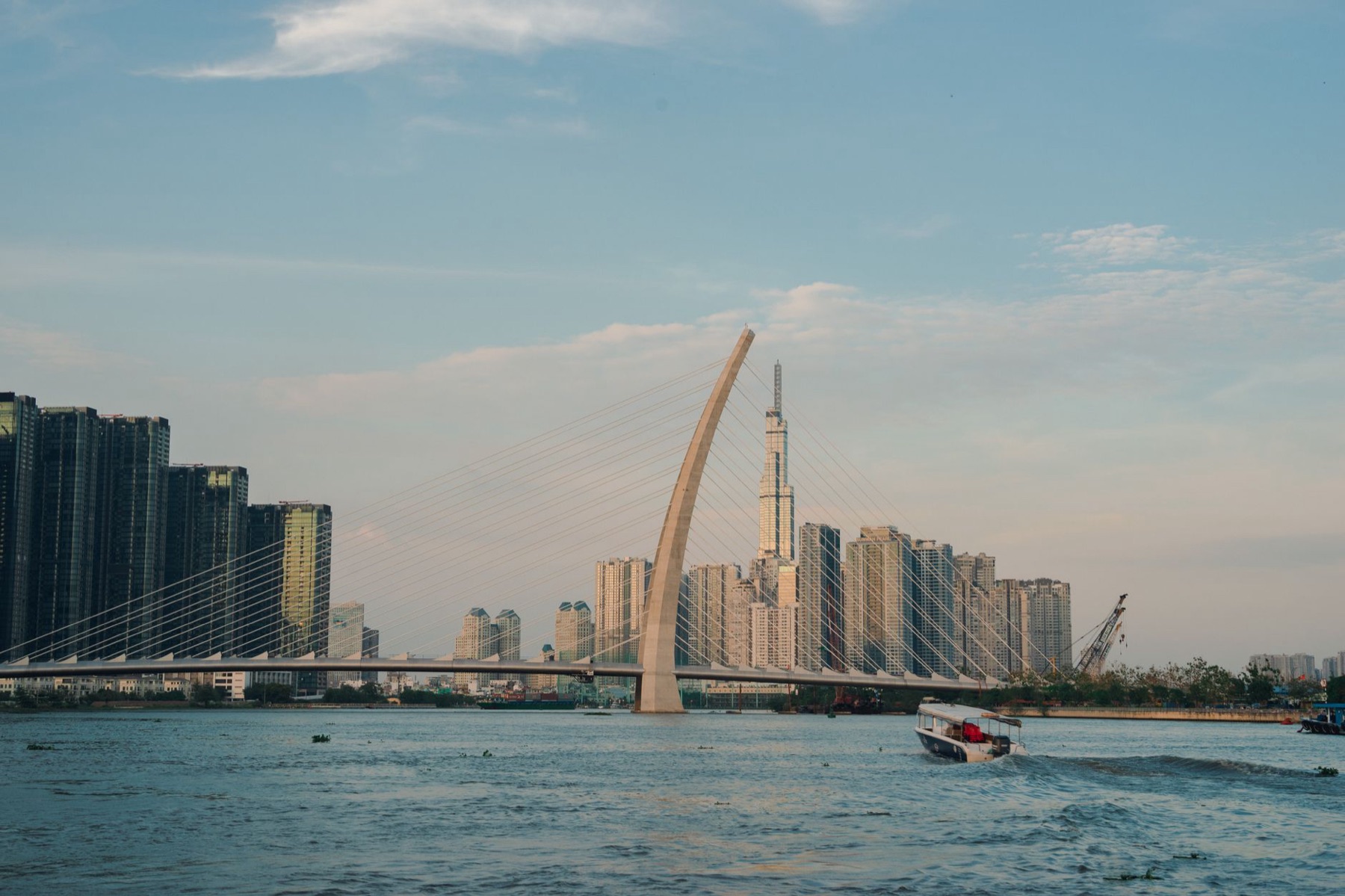
Which neighbourhoods feel like real Saigon, not tourist traps?
District 1 is necessary but surfaces only. Tan Dinh Ward (part of District 1) runs Nguyen Hue toward the river and contains backpacker streets, but side alleys like Ngo Duc Ke hide excellent old-school pho stalls and local coffee shops. Binh Thanh District spreads east; here, apartment blocks, breakfast spots, and temples mix without performance. Visit Tao Duc Ward for independent design cafés and narrow alley-ways where locals actually live.
District 7 (Phu My Hung) feels like a modern suburb and isn't "authentic" Saigon—it's sterile. Skip it unless you're hunting specific shopping malls. District 3 (Vo Thi Sau area) has French colonial villas, small galleries, and heritage cafés; it's quiet and walkable. District 4 wraps the Saigon River and is mostly residential but holds a few waterfront parks.
The real move: rent a motorbike taxi (Grab, around 50,000–150,000 VND / $2–6 USD per trip) and cruise Nguyen Hue, Le Loi, and Dong Khoi at dusk. Watch the city shift from business mode to nightlife. Stop at random beer stalls (bia hoi joints, beers from 15,000–30,000 VND / $0.60–1.20) and chat with locals.
What's the best way to see the Saigon River and sunset?
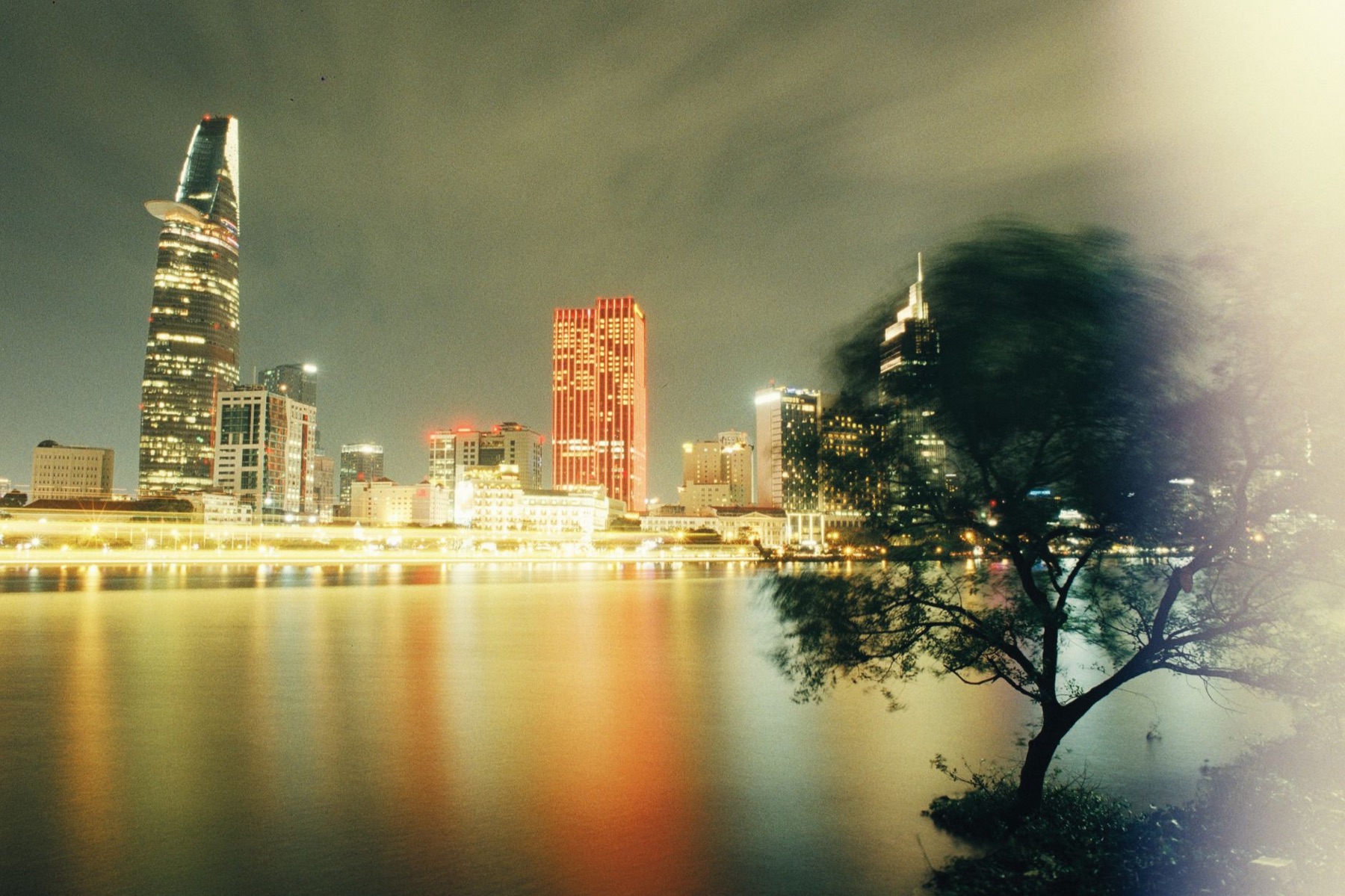
Walk the riverside path from Bitexco toward Thao Dien (District 7); it's free, clean, and tree-lined. Sunset is 17:30–18:30 year-round here. Avoid riverside restaurants unless you're already seated; they're overpriced for views. A faster option: Cruise tours leave from Tan Cang Saigon port, but book directly with operators (not hotels or hostels) to cut 30–50% markup. Expect 2-hour cruises from around 400,000–600,000 VND / $16–24 USD per person, including soft drinks.
The Saigon River itself is brown and industrial—manage expectations. The real magic is the city reflected at night and the sense of scale. Go for atmosphere, not pristine scenery.
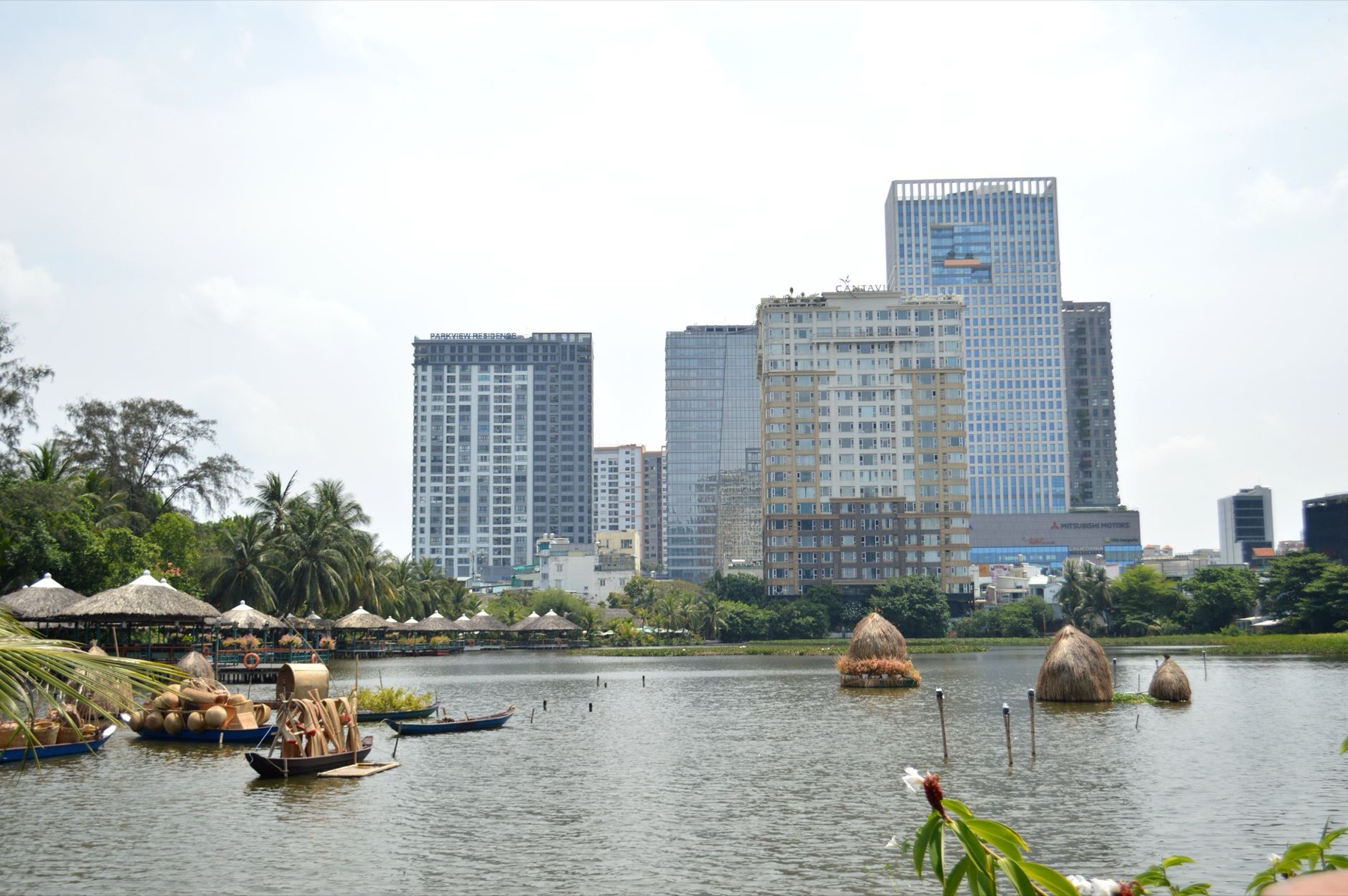
What food and street-eating neighborhoods should you actually explore?
Tan Dinh Ward (District 1) is the honest food hub: Cao Thang Street and alleys around Ngo Duc Ke burst with pho, banh mi, and crab noodle stalls from 05:00–23:00. Breakfast: sticky rice with grilled chicken (com tam, 30,000–50,000 VND / $1.20–2 USD). Lunch: crab noodle soup (banh canh cua, 60,000–90,000 VND / $2.40–3.60). No English signs. Sit on plastic stools; pay cash.
An Dong Market (District 5, Cho Lon area) is sprawling and for locals—textiles, housewares, and food. The food court (second floor) serves dim sum, noodles, and rice dishes 06:00–13:00 for 40,000–80,000 VND / $1.60–3.20 each. It's hectic, authentic, and no tourist photos.
Binh Thanh District's Tao Duc Ward has cafés (many specialty coffee shops, 50,000–80,000 VND / $2–3.20 per cup) alongside pho and banh mi joints. Walk without agenda; eat where locals queue.
🎟️ Compare tours & tickets for this place
How should you spend 3–5 days in Ho Chi Minh City without wasting time?
| Day | Morning | Midday | Afternoon / Evening |
|---|---|---|---|
| 1 | Arrive; settle District 1 | Ben Thanh Market or Tan Dinh food | Bitexco Tower sunset & riverside walk |
| 2 | War Remnants Museum | Lunch in Tan Dinh or Binh Thanh | Jade Emperor Temple, then district 3 cafés |
| 3 | Reunification Palace tour | Dong Khoi Street browse | Saigon River cruise or free riverside walk |
| 4 | Day trip: Cu Chi Tunnels or Mekong Delta | Return evening | Local bia hoi & street food dinner |
| 5 | Sleep in; final cafés & market wander | Depart or extend | – |
Real timing tip: Avoid midday heat (12:00–15:00). Museums, temples, and walking happen 06:00–11:00 and 16:00–20:00. Nap or hide in a café 13:00–16:00.
---
What should you NOT do in Ho Chi Minh City?
Skip the "War Tunnels" tourist park near the city (fake reconstructions). Avoid overpriced English-menu restaurants in District 1 unless it's a planned meal—street food costs 1/10th the price. Don't haggle at Ben Thanh Market if you're already inside (touristy stalls are priced up; locals know the real ones). Don't rent a motorbike without an international driver's license or Grab; riding here demands skill and local knowledge. Skip the cyclo rides (three-wheeled taxis) advertised to tourists; they're slow, pricey, and the riders are often paid commission to take you to shops. Use Grab instead.
Scams to watch: Currency switching at money changers (count notes before handing over cash). Taxi meters that "start high" (use Grab, Vinasun, or Mai Linh taxis only). Fake gems and silk shops near hotels. Drink spiking at bar-girl joints on Bui Vien Street—stick to known venues.
---
Before you book a tour, stay, or book services, check:
- Hotel location: Is it near your first-day sites? (Map Tan Dinh Ward, District 1, or Binh Thanh on Google Maps.)
- Get a Vietnamese SIM or eSIM for Grab access. Reserve your eSIM before arrival.
- Book War Remnants Museum tickets online to skip queues.
- If getting photos in ao dai, book a professional photoshoot in Saigon (Cáo Studio) in advance.
- Confirm museum/palace hours the day before (some close Mondays or for events).
---
Extend your HCMC trip or compare with other cities?
Spending more time? Explore the full Vietnam itinerary planner to fit HCMC into a 2–3-week route. Curious about other cities? Check our guides to Hanoi, Hoi An, Ha Long Bay, Ninh Binh, or Sapa.
📸 Book an ao dai photoshoot in Hanoi or Saigon (Cáo Studio)
---
FAQ
How many days should I spend in Ho Chi Minh City?
3–4 days covers the main sites (War Museum, temples, markets, riverside) without feeling rushed. A fifth day lets you take a Mekong Delta or Cu Chi Tunnels day trip, or simply rest and explore cafés. Less than 2 days means you'll miss the city's actual rhythm; more than 6 becomes repetitive unless you're working or living here.
What's the cheapest and best way to get around HCMC?
Use Grab app (similar to Uber); rides cost 50,000–200,000 VND / $2–8 USD depending on distance. Walking works in Districts 1 and 3 for short distances. Buses exist but require Vietnamese knowledge and cards. Motorbike taxis (xe om) are cheap (30,000–80,000 VND / $1.20–3.20) but risky for tourists. Avoid taxis hailed on the street; meters are often rigged.
Is it safe to visit Ho Chi Minh City alone?
Yes, for most travellers. Pickpocketing happens in crowded markets and on buses; keep bags zipped and valuables close. Street crime is low. Women should avoid walking alone very late (after 23:00) in quieter areas. Trust your instincts around unfamiliar vendors or touts offering "special deals." Police presence is visible; emergency calls work (dial 113 for police, 114 for ambulance).
When is the best time to visit Ho Chi Minh City?
November–January (dry, cool, 20–25°C) is ideal. March–May gets hot (32–35°C) and humid; June–October is monsoon season (heavy rain 14:00–16:00 most days). Avoid Tet (Lunar New Year, late January/early February) unless you want to see celebrations; many shops close 3–5 days. Tourism is lower May–early November, so hotels are cheaper and less crowded.
Can I visit the Mekong Delta as a day trip from HCMC?
Yes, common tours depart 07:00–08:00 and return 17:00–18:00 (9–10 hours total). Expect boat rides, fruit orchards, and local villages. Book through a tour operator (not a hotel; they add 20–40% markup) or directly at your accommodation. Prices vary 400,000–1,000,000 VND / $16–40 USD depending on group size and inclusions. Go if you enjoy boat travel and rural scenery; skip if pressed for time.
What's the difference between Cu Chi Tunnels and other historical sites?
Cu Chi Tunnels (30 km northwest, half-day trip) are hand-dug WWII-era tunnels; tourists can crawl through preserved sections. It's touristy but authentic in structure. The War Remnants Museum in the city is more balanced historical documentation. Reunification Palace is a presidential compound tour, quieter and shorter. Do the museum; consider tunnels only if you have spare time and enjoy hands-on history.
FAQ
How many days should I spend in Ho Chi Minh City?
3–4 days covers the main sites (War Museum, temples, markets, riverside) without feeling rushed. A fifth day lets you take a Mekong Delta or Cu Chi Tunnels day trip, or simply rest and explore cafés. Less than 2 days means you'll miss the city's actual rhythm; more than 6 becomes repetitive unless you're working or living here.
What's the cheapest and best way to get around HCMC?
Use Grab app (similar to Uber); rides cost 50,000–200,000 VND / $2–8 USD depending on distance. Walking works in Districts 1 and 3 for short distances. Buses exist but require Vietnamese knowledge and cards. Motorbike taxis (xe om) are cheap (30,000–80,000 VND / $1.20–3.20) but risky for tourists. Avoid taxis hailed on the street; meters are often rigged.
Is it safe to visit Ho Chi Minh City alone?
Yes, for most travellers. Pickpocketing happens in crowded markets and on buses; keep bags zipped and valuables close. Street crime is low. Women should avoid walking alone very late (after 23:00) in quieter areas. Trust your instincts around unfamiliar vendors or touts offering "special deals." Police presence is visible; emergency calls work (dial 113 for police, 114 for ambulance).
When is the best time to visit Ho Chi Minh City?
November–January (dry, cool, 20–25°C) is ideal. March–May gets hot (32–35°C) and humid; June–October is monsoon season (heavy rain 14:00–16:00 most days). Avoid Tet (Lunar New Year, late January/early February) unless you want to see celebrations; many shops close 3–5 days. Tourism is lower May–early November, so hotels are cheaper and less crowded.
Can I visit the Mekong Delta as a day trip from HCMC?
Yes, common tours depart 07:00–08:00 and return 17:00–18:00 (9–10 hours total). Expect boat rides, fruit orchards, and local villages. Book through a tour operator (not a hotel; they add 20–40% markup) or directly at your accommodation. Prices vary 400,000–1,000,000 VND / $16–40 USD depending on group size and inclusions. Go if you enjoy boat travel and rural scenery; skip if pressed for time.
What's the difference between Cu Chi Tunnels and other historical sites?
Cu Chi Tunnels (30 km northwest, half-day trip) are hand-dug WWII-era tunnels; tourists can crawl through preserved sections. It's touristy but authentic in structure. The War Remnants Museum in the city is more balanced historical documentation. Reunification Palace is a presidential compound tour, quieter and shorter. Do the museum; consider tunnels only if you have spare time and enjoy hands-on history.
More: Ho Chi Minh City travel guide · Things to do in Ho Chi Minh City