Hanoi · Things to do
Top 30 Things to Do in Hanoi: Real Neighborhoods, Honest Guide
By Wander in Vietnam editorial team · Hanoi, Vietnam
Hanoi rewards slow exploration. We've lived and walked here long enough to know the crowded 6pm temple queues, the restaurants that overcharge foreigners, and the hidden corners where neighborhoods actually breathe. Here's what genuinely matters—and how to avoid wasting time.
What Makes Old Quarter Worth the Chaos?
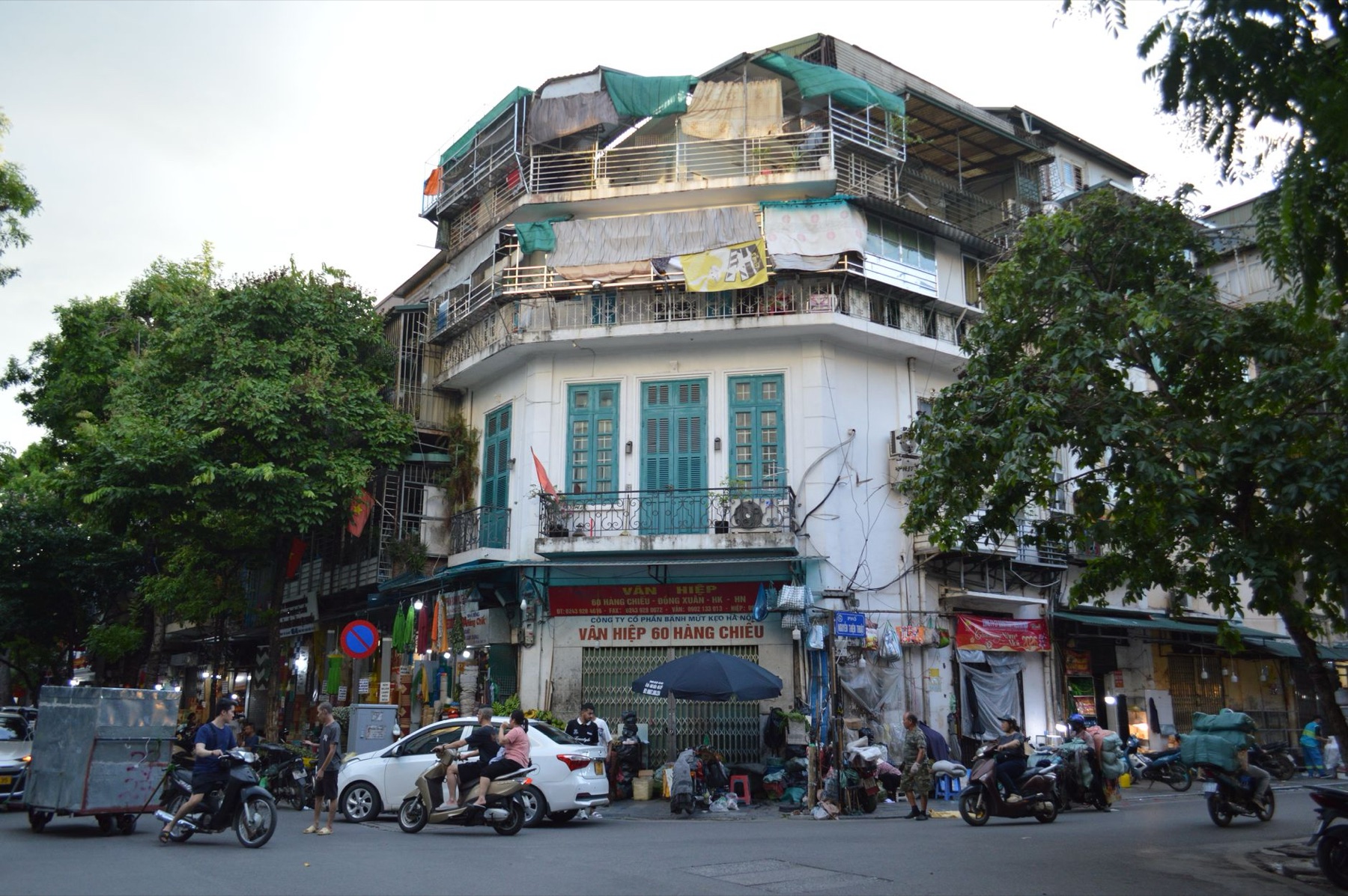
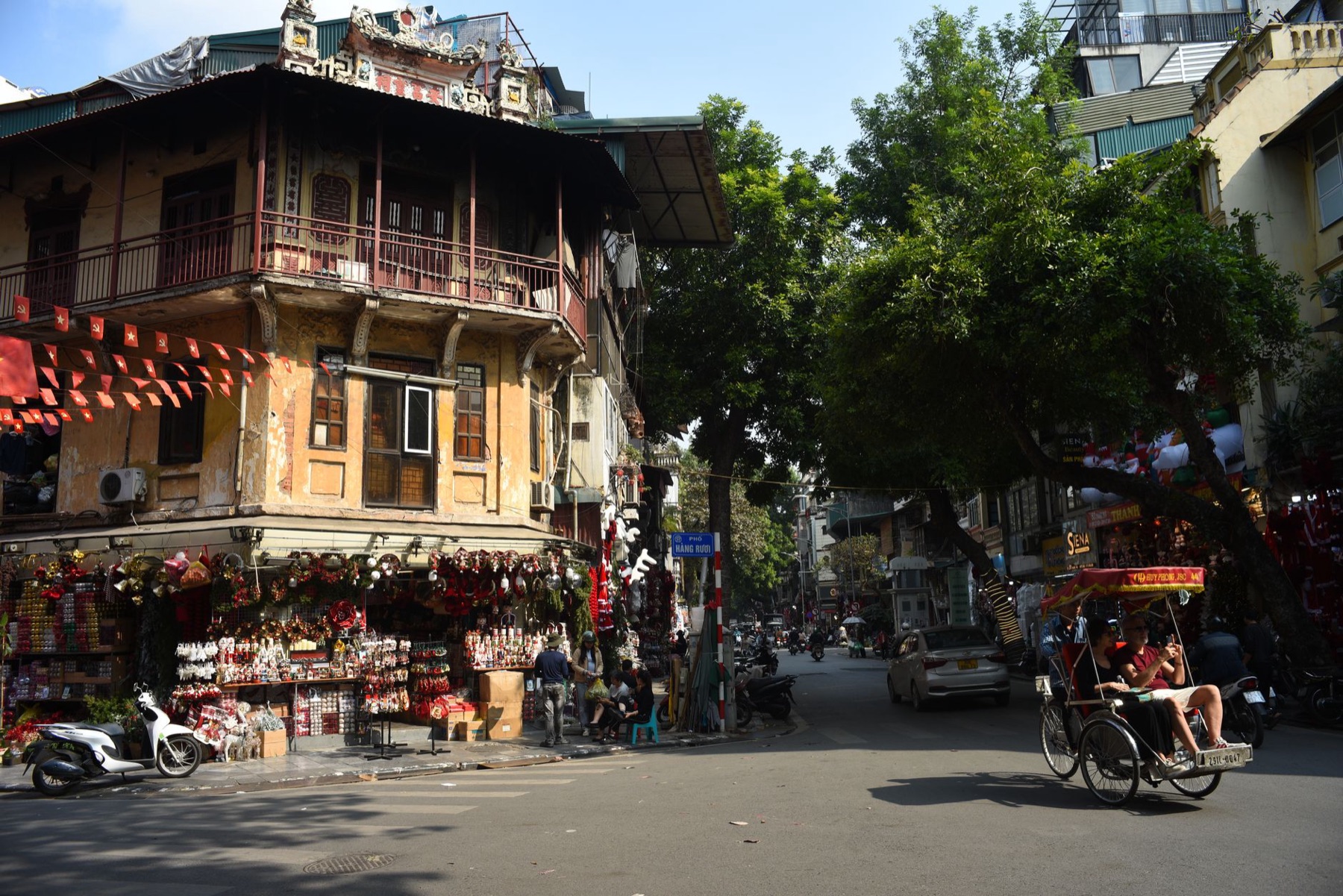
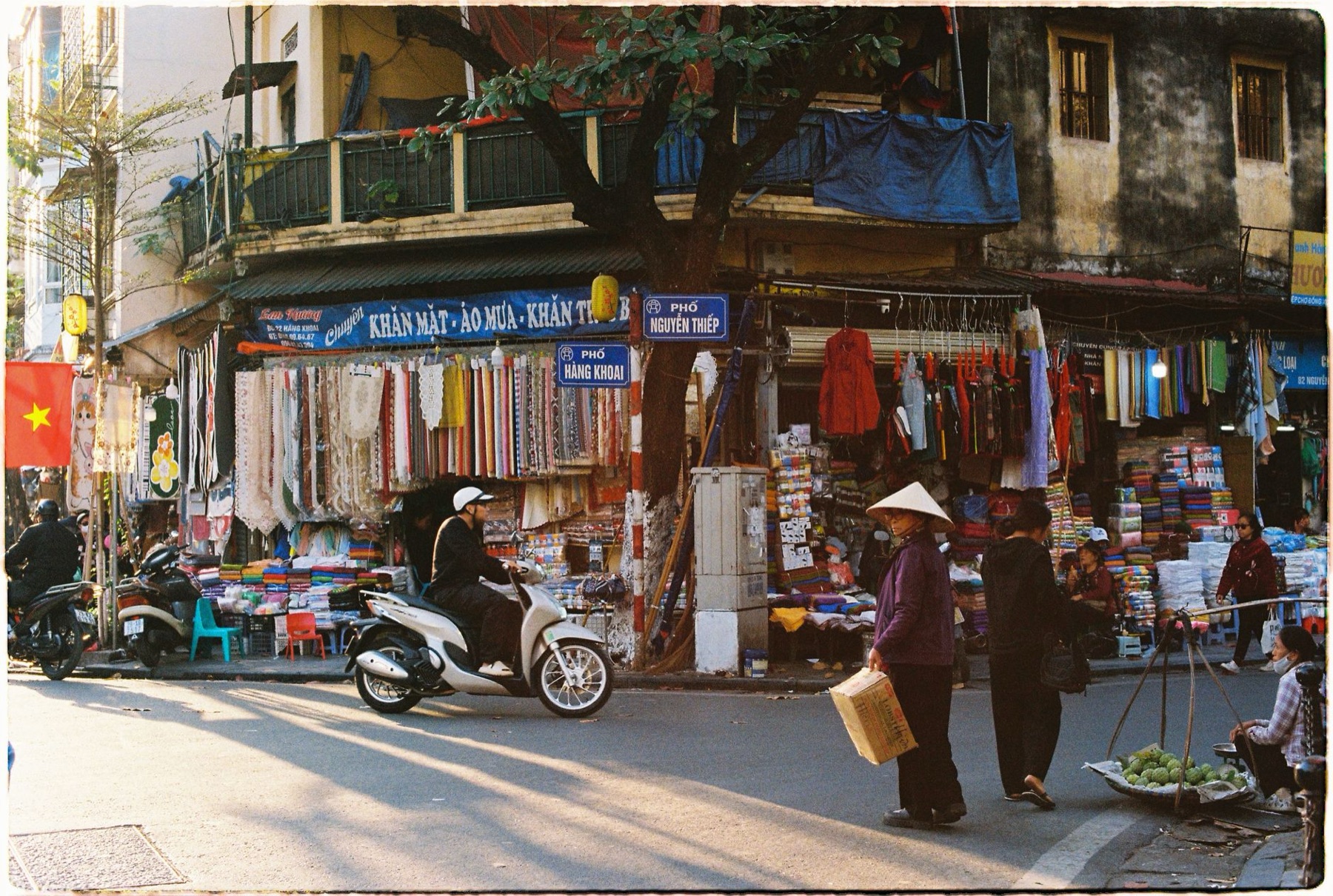
The Old Quarter (Hoan Kiem ward) is 36 streets named after goods sold there: Silver Street (Hang Bac), Silk Street (Hang Gai), Paper Street (Hang Ma). Narrow alleys, motorbikes, 100-year-old shop-houses stacked vertical. It's overwhelming at first—and yes, crowded. But you'll see real Hanoi: a grandmother making pho at 5 a.m., kids playing in courtyards, street vendors assembling lanterns by hand. Skip chain shops; eat where locals line up. Plan 2–3 hours early morning (before 8 a.m.) or late afternoon (after 5 p.m.). Midday is unbearable and tourists pay 50% markup.
🗺️ Plan your route: Vietnam itinerary
Why Is Hoan Kiem Lake the City's Heartbeat?
Hoan Kiem Lake sits in central Hanoi—a 1.7 km walk around it. Locals run here at dawn, couples sit by the water at dusk, older men play chess on benches. The lake connects Old Quarter tourism (north) to Ba Dinh District history (south). Walk it counterclockwise starting at Dong Kinh Nghia Thuc Street for the best temple views. The Turtle Tower (Thap Rua) in the middle—a 2m pile of bricks—is overrated; skip the tourist photos. Instead, sit on the west bank at sunset with a coffee from a street cart (around 20,000–30,000 VND / $0.80–$1.20 USD). Total walk: 30 minutes. Go twice: morning (peaceful) and evening (all of Hanoi appears).
Which Museums Matter (and Which Bore Most)?
Museum comparison:
| Museum | Location | Real time | Why go | Entry cost | Honest take |
|---|---|---|---|---|---|
| Ho Chi Minh Mausoleum & Complex | Ba Dinh District | 1–2 hours | Vietnam's founding story, French architecture, peaceful grounds | Free | Worth it; go early (opens 8 a.m., closes 11 a.m.), dress respectfully, no photos in mausoleum |
| National Museum of Vietnam | Trang Tien Street | 1.5–2 hours | Bronze drums, ancient ceramics, colonial history laid out chronologically | Around 40,000 VND ($1.65) | Well-curated; English labels; air-conditioned; better than most Southeast Asia museums |
| Temple of Literature | Van Mieu, Ba Dinh | 1–1.5 hours | Oldest university (11th century), quiet courtyards, student wisdom sayings carved on stone turtles | Around 30,000 VND ($1.25) | Serene; crowds arrive 10–11 a.m., go at 3 p.m.; no major crowds |
| Army Museum | Dien Bien Phu Street | 1.5–2 hours | French colonial tanks, American helicopters, Vietnam War artifacts | Around 30,000 VND ($1.25) | Thorough; heavy subject matter; less touristy than others |
| Vietnam Women's Museum | Hang Gai Street | 1–1.5 hours | Women's roles in war, textiles, social history | Around 30,000 VND ($1.25) | Smaller, easily skipped; good if you have half a day left |
Skip: Marist Church "climbing" tours (50,000+ VND / $2 USD for 10 minutes on a roof). Water Puppet Theatre is real and worth one showing (90,000–150,000 VND / $3.70–$6.20 USD), but book in advance online; street touts sell marked-up tickets.
🎟️ Compare tours & tickets for this place
Where Do Real Locals Eat (Without Tourist Markups)?
Street food is Hanoi's identity. But "street food tour" is a marketing phrase—real eating happens in three ways:
1. Market stalls (6–10 a.m.): Dong Xuan Market (Old Quarter), Thanh Cong Market (Ba Dinh) sell pho, banh cuon (rice rolls), broken-rice plates. Cost: 30,000–50,000 VND ($1.25–$2.10 USD) per dish. Arrive before 9 a.m. or stalls close.
2. Hole-in-wall eateries: Look for yellow plastic stools and handwritten signs. Pho Thin (multiple locations, not a chain—locals know which branch) does pho by number. Minh's (no official name, locals say "banh cuon Minh," on Hang Manh Street) makes one dish only: rice rolls with shrimp. Eat standing. Cost: 30,000–40,000 VND ($1.25–$1.65 USD).
3. Lunch spots (11 a.m.–1 p.m.): Students and office workers eat at tiny plastic-table places. Cha ca La Vong (fried fish with dill) is a specific Hanoi dish—one narrow restaurant does it on Cha Ca Street, others copy. Real one: crowds at noon, cash only, around 150,000 VND ($6.20 USD) for a plate. Worth trying once, don't repeat.
Avoid: Restaurants with English menus in Old Quarter. Tourists pay 2–3× local prices.
How to Experience Hanoi's Temple Life Without Tourist Crowds?
Temples anchor Hanoi's spirituality. But timing matters:
- Tran Quoc Pagoda (Tran Quoc, Ba Dinh) — oldest pagoda, sits on a peninsula in West Lake. Go at sunrise (5:30–6:30 a.m.) or late afternoon. Midday: 200+ tourists. Free.
- One Pillar Pagoda (Ba Dinh District) — iconic 11th-century wooden structure. Locals visit on weekends for luck; foreigners mob it 10–11 a.m. Go 3–5 p.m.
- Quan Thanh Pagoda (Ba Dinh) — quiet, locals meditate, giant copper bell, no entrance fee, overlooked.
Skip temple "spiritual tour" packages. Go alone at off-hours. Buy a single incense stick (5,000 VND / $0.20 USD) and observe how locals pray—sitting, heads bowed, quiet.
What's Beyond the Core (Worth a Motorbike or Grab)?
Hanoi spreads; tourists cluster in 2 km². Here's what locals actually do:
- West Lake (Ho Tay) — 17 km circumference, lined with upscale cafes, old villas, weekend joggers. Grab there: 30–50,000 VND ($1.25–$2.10 USD). Walk the southern shore or rent a motorbike for the full loop (2–3 hours). Real experience: sit at a lakeside ca phe sua (iced milk coffee) and watch retirees play cards.
- Tay Ho ward — old French villas, art galleries, boutique cafes. Not a "must-see," but if you're nearby (West Lake area), walk Thanh Nien Street for architecture.
- Long Bien Bridge — historic French steel bridge, locals jog it, no tourists. 20-minute walk from Old Quarter or Grab. Free. 5–10 minute visit; photos at dawn.
- Thang Long Water Puppetry Museum & Practice — watch artisans carve puppets, not just watch a show. Around 50,000 VND ($2.10 USD). Hanoi-specific, underrated.
- Art neighborhoods (Nguyen Hue, Tran Hung Dao) — galleries, design studios, young cafes. Walk around 3–5 p.m. when studios open. Free.
Honestly: Hanoi's real beauty is in walking neighborhoods, not checking boxes. Pick a district (Ba Dinh, Hoan Kiem, Tay Ho) and spend 3 hours. You'll see more than a 10-site tour.
How to Turn Your Hanoi Memories Into Lasting Keepsakes?
After you've walked the temples, eaten the pho, navigated the chaos—capture Hanoi properly:
Ao Dai Photoshoot: A custom áo dài (traditional silk tunic) fitted to you, hair/makeup, and photos in Old Quarter or West Lake. Cáo Studio handles both the shoot and tailoring. Cost depends on session choice; 2–3 hours, digital files included. It's not a tourist cliché if you do it right—you're dressed as locals dressed 50 years ago, in the actual streets they walked.
📸 Book an ao dai photoshoot in Hanoi or Saigon (Cáo Studio)
Personalized gifts: After your trip, send home something thoughtful—a printed star map of Hanoi's night sky on the date you arrived, or a custom map of neighborhoods you walked. These aren't tourist trinkets; they're anchors to what you actually did.
Flower delivery: If you're leaving a partner, family, or friend in Hanoi, Hoa Lang Thang delivers fresh arrangements to specific addresses (same-day possible in central Hanoi, around 200,000–500,000 VND / $8.25–$20.65 USD for quality bouquets). Available for delivery throughout Hanoi.
🌸 Send flowers in Hanoi (Hoa Lang Thang)
Browse custom gift collections that commemorate travel—maps, star charts, engraved boxes—perfect for souvenir-heavy suitcases that take up space.
---
What to Check Before You Book (Honest Mistakes We've Seen)
- Tours advertised as "small group": Confirm group size before paying. "Small" often means 12–15 people, not 4–5.
- Timings in guidebooks: Most are 5+ years old. Temple opening hours shift; museums close Mondays; restaurants move. Check Google Maps "hours" 24 hours before.
- "Traditional" restaurants: If there's neon signage and an English menu, it's recent. Eat where there's Vietnamese only.
- Motorbike rental scams: Agree on price and ID deposit before starting. Some operators overcharge damage claims. Use reputable companies (ask your hotel) or Grab (no surprises).
- Overbooked sites: Mausoleum, Temple of Literature, Water Puppet show—book online in advance or go weekday mornings.
- Grab pricing: Surge pricing 7–9 a.m. and 5–7 p.m. costs 2–3× normal. Walk or wait 30 minutes if flexible.
---
Quick Reference: 30 Things Broken Into Zones
Old Quarter & Hoan Kiem (10 activities): Walk street-by-street; eat at markets; Hang Gai silk shops; Hang Bac silver sellers; Hoan Kiem Lake walk; Dong Kinh Nghia Thuc temple area; evening street vendors; photography spots (dawn); coffee on the street; Thang Long Water Puppetry Museum.
Ba Dinh District (8 activities): Ho Chi Minh Mausoleum complex; Temple of Literature; National Museum; Army Museum; Quan Thanh Pagoda; One Pillar Pagoda; Tran Quoc Pagoda; Botanical Garden (free, overlooked).
West Lake & Tay Ho (5 activities): West Lake circumference walk; Tran Quoc Pagoda (dawn); lakeside cafes; Tay Ho villas and galleries; Thang Long Water Puppetry studio visit.
Trendy/Art Neighborhoods (4 activities): Nguyen Hue Walking Street evening stroll; Tran Hung Dao design studios; cat cafes; contemporary galleries.
Day trips from Hanoi (3 activities): Ninh Binh (2 hours south, limestone caves, river kayak); Ha Long Bay (3.5 hours east, UNESCO, overnight cruises); Sapa (5+ hours northwest, terraced rice, hill-tribe trekking).
---
🗺️ Plan your route: Vietnam itinerary
For a longer Vietnam stay, see our Hanoi guide for neighborhoods in depth, or branch out to Ho Chi Minh City, Hoi An, Ha Long Bay, Ninh Binh, and Sapa. Traveling internationally? Don't forget an eSIM for Vietnam and a smooth Vietnam e-visa before you arrive.
FAQ
How many days do I need to see Hanoi's main sights?
3–4 days covers Old Quarter, temples, museums, and a day trip. To walk neighborhoods unhurried and avoid rushing, 5 days is ideal. Less than 3 days means picking one zone (Old Quarter + Hoan Kiem) and skipping the rest—not wrong, just incomplete.
Is it safe to eat street food in Hanoi?
Yes. Eat where crowds of locals eat, food is made fresh in front of you, and stalls turn over fast. Avoid pre-made salads or food left sitting. Stick to hot food and peeled fruit. Stomach issues are rare if you use common sense.
What's the best time to visit Hanoi?
October–November (cool, dry, 20–25°C) and March–April (warm, 18–25°C). Avoid June–August (40°C+, humid, floods). December–February is cool but gray. Hanoi works year-round; weather just shifts comfort levels.
Can I visit the Mausoleum and other sites on one day?
Barely, and rushed. Mausoleum opens 8–11 a.m., Temple of Literature 8 a.m.–5 p.m., museums 8:30–5 p.m. You can hit 3–4 in one day if you start at 8 a.m. and skip lunch, but you'll miss the experience. Two days is better.
How much should I budget per day in Hanoi?
Budget travelers: 800,000–1,200,000 VND ($33–$50 USD) for food, transport, temples, basic accommodation. Mid-range: 2,000,000–3,500,000 VND ($82–$145 USD). Splurge (upscale dining, private tours, hotels): 4,000,000+ VND ($165+ USD). Street food is cheapest; tourist restaurants are 3–5× pricier.
Do I need a guide, or can I explore alone?
Explore alone. Get a paper map (free from most hotels), use Google Maps offline, and ask locals. Guides are useful for deep history (Army Museum, Temple of Literature) but not necessary for neighborhoods. Skip package "tours"—you'll learn more walking at your own pace.
Should I rent a motorbike in Hanoi?
Only if you're confident in traffic. Hanoi's motorbike culture is chaotic—thousands cross intersections simultaneously, no traffic lights always obeyed, scooter taxis cut corners. Grab (app-based rides) is safer, slower, cheaper than taxis, and avoids scams. Walk or use Grab unless you're an experienced rider.
FAQ
How many days do I need to see Hanoi's main sights?
3–4 days covers Old Quarter, temples, museums, and a day trip. To walk neighborhoods unhurried and avoid rushing, 5 days is ideal. Less than 3 days means picking one zone (Old Quarter + Hoan Kiem) and skipping the rest—not wrong, just incomplete.
Is it safe to eat street food in Hanoi?
Yes. Eat where crowds of locals eat, food is made fresh in front of you, and stalls turn over fast. Avoid pre-made salads or food left sitting. Stick to hot food and peeled fruit. Stomach issues are rare if you use common sense.
What's the best time to visit Hanoi?
October–November (cool, dry, 20–25°C) and March–April (warm, 18–25°C). Avoid June–August (40°C+, humid, floods). December–February is cool but gray. Hanoi works year-round; weather just shifts comfort levels.
Can I visit the Mausoleum and other sites on one day?
Barely, and rushed. Mausoleum opens 8–11 a.m., Temple of Literature 8 a.m.–5 p.m., museums 8:30–5 p.m. You can hit 3–4 in one day if you start at 8 a.m. and skip lunch, but you'll miss the experience. Two days is better.
How much should I budget per day in Hanoi?
Budget travelers: 800,000–1,200,000 VND ($33–$50 USD) for food, transport, temples, basic accommodation. Mid-range: 2,000,000–3,500,000 VND ($82–$145 USD). Splurge (upscale dining, private tours, hotels): 4,000,000+ VND ($165+ USD). Street food is cheapest; tourist restaurants are 3–5× pricier.
Do I need a guide, or can I explore alone?
Explore alone. Get a paper map (free from most hotels), use Google Maps offline, and ask locals. Guides are useful for deep history (Army Museum, Temple of Literature) but not necessary for neighborhoods. Skip package "tours"—you'll learn more walking at your own pace.
Should I rent a motorbike in Hanoi?
Only if you're confident in traffic. Hanoi's motorbike culture is chaotic—thousands cross intersections simultaneously, no traffic lights always obeyed, scooter taxis cut corners. Grab (app-based rides) is safer, slower, cheaper than taxis, and avoids scams. Walk or use Grab unless you're an experienced rider.