Hanoi · Things to do
What to Do in Hanoi Vietnam: Real Neighbourhood Guide & Keepsakes
By Wander in Vietnam editorial team · Hanoi, Vietnam
What makes Hanoi's Old Quarter different from other Southeast Asian "old towns"?
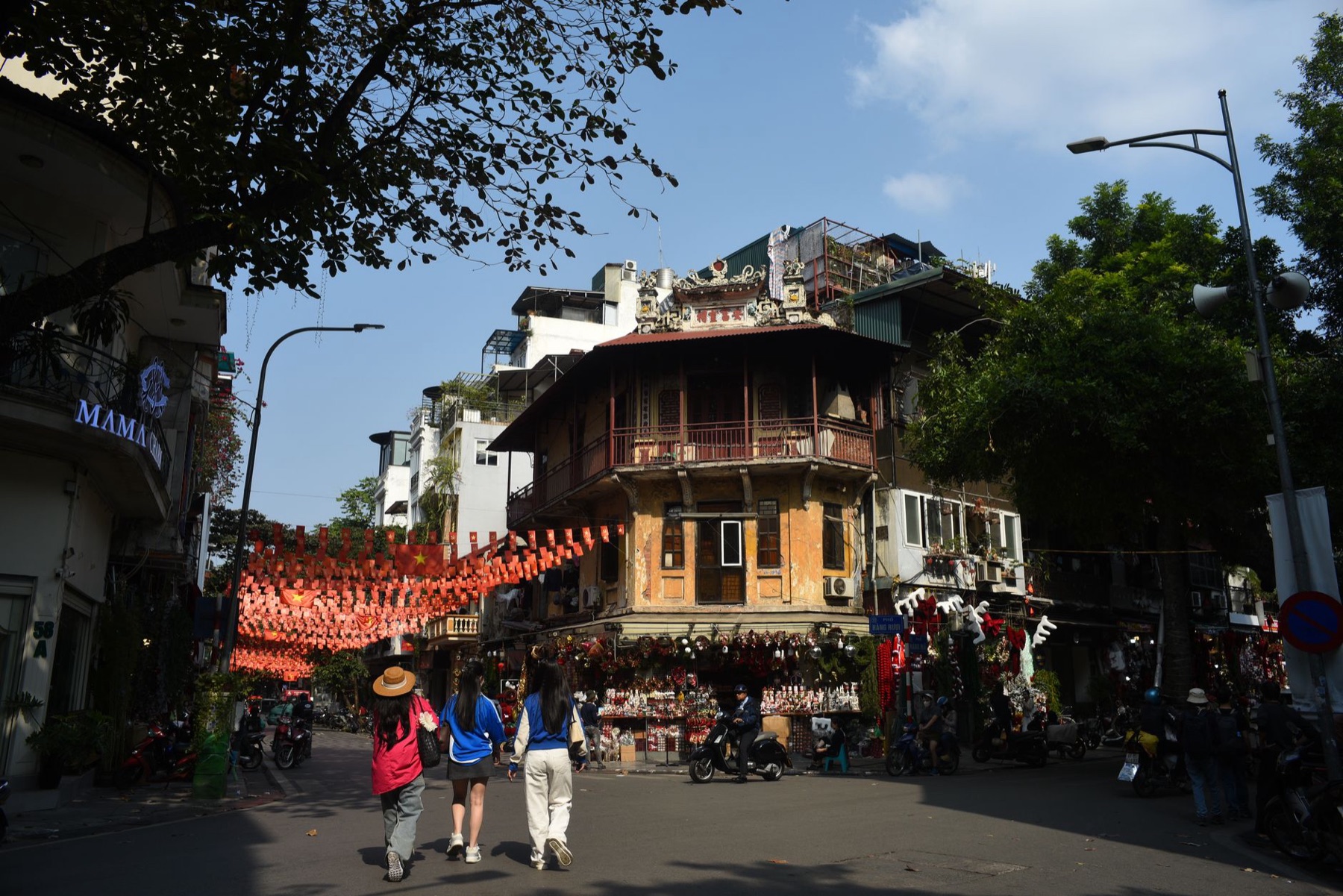
The Old Quarter (Hoan Kiem district) isn't a theme park; it's a living, cramped, incredibly dense commercial grid laid down when Hanoi's 36 trade guilds each claimed a street. Hang Dao sells silks, Hang Gai sells hemp rope, Hang Buom sells sails—the names stuck. Walk these alleys at 6 a.m. when delivery motorcycles weave through, or at 8 p.m. when sidewalk soup stalls ignite. Most tourists skip the backstreets, so you'll find real pho shops, family-run noodle stands, and coffee roasters that serve the same customers for decades.
Start at Hoan Kiem Lake's eastern shore and move northwest into the tangle. Avoid midday heat (11 a.m.–3 p.m.). Bring water, wear shoes you can walk 2+ hours in, and carry cash in small notes—many stalls don't use cards. Expect chaotic beauty, not Instagram cleanliness. Budget around 200,000–300,000 VND (USD ~10–15) for a full street-food breakfast if you stop at 3–4 vendors.
🗺️ Plan your route: Vietnam itinerary
Where should you actually spend time on Hoan Kiem Lake?
Hoan Kiem Lake itself is overrated as a destination; the real magic is the boundary between the lake and the Old Quarter's northern edge. Early morning (5:30–7 a.m.), you'll see locals doing tai chi on the eastern bank near the water's edge—this is free, open to join, and genuinely peaceful. The Jade Island Temple (Ngoc Son) on the north shore costs around 30,000 VND (USD ~1.50) entry and is worth 20 minutes for the red bridge and small courtyard, but the crowds peak at 9–11 a.m., so go before breakfast.
Skip the main walking avenue on the western shore; it's designed for tour groups and street vendors selling low-grade souvenirs. Instead, sit at a coffee stall on a backstreet (Hang Ga, Hang Muoi, Hang Be) overlooking the lake or the quarter's rooftops—you'll see the real view at a third of the cafe price. Expect to pay around 25,000–50,000 VND (USD ~1.25–2.50) for an iced coffee.
Which markets are worth waking up for, and which are tourist traps?
Dong Xuan Market (the largest covered market in Hanoi, Hoan Kiem district) opens at 5 a.m. and empties by 11 a.m. This is where locals buy textiles, kitchenware, dried goods, and street-vendor supplies. Go at opening; the energy and hustle are real, and tourists are rare. No entry fee. Bring a small bag; vendors move fast and expect you to know what you want or move on. Budget 500,000–1,000,000 VND (USD ~25–50) if you're buying cloth or souvenirs.
Hang Be Market (Hoan Kiem district, near Hoan Kiem Lake's northern edge) specializes in flowers, plants, and live birds. It opens early and closes by 10 a.m. Stunning for photos; chaotic and pungent. No tourist markup—locals are there for the daily supply. Free entry.
Night Markets on weekends (Saturday–Sunday evenings, Hoan Kiem Lake's western shore) are designed partly for tourists but still useful for cheap street snacks, t-shirts, and handicrafts. Expect soft pushback on pricing. Budget 200,000–400,000 VND (USD ~10–20) for a grazing evening.
Avoid: Fake souvenir stalls clustered near Hoan Kiem Lake's main steps and the Old Quarter's Hang Dao-Hang Bac intersection during peak hours (9 a.m.–6 p.m.). Mass-produced lacquerware, fake silk, and "antique" bronze figurines are everywhere; locals don't shop here.
| Market | Best for | Best time | Budget | Why visit |
|---|---|---|---|---|
| Dong Xuan | Textiles, kitchenware, everyday goods | 5–7 a.m. | 500k–1M VND | Authentic local supply hub |
| Hang Be | Fresh flowers, plants, birds | 5–9 a.m. | 100k–300k VND | Photo-worthy morning energy |
| Night markets (Sat–Sun) | Snacks, cheap clothing, souvenirs | 6–10 p.m. | 200k–400k VND | Social atmosphere, soft haggling |
| Lakeside tourist stalls | Low-grade souvenirs | 9 a.m.–8 p.m. | 100k–500k VND per item | Honestly: skip unless desperate |
How do water puppets work, and is the show actually good or overhyped?
Water puppet theatre (mua roi nuoc) is a uniquely Vietnamese tradition—puppeteers stand behind a screen in waist-deep water, manipulating wooden puppets on strings to act out rural scenes, legends, and comedic village stories. The music is live (traditional instruments), and the narrative is almost always in Vietnamese, but the visual metaphor is clear: farmers planting rice, fishermen casting nets, dragons emerging from water.
Shows run nightly at formal venues in Hoan Kiem district (the largest is the Hanoi Water Puppet Theatre, Dinh Tien Hoang St.). Tickets cost around 400,000–600,000 VND (USD ~20–30) for foreigner seating (reserved sections); locals pay half. Arrive 20 minutes early; the lobby is small. Shows are 45–50 minutes, no intermission.
Is it worth it? Yes—but with caveats. The show is genuinely crafted and the ingenuity of the puppetry is real. The problem is that tourist expectations are misaligned: people expect deep storytelling or virtuoso technique. What you get is a folksy, sometimes earnest, sometimes slapstick 45-minute vignette. Go if you have a free evening; don't agonize if you skip it. Children under 6 get restless; teens and adults usually engage.
📸 Book an ao dai photoshoot in Hanoi or Saigon (Cáo Studio)
What should you actually eat, and where do locals really go?
Hanoi's street food is famous, but the "best pho in Hanoi" lists are noise. Here's the honest framework:
Breakfast: Pho or bun oc (snail noodles). Pick a stall with a line at 7 a.m., not a named "famous" place. Budget 30,000–60,000 VND (USD ~1.50–3). The broth quality varies by family recipe, not by hype.
Lunch: Bun cha (grilled pork patties with rice noodles) or com tam (broken-rice bowls). Lunch-only spots cluster in Hang Ga, Hang Muoi, and old commercial streets. Budget 40,000–80,000 VND (USD ~2–4). Avoid restaurants with English menus and pictures on the wall; go to the stall with plastic stools and a chalkboard.
Dinner: Banh cuon (steamed rice-paper rolls), ca kho (caramelized fish in claypot), or seasonal specialties like crab soup in autumn. Family-run restaurants in Hoan Kiem and Ba Dinh districts are safer than street stalls at night for food safety. Budget 100,000–250,000 VND (USD ~5–12) per person for a sit-down meal.
Drinks: Egg coffee (ca phe trung) is marketed to tourists but genuinely tasty—locals drink it too. Budget 50,000–80,000 VND (USD ~2.50–4). Street-corner iced coffee costs 25,000–40,000 VND (USD ~1.25–2). Bia hoi (fresh beer) is incredibly cheap (around 15,000–25,000 VND / USD ~0.75–1.25 per glass) and a social ritual; sit at a plastic stool and watch the street.
Common scam: "Friendly local" offering to show you to the "real pho shop" and taking a commission. Politely decline. Real pho shops don't need middlemen.
Common mistake: Eating at restaurants in guidebooks. If it's in a guidebook, the owner has paid for the listing, not earned it through quality.
What cultural / historical sites matter, and which are exhausting crowds?
| Site | Location | Entry | Time needed | Worth the trip? |
|---|---|---|---|---|
| Hoan Kiem Lake (walk, don't queue) | Hoan Kiem district | Free | 1–2 hours | Yes, dawn visit only |
| Ho Tay (West Lake) waterfront | Ba Dinh district | Free | 1–3 hours | Yes, if you bike/scooter |
| Ngoc Son Temple | Hoan Kiem Lake north shore | ~30k VND | 20 min | Peaceful, go early |
| One Pillar Pagoda | Ba Dinh district | ~30k VND | 15 min | Historically iconic, quick visit |
| Hanoi Citadel | Ba Dinh district | ~50k–70k VND | 2–3 hours | Yes, French-colonial + Vietnamese history layers |
| Mausoleum of Ho Chi Minh | Ba Dinh district | Free (closed Mon–Fri afternoon) | 30 min (queues are long) | Important but feels state-ceremonial |
| Temple of Literature (Quoc Tu Giam) | Ba Dinh district | ~30k VND | 1–1.5 hours | Yes, best university museum in SE Asia |
Honest take: Skip the mausoleum unless you're deeply interested in 20th-century Vietnamese history; the queues are frustrating and the experience is solemn rather than immersive. The Temple of Literature and Hanoi Citadel are actually worth time—they layer history and allow wandering without feeling rushed.
🎟️ Compare tours & tickets for this place
---
What to check before you book or buy
- Internet: Buy a local eSIM or prepaid SIM card at Noi Bai Airport when you land. Vinaphone and Viettel are most reliable. See our eSIM guide for Vietnam for current rates and activation.
- Visa: Most visitors need an e-visa. Check Vietnam visa requirements before travel.
- Scooter rentals: Use official hotel concierges or registered rental shops in Hoan Kiem district. Hourly rates are around 50,000–100,000 VND (USD ~2.50–5); daily is 200,000–400,000 VND (USD ~10–20). Avoid street hustlers. International driving permit is technically required; enforcement is sporadic.
- Souvenir shipping: Many travelers buy lacquerware, silk, or wooden items and need them shipped home. Check weights and dimensions at the shop before buying if you're flying carry-on only.
- Photography permissions: Temples and cultural sites allow photos, but ask before photographing people—locals at markets or on streets appreciate a nod first.
- Tipping: Not customary, but appreciated in high-end restaurants (5–10%). Street vendors and market stalls never expect tips.
---
Keepsakes that actually capture Hanoi
If you're carrying home a piece of Hanoi, choose something that reflects the actual experience, not the postcard version. A hand-painted water-puppet figurine or a hand-woven silk scarf from a morning market stall beats generic "Hanoi" prints. If you prefer curated gifts, consider:
- Personalized keepsake boxes or engraved memory boxes that hold mementos (market receipts, pressed flowers from Hang Be Market, photos). Browse keepsake gift collections.
- Custom star maps or city maps of Hanoi dated to your visit—a constellation print marking the date you arrived, or a street map highlighting your favorite Old Quarter alleys. See custom map collections.
- Silk scarves or textile wraps bought directly from vendors at Dong Xuan or night markets, rather than from shops. These carry the story of haggling and choice.
- Printed travel journals or leather-bound notebooks for recording daily reflections. Explore travel gift collections.
These gifts work because they embed your experience, not because they're "authentic Vietnam"—the authenticity is your story.
---
Getting around Hanoi: the honest transport breakdown
Walk as much as you can. Hanoi's scale is deceiving; what feels far is often 15–20 minutes on foot if you pick the right alley. Grab a street map from your hotel or download an offline map.
Grab (ride-hailing app, works throughout Vietnam) costs around 50,000–150,000 VND (USD ~2.50–7.50) for short trips within inner districts. Taxis are cheaper but less transparent on pricing; use them at hotels rather than hailing on the street.
Scooter rentals are popular but come with collision risk and police hassle if you're not confident. Recommended only if you've ridden before.
See our Hanoi neighbourhood guide for detailed navigation by district.
---
Day trips if Hanoi alone feels incomplete
Ha Long Bay (2–3 hours by car/bus east): UNESCO limestone karsts and overnight cruises. Overbooked but stunning. Read our Ha Long Bay guide.
Ninh Binh (2 hours south): Similar karsts, less crowded, more accessible by scooter. Tam Coc boat tours and cycling routes dominate. See Ninh Binh tips.
Sapa (6+ hours northwest by bus or overnight train): Mountain hiking, rice terraces, Hmong villages. Budget 2–3 days. Trekking can be touristy; hire a local guide. Explore Sapa in depth.
Ho Chi Minh City (2 hours by flight or 30 hours by bus/train): Completely different vibe—busier, hotter, more commercial. If you're time-limited, skip and stay in Hanoi. Check Ho Chi Minh tips.
Hoi An (5+ hours by flight or bus): Ancient town, river lanterns, tailor culture. Slower pace than Hanoi; good for 2–3 days. Read Hoi An guide.
Plan logistics using our Vietnam itinerary planner.
---
Why Hanoi repays slow travel
Hanoi doesn't yield to rushed itineraries. The city's texture emerges over days: the pattern of breakfast routines, the subtle shifts between districts, the rhythm of street life. Spend 4–5 days minimum if possible. Stay in or near Hoan Kiem district (central, walkable); move your hotel if you get restless after two nights.
The real souvenirs aren't bought—they're observed, photographed, tasted, felt. A ceramic bowl from a market stall, a silk scarf chosen from a vendor's heap, a receipt from a memorable meal: these carry weight because you chose them, not a guidebook.
📸 Book an ao dai photoshoot in Hanoi or Saigon (Cáo Studio)
For curated takeaways and memory keepsakes from your Hanoi stay, browse our gift collections for travellers and personalized keepsake options. Each item can be customized with dates, coordinates, or notes from your visit.
Safe travels, and embrace the chaos.
FAQ
Is Hanoi safe for solo travelers?
Hanoi is statistically safe; petty theft and scams are the main concerns. Avoid displaying expensive cameras or jewelry. Use hotel safes. Female solo travelers report being fine with standard street smarts. Trust your instinct about people offering unsolicited help. Police presence is visible; violent crime against tourists is rare.
How long should I spend in Hanoi?
Minimum 3 days if you're rushing; 4–5 days is ideal to walk neighborhoods without exhaustion and eat multiple meals at different spots. Two days feels cramped; more than a week requires side trips or deep dives into one neighborhood's street-level details.
What's the best time to visit Hanoi?
October to April (autumn/winter) has cool, dry weather; March–April gets humid. May–September is hot, sticky, and wet (frequent afternoon rains). Avoid Tet (Lunar New Year, typically late January–early February) when businesses close for 1–2 weeks and prices spike. April–May and September–October are sweet spots for comfort and fewer crowds than peak winter.
How much cash should I carry daily in Hanoi?
Budget 500,000–1,000,000 VND (USD ~25–50) daily for meals, coffee, market purchases, and entry fees. Carry in 50,000 and 100,000 VND notes for street vendors; they struggle with larger denominations and give poor change. High-end restaurants and hotels accept cards; local food stalls and markets are cash-only.
What scams should I specifically watch for in Hanoi?
Cyclo (pedicab) drivers quoting inflated prices without agreement (agree price before boarding). Friendly locals offering to escort you to family-run restaurants and taking commissions. Fake designer goods sold as "real" at night markets. Overpriced drinks at bars near Hoan Kiem Lake. Fake entry tickets to temples (buy at the gate, not from street touts). Avoid these by asking your hotel for honest directions, buying tickets at official entrances, and keeping a sense of humor about minor rip-offs.
FAQ
Is Hanoi safe for solo travelers?
Hanoi is statistically safe; petty theft and scams are the main concerns. Avoid displaying expensive cameras or jewelry. Use hotel safes. Female solo travelers report being fine with standard street smarts. Trust your instinct about people offering unsolicited help. Police presence is visible; violent crime against tourists is rare.
How long should I spend in Hanoi?
Minimum 3 days if you're rushing; 4–5 days is ideal to walk neighborhoods without exhaustion and eat multiple meals at different spots. Two days feels cramped; more than a week requires side trips or deep dives into one neighborhood's street-level details.
What's the best time to visit Hanoi?
October to April (autumn/winter) has cool, dry weather; March–April gets humid. May–September is hot, sticky, and wet (frequent afternoon rains). Avoid Tet (Lunar New Year, typically late January–early February) when businesses close for 1–2 weeks and prices spike. April–May and September–October are sweet spots for comfort and fewer crowds than peak winter.
How much cash should I carry daily in Hanoi?
Budget 500,000–1,000,000 VND (USD ~25–50) daily for meals, coffee, market purchases, and entry fees. Carry in 50,000 and 100,000 VND notes for street vendors; they struggle with larger denominations and give poor change. High-end restaurants and hotels accept cards; local food stalls and markets are cash-only.
What scams should I specifically watch for in Hanoi?
Cyclo (pedicab) drivers quoting inflated prices without agreement (agree price *before* boarding). Friendly locals offering to escort you to family-run restaurants and taking commissions. Fake designer goods sold as "real" at night markets. Overpriced drinks at bars near Hoan Kiem Lake. Fake entry tickets to temples (buy at the gate, not from street touts). Avoid these by asking your hotel for honest directions, buying tickets at official entrances, and keeping a sense of humor about minor rip-offs.