Ho Chi Minh City · Things to do
What to Do in Saigon: Real Neighborhoods, Honest Recommendations
By Wander in Vietnam editorial team · Hanoi, Vietnam
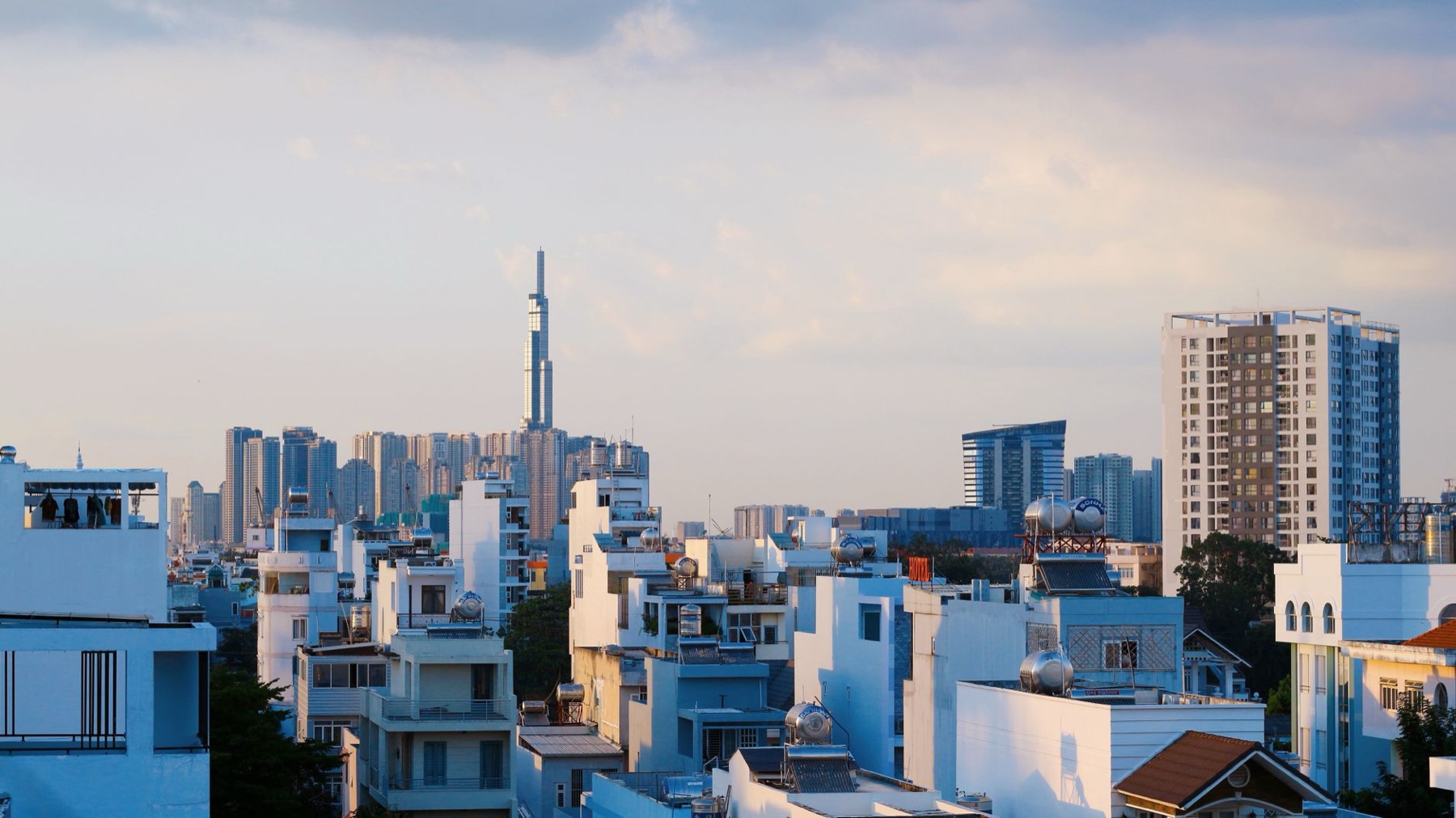
Saigon works best when you stop treating it like a checklist. The truth: most famous landmarks are crowded and pricey. The real city lives in its backstreets, markets, and small studios where locals eat, worship, and create.
We've spent years moving through District 1, Binh Thanh, District 5 (Cholon), District 10, and Thu Duc—the neighborhoods where visitors actually connect. Here's what we've learned, street by street, and how to keep it real.
Where do locals actually eat in Saigon?
Forget restaurant reviews full of hype. Saigon's best food costs under 50,000 VND (around $2 USD) and lives in family stalls, wet markets, and narrow alleys. District 1 has tourist-marked eateries on Nguyen Hue; skip them. Instead, walk two blocks into residential Saigon: Pham Ngu Lao ward has banh mi carts (25,000–40,000 VND / ~$1–1.60) open 6am–11am. Binh Thanh district (east of the central business area) hosts proper pho kitchens on Hoang Van Thu street: arrive before 10am, order a bowl for 35,000–50,000 VND (~$1.40–2), watch them roll egg noodles by hand.
Cholon (District 5, southwest) is Saigon's Chinese enclave and holds the most honest food. Binh Tay Market opens 5am–6pm; the food court around its east side serves bánh chưng (sticky rice cake), cơm tấm (broken rice with pork), and tripe soup—all under 60,000 VND (~$2.40). No English menus. No tourists. That's the point.
For sit-down meals without pretense: head to Tan Binh district's residential streets near Hoang Hoa Tham boulevard. Small com tam (broken rice) joints run 40,000–80,000 VND (~$1.60–3.20) for a full plate with grilled pork, egg, and pickles. Lunch rush 11:30am–1pm; dinner 5pm–7pm.
🗺️ Plan your route: Vietnam itinerary

Which temples and spiritual sites are worth visiting?
Saigon's temples see foot traffic but few crowd-management issues because tourists don't know where the real ones are. Jade Emperor Pagoda (Phuoc Hai Tu) sits in District 10, Nguyen Binh Khiem street—open 8am–5pm, free entry, no donation pressure. The air is thick with incense; locals come to pray early morning (6am–8am). It's authentically quiet.
Thien Hau Temple in Cholon (District 5, Nguyen Trai street) is older and busier on Vietnamese holidays but manageable most days. Women often come to pray for fertility; the temple honors three goddesses. Respectful silence is expected. Shoes off in prayer rooms. 8am–5:30pm, free.
Ben Thanh Market (District 1, centerpiece of tourist maps) isn't a temple, but the surrounding streets hold smaller pagodas. Vinh Nghiem Pagoda (District 3, Nguyen Binh Khiem street—yes, a different one from Jade Emperor; they're in neighboring wards) is a working Buddhist center with hundreds of monks. Open 8am–4pm. Quiet and meditative. Avoid weekends if you want peace.
Mariamman Hindu Temple (District 1, Truong Dinh street) is a genuine working temple, not a museum. Small, ornate, attended by Saigon's Indian and Tamil communities. Open 7am–11am and 3pm–8pm. Photography requires permission from whoever's present; most will say yes politely.
What neighborhoods should I actually spend time in?
Forget Old Quarter comparisons—Saigon doesn't have a preserved "Old Quarter" like Hanoi. Instead, walk where Saigonese live. Binh Thanh (northeast of District 1) is a working residential and commercial zone: narrow alleys with motorbike repair shops, fabric stalls, and family restaurants. No foreign-language menus. No tour groups. This is where young professionals live and eat. Spend 2–3 hours walking from Hoang Van Thu street toward Nguyen Hue boulevard and back through side lanes.
District 10 (west from center) holds universities, smaller temples, and parks where locals run and socialize. Tao Đàn Park sits here—locals exercise 5am–7am, rest midday, return 5pm–7pm. Walking the park's edges teaches you more about daily Saigon than any monument.
Go Vap district (north, where middle-class families live) hosts the most accessible night market: Saturday–Sunday 6pm–10pm on a side street near the intersection of Quang Trung and Phan Boi Chau. Stalls sell clothes, toys, street food, and plants. Prices negotiable. Tourists are rare.
District 7 (Phu My Hung) is an expat and wealthy Vietnamese neighborhood with parks, restaurants, and imported goods—worth visiting if you want a glimpse of "new Saigon," but it lacks character compared to older wards.
How do I move around without overpaying for taxis?
Grab (Southeast Asia's Uber equivalent) costs 15,000–50,000 VND (~$0.60–2) for short trips (1–3km) and 30,000–100,000 VND (~$1.20–4) for longer rides. Download the app, set pickup and dropoff, pay in-app. Drivers know the city and speak basic English through the app's messaging.
Motorbike taxis (om, or "xe om") cluster at busy intersections and markets—around Ben Thanh, Binh Tay, and major train stations. Agree on a price before boarding. Short trips 20,000–40,000 VND (~$0.80–1.60). Longer routes 50,000–150,000 VND (~$2–6), depending on distance. Always negotiate. Drivers will quote high; counter at 60% of the asking price, meet in the middle.
Buses (HCMC has a public bus network) cost 4,000–9,000 VND (~$0.16–0.36) per trip. Routes are numbered; stops are marked with small shelters. No English on vehicle displays, but Google Maps has real-time HCMC bus schedules. Best for locals, not first-time visitors, due to language and navigation complexity.
Rent a motorbike only if you're confident: ~150,000–250,000 VND (~$6–10) per day from shops in District 1 or Binh Thanh. Helmet required by law. Traffic is chaotic; accidents happen. We don't recommend it for first-time visitors.
What are the best markets and craft studios to explore?
| Market/Studio | District | What to Find | Hours | Best Time | Realistic Vibe |
|---|---|---|---|---|---|
| Binh Tay Market | 5 (Cholon) | Fabric, spices, dried goods, food court | 5am–6pm | 5am–9am, 2pm–4pm | Working market; tourists rare |
| Dong Ba Market (Ben Thanh area) | 1 | Clothes, bags, souvenirs, knockoffs | 5am–6pm | 5am–8am | Mix of locals and backpackers |
| Night Market (Go Vap) | Go Vap | Clothes, street food, toys, plants | Sat–Sun, 6pm–10pm | 7pm–9pm | Mostly locals, cheap eats |
| Artisan Studios (scattered) | Districts 1, 3, 10, Binh Thanh | Ceramics, silk, lanterns, custom ao dai | 9am–6pm (closed Sun–Mon) | 10am–noon | Quiet, maker-focused, no hard sell |
Binh Tay Market (Cholon, District 5) is Saigon's most working market. Avoid the ground floor's tourist-marked spice stalls; go upstairs for fabric (15,000–100,000 VND per meter / ~$0.60–4), dried goods, and kitchen tools. The second-floor food court serves bánh chưng, cơm tấm, and tripe soup. Haggle on bulk fabric; single-meter purchases are fixed. Arrive 5am–7am or 2pm–4pm to avoid lunch crowds.
Dong Ba Market (District 1, near Ben Thanh) is messier and more tourist-aware, but less crowded than Ben Thanh itself. Knock-off bags, clothes, and souvenirs fill the interior. Prices inflated 30–50% from street value; haggle. Real deals hide in the back alleys where locals buy work clothes and textiles.
Art studios scattered through Districts 1, 3, and Binh Thanh showcase local ceramicists, silk painters, and ao dai tailors. Search "studio" + district name on Google Maps; walk in. Studios are open 9am–6pm, usually closed Sunday–Monday. No obligation to buy. Prices for custom work (e.g., personalized silk scarves, handmade ceramics) run 300,000–2,000,000 VND (~$12–80) depending on size and complexity. Payment upfront; turnaround 3–7 days.
📸 Book an ao dai photoshoot in Hanoi or Saigon (Cáo Studio)
If you want to wear Vietnamese traditional dress (áo dài) and document it professionally, studios like Cáo Studio in Saigon offer photoshoots with hair, makeup, and styling. Booking in advance ensures your preferred dates and style choices.
Should I book organized tours, or explore independently?
Organized tours cluster around backpacker zones (Pham Ngu Lao ward, District 1) and cost 200,000–800,000 VND (~$8–32) for full-day city tours, Mekong Delta day trips, or Cu Chi Tunnels. Most tours are honest but slow: air-conditioned vans, large groups, scripted narratives, long lunch stops. You'll learn less than walking the same areas alone for 2–3 hours.
Exceptions: Mekong Delta tours actually need a guide to navigate waterways and villages. Book through a mid-tier operator (not Saigon Tourist, which is state-run and slow), ask for small-group options (4–6 people instead of 20), and aim for 300,000–600,000 VND (~$12–24) per person. Leave 6am or earlier.
Cu Chi Tunnels are 70km north. Guided tours are almost mandatory (you'd get lost solo). Prices 250,000–500,000 VND (~$10–20). Choose a tour that includes tunnel time (at least 30 minutes crawling), not just a lookout photo stop. Half-day tours are 4–5 hours; full-day are 8–9 hours (not worth it).
War Remnants Museum and Independence Palace are self-guided, walkable from each other in District 1. Skip organized "historical" tours; read plaques, reflect alone.
---
What to Check Before You Buy (or Book)
- Grab vs. motorbike taxi: Always use Grab for trips over 2km or at night. Motorbike taxis for short hops under 1km in busy areas. Never flag unmarked taxis on the street.
- Market haggling: Fabric and bulk goods are negotiable. Food stall prices are fixed. Ask "bao nhiêu tiền?" (how much?) before ordering.
- Studio custom work: Confirm turnaround time and payment terms in writing (or a photo of agreement on your phone). Deposits are standard. Get a receipt.
- Temple etiquette: Wear long pants or a skirt below the knee. No sleeveless tops. Remove shoes in prayer rooms. Photography in prayer halls only with permission.
- Tour booking: Book directly with the operator's website or a traveler review site (not random Facebook ads). Confirm departure time and location 24 hours before.
---
🎟️ Compare tours & tickets for this place
How does Saigon compare to other Vietnamese cities?
If you're planning a multi-city trip, Saigon (Ho Chi Minh City) is energy and business. Hanoi is history and politics. Hoi An is nostalgia and craft. Saigon works best for food explorers and market navigators. If you're combining cities, we recommend:
- Hanoi guide: history, temples, Old Quarter
- Hoi An guide: lanterns, tailoring, riverside charm
- Ha Long Bay guide: limestone cliffs, overnight cruises
- Ninh Binh guide: caving, rural landscapes
- Sapa guide: trekking, hilltribe villages
A typical 2-week Vietnam itinerary visits Hanoi (3–4 days), a northern destination like Ha Long Bay or Sapa (3–4 days), central Vietnam like Hoi An or Ninh Binh (2–3 days), then Saigon (3–4 days). Plan your route here.
---
How to Document Your Saigon Time
Many travelers want photos in traditional Vietnamese dress or candid city shots. Cáo Studio in Saigon offers professional ao dai photoshoots with styling and makeup—book ahead if cultural documentation matters to you. Alternatively, hire a local photographer through Instagram or Grab; rates run 500,000–1,500,000 VND (~$20–60) for a 2-hour session. Negotiate shots (market walk, temple, studio backdrop) beforehand.
📸 Book an ao dai photoshoot in Hanoi or Saigon (Cáo Studio)
---
Bringing Saigon Home: Thoughtful Souvenirs
Souvenirs from Saigon matter when they're made locally and carry memory weight. Instead of knockoff bags from Ben Thanh, consider:
- Handmade ceramics from artisan studios in Districts 1 or 3: vases, bowls, or tiles with Saigon motifs (500,000–2,000,000 VND / ~$20–80)
- Silk scarves or wall hangings with custom designs from local makers (300,000–1,000,000 VND / ~$12–40)
- Vintage ao dai prints or embroidered wall art from Cholon antique stalls (100,000–500,000 VND / ~$4–20)
- Locally roasted coffee from specialty roasters in Districts 1 or Binh Thanh (50,000–150,000 VND per bag / ~$2–6)
- Custom star map prints or anniversary keepsakes capturing your visit date and location—searchable on Etsy or Shopify by vendors who ship to the US (around $25–50 USD)
For keepsakes or personalized gifts, browse custom shop collections for engraved or star map prints—items that pair well with a Saigon memory and ship reliably to the US in 5–10 days.
🗺️ Plan your route: Vietnam itinerary
---
How to Get There and Stay Connected
By air: Saigon's Tan Son Nhat International Airport (SGN) is 7km north of District 1. Grab to the city center costs 50,000–100,000 VND (~$2–4), 20–45 minutes depending on traffic. Airport buses (152, 154, 17) run to central hubs for 9,000–20,000 VND (~$0.36–0.80), but require patience with stops.
By train: The main station (Ga Saigon) is in District 3, walkable to District 1. Overnight trains from Hanoi (24 hours) or Da Nang (10–12 hours) arrive here.
By bus: Long-distance buses terminate at stations on the city's edges—Mien Dong (northeast), Mien Tay (southwest). Grab or bus onwards to central districts; 30–60 minutes.
Internet & SIM: Buy a local SIM card (Viettel, MobiFone, or VinaPhone) at the airport or any convenience store for 50,000 VND (~$2) plus prepaid data. Get an eSIM for Vietnam if you prefer no physical card; works on most modern phones.
Visa: Most visitors need a Vietnam e-visa or embassy visa. Check Vietnam e-visa requirements based on your nationality.
---
When to Go
Saigon's weather is tropical and relentless. November–January (cool and dry, 20–28°C / 68–82°F) is best. May–September (hot and wet, 25–35°C / 77–95°F) is humid; air-con indoors is mandatory. March–April are very hot and crowded with domestic holiday-makers.
Book hotels 1–2 weeks ahead during cool season; prices rise 20–30%. Shoulder seasons (February–March, October) offer deals and fewer crowds.
---
We've walked every district here. Saigon rewards curiosity over speed. Take an alleys-first approach: eat where locals eat, watch street life from a plastic stool with a coffee, and ignore the "famous" landmark queues. That's where real Saigon lives.
FAQ
What's the cheapest way to move around Saigon?
Grab is 15,000–50,000 VND (~$0.60–2) for short trips; motorbike taxis cost 20,000–40,000 VND (~$0.80–1.60) negotiated. Buses are 4,000–9,000 VND (~$0.16–0.36) but require route knowledge. Grab is most reliable for visitors.
Is Ben Thanh Market worth visiting?
Honest answer: it's overpriced, crowded, and aimed at tourists. Skip the interior souvenir stalls. If you go, walk the surrounding backstreets or visit Binh Tay Market (Cholon) instead—more working, less tourist markup, better food court.
Can I negotiate prices at night markets or regular shops?
Fabric, bulk goods, and antiques are negotiable; haggle to 60–70% of asking price. Clothing and smaller items have less wiggle room. Food stall prices are fixed—don't haggle there. In studios, ask if discounts apply for multiple items or return customers.
How long should I spend in Saigon?
3–4 days minimum: one day for markets and neighborhoods, one for temples and War Remnants Museum, one for day-trip to Mekong Delta or Cu Chi Tunnels, one to rest and revisit favorite spots. Five days is ideal if you're also taking cooking classes or studio visits.
What's the best time to visit markets?
Early morning (5am–8am) for Binh Tay and Dong Ba: fewer tourists, fresher goods, fewer crowds. Lunch rush (11:30am–1:30pm) is chaotic everywhere. Afternoon (2pm–4pm) is calm but some vendors close. Night markets run Saturday–Sunday 6pm–10pm in residential zones.
Should I hire a guide for Saigon's old-town walks?
Not necessary if you have a phone and Google Maps. Walking District 1's backstreets solo is safe and rewarding. Hire a guide (400,000–800,000 VND / ~$16–32 for 2–3 hours) only if you want deep historical or cultural context—ask hotel staff for private, off-beat guides, not tour-bus operators.
Do temples in Saigon charge entry fees?
No, temples are free. Small donations (10,000–50,000 VND / ~$0.40–2) are appreciated but not expected. Pagodas and larger temples may have donation boxes. Museums (War Remnants, Independence Palace, Saigon Museum) charge 50,000–100,000 VND (~$2–4) entry.
FAQ
What's the cheapest way to move around Saigon?
Grab is 15,000–50,000 VND (~$0.60–2) for short trips; motorbike taxis cost 20,000–40,000 VND (~$0.80–1.60) negotiated. Buses are 4,000–9,000 VND (~$0.16–0.36) but require route knowledge. Grab is most reliable for visitors.
Is Ben Thanh Market worth visiting?
Honest answer: it's overpriced, crowded, and aimed at tourists. Skip the interior souvenir stalls. If you go, walk the surrounding backstreets or visit Binh Tay Market (Cholon) instead—more working, less tourist markup, better food court.
Can I negotiate prices at night markets or regular shops?
Fabric, bulk goods, and antiques are negotiable; haggle to 60–70% of asking price. Clothing and smaller items have less wiggle room. Food stall prices are fixed—don't haggle there. In studios, ask if discounts apply for multiple items or return customers.
How long should I spend in Saigon?
3–4 days minimum: one day for markets and neighborhoods, one for temples and War Remnants Museum, one for day-trip to Mekong Delta or Cu Chi Tunnels, one to rest and revisit favorite spots. Five days is ideal if you're also taking cooking classes or studio visits.
What's the best time to visit markets?
Early morning (5am–8am) for Binh Tay and Dong Ba: fewer tourists, fresher goods, fewer crowds. Lunch rush (11:30am–1:30pm) is chaotic everywhere. Afternoon (2pm–4pm) is calm but some vendors close. Night markets run Saturday–Sunday 6pm–10pm in residential zones.
Should I hire a guide for Saigon's old-town walks?
Not necessary if you have a phone and Google Maps. Walking District 1's backstreets solo is safe and rewarding. Hire a guide (400,000–800,000 VND / ~$16–32 for 2–3 hours) only if you want deep historical or cultural context—ask hotel staff for private, off-beat guides, not tour-bus operators.
Do temples in Saigon charge entry fees?
No, temples are free. Small donations (10,000–50,000 VND / ~$0.40–2) are appreciated but not expected. Pagodas and larger temples may have donation boxes. Museums (War Remnants, Independence Palace, Saigon Museum) charge 50,000–100,000 VND (~$2–4) entry.
More: Ho Chi Minh City travel guide · Things to do in Ho Chi Minh City