Cat Ba · Where to stay
Where to Stay in Cat Ba: Best Neighborhoods & Honest Picks
By Wander in Vietnam editorial team · Hanoi, Vietnam
Cat Ba Island sits 40km northeast of Hanoi and feels like a different world: limestone cliffs, warm water, and a mix of party-seekers, families, and serious trekkers. But where you lay your head shapes the whole trip. Stay in the wrong spot, and you'll waste hours commuting to hikes or feel trapped in tourist noise. We've stayed, worked, and guided in each neighborhood—here's what actually works and what doesn't.
Is Cat Ba Town really as chaotic as it sounds?
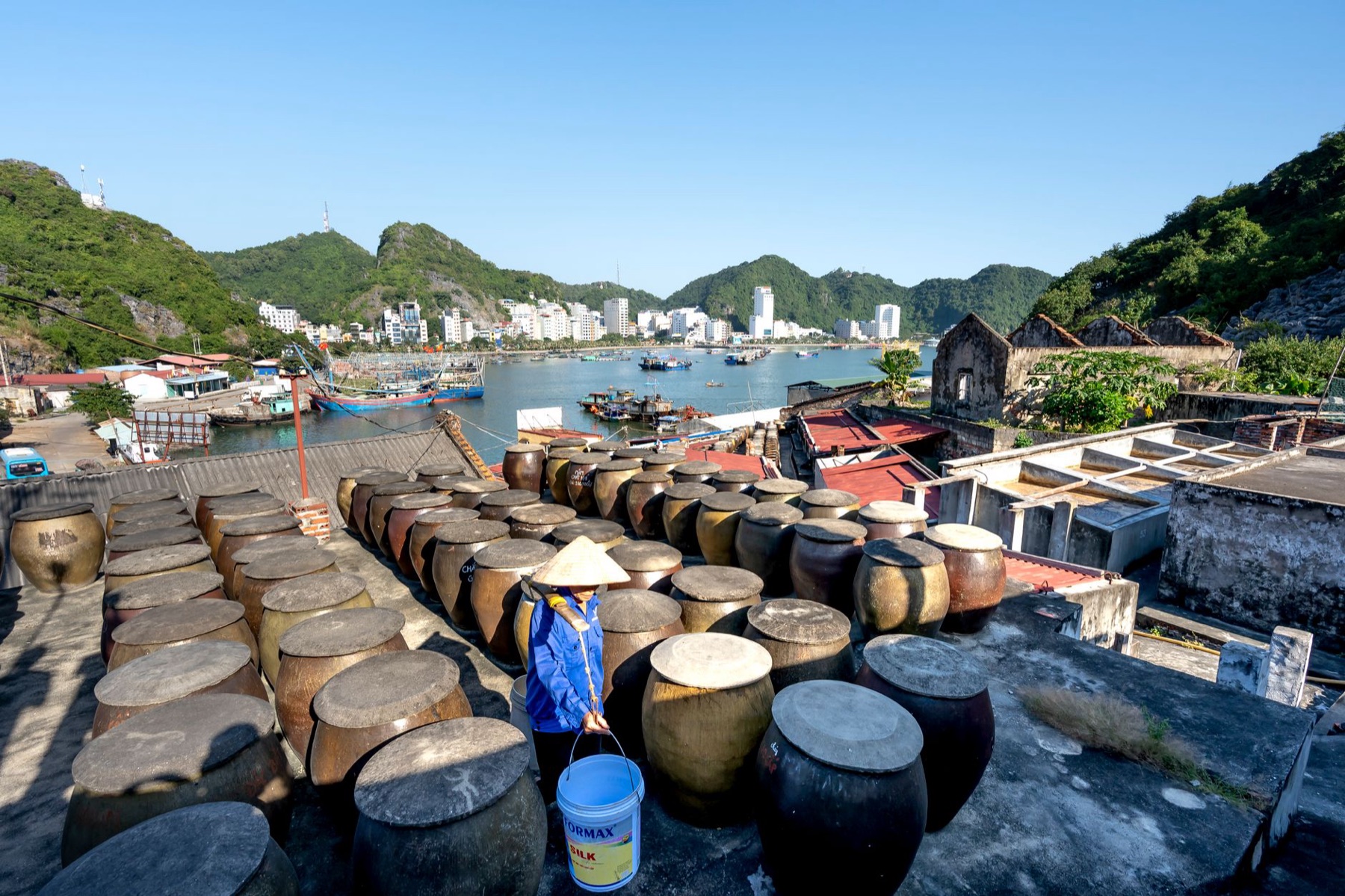
Cat Ba Town (the port area around Tran Chau Street) is loud, crowded, and convenient—exactly as advertised. Motorbikes honk, karaoke bars pump until midnight, and motorbike taxis swarm at the ferry dock. But it's the only place with real supermarkets, ATMs, pho shops, and daily ferry links back to Hanoi's Got Khau pier. If you're arriving late, have zero motorbike confidence, or only staying one night, Cat Ba Town makes sense. Expect to pay around 400,000–800,000 VND (USD $16–32) per night for a basic fan-cooled room; air-con doubles go 600,000–1.2 million VND ($24–48). The beaches here are murky—swimming isn't great.
Honest call: Stay here only if you're catching the early ferry back or joining a tour group that's based here. Otherwise, move on within 24 hours.
Which beaches are actually swimmable?
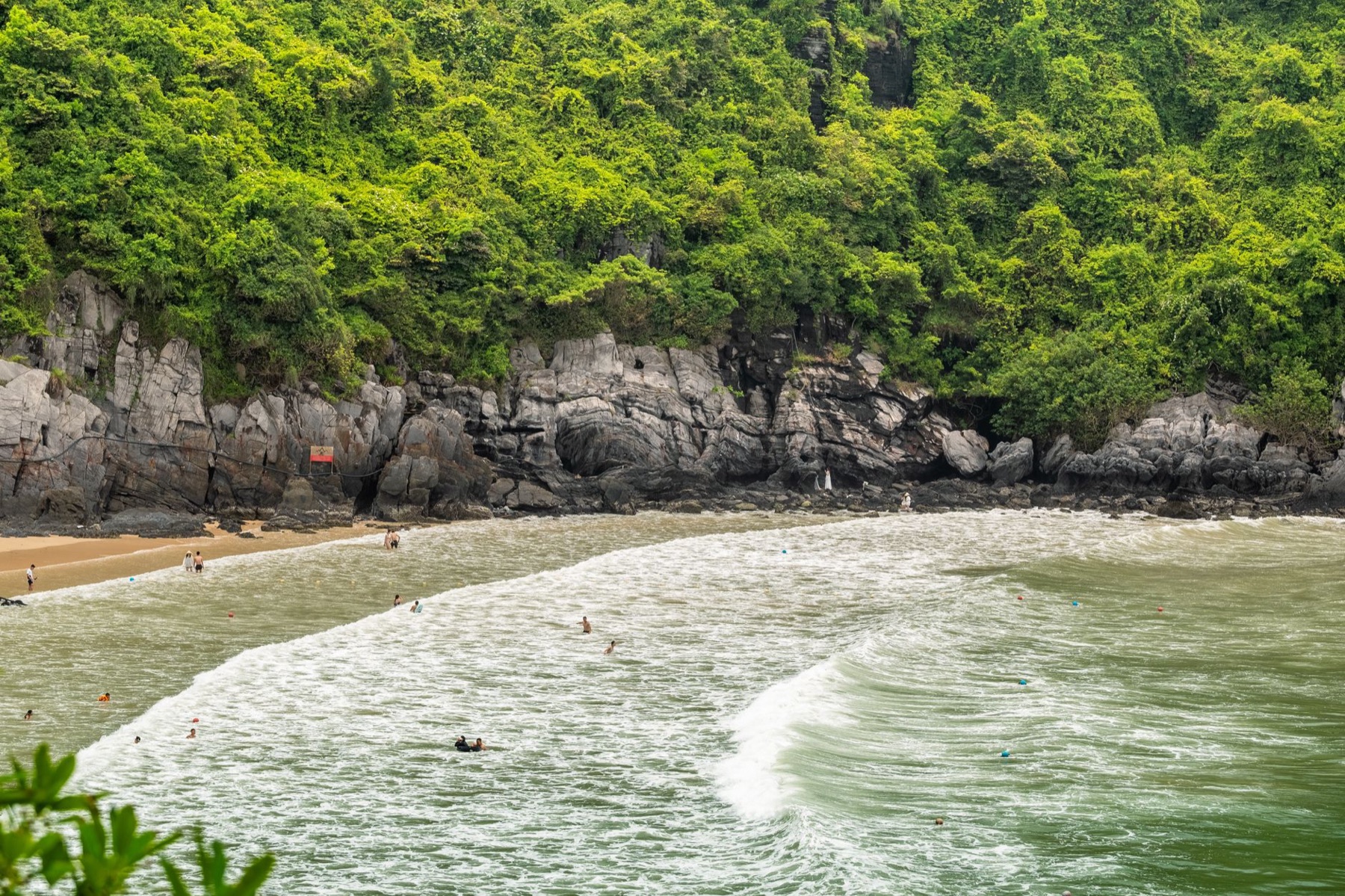
Cat Co 1, Cat Co 2, and Cat Co 3 sit 2–3km south of town—a 10-minute motorbike ride or 30-minute walk. Cat Co 1 is the most crowded and developed, with sunbeds, vendors, and a cluster of mid-range guesthouses. Water is clear enough and shallow enough for confident swimmers. Cat Co 2 is quieter and slopes more gently—good for families and weak swimmers. Cat Co 3 is rockier, less touristy, and best for snorkeling off the shore. All three have 4–8 hours of good sunlight before cliffs block it (November–January especially). Accommodation here runs 500,000–1.5 million VND ($20–60) for guesthouses and small resorts with on-site restaurants.
Behind Cat Co beaches, Vu Yem village has homestays and family-run bungalows (400,000–800,000 VND, $16–32) with rice-paddy views and quiet mornings. Scooter access is rough, and power can be spotty—but that's the trade-off for peace.
What does a beach-resort-style stay actually cost and include?
If you want a proper pool, sea-view room, and restaurant, expect 1.5–3.5 million VND ($60–140) per night for mid-range resorts clustered near Tuan Chau area or Quan Lan coast. These places usually include: one-night booking directly with the resort (no platform markup), air-con, hot water, and a simple breakfast (bread, fruit, coffee). Nicer ones add pool access, on-site spa (basic massage, 400,000 VND / $16 for 60 min), and boat tours booked in-house. Luxury resorts (4–6 million VND, $160–240) are rare on Cat Ba and mostly sit on outer coves—they're quieter but require pre-booking and a motorbike or private shuttle to reach.
Reality check: Many resorts quote via third-party apps at inflated rates. Call or email direct and ask for "walk-in rate"—you'll often save 300,000–600,000 VND ($12–24) per night. Breakfast quality varies wildly—some places just dump instant coffee and stale bread. Check recent photos in Google reviews before booking.
How do I pick between motorbike-access and boat-access spots?
Motorbike-accessible bays (Cat Co, Vu Yem, Cai Vieng) are linked by a rough loop road. Renting a bike costs around 150,000–250,000 VND ($6–10) per day. You control your schedule, can explore fishing villages, and reach restaurants or convenience stores. Downsides: the road is pothole-riddled, especially in rain; getting lost is normal; and crash risk exists if you're not confident riding.
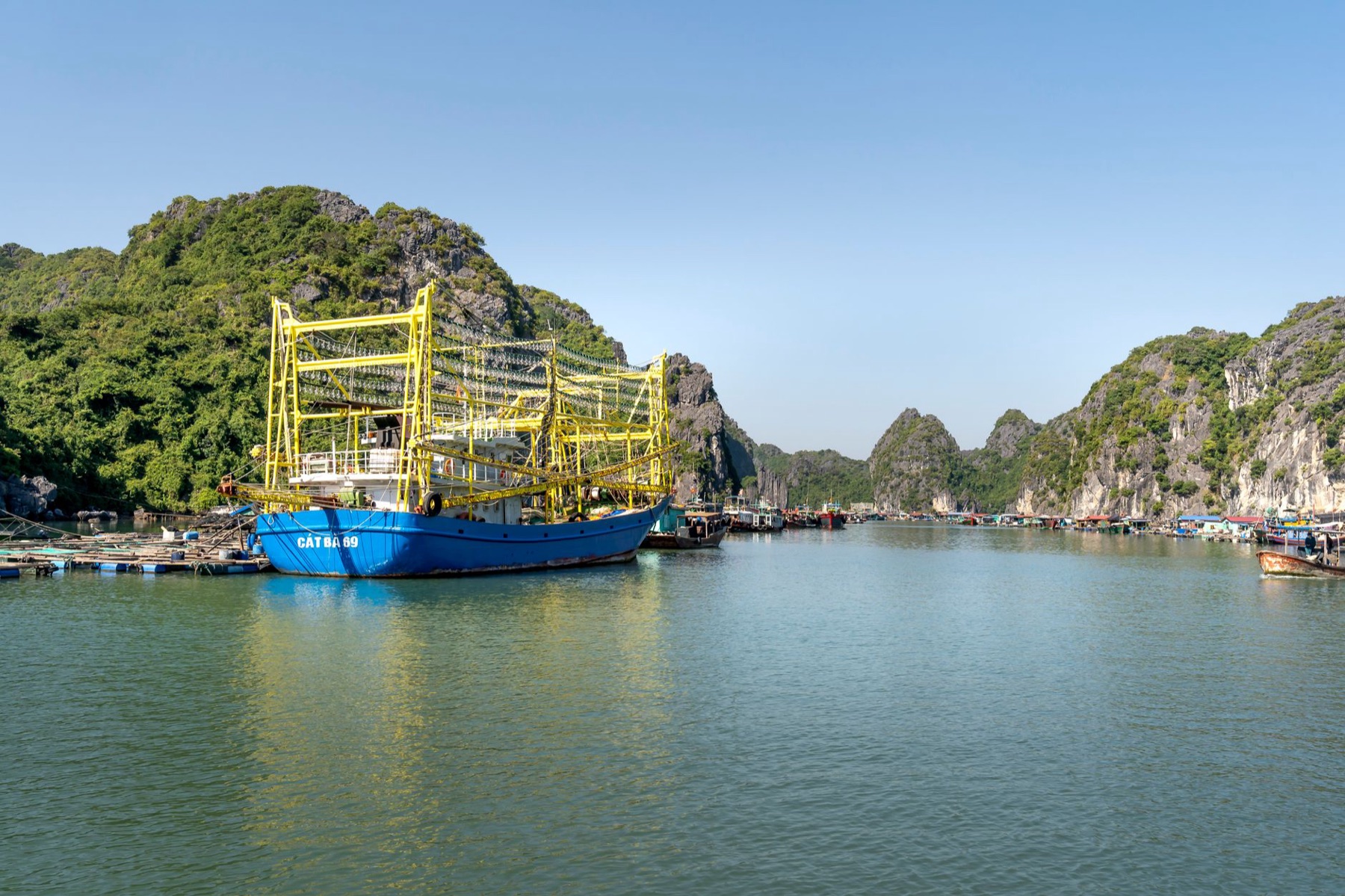
Boat-access spots (Monkey Island, Tuan Chau's quieter coves, floating villages) require hiring a boatman (500,000–2 million VND / $20–80 for a day trip, depending on group size) or staying at a resort with private dock access. You're isolated—meals depend on what the resort serves or what you pre-order. No ATM, no last-minute shops, no escape route if the weather turns.
| Attribute | Motorbike-Accessible Bays | Boat-Access Coves | Cat Ba Town |
|---|---|---|---|
| Noise level | Quiet–medium | Very quiet | Loud (karaoke, traffic) |
| Convenience (shops, food) | Good (nearby villages) | Poor (isolated) | Excellent |
| Swim quality | Clear, 20–30 min beach time | Pristine but short windows | Murky |
| Nightly cost (mid-range) | 500K–1.5M VND ($20–60) | 1.5–3.5M VND ($60–140) | 600K–1.2M VND ($24–48) |
| Best for | Hikers, independent travelers | Couples, relaxation seekers | First-timers, ferry-dependent |
| Motorbike required? | Yes | No (boat included) | No |
What's the real deal with hiking and lodging logistics?
If Cat Ba's main appeal is trekking—Sun World, Fansipan trail, coastal walks—stay near the National Park entrance or in Cat Ba Town. From town, the entry gate is a 20-minute motorbike ride (50,000 VND / $2 shared, or 150,000 VND / $6 private). Most hikers start early (6–7 a.m.), so being near the gate saves 30–60 min of commute. Several guesthouses and resorts sit within 500m of the entrance; book direct to confirm they offer early-morning transport or are truly walkable.
Pro tip: If you're doing a multi-day trek or climbing Sun World's cable car at sunset, stay 1–2 nights near the park, then move to a beach bay for rest days. This splits your cost (budget guesthouses near the gate, nicer resort on the coast) and gives you variety.
Are there any genuine scams or hidden costs to watch for?
Honest list of real problems we've encountered or heard regularly:
- "Free" boat tours: Some guesthouses advertise free snorkeling trips—but then pressure you to buy lunch on an overpriced floating restaurant (500,000–800,000 VND / $20–32 for a basic meal). Always ask: Is the boat owner the resort, or a partner taking commission?
- Motorbike rental markup: Renting through your guesthouse often costs 50% more than a shop in town. Rent directly from a shop on Tran Chau Street or ask locals for Tuan Chau rental places.
- Inflated "resort walk-in" rates on the spot: Arrive without a booking and ask the price, they'll quote 20–30% higher than Agoda or direct email. Book at least 1 day ahead or call ahead and confirm.
- Power cuts and water shortages: May–September, outer-bay resorts sometimes lose water or power during afternoon maintenance. Ask specifically: "Is there backup power? Backup water?" before booking.
- Ferry schedule changes: Hanoi–Cat Ba ferry sometimes delays in rough seas (Oct–March). Check the schedule 2 days before and expect 1–2 hour delays as normal. Don't plan a tight onward connection.
How do I choose between guesthouses, resorts, and homestays?
Guesthouses (400,000–900,000 VND / $16–36 per night):
- Simple rooms, shared or private bath, basic breakfast
- Usually family-run, owner often on-site and can give real advice
- Most are in or near Cat Ba Town
- Book direct via Facebook or phone—cheaper than platforms
Resorts (1–3.5 million VND / $40–140):
- Pool, restaurant, air-con, hot water, sea views
- Less personal but consistent quality
- Scattered across Tuan Chau, Cat Co 1, and outer bays
- Book direct to negotiate walk-in rates
Homestays (300,000–700,000 VND / $12–28):
- Rooms in a family home, often with shared kitchen access
- Cheapest option, most authentic
- Internet and amenities vary wildly
- Usually pre-book via Facebook; expect basic English
Reality: Guesthouses and homestays are better value and offer real local insights. Resorts are better if you want guaranteed comfort and don't want to coordinate daily transport. Many travelers do 2 nights guesthouse (to hike and settle in) + 2 nights resort (to rest and eat well).
What to check before you book—a real checklist
- Cancellation policy: Can you cancel free if weather is bad? Ask by email before paying.
- WiFi quality: Message the owner: "Can I stream video?" Most places have okay WiFi, a few have none. Rural homestays especially.
- Breakfast included? If yes, ask: "Coffee, bread, fruit, or full hot meal?" Setting expectations avoids disappointment.
- Ferry access: If arriving by ferry, confirm they offer free or paid pickup from the dock. Many don't—you'll pay 200,000 VND ($8) for a motorbike taxi.
- Motorbike rental: Can you rent on-site? What's the price and fuel policy? (Usually you pay extra for fuel used.)
- Restaurant nearby? If isolated, do they serve dinner? Can you order food to the room if you're tired?
- Contact person: Get a direct phone number (WhatsApp or Viber), not just Booking/Agoda. Direct messages are faster if plans change.
- Recent guest photos: Check recent reviews with photos. Old images can hide renovations or decay.
📸 Book an ao dai photoshoot in Hanoi or Saigon (Cáo Studio)
---
How does Cat Ba fit into a bigger Vietnam trip?
Cat Ba is a side-trip from Hanoi (1.5 hours by ferry) and works best as a 2–4 night break. Most travelers do Hanoi → Cat Ba → Ha Long Bay (day trip from Cat Ba) → back to Hanoi, or Hanoi → Ha Long Bay (overnight tour) → Cat Ba → Hanoi. If you're island-hopping, our Ha Long Bay guide covers bay-based lodging and tours; check our Hanoi guide for ferry booking and Hanoi city neighborhoods.
For longer Vietnam trips (2–3 weeks), slot Cat Ba between Hanoi and other northern sites like Ninh Binh or Sapa. Use our Vietnam itinerary planner to map it all out without backtracking.
Pro move: If you're celebrating an anniversary or special moment on Cat Ba, consider booking a photoshoot with Cáo Studio in Hanoi before you go, so you have polished images of your trip. Alternatively, arrange a flower delivery to your Cat Ba resort for surprise breakfasts.
---
Honest opinion on lodging trends: Cat Ba's accommodation has improved in the past few years—more mid-range resorts, less dingy backpacker chaos. But it's still small and seasonal. November–March are peak (book 2–3 weeks ahead), and May–September see low occupancy, meaning better rates and emptier beaches but higher heat and humidity. The island's charm lies in its quietness compared to Hanoi; pick a neighborhood that preserves that, or you'll spend your break in another noisy tourist drag.
🎟️ Compare tours & tickets for this place
---
FAQ
Do I need a motorbike license or experience to rent on Cat Ba?
No license is legally required (though technically you should have an International Driving Permit). Resorts and shops rent bikes to tourists daily. If you've never ridden, hire a driver (500,000–1 million VND / $20–40 per day) or use shared motorbike taxis instead. Potholes and rain make the road treacherous for beginners.
Is Cat Ba safe for solo travelers, especially at night?
Yes, generally very safe. No organized crime, low street theft. Women solo travelers report comfort walking around Cat Ba Town until 11 p.m.; outer beaches are quiet at night (less foot traffic). Use common sense: don't leave valuables on the beach, avoid empty alleys after dark, keep a copy of your passport. Violent crime is extremely rare.
Can I reach Cat Ba without a ferry, or do I need to book a specific tour?
Ferry is the main public route: 2.5–3 hours from Hanoi's Got Khau pier, around 280,000 VND ($11) one-way. Alternatively, book a Ha Long Bay tour that includes Cat Ba pickup (usually combined packages). Driving your own car requires a ferry, so not an advantage. Speedboat taxis exist but cost 800,000+ VND ($32+) and aren't faster in bad weather.
What's the best time of year to stay on Cat Ba?
November–March: clear skies, cool mornings (18–22°C), perfect hiking. April–May: warm but rainy. June–August: hot (35°C+), occasional typhoons, but resorts are half-price. September–October: typhoon season, unpredictable. Most travelers pick Oct–March. Book earlier for Nov–Dec.
Should I book my Cat Ba stay before I arrive in Hanoi, or wait?
Book 1–2 weeks ahead, especially Nov–March. Guesthouses and mid-range resorts are frequently full during peak. If you're flexible on dates or in low season (June–Aug), book 2–3 days before. Last-minute arrivals may find rooms, but prices spike 20–40% and choice is poor. --- 🗺️ Plan your route: Vietnam itinerary
FAQ
Do I need a motorbike license or experience to rent on Cat Ba?
No license is legally required (though technically you should have an International Driving Permit). Resorts and shops rent bikes to tourists daily. If you've never ridden, hire a driver (500,000–1 million VND / $20–40 per day) or use shared motorbike taxis instead. Potholes and rain make the road treacherous for beginners.
Is Cat Ba safe for solo travelers, especially at night?
Yes, generally very safe. No organized crime, low street theft. Women solo travelers report comfort walking around Cat Ba Town until 11 p.m.; outer beaches are quiet at night (less foot traffic). Use common sense: don't leave valuables on the beach, avoid empty alleys after dark, keep a copy of your passport. Violent crime is extremely rare.
Can I reach Cat Ba without a ferry, or do I need to book a specific tour?
Ferry is the main public route: 2.5–3 hours from Hanoi's Got Khau pier, around 280,000 VND ($11) one-way. Alternatively, book a Ha Long Bay tour that includes Cat Ba pickup (usually combined packages). Driving your own car requires a ferry, so not an advantage. Speedboat taxis exist but cost 800,000+ VND ($32+) and aren't faster in bad weather.
What's the best time of year to stay on Cat Ba?
November–March: clear skies, cool mornings (18–22°C), perfect hiking. April–May: warm but rainy. June–August: hot (35°C+), occasional typhoons, but resorts are half-price. September–October: typhoon season, unpredictable. Most travelers pick Oct–March. Book earlier for Nov–Dec.
Should I book my Cat Ba stay before I arrive in Hanoi, or wait?
Book 1–2 weeks ahead, especially Nov–March. Guesthouses and mid-range resorts are frequently full during peak. If you're flexible on dates or in low season (June–Aug), book 2–3 days before. Last-minute arrivals may find rooms, but prices spike 20–40% and choice is poor. --- [🗺️ Plan your route: Vietnam itinerary](/vietnam/itinerary)