Ho Chi Minh City · Where to stay
Where to Stay in Saigon: Honest Neighbourhoods & Hotel Types for 2026
By Wander in Vietnam editorial team · Hanoi, Vietnam
Saigon's layout confuses many first-time visitors. The city sprawls across 24 districts—not all equal. Where you sleep determines how you experience the city. We've tested every major neighbourhood, eaten in every corner café, and walked every street at dawn and dusk. This guide cuts through the noise.
Which Saigon Neighbourhood Fits Your Travel Style?
District 1 (Dong Khoi area) is tourist central: Ben Thanh Market, Nguyen Hue Walking Street, and the Saigon River waterfront. You'll pay premium prices—rooms start around $40–80 USD per night. Restaurants cater to foreigners; English is common. Crowds peak November to February. If you want walkability and nightlife without planning transport, stay here. Downside: noisy until midnight, overpriced beer, pickpockets on Walking Street.
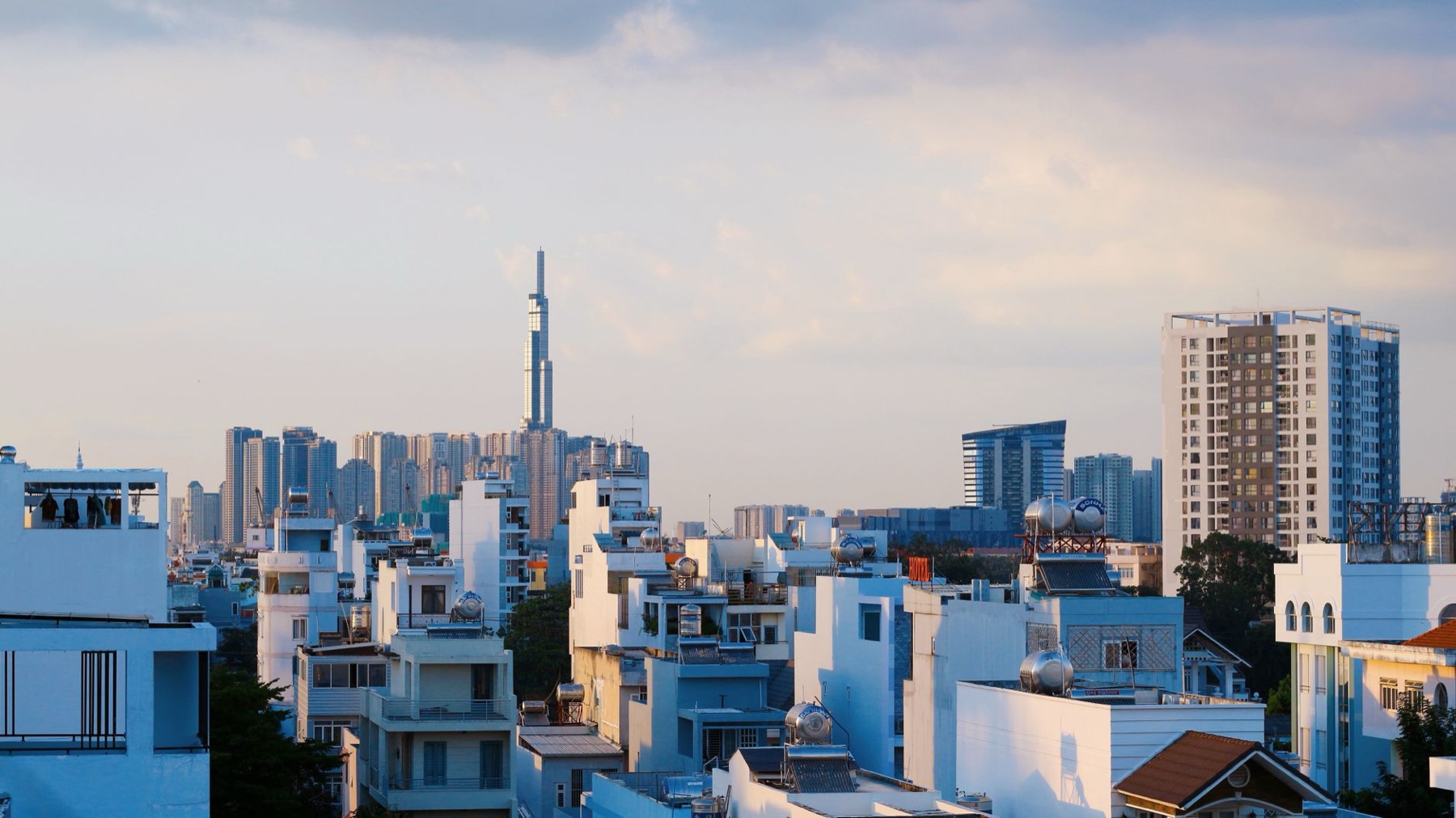
District 3 and 5 (near Binh Tay Market and Tan Dinh Church) are quieter residential zones. Local food is authentic; café culture is real. Hotels run $25–50 USD. You'll need a taxi or Grab app for tourist sites. This area rewards curious travelers who eat where locals eat. Avoid late-night walks alone; petty theft happens.
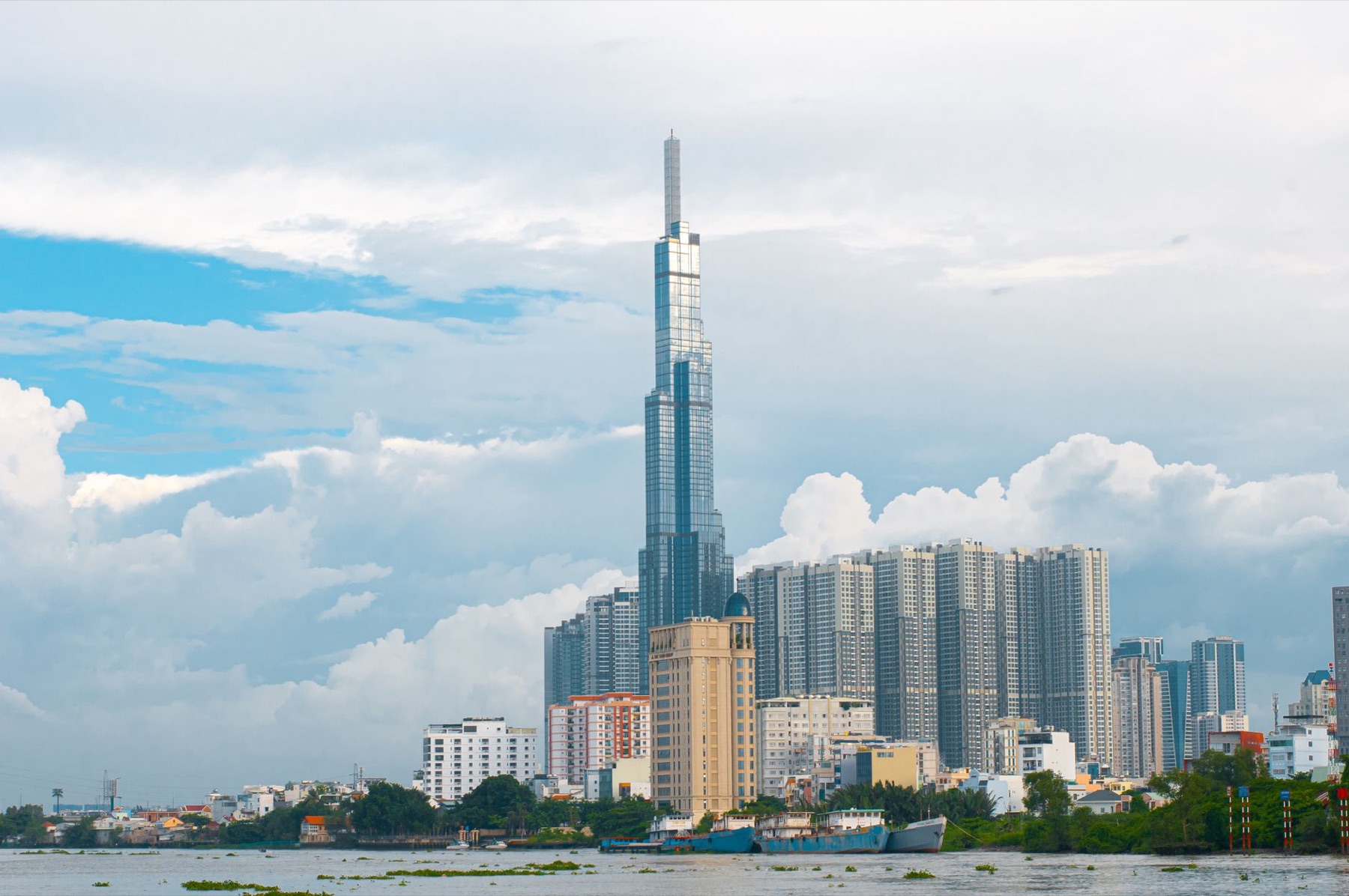
Binh Thanh (District 2, east of the river) attracts expats and remote workers. Thao Dien and An Phu wards have good coffee, malls, and shopping. Hotels range $30–70 USD. Less touristy; fewer touts. Getting to District 1 takes 15–20 minutes by Grab. Best for travelers staying 5+ nights.
Phu Nhuan (District 10) is budget-backpacker territory. Hostels start around $10–15 USD; guesthouses $15–30 USD. Nightlife is young, loud, and cheap. Food stalls cluster near Tao Duc Street. Rooms are tiny; walls are thin. Expect noise, parties, and party buses. Skip if you value quiet sleep.
🗺️ Plan your route: Vietnam itinerary
How Much Should You Budget for Accommodation?
Budget accommodation (hostels, basic guesthouses): $10–25 USD/night. Shared dorms in Phu Nhuan or backpacker zones offer basic beds, communal kitchens, and social atmospheres. Private rooms in the same areas run $20–35 USD. Bathrooms are often shared; air-con is sometimes fan-only. Best for solo travelers and party crowds.
Mid-range hotels (3-star equivalent): $30–80 USD/night. Found across Districts 1, 3, and Binh Thanh. Private room, air-con, hot water, small desk, perhaps a gym. Service is reliable but not fussy. Staff speak some English. Breakfasts are basic. Best for couples and small groups staying 3–5 nights.
Upper mid-range (4-star comfort): $60–150 USD/night. Located in prime zones: downtown District 1, riverside, Thao Dien. Pool, restaurant, good English-speaking staff. Breakfast buffet included. Air-con and noise isolation work. Booking platforms show real photos; inspect reviews for noise and hidden charges.
Luxury (well-made hotels): $120–300+ USD/night. Saigon has several authentic well-made properties: Pullman, Park Hyatt, Calibre House (colonial charm). Expect premium service, restaurants, spas. Value is real if you want butler service or executive lounge access. Otherwise, a well-run 4-star delivers 80% of the experience at half the price.
| Hotel Type | Price (USD/night) | Best For | Trade-off |
|---|---|---|---|
| Hostel dorm | $10–15 | Solo, budget, party | Noise, shared facilities |
| Guesthouse private | $20–35 | Budget couples | Small rooms, basic amenities |
| Mid-range 3-star | $35–60 | Families, short trips | Less character, chain feel |
| Upper mid-range 4-star | $60–120 | Comfort seekers, longer stays | Higher cost vs. value |
| Luxury well-made | $120–300+ | Special occasions, business | Premium pricing for service |
What Are Common Scams and How Do You Avoid Them?
Commission markups: Booking agents and cyclo drivers earn 20–30% for steering you to their partner hotel. Rooms aren't better; prices are inflated. Avoid cyclos offering hotel advice. Use Google Maps directions directly; book hotels on their official websites or Agoda/Booking.
Hidden fees: Advertised $30 USD becomes $38 USD after "city tax" and "WiFi fee." Ask in writing before booking: total cost including all charges. Avoid properties that refuse to itemize.
Fake reviews: Properties with 4.9 stars and 200 reviews in three months are buying feedback. Check review dates—real properties have reviews spread over years. Read negative reviews; they're often honest.
Double-bookings: Especially during Lunar New Year (late January/February), guesthouses overbook and relocate guests to partner hotels. Confirm your reservation 48 hours before arrival via phone call, not email.
Taxi overcharging: Skip street hails. Use Grab app (ride-sharing, metered rate) or hotel taxis. Grab shows price before booking; drivers cannot negotiate.
📸 Book an ao dai photoshoot in Hanoi or Saigon (Cáo Studio)

Should You Book Direct or Use an Online Platform?
Direct booking (hotel website) often offers the best rate if you call and ask for a discount. You control the conversation; no middleman markup. Deposits are refundable on cancellation. Downside: you must handle issues by phone or email; no platform guarantee.
Agoda and Booking.com show competitive rates and user reviews from thousands. You pay no extra fee; platforms negotiate volume discounts with hotels. Cancellation is usually flexible (read the fine print). Downside: if there's a dispute, customer service is email-only and slow.
Airbnb works for apartments and houses, not hotels. Prices are often lower than hotels for 5+ nights. You get a kitchen; good for families. Downside: cleaning fees inflate final cost; some hosts cancel suddenly; Airbnb's customer service favors guests sometimes unfairly, so read owner reviews closely.
Google Hotels aggregates prices from all platforms. Use it to compare—don't book directly from Google. Actual booking happens on the hotel site, Agoda, or Booking.
Hostels: Hostelworld shows availability and real social feedback. You'll find Saigon's best backpacker hostels there, often cheaper than Booking because they're booking-direct hostels.
Our recommendation: For 1–3 nights in peak season, use Agoda (rates are competitive, reviews are fresh). For 5+ nights, call hotels directly and ask for a long-stay discount. For apartments, read Airbnb owner reviews carefully, not just ratings.
What Practical Factors Matter When Choosing a Room?
Noise: Saigon is loud. Street-facing rooms (especially ground floor) catch motorbike noise until 1–2 a.m. Request upper-floor, courtyard-facing, or back-of-building rooms. Test earplugs before your trip.
Air-conditioning: Essential in Saigon's heat (28–35°C / 82–95°F year-round). Cheap units rattle and make sleeping harder than noise. Read reviews for "noisy AC." Mid-range properties have quiet units.
WiFi speed: Most hotels claim WiFi but deliver 2–5 Mbps. If you work remotely, ask about speed before booking. A $50+ USD hotel should deliver 20+ Mbps. Backup: buy a Vietnam eSIM (4G, around $10 USD for 30 days data) from an arrival airport vendor or use our eSIM guide.
Water pressure and hot water: Cheap hotels have weak showers. Mid-range and above are reliable. Read recent reviews mentioning "shower pressure."
Breakfast quality: Some hotels include breakfast; others charge $5–10 USD. Included breakfasts at budget properties are often rice, eggs, and weak coffee. Mid-range breakfasts are better. If you value it, ask what's offered.
Location to transport: Saigon's streets are chaotic for first-time drivers. Grab app (motorcycle taxi or car) is easiest. Staying near a main road (Dong Khoi, Le Loi, Nguyen Hue) reduces Grab wait times. Staying in District 3 or 5 means 10-minute Grab rides to District 1; acceptable if prices are lower.
🎟️ Compare tours & tickets for this place
What to Check Before You Book
- Read the last 20 reviews on Agoda or Booking, especially 3-star and 2-star ones. Look for patterns: noise, cleanliness, AC issues, water pressure. One bad review is anecdote; five bad reviews are a pattern.
- Check the cancellation policy. Free cancellation until 48 hours before arrival is standard. Non-refundable rates should be 15–25% cheaper; rarely worth the risk in Saigon where alternatives are abundant.
- Confirm the address and district. Saigon addresses are often vague ("Dong Khoi Street" instead of a number). Paste the address into Google Maps and check the actual neighbourhood. Some "District 1" listings are actually in Districts 3 or 5.
- Ask about parking if you're renting a motorbike. Free parking at hotels is rare; expect $3–5 USD per night. Some hotels charge to even look at bikes; clarify upfront.
- Verify wifi speed with the hotel's direct contact. Chat or call; don't trust the website. Ask: "What download speed can I expect?" A vague answer means it's slow.
- Check water quality reviews. Saigon's tap water is not potable for travelers. Hotels should provide free bottled water or a cooler. Read reviews for mention of it.
- Look at check-in times. Standard is 2–3 p.m.; many budget places enforce this strictly. If you arrive morning, ask about early check-in (often available for $10–15 USD).
---
Once you've chosen your base, explore Saigon properly. Visit our full Ho Chi Minh City guide for restaurants, markets, and hidden street temples. If you're building a multi-city Vietnam trip, check our itinerary planner to link Saigon with Hanoi, Hoi An, Ninh Binh, Ha Long Bay, and Sapa.
Capture your Saigon memories professionally: book an ao dai photoshoot and makeup session with Cáo Studio in Saigon. Looking to gift something to someone you met in Vietnam? Browse our personalised gifts and keepsakes or Vietnam-inspired home décor.
FAQ
Is District 1 worth the higher price?
Only if you prioritise walkability and nightlife over budget. Restaurants, bars, and landmarks are clustered here, cutting transport costs. For quiet, cultural immersion, Districts 3, 5, or Binh Thanh offer better value and authentic food scenes.
What's the cheapest reliable hotel in Saigon?
Mid-range guesthouses in District 5 or Phu Nhuan run $25–40 USD and offer clean rooms, air-con, and helpful staff. Read recent reviews; avoid places with AC or plumbing complaints. Budget $10 USD per night for a hostel if you accept shared dorms and noise.
When is peak season, and should I book early?
November to February is busiest; Lunar New Year (late January/February 2026) is busiest of all. Book 4–6 weeks ahead for peak dates. March to May and September to October are shoulder seasons with lower prices and fewer crowds—same quality hotels, 20–30% cheaper.
Can I negotiate prices directly with hotels?
Yes, especially for stays of 5+ nights or during low season (June–October). Call the hotel directly; say you're flexible on dates. Many will offer 10–20% discounts off their website rate to avoid platform commissions.
Is Grab safe for late-night transport from hotels?
Grab is safer than street taxis. Drivers are tracked via GPS; you share your route with a contact. Use the app even at 2 a.m. Avoid walking alone at night; Saigon's theft is petty (phone snatching) and rarely violent. Stay on main streets if you walk after dark.
FAQ
Is District 1 worth the higher price?
Only if you prioritise walkability and nightlife over budget. Restaurants, bars, and landmarks are clustered here, cutting transport costs. For quiet, cultural immersion, Districts 3, 5, or Binh Thanh offer better value and authentic food scenes.
What's the cheapest reliable hotel in Saigon?
Mid-range guesthouses in District 5 or Phu Nhuan run $25–40 USD and offer clean rooms, air-con, and helpful staff. Read recent reviews; avoid places with AC or plumbing complaints. Budget $10 USD per night for a hostel if you accept shared dorms and noise.
When is peak season, and should I book early?
November to February is busiest; Lunar New Year (late January/February 2026) is busiest of all. Book 4–6 weeks ahead for peak dates. March to May and September to October are shoulder seasons with lower prices and fewer crowds—same quality hotels, 20–30% cheaper.
Can I negotiate prices directly with hotels?
Yes, especially for stays of 5+ nights or during low season (June–October). Call the hotel directly; say you're flexible on dates. Many will offer 10–20% discounts off their website rate to avoid platform commissions.
Is Grab safe for late-night transport from hotels?
Grab is safer than street taxis. Drivers are tracked via GPS; you share your route with a contact. Use the app even at 2 a.m. Avoid walking alone at night; Saigon's theft is petty (phone snatching) and rarely violent. Stay on main streets if you walk after dark.
More: Ho Chi Minh City travel guide · Where to stay in Ho Chi Minh City