หมู่กังจ๋าย · ที่พัก
Where to Stay in Mu Cang Chai: Guesthouses, Homestays & Budget Options
โดย Wander in Vietnam editorial team · Hanoi, Vietnam
Mu Cang Chai là thung lũng ở độ cao 1,600–1,800m (Huyện Mu Cang Chai, Tỉnh Yên Bái) nổi tiếng với ruộng bậc thang. Hầu hết du khách lưu trú ở nhà dân hoặc nhà khách nhỏ. Chúng tôi chia sẻ cách chọn phòng theo ngân sách, vị trí, và cái gì thực sự phù hợp cho trekker và nhiếp ảnh gia.
Mu Cang Chai accommodation ranges from budget homestays (around 200–350k VND / $8–14 USD per night) to mid-range guesthouses (around 500–800k VND / $20–32 USD per night). Most visitors stay in the main valley near Mu Cang Chai town centre or nearby hamlets like Khao and Che Cu Noi. We recommend booking direct via phone or Facebook—online booking platforms often inflate rates by 30–50%. Infrastructure is basic: expect squat toilets, bucket showers, no air conditioning, and 7–10 PM power cuts in remote homestays. Best trekking seasons are September–October (golden rice, harvest) and December–January (flooded terraces mirror the sky). The remote location means no walk-in accommodation; reserve 1–2 weeks in advance, especially during peak season.
---
ไปถึง Mu Cang Chai ยังไง และวางแผนเที่ยว?
Mu Cang Chai is 5–6 hours north of Hanoi by road (around 240 km). From Hanoi, take a minibus from Giáp Bát station (around 150–200k VND / $6–8 USD, 5–6 hours) or hire a private car (around 3–4 million VND / $120–160 USD return). There is no train, and no commercial flights to the valley. From Sapa, it's a 4-hour drive east via Tuan Giao. Accommodation fills up September–November, so plan early. For a full Vietnam itinerary that includes Mu Cang Chai, use Wander in Vietnam's itinerary planner.
---
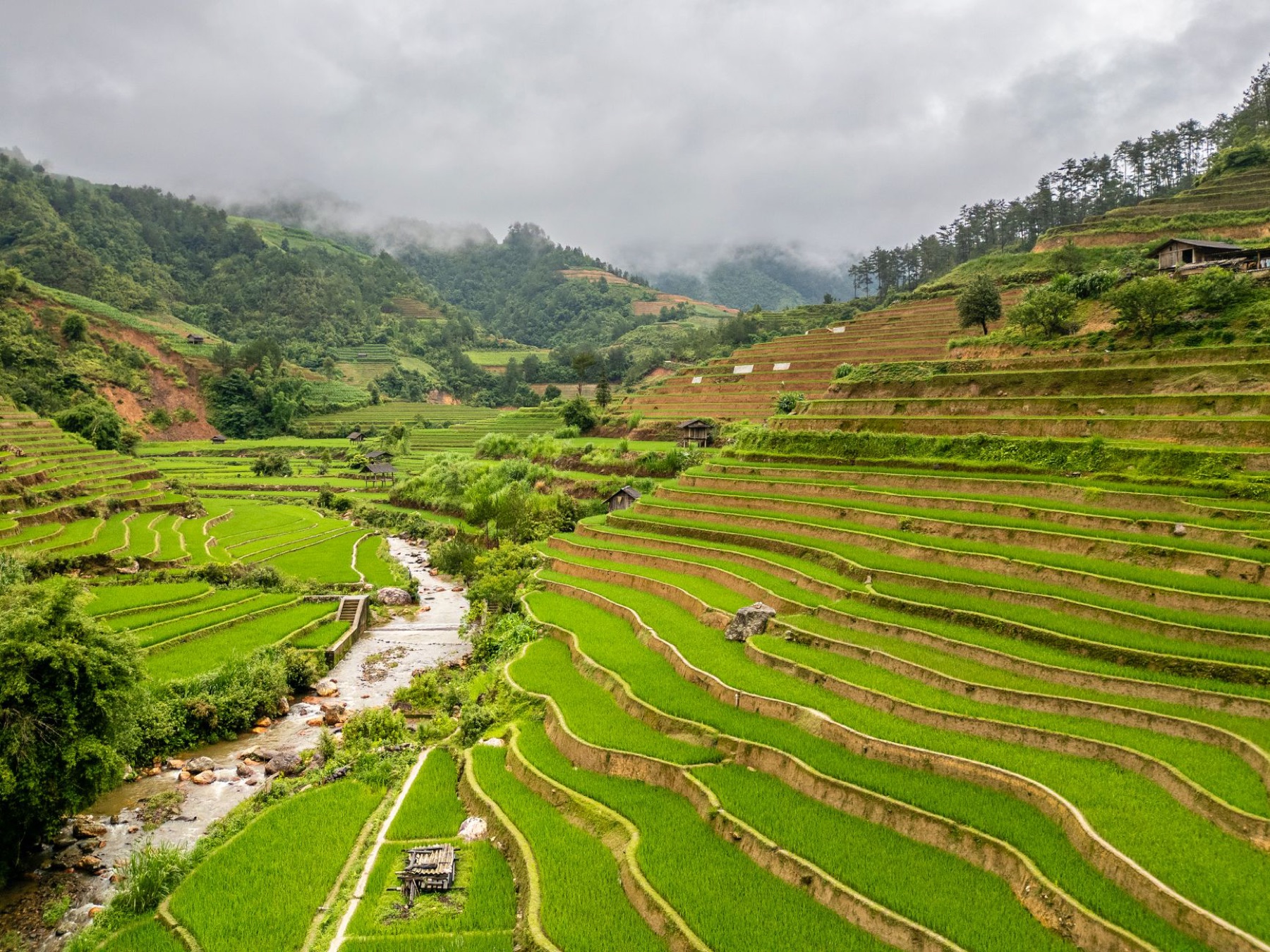
ที่พัก Budget Homestay มีอะไรถูกบ้าง?
Budget homestays cost around 200–350k VND ($8–14 USD) per night. Rooms are small, with a single bed or two narrow single beds, shared squat toilet, and cold-water bucket shower. Most homestays are run by Hmong or Thai minority families who live on-site and serve dinner (around 100–150k VND / $4–6 USD, shared family meal, often vegetable soup, rice, wild greens, preserved egg). Electricity is limited; bring a power bank. No internet or WiFi is standard. Locals speak minimal English; learn basic greetings in Vietnamese or Hmong, or bring a translation app. Book by calling the owner or messaging their Facebook page—rates drop 10–20% for direct booking. Many homestays do not accept online payment; cash (VND) only. Expect to wake early (5–6 AM) due to lack of curtains and roosters. Humidity is high; mold and moisture are common. Pack a lightweight towel and quick-dry clothes.
---
ดั้งตัว Mid-Range Guesthouses ต่างจาก Homestay ยังไง?
| ประเภท | ใครเหมาะ | ราคา | สิ่งที่ดีที่สุด |
|---|---|---|---|
| Budget Homestay | Backpackers, trekkers, photographers, students | 200–350k VND ($8–14) | Family meals, authentic village life, lowest cost |
| Mid-Range Guesthouse | Couples, small groups, comfort-seekers | 500–800k VND ($20–32) | Private bathroom, hot shower, WiFi (often unreliable), better mattress |
| Farm Stay (agricultural homestay) | Families, nature lovers | 400–600k VND ($16–24) | Garden, farm activities, quieter, still basic |
| Budget Hotel (Yen Bai town, 20 km away) | Elderly travelers, last-minute bookings | 300–500k VND ($12–20) | Modern amenities, restaurants nearby, more tourist infrastructure |
Mid-range guesthouses (around 500–800k VND / $20–32 USD per night) offer a private en-suite bathroom with a hot shower (important after a 10-hour trek). Rooms have better mattresses, windows with curtains, and a small desk. Most have 24-hour electricity and spotty WiFi (speeds vary 1–10 Mbps). Breakfast is included (typically rice porridge, fried egg, vegetables, instant noodles). Owners are often bilingual or employ a guide who speaks English. Many guesthouses are registered with local tourism authorities and accept credit cards via mobile payment (Momo, Vietcombank) or cash. Common complaints: thin walls (hear neighbors), squat toilets in some "mid-range" places (ask before booking), and breakfast variety is poor. Guesthouses fill up 2–3 weeks before peak season; book early.
---
ที่ไหนในหุบเขา Mu Cang Chai ดีที่สุด?
Mu Cang Chai town centre (main village, around 400–500 meters above sea level at the junction): 1–2 guesthouses, easy access to trekking routes, but more noise from vehicles and tourists. Stay here if you want WiFi and an early minibus to Yen Bai or Hanoi.
Khao village (around 2 km north, higher elevation, 1,700+ m): Most homestays and smaller guesthouses cluster here. Quieter, better terrace views, closer to the best trek routes (Khao → Hang village → Che Cu Noi loop, around 3–4 hours). Expect 100m elevation gain on foot from the main road; bring a backpack.
Che Cu Noi (valley floor, around 8 km northeast, 1,500 m): Very remote, accessed by rough road, ideal for photographers seeking sunrise over flooded terraces (December–January). Only 2–3 very basic homestays; book ahead and arrange transport. No shops, electricity is erratic, toilets are outdoor squat. Best for hardened trekkers and solo adventure photographers.
Coc San pass viewpoint (around 6 km east of town, 2,000 m): No accommodation. Popular for sunset photos, often packed with tour buses in season. Visit for 1–2 hours, stay in Khao.
Recommendation: Stay in Khao if you trek. Stay in town if you prioritize comfort and WiFi. Avoid Che Cu Noi unless you have trekking experience and want extreme isolation.
---
บริการพิเศษในที่พัก (meal, trek guide, transport)?
Most homestays and guesthouses include basic dinner and breakfast. À la carte food costs around 50–100k VND ($2–4 USD) per dish. Trek guides are arranged on-site or via your host (around 400–600k VND / $16–24 USD per guide per day for 1–3 people, split by group size; solo = more expensive per person). Transport to/from Yen Bai or Hanoi is arranged by host or local taxi (around 150–200k VND / $6–8 USD per seat to Yen Bai, 5–6 hours). Some guesthouses offer laundry (10–20k VND / $0.40–0.80 USD per item, dry by next morning if you hand it in by 4 PM). WiFi is hit-or-miss; download offline maps and expect slow speeds. Generators run 6–10 PM only in budget homestays; charge devices in daylight. No ATM in Mu Cang Chai; withdraw cash in Yen Bai town (20 km south) before arriving.
---
เมื่อไหร่คือ Best Season ที่มีแสงแดด?
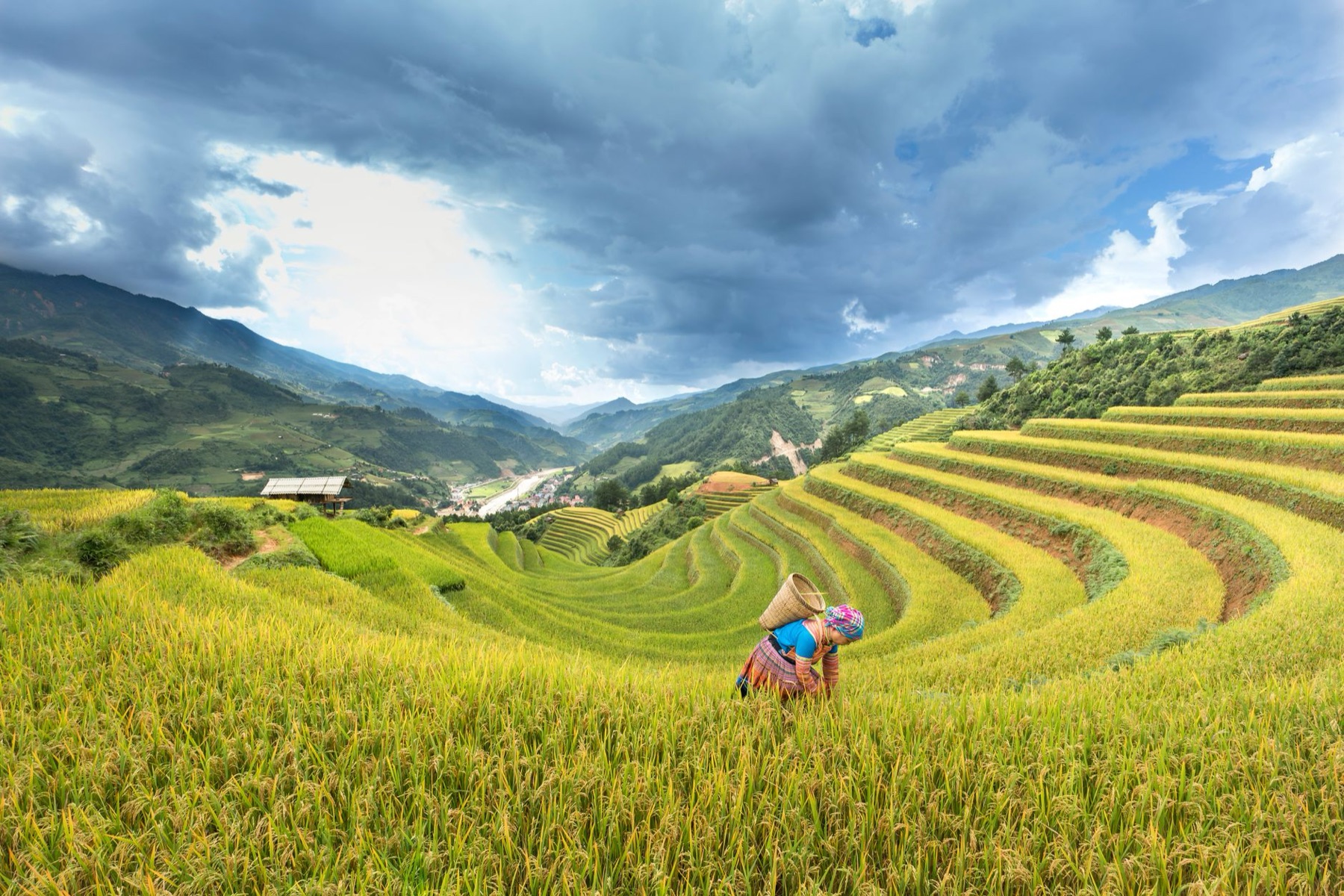
September–October (Golden Rice, Harvest): Terraces turn golden-yellow. Morning mist clears by 8–9 AM. High season = accommodation full, prices up 20–30%, tour groups everywhere. Sunny, warm afternoons. Best for color photography.
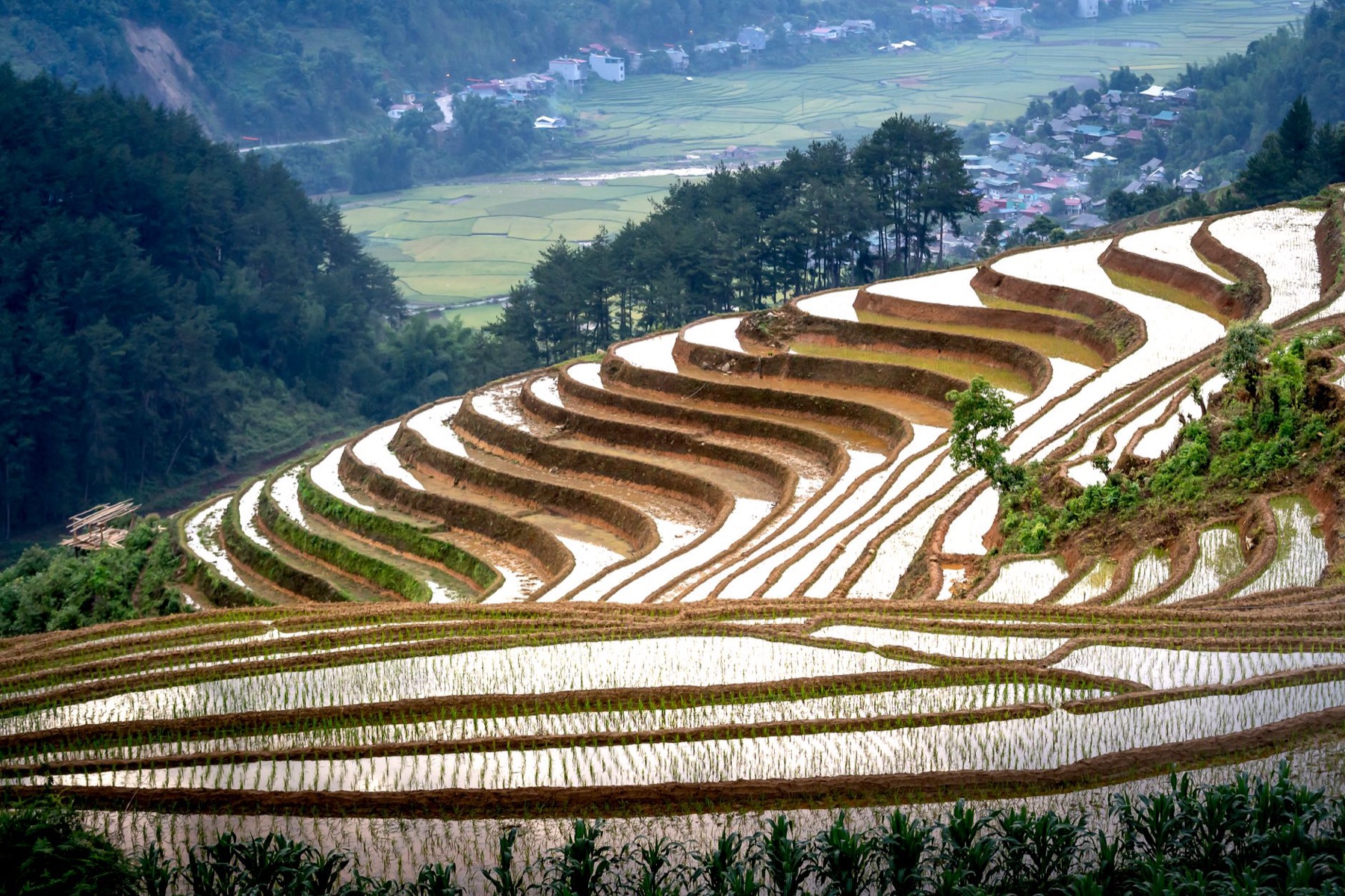
December–January (Flooded Terraces, Mirror Effect): Farmers flood the paddies for winter rice. Still water acts as a mirror, reflecting the sky. Cold mornings (5–10°C), clear skies. Medium season = rooms available, fewer tour buses, prices normal. Sunrise hikes are breathtaking but require warm clothes.
February–March (Dry, less appealing): Terraces are brown, farmers are planting. Few tourists, cheapest prices, but less photogenic. Good for budget travel and hiking without crowds. Afternoon fog rolls in.
April–August (Monsoon, wet, rice-growing): Heavy rain, landslides, leech season. Homestays offer discounts (up to 40% off). Not recommended unless you love rain and solitude. Roads can wash out; check conditions with your host.
Avoid: July–August (peak rain, muddy trails, leeches everywhere). February (dry, uninteresting light, many homestays close for renovation).
---
ต้องตรวจสอบอะไรก่อนจองที่พัก?
Before you book, verify these points:
- Bathroom type (private en-suite vs. shared squat toilet) — ask for photos.
- Hot water (solar or bucket? 24-hour or scheduled?).
- Electricity hours (24-hour or 6–10 PM only? generator or grid?).
- WiFi speed (ask for a speed-test screenshot; if they say "yes WiFi" but average is <1 Mbps, expect disconnection).
- Meals included (breakfast only, or dinner too? vegetarian options?).
- Cancellation policy (30 days free, or strict?).
- Transport to/from Yen Bai (included, or extra cost? arrange with host first).
- Check-in/check-out times (11 AM check-out is standard; late checkout = 50–100k VND extra).
- Your host's phone number (call 1–2 days before arrival to confirm and arrange pickup from the junction).
- Payment method (cash only, Momo, or card?).
---
ทุกอย่างตรงลงตัวหรือมีปัญหา?
Common issues we hear:
- Booked on Booking.com for 700k VND, arrived to find the homestay charges only 250k direct (always call the owner first and ask for a direct-booking discount).
- "WiFi available" turned out to be 0.3 Mbps, only working 7–9 PM (ask for a Speedtest result in advance).
- Room assigned was a dark basement instead of the upstairs room in the photos (confirm the exact room on arrival; politely refuse and request a swap).
- Dinner included rice soup and no protein; "special" meals cost extra (ask what dinner includes before booking; bring instant noodles or energy bars as backup).
- Host did not arrange minibus to Hanoi as promised; stuck for 2 days (book your exit transport the day you arrive, or book a minibus seat with a travel agency in Yen Bai before leaving town).
How to avoid: Call your host 1 week and again 2 days before arrival. Confirm room type, meals, and transport. Take photos of the room on arrival to document condition. Keep the host's mobile number saved. Pay in cash only if you don't trust the platform.
---
📸 จองถ่ายรูปชุดอ๋าวหญ่ายที่ฮานอยหรือไซ่ง่อน (Cáo Studio)
For more context on trekking in northern Vietnam, see our guides to Sapa and Ninh Binh. To explore Hanoi's colonial heritage before heading north, visit our Hanoi guide. If you're combining this trip with southern Vietnam, check Ho Chi Minh City and Hoi An.
---
FAQ
ต้องเตรียมเงินเท่าไหร่สำหรับเที่ยว Mu Cang Chai 3 วัน?
Budget traveler: ~1.5–2 million VND ($60–80 USD) including minibus to/from Hanoi (300–400k VND return), 2 nights homestay (400–700k VND), meals (200–300k VND), trek guide (1–2 nights, 200–300k VND). Mid-range: ~2.5–3.5 million VND ($100–140 USD). Bring extra cash; no ATM in the valley.
ระหว่าง Booking.com, Airbnb และจองตรง ตัวไหนดีที่สุด?
Direct booking is cheapest (30–50% discount vs. platforms). Call the owner's Facebook page or phone number. Booking.com and Airbnb inflate prices by 30–50% due to commission, but offer some buyer protection. If you don't speak Vietnamese, use Airbnb with instant book and clear cancellation. Always message the host to ask for a direct-booking discount before confirming.
ฉันเป็นผู้เชี่ยวชาญด้านการถ่ายภาพ ควรจะพักที่ไหนสำหรับแสงอรุณและพระอาทิตย์ตกดิน?
Stay in Khao village for dawn hikes to Hang village ridge (1–2 hours' trek, 4:30 AM start). For flooded-terrace sunrise (December–January), arrange transport to Che Cu Noi the evening before, or book a farm stay near the flood fields. Bring a tripod, ND filter, and plan to wake at 4–4:30 AM. Pack a headlamp and warm layers.
ที่พักมีน้ำอุ่นไหมและจะอาบน้ำอุ่นสำหรับอาบบ้านหลังการเดินป่าเมื่อไร?
Budget homestays use solar or bucket heating (warm 2–4 PM only). Mid-range guesthouses have small solar or gas heaters (warm water 6–8 AM, 4–8 PM). After a full-day trek, you'll arrive 4–5 PM; hot water is available then. Shower water is never hot in the bucket-shower system; it's lukewarm. Bring a quick-dry towel. Some guesthouses let you shower the next morning (7–8 AM) when solar panels have heated the tank.
ต้องจองที่พักก่อนมาเท่าไหร่ (advance booking)?
September–October (peak): book 3–4 weeks ahead. December–January (medium): 2 weeks. February–March (low): 1 week or same-week bookings possible. July–August (rainy, low): last-minute often available at 30–40% discount. Never assume walk-in rooms unless you visit off-season; the valley is tiny and fills up fast.
ถ้าฉันไม่พูดภาษาเวียดนามหรือภาษาท้องถิ่น ฉันจะสื่อสารกับเจ้าของที่พักได้ไหม?
Many hosts in Khao speak basic English or hire a guide who does. Use Google Translate app (offline mode) to download Vietnamese–Thai. Send messages on Facebook Messenger with photos (ask for room type, meals, etc.). Carry a translation card with key phrases ("hot water," "vegetarian," "early checkout," "where is the toilet?"). Hire a guide for trekking; guides speak English and mediate host issues.
คำถามที่พบบ่อย
ต้องเตรียมเงินเท่าไหร่สำหรับเที่ยว Mu Cang Chai 3 วัน?
Budget traveler: ~1.5–2 million VND ($60–80 USD) including minibus to/from Hanoi (300–400k VND return), 2 nights homestay (400–700k VND), meals (200–300k VND), trek guide (1–2 nights, 200–300k VND). Mid-range: ~2.5–3.5 million VND ($100–140 USD). Bring extra cash; no ATM in the valley.
ระหว่าง Booking.com, Airbnb และจองตรง ตัวไหนดีที่สุด?
Direct booking is cheapest (30–50% discount vs. platforms). Call the owner's Facebook page or phone number. Booking.com and Airbnb inflate prices by 30–50% due to commission, but offer some buyer protection. If you don't speak Vietnamese, use Airbnb with instant book and clear cancellation. Always message the host to ask for a direct-booking discount before confirming.
ฉันเป็นผู้เชี่ยวชาญด้านการถ่ายภาพ ควรจะพักที่ไหนสำหรับแสงอรุณและพระอาทิตย์ตกดิน?
Stay in Khao village for dawn hikes to Hang village ridge (1–2 hours' trek, 4:30 AM start). For flooded-terrace sunrise (December–January), arrange transport to Che Cu Noi the evening before, or book a farm stay near the flood fields. Bring a tripod, ND filter, and plan to wake at 4–4:30 AM. Pack a headlamp and warm layers.
ที่พักมีน้ำอุ่นไหมและจะอาบน้ำอุ่นสำหรับอาบบ้านหลังการเดินป่าเมื่อไร?
Budget homestays use solar or bucket heating (warm 2–4 PM only). Mid-range guesthouses have small solar or gas heaters (warm water 6–8 AM, 4–8 PM). After a full-day trek, you'll arrive 4–5 PM; hot water is available then. Shower water is never hot in the bucket-shower system; it's lukewarm. Bring a quick-dry towel. Some guesthouses let you shower the next morning (7–8 AM) when solar panels have heated the tank.
ต้องจองที่พักก่อนมาเท่าไหร่ (advance booking)?
September–October (peak): book 3–4 weeks ahead. December–January (medium): 2 weeks. February–March (low): 1 week or same-week bookings possible. July–August (rainy, low): last-minute often available at 30–40% discount. Never assume walk-in rooms unless you visit off-season; the valley is tiny and fills up fast.
ถ้าฉันไม่พูดภาษาเวียดนามหรือภาษาท้องถิ่น ฉันจะสื่อสารกับเจ้าของที่พักได้ไหม?
Many hosts in Khao speak basic English or hire a guide who does. Use Google Translate app (offline mode) to download Vietnamese–Thai. Send messages on Facebook Messenger with photos (ask for room type, meals, etc.). Carry a translation card with key phrases ("hot water," "vegetarian," "early checkout," "where is the toilet?"). Hire a guide for trekking; guides speak English and mediate host issues.
อ่านต่อ: คู่มือเที่ยว หมู่กังจ๋าย · พักย่านไหนดีใน หมู่กังจ๋าย