Hanoi · Itinerary
3-Day Hanoi Itinerary: Old Quarter, Lakes & Local Eats
By Wander in Vietnam editorial team · Hanoi, Vietnam
Three days is the sweet spot for Hanoi. You'll see the main landmarks without feeling rushed, and you have breathing room to explore backstreet restaurants and markets where locals actually eat. Most first-time visitors make the same mistakes: booking hotels in the wrong neighborhood, eating at inflated tourist spots on the main drags, and underestimating how hot and humid it gets even in cooler months.
We've broken this down by what you'll actually do each day, which neighborhoods matter, exact costs in VND/USD, and which souvenir ideas work best for travelers heading home with real memories—not airport-shop junk.
What's Realistic to See in Three Days?
You won't see everything, and that's fine. A 3-day itinerary should hit Old Quarter chaos, one major temple, at least two lakes, and several neighborhood food stops. Day trips to Ninh Binh or Ha Long Bay require 8+ hours and kill your whole day—save those for a longer trip. Instead, stay in Hanoi proper, walk every morning before 10 a.m. when it's coolest, rest in your hotel during 11 a.m.–3 p.m. heat, and hit the evening markets and street-food clusters.
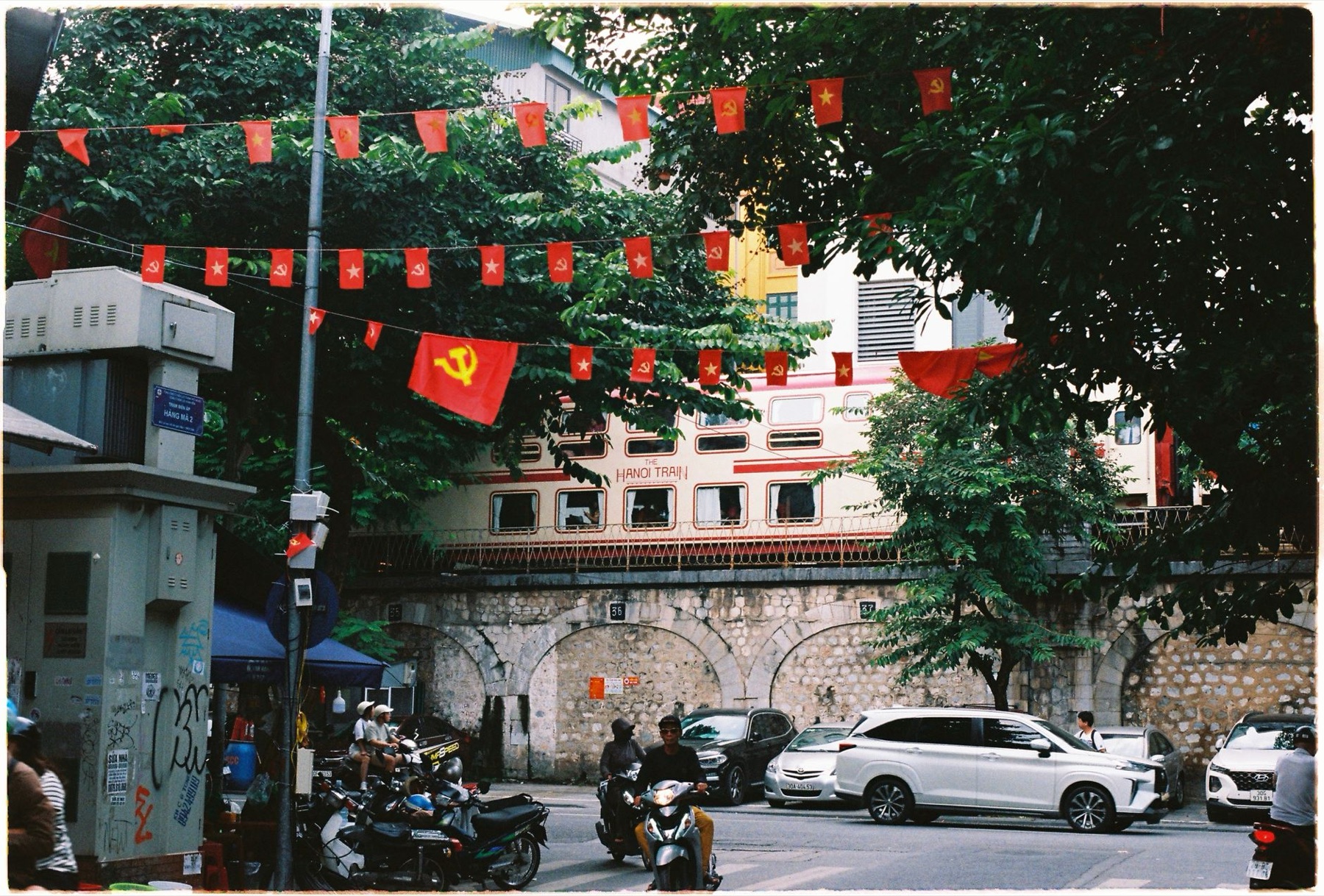
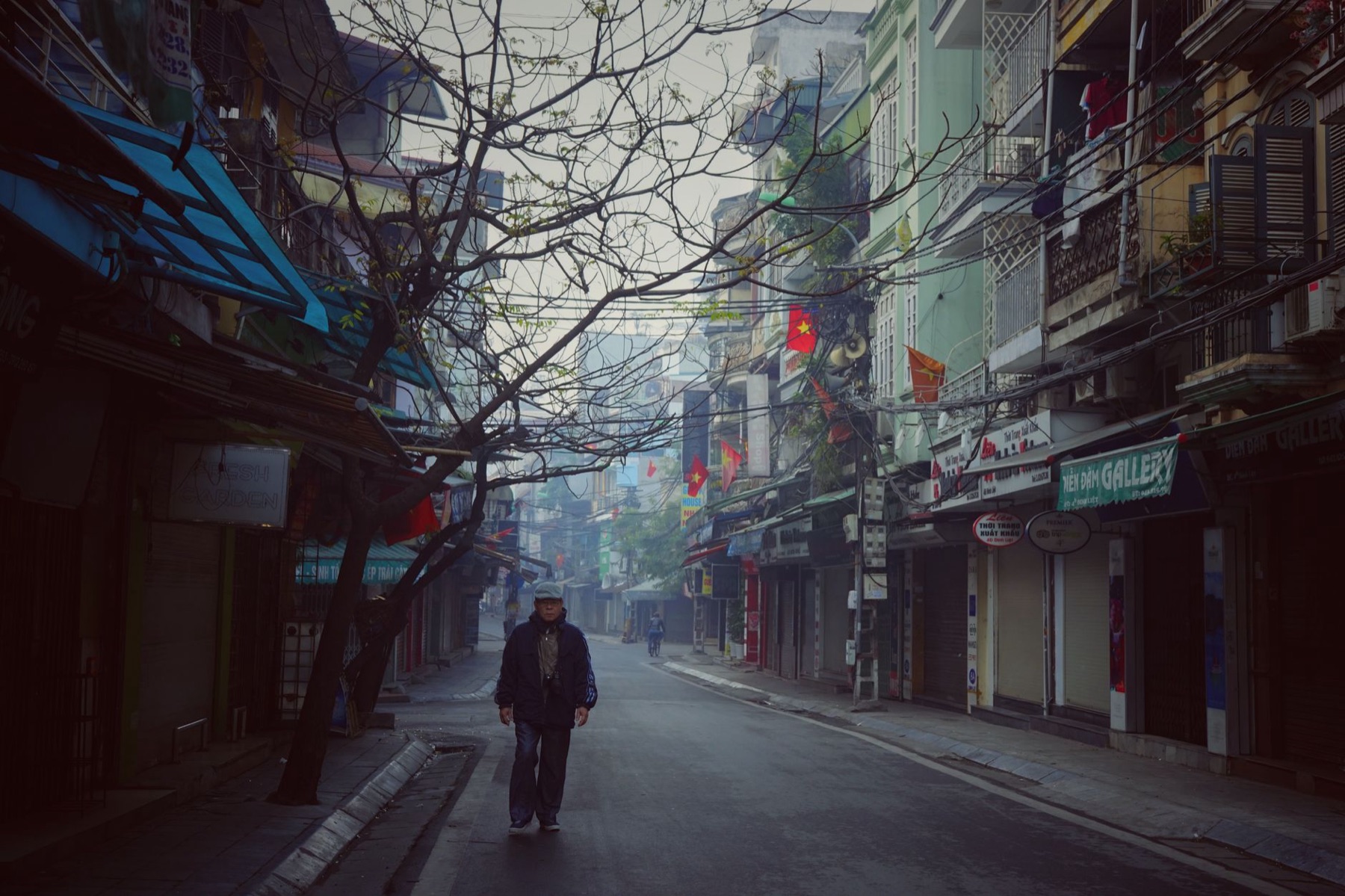
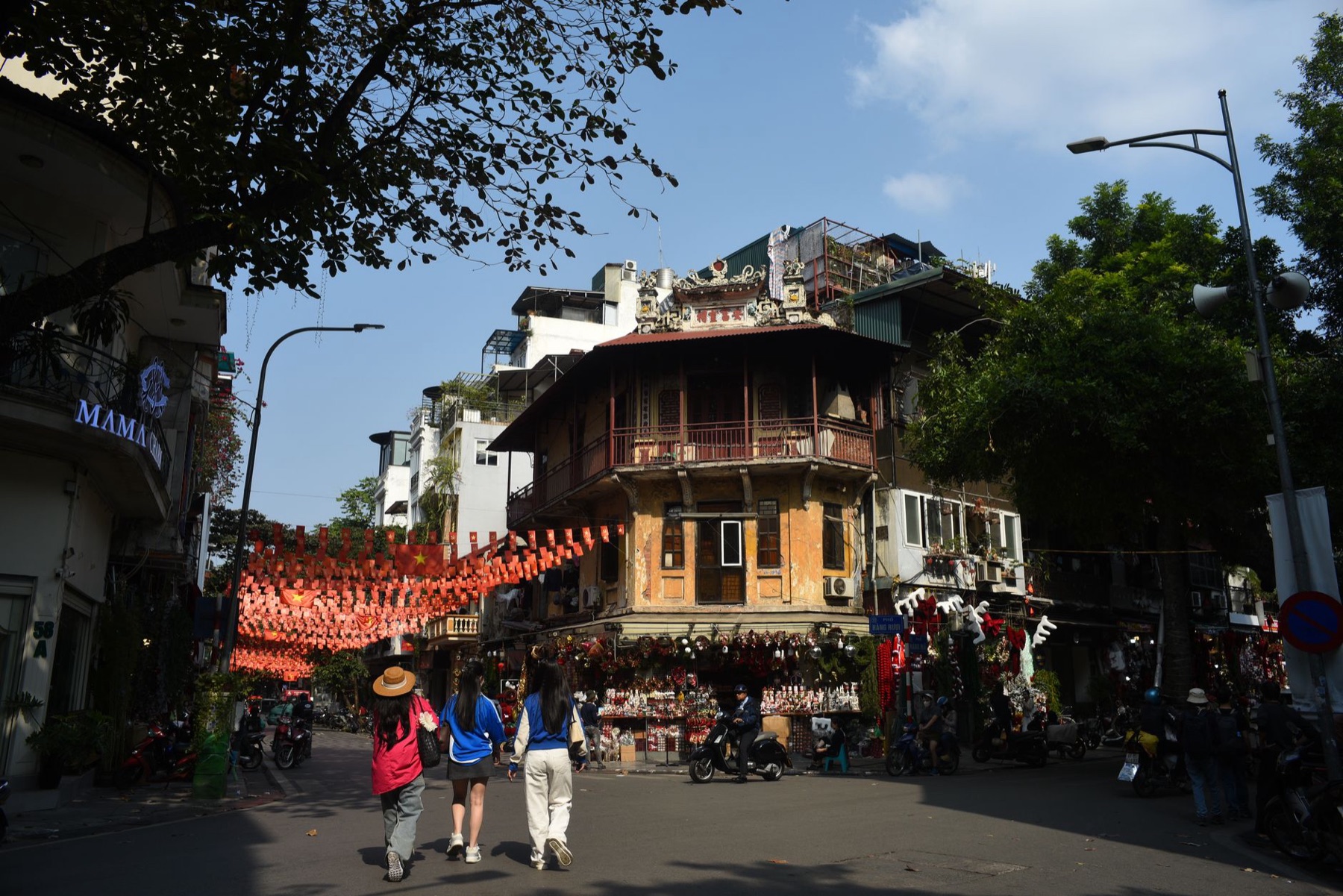
The Old Quarter (36 Pho Nho, Hang Dau, Hang Bong areas) is dense, sensory overload—narrow lanes, scooters honking, plastic stools, perfect chaos. But go with zero expectations about "authenticity"—it's touristy, yes, but undeniably energetic. Hoan Kiem Lake (central, free) is calmer, better for sunrise walks; Ho Tay (West Lake, 2 km north) is where expats and wealthier locals live, quieter, good for escape but skip if you're time-pressed.
🗺️ Plan your route: Vietnam itinerary
Where Should You Actually Stay?
Hoan Kiem district (around the lake itself) or Ba Dinh district (west side, near Ho Chi Minh Mausoleum) are your best bets. Both offer walkable access to temples, markets, and restaurants without the noise of the Old Quarter's inner lanes. Prices for guesthouses range around 300,000–600,000 VND per night ($12–$24 USD) for a clean double with air-con; mid-range hotels (1–2 million VND / $40–$80 USD) offer better bathrooms and breakfast.
Avoid booking inside the Old Quarter's tightest alleys unless you love motorbike exhaust and 5 a.m. construction noise. The trade-off: outer neighborhoods like Tay Ho (West Lake) are prettier and calmer but require a taxi back to central sites after dark, which adds cost.
Old Quarter makes sense only if you want to be in the energy 24/7 and don't mind the chaos. Budget travelers: Hoan Kiem's northern edge, near Hang Khay Street, has cheaper options and better transport links.
Day-by-Day Breakdown: Where to Go & What to Skip
Day 1: Old Quarter & Hoan Kiem Lake Start at Hoan Kiem Lake's eastern shore at 6:30–7 a.m. for sunrise and tai chi. Grab a coffee and banh mi from a corner vendor (around 40,000–50,000 VND / $1.60–$2 USD for a good one). Walk around the lake (3.5 km, 45 minutes), cross the red Huc Bridge to Ngoc Son Temple (20,000 VND / $0.80 USD entry, modest but genuine). By 9 a.m., head into the Old Quarter proper via Hang Ngang Street. Wander Hang Gai, Hang Bac, Dinh Liem—these streets specialize in silk, lanterns, and embroidery; it's touristy but the goods are real. Hit a pho shop on Hang Manh (around 30,000–40,000 VND / $1.20–$1.60 USD for a bowl) by 11 a.m., retreat to your hotel, rest until 4 p.m. Eat street food near Hang Be market (60,000–80,000 VND / $2.40–$3.20 USD gets you spring rolls, grilled fish cakes, bitter-leaf salad) around 5–6 p.m., then stroll to Thao Dien Lake (smaller, less touristy than Hoan Kiem) for a quieter evening.
Day 2: Temples & Museums Visit the Temple of Literature (Van Mieu, Ba Dinh district) by 8 a.m. (30,000 VND / $1.20 USD, open 8 a.m.–5 p.m., very peaceful before tourists arrive). Then either go to the Ho Chi Minh Mausoleum complex (free entry to exterior grounds, but mausoleum interior tours 8–11 a.m. only; 30,000 VND / $1.20 USD for One Pillar Pagoda nearby) or skip the mausoleum queue and spend time at Tran Quoc Pagoda on the north edge of Ho Tay—it's less famous, far fewer tourists, and genuinely serene. Grab lunch at a local pho or bun cha place near Ba Dinh (around 50,000–70,000 VND / $2–$2.80 USD). If you have energy, visit the Hanoi Old Town History Museum (Ma May, 63 Old Quarter; 30,000 VND / $1.20 USD) for context on the neighborhood's 13 guild streets. Dinner: Long Bien Bridge area (east bank of Red River, 5 km south) has excellent grilled meats and river views—a cab is ~50,000 VND / $2 USD, worth it.
Day 3: Markets, Cafes & Local Neighborhoods Skip Dong Xuan Market (main Old Quarter, overrun with tourists selling the same knock-offs). Instead, catch Hang Dieu Night Market or Thanh Ha Morning Market (near the French Cathedral, 8–10 a.m., locals only, real produce and street food). If you're there on a weekend, explore Tay Ho district's flower and craft shops along Thanh Nien Street. Spend late afternoon at a water-puppet show (Thang Long Water Puppet Theatre, Ba Dinh; 100,000–150,000 VND / $4–$6 USD, shows 3 p.m. and 8 p.m., very touristy but unique to Vietnam). End with a final street-food run in a quieter neighborhood like Hai Ba Trung (south of central), then pack or ship any souvenirs before your flight.
| Souvenir Type | Best For | Where to Buy | Why It Works |
|---|---|---|---|
| Silk scarves or hand-dyed fabric | Gifts for family; practical | Hang Gai Street (Old Quarter) | Real artisan work, can ship easily, lasts years |
| Hand-embroidered ao dai | Memorable keepsake; personal wear | Tailor shops in Ba Dinh or Old Quarter; or book a custom photoshoot | One-of-a-kind; professional tailors take 5–7 days |
| Water-puppet show mini replicas | Desk or shelf decor | Tourist shops, but buy at Thang Long Theater gift stand | Authentic, lightweight, recognizable to Vietnam travelers |
| Lacquered wooden boxes or trays | Decorative; storage | Hang Ngang Street or Hang Chuoi; Quang Trung market (south Hanoi) | Durable, ship well, priced 200k–500k VND ($8–$20) |
| Vietnamese coffee & filters | Kitchen staple; easy to pack | Supermarkets or specialty roasters (Joma Bakery has beans) | Compact, shareable, brings Hanoi home |
📸 Book an ao dai photoshoot in Hanoi or Saigon (Cáo Studio)
Neighborhood Food Crawls: Where Locals Actually Eat
Old Quarter Alleys (Hang Manh, Hang Than, Thanh Ha): Early morning (6–8 a.m.): pho or banh canh (thick rice noodle soup). Cost around 30,000–50,000 VND ($1.20–$2 USD) per bowl. Sit on plastic stools, eat fast, move on. Avoid anything with a laminated photo menu—it's a tourist trap.
Ta Hien Street (Old Quarter evening): This is party central, but dine before 8 p.m. when locals still occupy the plastic-stool restaurants. Beer is cheap (15,000–30,000 VND / $0.60–$1.20 USD), food is mediocre and pricey for what it is. Come for the people-watching, not the food.
Hang Be Market Perimeter (near Old Quarter): Grilled fish cakes, quail eggs, bitter-leaf salad, spring rolls. 60,000–100,000 VND ($2.40–$4 USD) feeds you well. Open until 8 p.m., then closes. Best at 5–6 p.m.
Hai Ba Trung District (south of central): Quieter, less touristy. Try small pho shops, bun cha (grilled pork with vermicelli noodles, around 60,000 VND / $2.40 USD), and egg coffee at a side-street cafe (40,000–50,000 VND / $1.60–$2 USD). Hang Manh Street extension has a small night market for snacks.
Ho Tay (West Lake) Waterfront: More upscale. Restaurants serve fish and shrimp (150,000–300,000 VND / $6–$12 USD per dish), great views. Go if you want a break from street chaos; skip if budget-tight.
What Souvenir Actually Makes Sense?
Most travelers buy trinkets they forget about. Instead, consider these angles:
Personal Keepsake (not mass-produced): Book a custom ao dai photoshoot with Cáo Studio—you get professional photos wearing a hand-tailored or traditional ao dai, hair and makeup included. Ships the photos digitally or on USB. Cost runs 1–2 million VND ($40–$80 USD) depending on package. It's a memory, not clutter.
Gifts That Travel Well: Hand-embroidered silk scarves, lacquered boxes, or Vietnamese coffee. All lightweight, ship easily, and are genuinely made in Vietnam. Avoid mass-market lanterns and fake antiques.
For the Homebody: Fresh or dried flowers delivered back home via Hanoi-based Hoa Lang Thang if friends/family are in Hanoi. Or ship coffee and traditional candy from local roasters.
What to Actually Skip: "Antique" maps, bamboo wind chimes, fake jade, tourist-shop paintings. They're identical in every stall, cheaply made, and clog your luggage.
What to Check Before You Go
Visa & Entry: Non-US citizens often need a Vietnam e-visa—apply online, 7–10 days before arrival. US citizens can enter visa-free for 90 days.
Internet & SIM: Buy a local eSIM or SIM card at the airport or use international roaming. A local SIM (3G/4G, 7-day plan) costs around 100,000–150,000 VND ($4–$6 USD). eSIM is more convenient, no need to swap cards.
Cash: Bring USD or withdraw from ATMs in central Hanoi (1–2% fee). Most markets take cash only. Card acceptance is spotty outside tourist areas.
Heat & Packing: If visiting Oct–Nov or Dec–Feb, expect 15–25°C (cool and dry). Mar–Sep is 28–35°C, humid, frequent rain. Pack light layers and a compact umbrella.
Scams to Avoid: — Taxi drivers without a meter: use Grab (app-based, flat rate) instead. — Cyclo (three-wheeled bike) tours: negotiated "free" rides that end in a shop pushing expensive goods. — "Art student" or "young woman in distress" angle: they'll befriend you, invite you to a fake family dinner, bill you exorbitantly. — Restaurants with photo menus on main tourist streets: triple the price of quality places one block over.
🎟️ Compare tours & tickets for this place
Beyond Hanoi: Planning Your Bigger Trip
If you have more time, Ninh Binh (south, 2.5 hours) offers karst scenery and cycling tours without the crowds of Ha Long. Ha Long Bay is 3.5 hours northeast—doable as an overnight trip but feels rushed. Sapa (far north, 5+ hours) is a mountain village; best reserved for longer trips. For a full Vietnam itinerary, Hanoi + Ho Chi Minh + Hoi An is the classic circuit; Ho Chi Minh City and Hoi An each deserve 3 days too.
Three days in Hanoi is enough to feel the city's pulse, eat memorable meals, and escape the tourist script. Don't try to do it all—pick two neighborhoods to really know, walk slowly, sit on plastic stools with a coffee, and watch the city move around you.
FAQ
Is 3 days enough to see Hanoi?
Yes. You'll see Old Quarter, major temples, lakes, and eat well. You won't explore every neighborhood or take day trips, but you'll get a genuine sense of the city's character.
What's the best time to visit Hanoi for a 3-day trip?
Oct–Nov or Dec–Feb (cool, 15–25°C, low humidity). Mar–Sep is hot, humid, and rainy—bearable but sweaty. Avoid mid-Sept to mid-Oct (typhoon season) and May–Aug (peak heat and tourists).
Do I need to book hotels and tours in advance?
Hotels: yes, especially Hoan Kiem district. Temples and markets: walk-in only, no bookings. Water-puppet shows: book the day before or online. Street food: no bookings needed.
How much should I budget per day?
Budget: 30–50 USD/day (street food, basic hotels, temples). Mid-range: 60–100 USD/day (nicer guesthouse, mix of street and restaurant meals). Luxury: 150+ USD/day. Visa and flights are separate.
Should I hire a tour guide or do it alone?
Alone is fine if you have a map and comfortable walking. Guides (300,000–500,000 VND / $12–$20 USD for a half-day) help if you want history context. Most Old Quarter wandering is self-guided anyway.
Can I use credit cards or do I need cash?
Bring cash for 80% of meals and markets. ATMs are common in central Hanoi (1–2% fee). Cards work at hotels and upscale restaurants, but not at street stalls or markets.
FAQ
Is 3 days enough to see Hanoi?
Yes. You'll see Old Quarter, major temples, lakes, and eat well. You won't explore every neighborhood or take day trips, but you'll get a genuine sense of the city's character.
What's the best time to visit Hanoi for a 3-day trip?
Oct–Nov or Dec–Feb (cool, 15–25°C, low humidity). Mar–Sep is hot, humid, and rainy—bearable but sweaty. Avoid mid-Sept to mid-Oct (typhoon season) and May–Aug (peak heat and tourists).
Do I need to book hotels and tours in advance?
Hotels: yes, especially Hoan Kiem district. Temples and markets: walk-in only, no bookings. Water-puppet shows: book the day before or online. Street food: no bookings needed.
How much should I budget per day?
Budget: 30–50 USD/day (street food, basic hotels, temples). Mid-range: 60–100 USD/day (nicer guesthouse, mix of street and restaurant meals). Luxury: 150+ USD/day. Visa and flights are separate.
Should I hire a tour guide or do it alone?
Alone is fine if you have a map and comfortable walking. Guides (300,000–500,000 VND / $12–$20 USD for a half-day) help if you want history context. Most Old Quarter wandering is self-guided anyway.
Can I use credit cards or do I need cash?
Bring cash for 80% of meals and markets. ATMs are common in central Hanoi (1–2% fee). Cards work at hotels and upscale restaurants, but not at street stalls or markets.