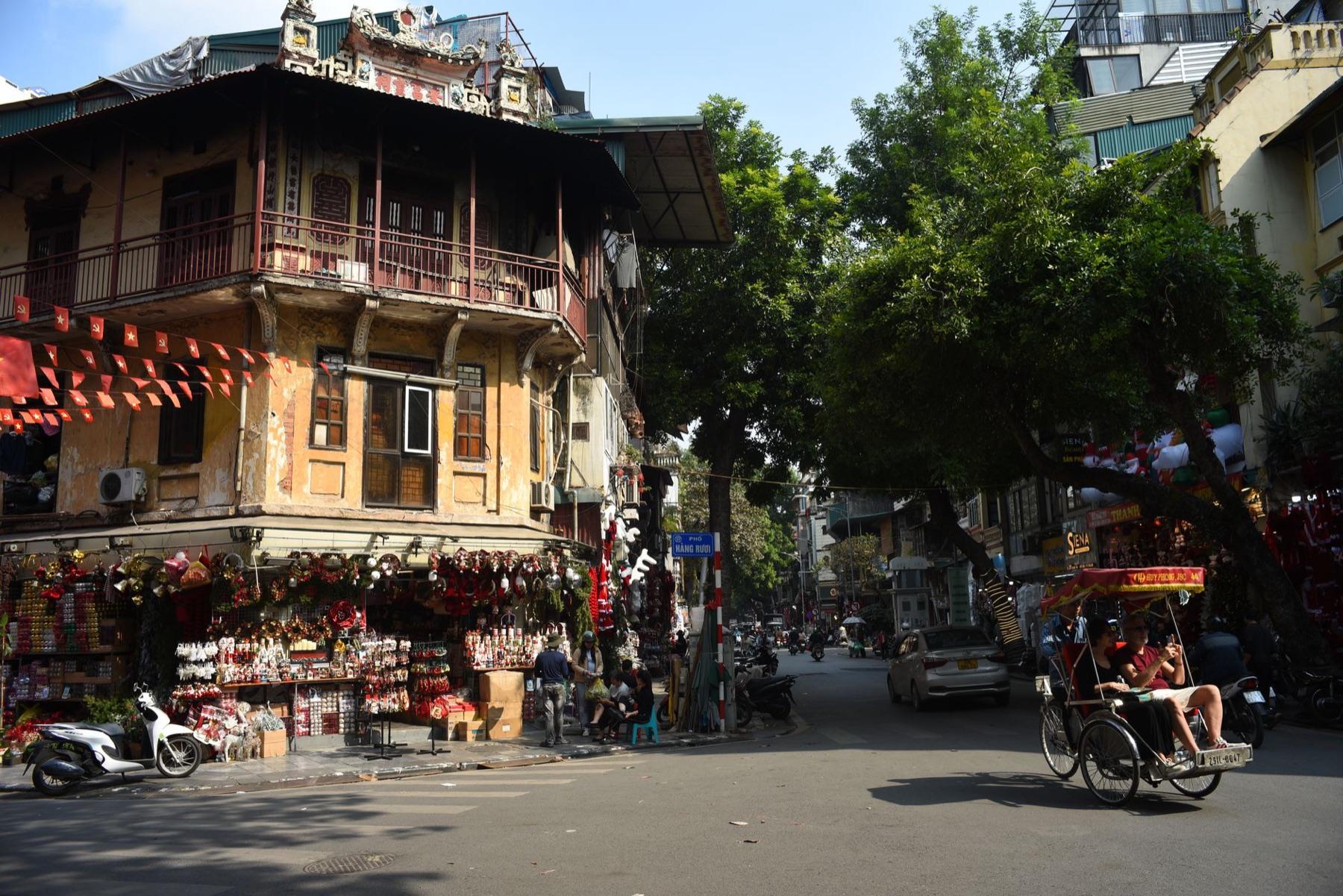
A five-day Hanoi–Sapa loop balances Old Quarter exploration, overnight train travel, and high-altitude trekking through terraced rice fields and H'mong villages. We'll walk you through each day, real costs, and what actually works versus hype.
Why Does This Route Take Exactly 5 Days?
Five days is the practical minimum to enjoy Hanoi without rushing, ride the overnight train (a bucket-list experience itself), and trek Sapa's trails without fatigue. Fewer than five days forces you to skip Hanoi or cut the hike short. More than five days lets you visit Ha Long Bay or Ninh Binh instead—both excellent but separate from this loop.
What's the Real Cost Breakdown?
Here's what we actually spend on this route (mid-range comfort, 2026):
| Item | Rough Budget (VND) | USD Equivalent | Notes |
|---|---|---|---|
| Hanoi hotel, 2 nights | 800k–1.2M | $32–48 | Mid-range, Old Quarter or Ba Dinh |
| Train ticket (Hanoi–Sapa, hard sleeper) | 400k–600k | $16–24 | Book 3–7 days ahead; avoid day-of markup |
| Train ticket (Sapa–Hanoi, return) | 400k–600k | $16–24 | Same carriage standard |
| Sapa guesthouse, 2 nights | 600k–1M | $24–40 | Basic but clean, homestay or town center |
| Guided trek, 1–2 days | 1M–1.5M | $40–60 | Split cost with 2–3 trekkers; hires English speaker |
| Meals (Hanoi & Sapa combined) | 1.2M–1.8M | $48–72 | Street food cheap; tourist restaurants pricey |
| Miscellaneous (park fees, local guides, coffee) | 500k–800k | $20–32 | Sapa entry ~100k VND; spring water stops |
| Total (mid-range) | ~8–9M | ~$320–360 | Solo travelers pay ~20% more per person |
Solo travelers and luxury options (private guide, Sapa town hotels) easily double this. Budget backpackers sharing dorms land around 6–7 million VND ($240–280 USD).
Day-by-Day Breakdown: What Actually Happens?
Day 1: Hanoi Old Quarter & Colonial Hanoi
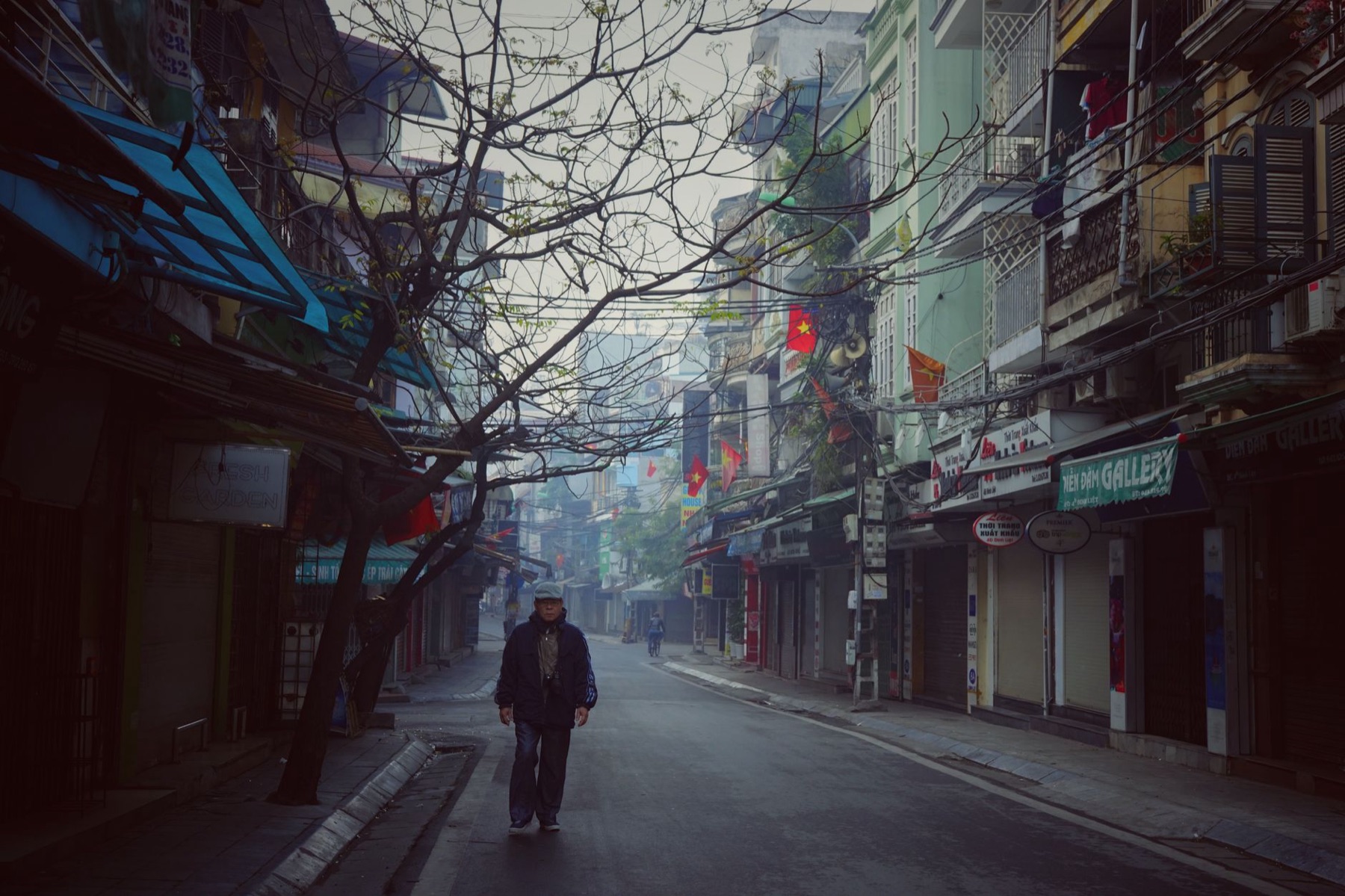
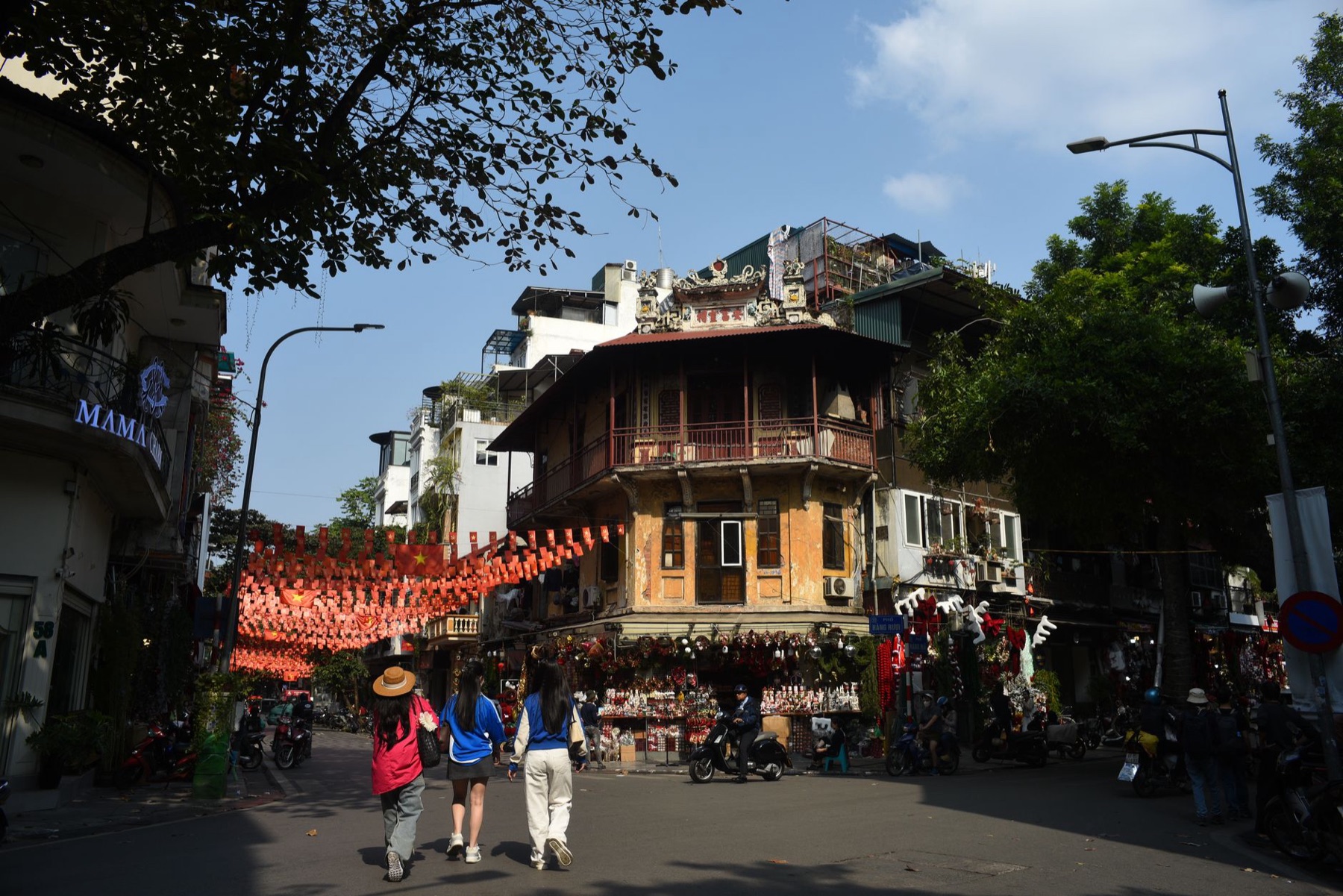
Arrive by mid-morning if coming from airports or other regions. Spend the afternoon walking the narrow streets around Hoan Kiem Lake and the Old Quarter—Hang Dau, Hang Gai, Hang Ma streets are where locals shop and eat, not just tourists. Late lunch at a pho spot near Dong Xuan Market (around 40k–60k VND / $1.60–2.40 USD per bowl). Visit Hoan Kiem Lake's Jade Island Temple before sunset; entry is free.
Evening: walk French Quarter architecture (Ba Dinh district) or visit Ho Tay (West Lake) if you've time. Dinner on a catfish hot-pot street in Ta Hien or Luong Ngoc Quynh, where you'll eat alongside locals. Cost: around 4–6 million VND for the full day (hotel, food, entry fees).
Book your train ticket to Sapa before arrival if possible; same-day or next-morning purchases sell out or spike 20–30% markup.
Day 2: Hanoi Morning + Overnight Train to Sapa
Breakfast early at a local egg coffee spot in the Old Quarter (around 20k–30k VND / $0.80–1.20 USD). Visit Ho Chi Minh's Mausoleum complex if interested (free entry but closes mid-day for lunch; crowds peak 10–11 AM). Alternatively, explore the Temple of Literature or National Museum of Vietnam (90k VND / ~$3.60 USD entry).
Late afternoon: lunch at Quan Chay Nang Tam (vegetarian, Hang Chai street) or a casual rice-and-grilled-meat spot. By 4 PM, head to Hanoi train station (Ga Ha Noi, Tran Hung Dao street, Ba Dinh). Check in 30 minutes early; the overnight train departs around 8–9 PM and arrives in Sapa at 5–6 AM.
Train cost: around 400k–600k VND ($16–24 USD) for a hard sleeper berth (6 beds per compartment). Bring tissues, a small towel, or a sarong; bathrooms are basic. Sleep light—fellow passengers may cough, enter/exit.
Day 3: Sapa Town & Trek Briefing
Arrive Sapa station at dawn. Drop your bag at a guesthouse; many offer free bag storage or hold checkin until afternoon. Sapa town sits around 1,600 meters elevation; the air is cool even in summer. Eat a hearty breakfast (pho, bread with egg, warm coffee) at a local spot near the market.
Spend morning exploring Sapa town: visit Sapa Market (Cho Sapa) where hill-tribe vendors sell textiles, vegetables, and crafts. Prices are 3–5× higher than Hanoi; quality varies. Hire a guide here or through your guesthouse (around 400k–600k VND / $16–24 USD per person for a full day trek). Good guides speak conversational English and know homestay families.
Avoid operators charging 800k+ VND ($32+) per person; they're selling package markups, not value. Afternoon: acclimate to altitude, hydrate, rest. Dinner at a local pho or rice restaurant (around 60k–100k VND / $2.40–4 USD).
Day 4: Trek & Homestay Experience
Depart 7–8 AM for a 6–8 hour trek depending on difficulty and group fitness. Popular routes:
- Muong Hoa Valley trek (moderate): descend through rice terraces, visit Cat Cat or Sin Chai village, stay in a H'mong family homestay.
- Silver Waterfall + Ham Rong (easier, 4–5 hours): well-marked trail, no overnight stay.
Trek cost (with guide and homestay) runs 600k–1.2M VND ($24–48 USD) per person. Homestays charge 150k–300k VND ($6–12 USD) for a simple room and dinner. Food is basic—rice, vegetables, pork or chicken, pickled items—but generous. Bathrooms are squat toilets and cold water; bring a headlamp or torch.
Evening: sit by the fire, chat with the family (guide translates), rest.
Day 5: Trek Return & Train Home
Early breakfast with the homestay family, trek back uphill to Sapa town (2–3 hours). Shower and pack. Lunch in town, then relax at a cafe with a view. Some visitors visit Fansipan mountain cable car (100k VND / ~$4 USD entry) or Ice Hill waterfall if time allows.
Catch the evening or overnight train back to Hanoi (around 8–9 PM departure, arriving 6–7 AM Day 6). Repeat the journey: hard sleeper for ~400k–600k VND ($16–24 USD).
Day 6: Hanoi Arrival (if returning overnight)
Arrive Hanoi station early morning; deposit bags at the hotel and continue exploring or rest.
---
How to Avoid Tourist Traps & Waste
Don't overpay for guides in Sapa town. Walk to the market or ask your guesthouse directly; freelance guides earning 30–40% commission (not middleman rates) cost 20–30% less.
Skip premium "all-in" tours from Hanoi. They charge 2–3M VND ($80–120 USD) per person and pocket 50%+. Train + guesthouse + local guide is always cheaper when booked separately.
Book the train 3–7 days ahead. Last-minute tickets spike 30% or sell out; overnight trains fill during Oct–Nov and Mar–May.
Avoid homestays with zero reviews or no English-speaking guide. Some homestays have weak amenities or language barriers that flatten the experience.
Don't trust overpriced "ethnic textile" shops in Sapa town. Buy directly from hill-tribe vendors at the market or in villages; same scarves cost 30–50% less and go directly to makers.
Check weather before you book. Sapa clouds over frequently (Mar–May, Sept–Nov); December–February risks frost but offers clear views.
---
How to Document Your Trip & Take It Home
A trek through rice terraces and a stay in a hill-tribe homestay are moments worth preserving. Consider these keepsake options:
Before you go: Book an ao dai photoshoot in Hanoi with professional makeup and styling; many photographers offer prints or digital files you can frame after your return.
📸 Book an ao dai photoshoot in Hanoi or Saigon (Cáo Studio)
During the trek: Hire a local guide who can photograph you in context (village, field, waterfall). Ask your homestay family for a group photo.
After you return: Commission a personalized keepsake or star map print marking your trek dates and Sapa coordinates. Or send flowers to someone back home via Hanoi flower delivery.
🗺️ Plan your route: Vietnam itinerary
---
What to Check Before You Book
- Train tickets: Verify departure time, berth type (hard sleeper vs. soft sleeper), and seat position (top bunks rock less). Book via VietRail's official site or reputable agents, not third-party resellers.
- Guesthouse WiFi: Sapa has patchy internet; confirm WiFi coverage if you need to work or video-call.
- Trekking fitness: Assign a guide based on group pace—do not pretend you're fit if you're not. Most guides scale routes on the fly.
- eSIM or local SIM: Buy a local Viettel or Vinaphone SIM (around 50k VND / ~$2 USD) before boarding the train; Sapa reception is weak but functional. Read our eSIM for Vietnam guide for alternatives.
- Visa status: Confirm your visa or apply for an e-visa before arrival; Hanoi doesn't have an on-arrival option.
- Medications: Bring any personal medications; pharmacies in Sapa stock basics but not all brands.
---
Related Itineraries & Next Steps
A 5-day Hanoi–Sapa trip pairs well with:
- Hanoi guide: Deeper dives into neighborhoods, markets, temples.
- Ninh Binh guide: 2–3 days exploring caves and boat tours south of Hanoi.
- Ha Long Bay guide: Cruise option 3–4 hours from Hanoi (usually combined with Sapa in a 7–10 day tour).
- Sapa guide: Extended stays, season-by-season breakdowns, homestay vetting.
For a multi-region tour combining north and south, see our Vietnam itinerary planner.
🎟️ Compare tours & tickets for this place
---
Printable Packing Checklist for Sapa Trek
- Waterproof jacket or rain poncho (clouds roll in fast)
- Sturdy, broken-in hiking boots (trails are muddy)
- Warm layer (fleece or thin down jacket) for 6 AM departures and evenings
- Headlamp or torch (homestays have no electricity or weak lighting)
- Sunscreen and hat (afternoon sun reflects off rice water)
- 2–3 liters water bottle or hydration bladder
- Electrolyte sachets (altitude + exertion = faster dehydration)
- Basic first-aid kit (blister plasters, pain relief, anti-diarrheal)
- Hand sanitizer and toilet paper (pit toilets; bring extras)
- Lightweight quick-dry clothing (laundry at homestays is basic)
- Cash in both VND and USD (small bills; ATMs in Sapa town exist but can be unreliable)
- Copies of passport and visa (originals stay in hotel safe)
- Medications (personal prescriptions; basic supplies are hard to find)
FAQ
Is the overnight train to Sapa actually comfortable, or is it hype?
It's neither luxury nor misery—a shared experience with fellow travelers and locals. Hard sleeper berths (6-bed compartments) cost around 400k–600k VND ($16–24 USD). Expect minimal sleep due to noise and rocking, but it's a cultural immersion many travelers cherish. Soft sleeper (2-bed compartments) costs ~800k VND ($32 USD) and is quieter; book weeks ahead if preferred.
Can I do Sapa as a day trip from Hanoi instead of overnight?
Technically yes, but wasteful. The 5-hour train journey each way eats 10 hours; you gain only 4–5 hours in Sapa town. Overnight travel lets you sleep and wake in Sapa, ready for trekking. A day trip works only if combining with Ha Long Bay or staying longer in Hanoi.
What's the best time to visit Sapa for trekking?
September–October and March–May offer cool weather, clear skies, and harvestable rice fields. December–February is coldest (risk of frost) but cloudless. June–August is warm and wet; visibility drops, leeches emerge. November and early September are transitional but rewarding if you avoid crowds.
Do I need a guide, or can I trek alone?
Hire a guide. Trails split unexpectedly, homestay families are easier to visit with translation, and guides add safety and cultural context. Freelance guides cost 400k–600k VND ($16–24 USD) per person and are worth every dong.
How much do homestays cost, and what's included?
Around 150k–300k VND ($6–12 USD) per night, including a simple dinner and basic breakfast. Rooms are spartan (straw mat or basic bed, shared toilet). Showers are cold water; expect rustic. This authenticity is the appeal for most trekkers.
Will I get altitude sickness in Sapa at 1,600 meters?
Unlikely if you're healthy and under 40. Sapa's elevation is modest compared to Southeast Asian highlands. Headaches are rare; stay hydrated and avoid rushing Day 1. Spend Day 3 acclimatizing, and you'll be fine.
Can I buy travel insurance in Vietnam, or should I buy before arrival?
Buy before arrival. Vietnamese insurers are limited and pricey. International providers (World Nomads, SafetyWing, IMG Global) cover trekking, altitude illness, and evacuation. Cost is typically $1–3 USD per day.