Hanoi · Itinerary
Hanoi–Sapa–Halong Bay Itinerary: 5–7 Days Real Routes
By Wander in Vietnam editorial team · Hanoi, Vietnam
A Hanoi–Sapa–Halong Bay loop is northern Vietnam's most popular multi-destination itinerary. We break down realistic timing, transport options, and what actually works on the ground.
This route works because each stop offers something distinct: colonial streets and street food in Hanoi, mountain villages and ethnic minority homestays in Sapa, and limestone karst scenery on Halong Bay. Most travellers complete it in 5–7 days, though 6 days remains sweet-spot timing without feeling hurried.
We'll walk through realistic day-by-day pacing, transport facts, budget ranges, and what to pack—plus honest advice on what people commonly get wrong. At the end, we'll suggest meaningful keepsakes to remember each place.
How many days do you actually need for each stop?
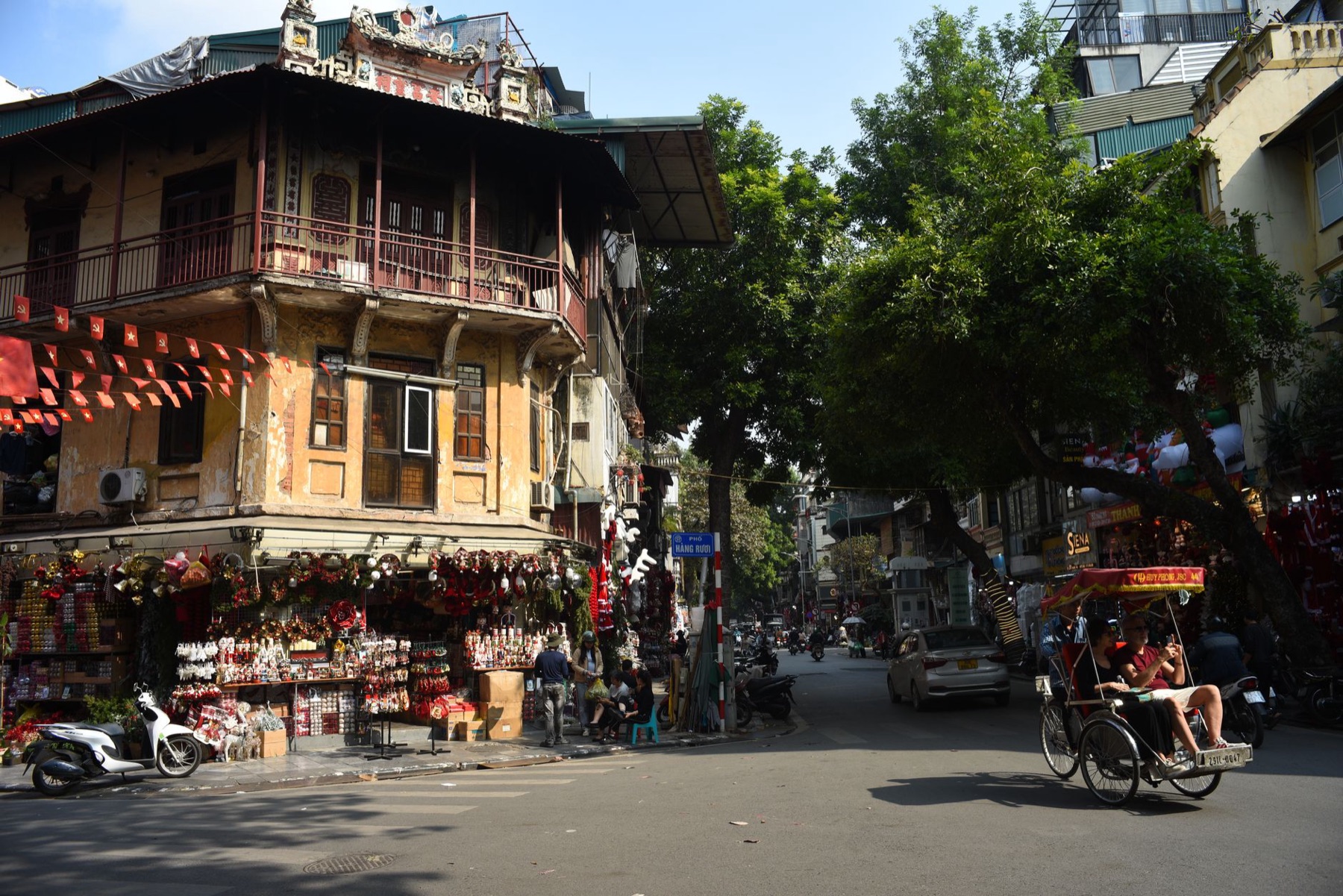
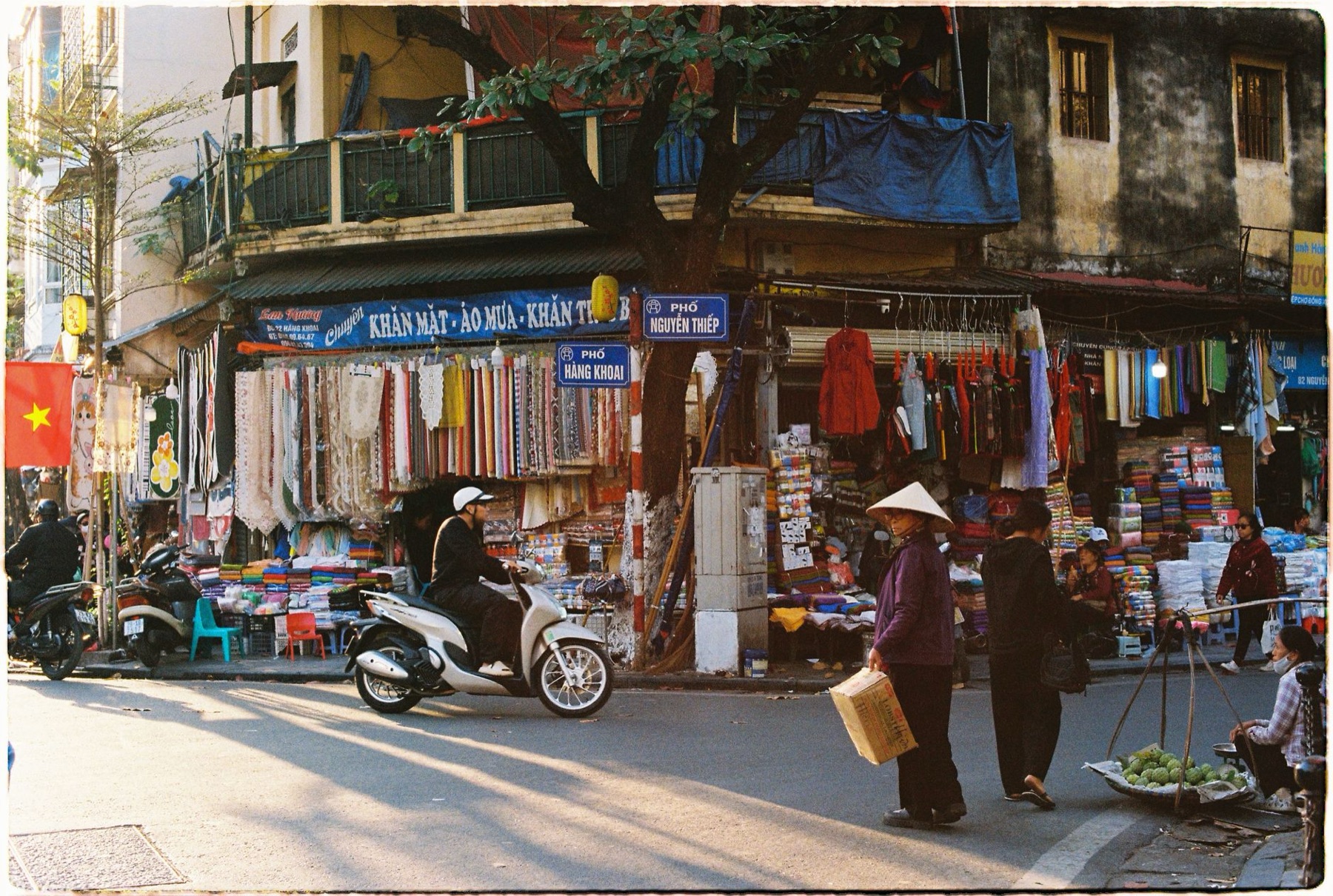
Hanoi: 1–2 days minimum. Day 1 covers the Old Quarter (Hoan Kiem Lake, narrow streets around Hang Dao), Temple of Literature, and street food. Day 2 adds Ho Tay (West Lake), One Pillar Pagoda, or a day trip to Ninh Binh. Skip if you're ultra-rushed; do 2 if you want to breathe.
Sapa: 2–3 days optimal. Day 1 = arrive, explore town, overnight homestay trek begins. Days 2–3 = trekking (Cat Cat village, Ta Phin, Muong Hoa valley), local lunch, return to town. Skip the 1-day rushed versions; 2 days minimum to experience villages properly.
Halong Bay: 2–3 days. Overnight cruise (departs afternoon, returns next afternoon) hits major karsts and caves. A second night adds Bai Tu Long Bay or kayaking. Day cruises exist but lose sunset and sunrise magic; overnight is standard.
Total realistic time: 5–7 days (3 nights travel, 2–4 nights accommodation).
What's the best way to move between these three places?
Hanoi to Sapa (240 km, ~5 hours):
- Overnight sleeper bus: departs Hanoi evening (~22:00), arrives Sapa morning (~6:00). Saves one hotel night. Comfort varies; budget operators are noisy.
- Day bus: Depart early morning, arrive early afternoon. Leaves more daylight in Sapa but costs extra hotel night in Hanoi.
- Train: Hanoi → Lao Cai (sleeper berth, ~8 hours overnight), then minibus Lao Cai → Sapa (30 mins). More expensive but less crowded.
Sapa to Halong Bay (400 km, ~8 hours):
- Most do it indirectly: Sapa → Hanoi (overnight bus), rest 1 night, then Hanoi → Halong Bay (3–4 hours by car/bus).
- A few minibus operators run direct Sapa → Halong, but stops are long and unclear quality.
Hanoi to Halong Bay (170 km, ~3.5 hours):
- Tour operator pickups from hotels (included in cruise packages).
- Shared minibus from Hanoi tour agencies.
- Rent a driver/private car: most expensive, most flexible.
Honest tip: The Sapa → Hanoi → Halong flow is slower but more reliable. Overnight buses save money but lose sleep quality; many travellers regret it mid-trip.
What does this itinerary actually cost?
| Item | Budget | Mid-range | Notes |
|---|---|---|---|
| Accommodation (per night) | $8–15 | $25–50 | Hanoi Old Quarter higher; Sapa homestays ~$10–20; Halong cruise includes berth |
| Transport (total) | $35–60 | $80–120 | Sleeper buses cheaper than trains/private car |
| Food (daily) | $5–10 | $15–25 | Street food $1–3; restaurants $5–15; Sapa/Halong pricier |
| Activities (Sapa trek, Halong cruise) | $30–50 | $80–150 | Group treks $15–30; overnight cruises $50–120 depending on cabin |
| Total 6 days | $160–250 | $400–700 | Excludes flights, visa, souvenirs |
Budget tips: Stay in fan dorms, eat pho for breakfast, book group treks/cruises in advance (better rates than gate sales). Overnight buses/trains are genuinely cheaper but not always worth the discomfort.
What are the real pitfalls travellers hit on this route?
Altitude sickness in Sapa (1,600 m): Arrive early, drink water, skip heavy exercise day 1. Acetazolamide (Diamox) helps if prone; buy it in Hanoi pharmacy before leaving.
Overbooked homestays: Book treks directly with guesthouses, not middlemen. Saturday–Sunday fill fast; weekdays are quieter.
Halong Bay overselling: Budget cruises cram 80+ people on one boat. Mid-range cruises (2–3 stars) run 20–40 people. Read recent reviews; avoid the cheapest $25–30 "deals."
Sleeper bus scams: Fake bookings, wrong pickup points, cramped berths. Book direct with reputable operators (Hanoi tourist information has a list) or via your guesthouse.
Underestimating travel time: 5 hours of bus is really 6+ with stops, food, bathrooms. Don't book activities tight against arrival times.
Forgetting eSIM/SIM card: Buy a local SIM (Viettel, Mobifone, Vinaphone) at Noi Bai airport or a 7-Eleven before boarding buses. You'll need it for maps, Grab, hotel contact. Alternatively, arrange a Vietnam eSIM before you travel for seamless connectivity across all three stops.
What should you actually pack for this 6–7 day loop?
- Sapa: Lightweight rain jacket, trekking shoes (broken in), warm layers (mornings 12–15°C even in summer), long sleeves/trousers (sun, insects).
- Halong Bay: Light jacket, swimsuit, reef shoes, sunscreen (sun reflects off water intensely).
- All three: Quick-dry clothes, power bank, medications, phone charger, toiletries.
- Avoid: Heavy luggage (buses = tiny overhead bins). Day pack 20–30 L is ideal.
How do you make this journey meaningful, not just a checklist?
Beyond photos, we recommend carrying a keepsake from each place. An engraved wooden keepsake box works well—inscribe it with dates and place names, then fill it with small mementos (a receipt from your favourite pho shop in Hanoi, a pressed wildflower from Sapa, a shell from Halong).
Before leaving Hanoi, consider booking an ao dai photoshoot in Hanoi or Saigon (Cáo Studio) on your first or last day—you'll wear the traditional garment and have professional portraits against Hanoi's colonial architecture or a local street. It's become a popular way travellers mark the trip.
For flowers to give to your homestay host in Sapa or ship home later, Hoa Lang Thang delivers fresh flowers in Hanoi and can coordinate arrangements sent ahead or after your return.
🗺️ Plan your route: Vietnam itinerary to refine timing and connect this loop to other northern regions like Ninh Binh or Hanoi's day-trip options.
One honest question: Should you do this route at all, or is it overrated?
We think it's worth doing, but not perfect. The three places feel different enough (city, mountains, water) that variety keeps it interesting. Most travellers feel they saw "real" Vietnam—not just backpacker trail. That said:
- Skip if: You hate buses, have only 3 days, or prefer slower, deeper immersion in one place.
- Do it if: You have 6+ days, like variety, want to say you've "done the north," or are visiting Vietnam for the first time.
- Upgrade: Add a rest day in Hanoi between Sapa and Halong, or swap Sapa for Hoi An if you prefer beaches and history over trekking.
---
What to check before you book
- Halong Bay operator reviews: Read the last 20 reviews. Check cabin size, meal quality, toilet state. Budget operators cut corners on all three.
- Sapa homestay: Email the family directly. Ask about trek difficulty, meal options, and bathroom setup. Homestays vary wildly.
- Bus operator: Book with your guesthouse reception, not a street tout. Ask for the company name and phone number.
- Visa and eSIM: Check your Vietnam e-visa status and get an eSIM before leaving home; these take time.
- Altitude: If you've never been above 1,500 m, arrive Sapa early and rest day 1. Don't rush a trek on arrival day.
---
FAQ
Is it better to do Hanoi–Sapa–Halong or Hanoi–Halong–Sapa?
Hanoi–Sapa–Halong is standard: you end on water (relaxing), not mountains (strenuous). Reverse order works too but means ending with a 5-hour bus ride to Hanoi on day 7, which is tiring.
Can you skip Hanoi and go straight Sapa–Halong?
Yes, but you'll miss street food, temples, and a rest day. Hanoi is the transport hub; staying there 1–2 days breaks up the journey and reduces fatigue.
Which month is best for this itinerary?
September–November (autumn) and March–April (spring). July–August = hot, wet, leeches in Sapa. December–February = cold, clear in Sapa, but bus heating fails.
Should I book tours in advance or walk-in?
Book Halong Bay cruises 2–3 days ahead (pricing drops mid-week). Sapa homestay treks are fine 1 day ahead. Buses: advance if it's a weekend; otherwise, same-day bookings work.
Is it safe to travel this route alone?
Yes. Travellers solo trip this constantly. Buses are full of backpackers; homestays welcome solo guests. Halong cruises mix solo travellers. Use common sense (lock valuables, avoid late-night solo walks in Hanoi's edges), same as anywhere.
FAQ
Is it better to do Hanoi–Sapa–Halong or Hanoi–Halong–Sapa?
Hanoi–Sapa–Halong is standard: you end on water (relaxing), not mountains (strenuous). Reverse order works too but means ending with a 5-hour bus ride to Hanoi on day 7, which is tiring.
Can you skip Hanoi and go straight Sapa–Halong?
Yes, but you'll miss street food, temples, and a rest day. Hanoi is the transport hub; staying there 1–2 days breaks up the journey and reduces fatigue.
Which month is best for this itinerary?
September–November (autumn) and March–April (spring). July–August = hot, wet, leeches in Sapa. December–February = cold, clear in Sapa, but bus heating fails.
Should I book tours in advance or walk-in?
Book Halong Bay cruises 2–3 days ahead (pricing drops mid-week). Sapa homestay treks are fine 1 day ahead. Buses: advance if it's a weekend; otherwise, same-day bookings work.
Is it safe to travel this route alone?
Yes. Travellers solo trip this constantly. Buses are full of backpackers; homestays welcome solo guests. Halong cruises mix solo travellers. Use common sense (lock valuables, avoid late-night solo walks in Hanoi's edges), same as anywhere.