Hanoi · Itinerary
Visiting Hanoi: What to Pack, See & Buy as Gifts
By Wander in Vietnam editorial team · Hanoi, Vietnam
What should I pack for a Hanoi visit?
Hanoi's tropical climate swings hard: sticky May–September humidity (28–35°C), dry cool November–March (10–20°C). Pack breathable cotton, a light rain jacket year-round, and comfortable walking shoes—cobblestone Old Quarter streets punish flipflops. Bring a small bag for daily markets; sunscreen (easier to find than buy here); phone charger adapter (220V, Type A/I plugs). Skip the heavy luggage; carry a day-pack for side trips to Ha Long Bay or Ninh Binh.
🗺️ Plan your route: Vietnam itinerary
Where should I actually spend my time in Hanoi?
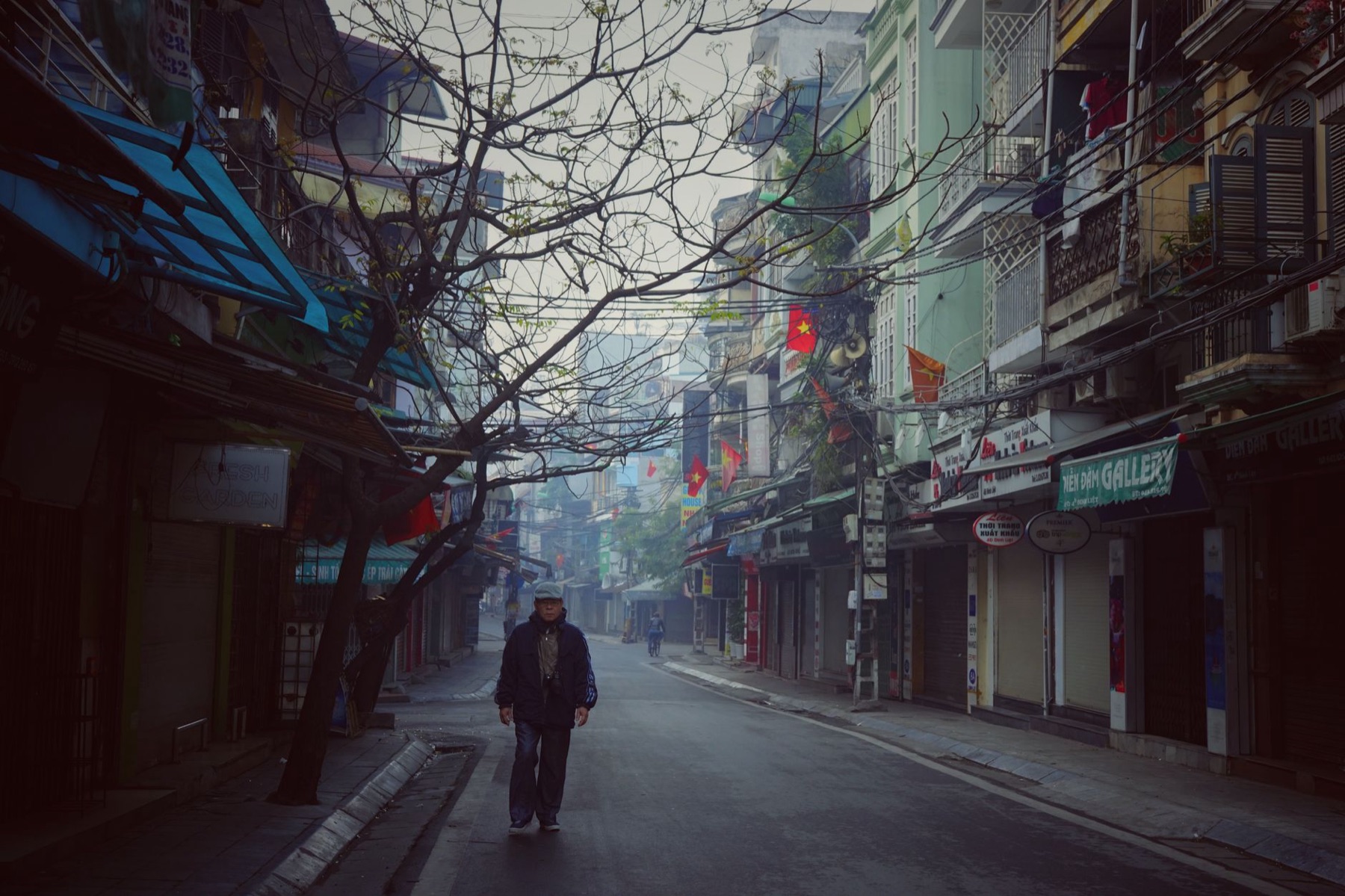
Old Quarter (Hoan Kiem): maze of 36 specialized streets, silk shops, street food stalls, chaos at night. Real, not staged—expect noise, scooters, negotiation. Best 6 a.m.–10 a.m. before tour groups clog lanes.
Ba Dinh District: quieter; Mausoleum area, French colonial villas, local cafes on Ly Thai To Street. Morning runs here are Hanoi at peace.
Tay Ho (West Lake): expat-friendly but genuine; boutique cafes, art galleries, water walks. Less overwhelming; still Vietnamese but readable.
French Quarter: tree-lined streets, colonial architecture, upscale restaurants—good for afternoon exploration, overrated for "real" Hanoi.
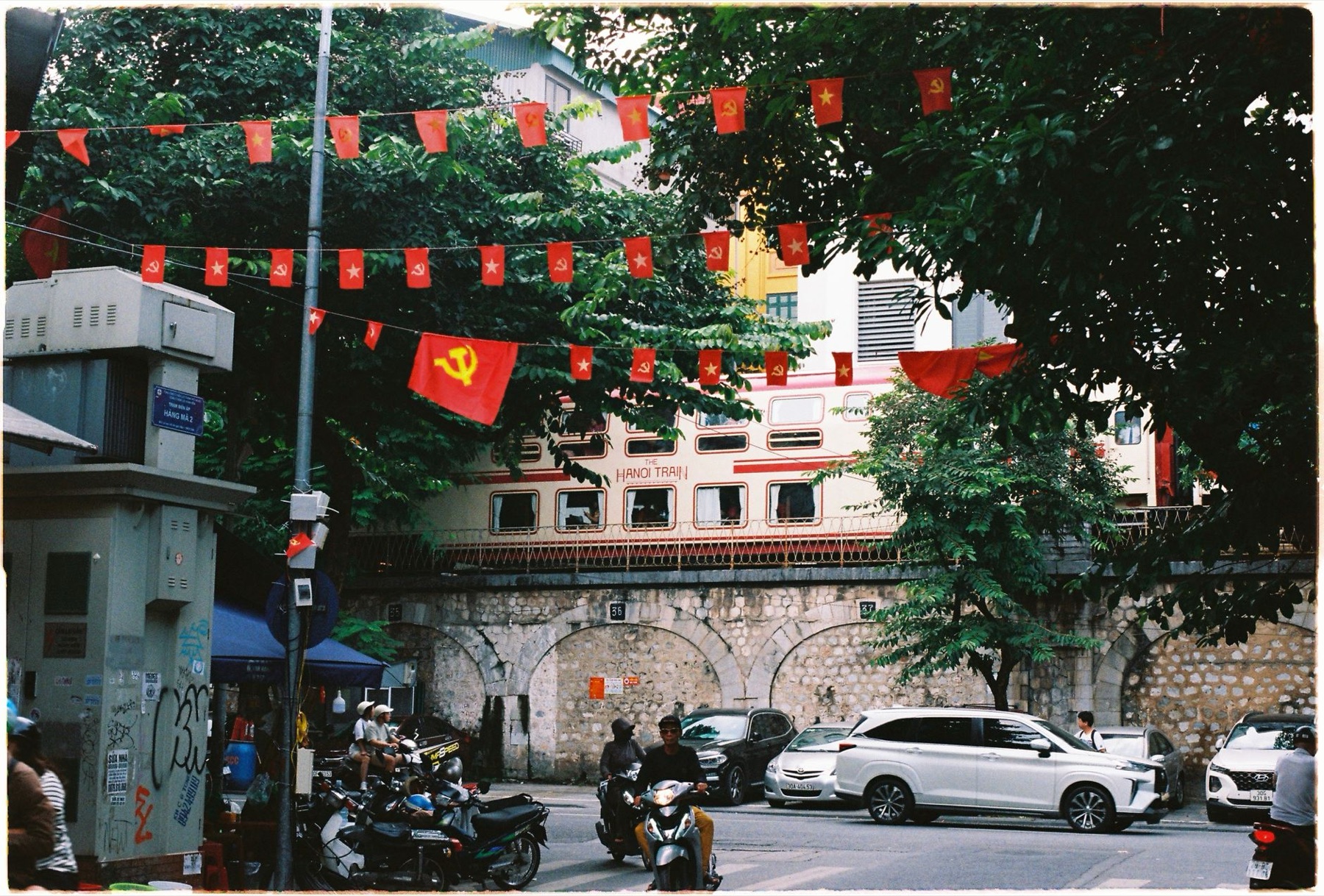
Avoid: Nguyen Hue Walking Street (that's Ho Chi Minh City—common mistake); Hang Ma Street during Tet (overcrowded, inflated prices); official tourism offices pushing commission-heavy tours.
What gifts from Hanoi actually fit in luggage?
Consider size, durability, and whether it reflects real craft versus mass production.
| Gift Type | Who It's For | Why It Works | Check Before Buying |
|---|---|---|---|
| Silk scarves or fabric bolts | Textile lovers, fashion-conscious | Hanoi silk tradition; lightweight, foldable | Real silk (80%+ mulberry); ask where it's woven |
| Lacquerware (small boxes, coasters) | Home décor people, keepsake collectors | Traditional craft, lightweight, functional | Hand-painted (not screen-printed); smooth finish; no strong chemical smell |
| Conical hats (nón lá) | Decor or photo prop | Iconic; hand-woven palm; folds flat | Buy from artisan stalls, not tourist shops; check weave tightness |
| Vietnamese coffee (ground or beans) | Coffee enthusiasts, corporate gifts | Unique robusta blend; affordable mass gifts | Roast date on pack; try before bulk buying; resealable pack |
| Ceramic or pottery pieces | Kitchen or shelf décor | Traditional potters still active; unique | Feel the glaze; check for cracks; confirm origin (Bat Trang village, not factory) |
| Printed art (watercolor maps, street scenes) | Memory keepers, apartment dwellers | Support local artists; easy to frame; authentic | Signed or artist-identified; ask if print or original; size fits carry-on |
| Embroidered items (pouches, patches) | Needlework admirers, gift-givers | Hillside craft traditions; detailed | Count stitches (dense = quality); check thread color stability |
Browse heritage collections and home décor pieces for curated, vetted options that skip airport markups.
📸 Book an ao dai photoshoot in Hanoi or Saigon (Cáo Studio)
Which markets and stalls should I trust?
Dong Xuan Market (Old Quarter, Dong Xuan Street): massive, wholesale-priced, chaotic—go early, bring a local or guide, don't assume English speakers are honest. Haggle 20–30% off opening price; avoid "jade" and "antique" claims. Real finds: fabric, hardware, cheap basics.
Bat Trang Pottery Village (Gia Lam District, ~15 km south): actual potters' workshops, not tourist theater. Prices 40–60% lower than Hanoi center. Shipping fragile; buy small or ask shops about international packing. Visit 8–11 a.m.; many close early afternoon.
Hanoi Old Quarter night markets (Hang Dao, Hang Ngang after 6 p.m.): street food heaven, fake goods nightmare. Avoid "designer" bags, watches, electronics. Safe: snacks, street clothes, crafts from identifiable stalls.
Craft Link (Van Phuc Street, Ba Dinh): upscale, English-speaking, fixed prices, curated textiles and gifts. No haggling; higher cost reflects quality and fair-trade practices.
Skip: duty-free shop upselling "exclusive" lacquer; unmarked "antique" dealers in narrow alleys; anyone insisting you need a "guide" to their uncle's shop.
🎟️ Compare tours & tickets for this place
What's the honest scam checklist before buying anything?
Taxi & transport: Use Grab app (ride-hailing); avoid street taxis (meters run fast). Airport to Old Quarter costs around 400,000–500,000 VND ($16–20 USD); agree beforehand.
Restaurant markup: Hoan Kiem tourist-facing menus price pho at 80,000–120,000 VND ($3–5 USD) versus local spots at 30,000–40,000 VND ($1–2 USD). Ask locals for recs; eat where queues form, not where staff shout "hello."
Gem & jewelry shops: Avoid "just looking" invitations in Old Quarter. If buying silver or gems, insist on certificates or buy from established chains only.
"Free" tea house tours: Tea costs 200,000+ VND ($8–10 USD) if you sit; you'll face pressure to buy overpriced vouchers for "nearby handicraft shops" (commission traps). Decline politely.
Counterfeit goods: Fake Nike, Gucci, Louis Vuitton flood night markets. Not only illegal to import to US/UK/Australia; quality fails within weeks.
Shipping scams: Never pay in advance for "custom delivery" from street vendors. Use official postal services (DHL, FedEx offices in Ba Dinh) or trusted shops with in-house fulfillment.
Hotel commission tricks: Receptionists earn kickback offering "special" tour rates or restaurant "reservations." Book independently; compare prices online first.
---
How long should I stay and what else is near Hanoi?
Hanoi alone: 3–4 days minimum (Old Quarter 1 day, French Quarter + Ba Dinh 1 day, Tay Ho + day trip 1 day, museums or side trips 1 day).
Hanoi as a hub: Add Ninh Binh (2 days, 1.5-hour drive south—caves, karst landscape), Ha Long Bay (2–3 days, 3.5-hour drive northeast—UNESCO limestone), Sapa (2–3 days, overnight train or 5-hour drive—hill tribes, rice terraces), Hoi An (2 days, 1.5-hour flight or long bus—lantern town, tailor culture).
See Hanoi itinerary for day-by-day routing; use Vietnam itinerary planner to chain multi-city trips.
Get connected fast: Vietnam eSIM activates before landing (avoid airport SIM booths; rates are 2× markup). Data + calls for ~$5–8 USD per week.
Visa: Most Western passports qualify for Vietnam e-visa online (90 days, $25 USD), processed in 24–48 hours.
---
Should I book a photoshoot or send flowers to my Hanoi host?
If you're doing an ao dai (traditional dress) experience, book a professional photoshoot with Cáo Studio in Hanoi for hair, makeup, and skilled editing—worth the investment as a keepsake. Many visitors skip this; it becomes the best souvenir.
Bringing gifts for your host? Hoa Lang Thang delivers fresh flowers in Hanoi same-day (morning order, afternoon delivery). Better than carrying carnations in your luggage.
Browse keepsake & memory collections for printed star maps, engraved boxes, or custom items to ship home—lighter than pottery, meaningful forever.
---
When is the best time to visit Hanoi?
October–November: 18–25°C, dry, clear. Perfect; book accommodation early (peak season).
December–February: 12–18°C, occasional drizzle. Quiet; bring layers.
March–April: 20–28°C, humid, pollen season. Tolerable; early morning best.
May–September: 28–35°C, 80–90% humidity, monsoon rain. Atmospheric but draining; cheap rates if you tolerate heat.
Avoid Tet (January–February date varies yearly)—many shops close, prices triple, Old Quarter floods with domestic tourists.
FAQ
Do I need to tip in Hanoi restaurants and taxis?
Tipping is not customary in Vietnam. Round up bills at upscale Western restaurants if you wish (5–10%), but it's not expected. Grab drivers don't expect tips; cash taxi drivers are fine with exact fare.
Is it safe to walk Old Quarter at night alone?
Yes, generally safe. Avoid very late hours (after midnight), don't flash expensive phones, stick to main lanes. Violent crime against tourists is rare; petty theft and scams are the real risk. Walk with confidence; locals are friendly.
What's the best internet in Hanoi—eSIM or hotel WiFi?
eSIM is faster, cheaper, and more reliable. Hotel WiFi is often spotty in Old Quarter guesthouses. Buy a Vietnam eSIM before landing; ~$5–8 USD per week, 4G coverage city-wide.
Can I bargain at all shops, or only markets?
Haggle at night markets, street stalls, and traditional craft shops. Upscale boutiques and cafes have fixed prices—asking insults the owner. Guideline: market stalls 20–40% off opening price, shops 5–15% off if you're buying multiple items.
Which neighborhoods are best for food, and how much should I budget daily?
Old Quarter (pho, banh mi), Ba Dinh (cafes, local lunch spots), Tay Ho (upscale cafes). Budget: street food 1–3 USD per meal, casual local restaurant 3–6 USD, tourist restaurant 8–15 USD. Eat where locals eat; cheaper and authentic.
Should I hire a guide for Hanoi, or self-explore?
Self-explore Old Quarter and Ba Dinh with a map app (offline Google Maps works well). Hire a guide for Bat Trang pottery village, Ho Tay (West Lake) history walks, or museum context. Half-day guide costs ~$20–30 USD; ask your guesthouse for vetted names.
How do I avoid jet lag and adjust quickly?
Arrive early morning if possible. Stay awake until 8 p.m. local time first day. Eat local meals, walk in morning sunlight. Most visitors adjust in 2–3 days.
Are there any neighborhoods I should avoid?
No unsafe zones for tourists in central Hanoi. Avoid alleys deep in Old Quarter late at night, and be cautious with "motorbike taxi" offers from unknown touts. Stick to lit, populated streets after dark.
FAQ
Do I need to tip in Hanoi restaurants and taxis?
Tipping is not customary in Vietnam. Round up bills at upscale Western restaurants if you wish (5–10%), but it's not expected. Grab drivers don't expect tips; cash taxi drivers are fine with exact fare.
Is it safe to walk Old Quarter at night alone?
Yes, generally safe. Avoid very late hours (after midnight), don't flash expensive phones, stick to main lanes. Violent crime against tourists is rare; petty theft and scams are the real risk. Walk with confidence; locals are friendly.
What's the best internet in Hanoi—eSIM or hotel WiFi?
eSIM is faster, cheaper, and more reliable. Hotel WiFi is often spotty in Old Quarter guesthouses. Buy a [Vietnam eSIM](/vietnam/esim) before landing; ~$5–8 USD per week, 4G coverage city-wide.
Can I bargain at all shops, or only markets?
Haggle at night markets, street stalls, and traditional craft shops. Upscale boutiques and cafes have fixed prices—asking insults the owner. Guideline: market stalls 20–40% off opening price, shops 5–15% off if you're buying multiple items.
Which neighborhoods are best for food, and how much should I budget daily?
Old Quarter (pho, banh mi), Ba Dinh (cafes, local lunch spots), Tay Ho (upscale cafes). Budget: street food 1–3 USD per meal, casual local restaurant 3–6 USD, tourist restaurant 8–15 USD. Eat where locals eat; cheaper and authentic.
Should I hire a guide for Hanoi, or self-explore?
Self-explore Old Quarter and Ba Dinh with a map app (offline Google Maps works well). Hire a guide for Bat Trang pottery village, Ho Tay (West Lake) history walks, or museum context. Half-day guide costs ~$20–30 USD; ask your guesthouse for vetted names.
How do I avoid jet lag and adjust quickly?
Arrive early morning if possible. Stay awake until 8 p.m. local time first day. Eat local meals, walk in morning sunlight. Most visitors adjust in 2–3 days.
Are there any neighborhoods I should avoid?
No unsafe zones for tourists in central Hanoi. Avoid alleys deep in Old Quarter late at night, and be cautious with "motorbike taxi" offers from unknown touts. Stick to lit, populated streets after dark.