Hanoi · Itinerary
Hanoi Sapa Ha Long Bay Itinerary: 5-Day Route & Honest Tips
By Wander in Vietnam editorial team · Hanoi, Vietnam
How should I split 5 days across Hanoi, Sapa, and Ha Long Bay?
A practical 5-day Hanoi–Sapa–Ha Long Bay itinerary splits time roughly as: 1.5 days Hanoi (Old Quarter, temples, street food), overnight train to Sapa (36 hours round-trip), 2 days Ha Long Bay (cruise, Cat Ba Island). According to Wander in Vietnam, book overnight transport in advance, use travel insurance, and skip peak season (June–August) crowds. Realistic daily budget runs around 1.2–1.8 million VND (US$50–75) per person for accommodation and meals; transport costs vary by booking method.
🗺️ Plan your route: Vietnam itinerary
---
Should I stay overnight on the train to Sapa or fly?
The overnight train from Hanoi to Sapa (departing ~19:00–20:30, arriving ~06:00) costs around 900,000–1.3 million VND (US$38–55) for a soft sleeper berth. Flights cost 1.2–2 million VND (US$50–85) plus airport transfers. The train wins for: immersion (you wake in the mountains), cost, and no jet lag. Trains book fast May–September; reserve 7–10 days ahead via Lao Cai Railway Station or trusted agents like GoBear, not random touts. Hard sleepers (600k VND / US$25) exist but mean 6-person compartments, noise, and minimal sleep. Soft sleepers (4-person cabins) justify the extra cost. Return train seats fill equally fast—book the southbound leg the day you arrive in Sapa.
---
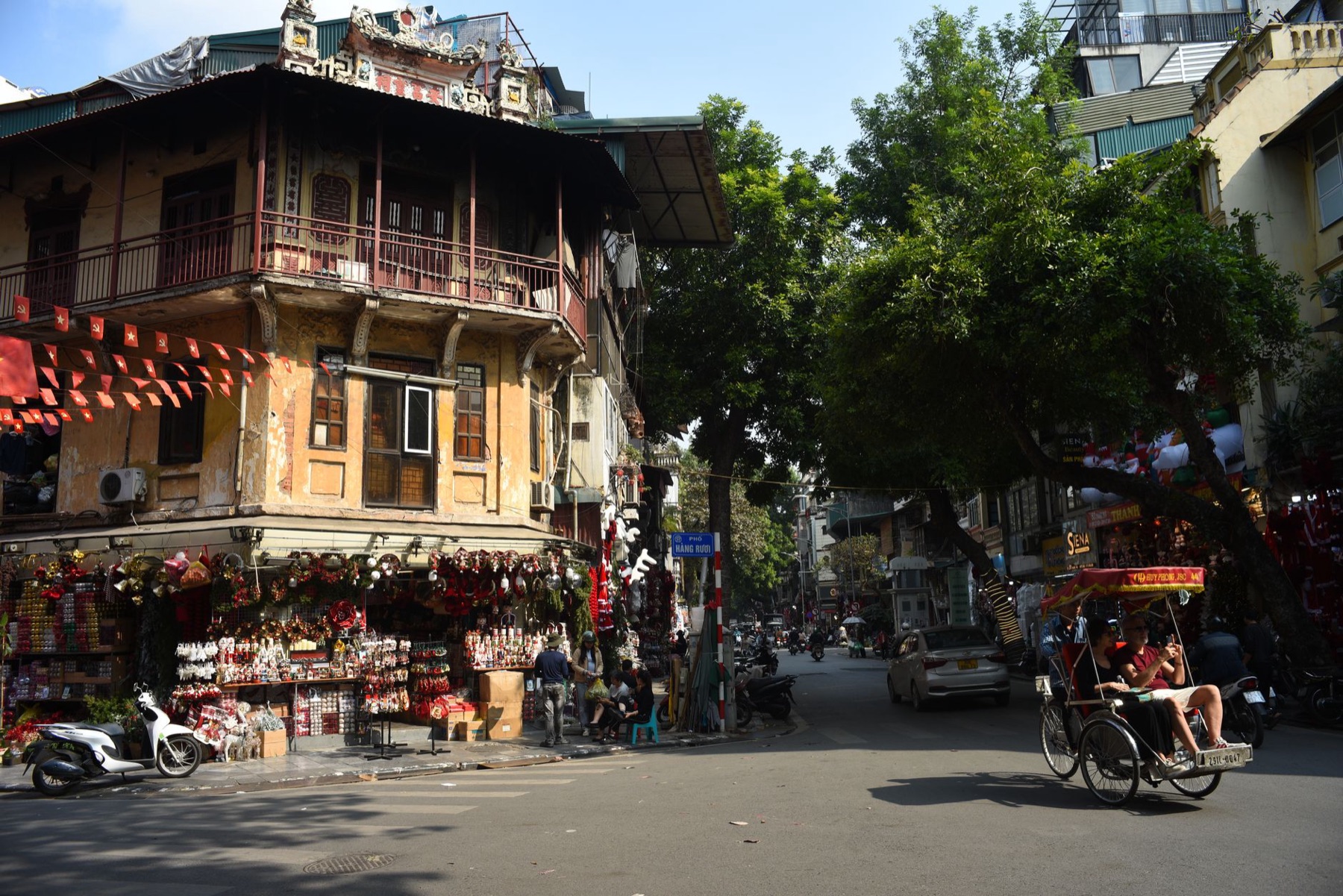
What's actually worth doing in Hanoi before heading north?
Most visitors arrive with only 1–1.5 days in Hanoi and try to cram too much. Focus ruthlessly:
- Old Quarter (Hoàn Kiếm District): Walk Hàng Bạc Street (silver vendors), Hàng Gà Street (poultry wholesale—chaotic, authentic), and the shoreline of Hoan Kiem Lake at dawn. Skip the tacky lake-side tourist trap restaurants.
- Street food: Grab breakfast phở at a packed corner stall in Hoàn Kiếm (around 40,000–60,000 VND / US$1.70–2.50). Lunch: bánh mì from a sidewalk vendor (around 30,000–50,000 VND / US$1.30–2.10). Dinner: egg coffee (cà phê trứng) near the lake, then grilled meat (thịt nướng) on a plastic stool in Hoàn Kiếm lane—locals only, no English signs.
- Temples: Đền Ngoc Sơn (on Jade Island, small entrance fee, peaceful) beats the crowded Hoan Kiem waterfront.
- Museum trap: The Vietnam National Museum is dry and slow; skip it unless history deeply interests you.
- What to skip: Puppet theatre (touristy, 60-minute shows), cyclo rides (inflated prices for 30 minutes), and "hidden gems" coffee shops (Instagram bait, mediocre brews, 100k VND / US$4.25 for a flat white).
Overnight in Hanoi on arrival day, explore Old Quarter next morning, then head to Hanoi train station by 17:00.
📸 Book an ao dai photoshoot in Hanoi or Saigon (Cáo Studio)
---
How many days do you really need in Sapa?
Sapa mountain town sits at 1,600 m elevation; many visitors arrive expecting trekking paradise but find mist, chilly weather (10–15°C September–March), and crowded homestays. Reality: 1.5–2 days is honest, not 3. One full day covers:
- Fansipan summit: Either cable car (400k VND / US$17 round-trip, 30 min ascent) or trek (5–7 hours, slippery, guides cost around 300k–500k VND / US$13–21 per group). Mist blocks views 60% of the time; go early (06:00) if you attempt it.
- Ethnic village homestay trek: Book through your hotel or a local guide (around 400k–600k VND / US$17–25 for a 4-hour walk through Black Hmong or Red Dzao villages, simple lunch included). Skip commercial "ethnic cultural shows"—they're staged.
- Silver Waterfall: 15 km away; worth a 2-hour side trip if skies clear (rarely).
- Town itself: Sapa centre is now a sprawling tourist bazaar—overpriced textiles, fake handicrafts, and Western coffee chains. Eat at family-run phở stalls outside the main market.
The magic is the surrounding landscape (rice terraces, forest), not Sapa town. A second day lets you skip crowds and trek more slowly. Return train departs late afternoon or evening; coordinate with your Ha Long cruise start date.
---
What's the best way to do a Ha Long Bay cruise?
Ha Long Bay is a UNESCO site: dramatic limestone karsts, emerald water, and unforgettable views if you pick the right boat and timing. The trap: cheap 2-day cruises are crammed, loud, poorly maintained, and visit the same anchoring spots as everyone else.
| Cruise Type | Duration | Estimated Cost (USD) | Best For | Trade-off |
|---|---|---|---|---|
| Budget group cruise | 2 days, shared cabin | $60–100 | Solo travellers, backpackers | Noise, crowded sites, basic food |
| Mid-range overnight | 2 days, private cabin | $150–250 | Couples, small groups | Still busy, touristy stops only |
| Private speedboat | 1 day, guide-led | $80–180 | Those short on time | Expensive per person, shallow exploration |
| Homestay + kayak (Cat Ba Island) | 2–3 days, island-based | $100–200 | Active explorers, fewer crowds | Basic accommodation, more hiking |
How to book wisely:
- Book directly with boat operators in Ha Long City (Quảng Ninh Province) or via reputable agents in Hanoi at least 5–7 days ahead.
- Check boat reviews on Tripadvisor and ask for recent photos (boats are upgraded or retired constantly).
- Request cabin location (mid-ship, away from engine noise).
- Confirm meal inclusions (breakfast, lunch, dinner, or only some meals).
- Ask if the operator includes lesser-known sites (Sung Sot Cave, Luon Cave) or just the crowded main anchors.
What most travellers miss: Skip the overnight cruise if your schedule is tight. A 1-day speedboat tour from Ha Long City + a night on Cat Ba Island is more memorable, cheaper, and less tiring than 36 hours of boat rocking.
The second night on Cat Ba Island (Cát Bà District) costs around 400k–800k VND (US$17–34) for a basic guesthouse; restaurants cluster near Cat Ba Town harbour. Kayaking from Cat Ba costs 300k–500k VND (US$13–21) for a half-day guided tour.
---
What are the hidden costs and scams on this route?
| Stage | Common Trap | How to Avoid |
|---|---|---|
| Hanoi to train station | Taxi fake meters, unlicensed touts | Use Grab app (ride-sharing), or phone ahead to your hotel for pickup |
| Sapa village treks | Guides demand extra tips after the trek; fake "handicraft co-ops" mark up prices 300% | Book guide through hotel; agree on total price + tips upfront; buy textiles at the market, not from villagers at trekking stops |
| Ha Long Bay boarding | "Cruise delayed—upgrade to better boat for $20 extra" right before departure | Confirm cruise details 24 hours before; pay deposit only, final balance on arrival |
| Ha Long → Hanoi return | Bus drivers claim accommodation is "closed" and drive you to their commission-paying alternative | Tell driver your exact hotel address; don't let them "suggest" alternatives |
Additional costs to budget:
- Travel insurance (see below): non-negotiable for overnight trains and sea travel. Around 200k–400k VND (US$8–17) for a multi-trip policy covering Vietnam.
- Train seat reservation fee: often +50k–100k VND (US$2–4) if booked via agent instead of directly.
- National Park fees (Sapa Fansipan entrance, if trekking): 100k–150k VND (US$4–6).
- Emergency eSIM or local SIM for offline maps: around 50k–100k VND (US$2–4) for a prepaid card; see our Vietnam eSIM guide for details.
---
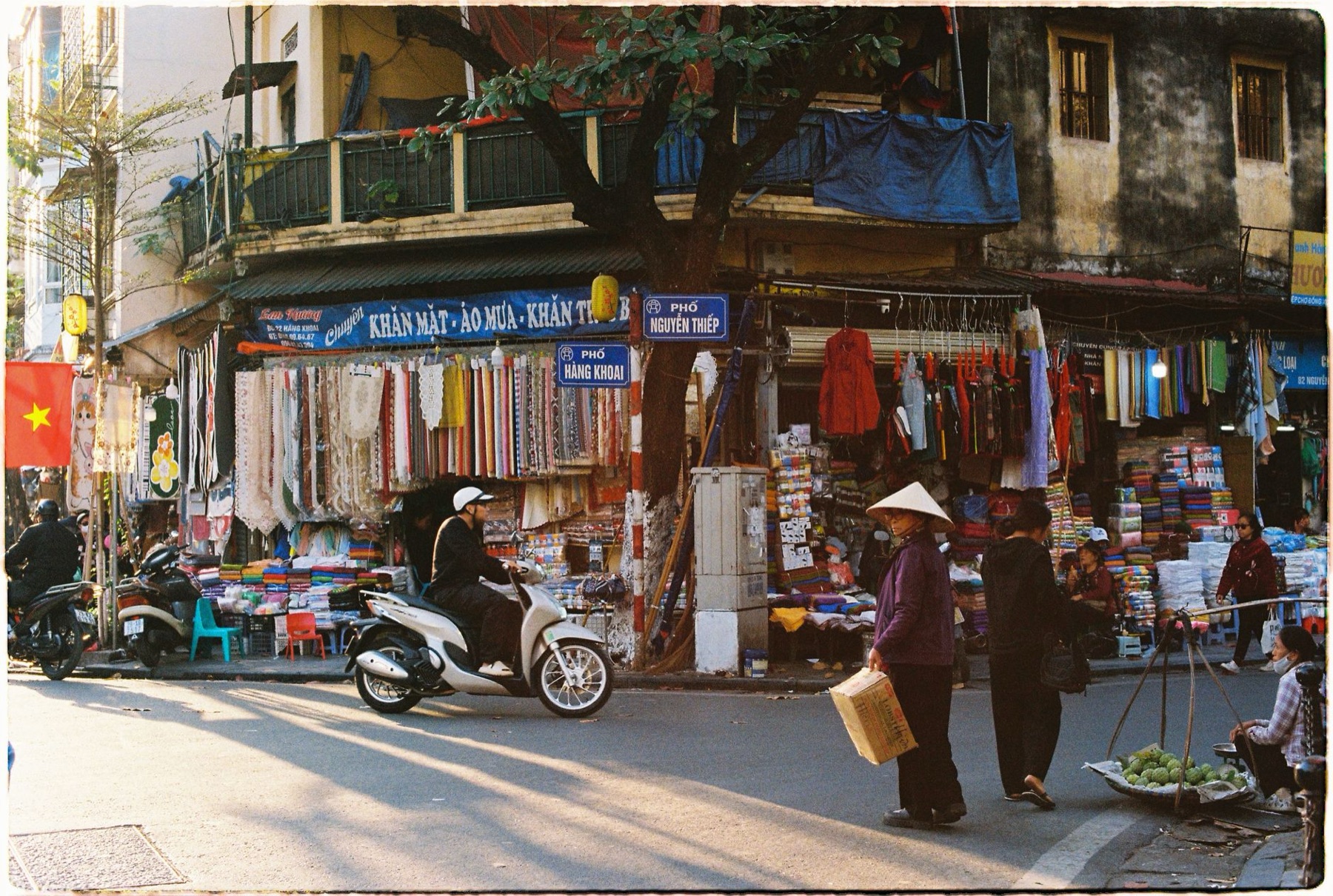
What should I pack and prepare before this trip?
Essentials:
- Rain jacket & quick-dry pants: Sapa and Ha Long see sudden showers year-round.
- Trainers with grip: Train platforms, boat decks, and mountain paths are slippery.
- Sunscreen + insect repellent: Ha Long sun reflects off water; mountain mosquitoes are persistent.
- Travel insurance: Non-negotiable. Confirm it covers train/boat accidents and mountain activity.
- Offline maps & phrasebook app: Mobile signal drops in Sapa; learn "cảm ơn" (thank you) and "bao nhiêu tiền?" (how much?).
- Power bank: Train cabins lack outlets; boat cabins are sparse.
Booking checklist before departure:
- ☐ Train tickets (Hanoi to Sapa, return) booked 7–10 days ahead.
- ☐ Sapa accommodation (homestay or guesthouse) confirmed with cancellation policy.
- ☐ Ha Long Bay cruise or speedboat reserved; deposit paid.
- ☐ Travel insurance purchased.
- ☐ Vietnam e-visa processed (if needed—see our Vietnam visa guide).
- ☐ Accommodation addresses saved offline (screenshot, not just phone storage).
- ☐ Hotel contact numbers (Hanoi, Sapa, Ha Long) written down or in phone.
🎟️ Compare tours & tickets for this place
---
How to document and preserve memories of this route?
This itinerary is visually rich—mist-wrapped mountains, karst cliffs, Hanoi's neon lanes—yet most smartphone photos look flat or washed out. Consider these options to capture the real experience:
Before you go:
- Book an ao dai photoshoot in Hanoi (Cáo Studio) on your first or last day. A professional shoot with makeup and styling costs around 2–3 million VND (US$85–130) for 2 hours and 100+ edited digital files. Wear traditional dress against Hanoi's temple backdrops or Old Quarter alleys.
- For Ha Long, pack a compact camera or request your cruise operator's photo service (often included).
During travel:
- Document the overnight train ride, sunrise in Sapa, and Ha Long's golden-hour light. Video clips (not just stills) capture mood better.
- Collect small items: a packet of Sapa tea, a postcard from Hanoi, pressed flowers (if allowed). These become anchors for later storytelling.
After travel:
- Use flower delivery in Hanoi (Hoa Lang Thang) to send fresh flowers to someone back home as a Vietnam memory trigger—or arrange for flowers to greet you on your next Hanoi stay.
- Create a printed photobook (Shutterfly, Blurb, or local Hanoi print shops) within a month of return while memories are vivid.
---
Honest summary: Is this 5-day itinerary worth it?
Yes, if:
- You have exactly 5 free days and accept a fast pace.
- You enjoy train travel and basic guesthouses (no luxury).
- You're flexible with weather (Sapa mist, Ha Long rain can disrupt plans).
- You skip Instagram-famous "hidden gems" and embrace local rhythms.
No, if:
- You want deep exploration of any single place (extend to 7–9 days).
- You need air-conditioned comfort and fine dining (budget tighter or choose shorter stays).
- You have mobility issues; trains and trekking paths are rough.
The real win: You'll see three utterly different Vietnams—urban chaos, mountain villages, and seascape—without flying. You'll eat street food that tastes better than any restaurant. You'll meet locals on trains, not in tour groups. That's the point.
Start planning now. Check our main Hanoi itinerary guide for longer stays, and compare Vietnam-wide itineraries if you have extra time.
---
What to check before you book
- Train departure times: Verify the exact date, time, and platform with your ticket 24 hours before.
- Sapa weather forecast: Mist above 1,400 m is common; check if trekking is worth your time that week.
- Ha Long Bay tide & weather: Typhoons can cancel cruises (June–October risk). Ask operators for cancellation/reschedule policy in writing.
- Accommodation cancellation: Confirm all bookings allow free cancellation ≥48 hours before arrival.
- Guide credentials: Trekking guides should speak English clearly and carry emergency contact details.
- Cruise safety briefing: Modern boats have life jackets and safety drills; older boats may skip these—ask on arrival.
FAQ
Can I do this itinerary in reverse (Ha Long first, then Sapa, then Hanoi)?
Yes, logistically. But you'll arrive in Hanoi exhausted, with only 1 day left. Most travellers prefer Hanoi first (acclimatization, rest), then mountains (cooler, reset), then coast (relax). Reverse works only if you extend to 6–7 days.
What's the cheapest total cost for this 5-day loop?
Around 4–5 million VND (US$170–215) per person, covering train (soft sleeper + return), basic guesthouse (3 nights), budget cruise (2 days), and street-food meals. This excludes entrance fees, internal transport, and tips. Mid-range (hiring guides, better accommodation) runs 6–8 million VND (US$255–340).
Is the overnight train safe? Should I lock my cabin door?
Yes, it's generally safe. Theft is rare but possible; lock your door at night, don't leave valuables in open luggage, and store passports/cash in a money belt. Trains are crowded, loud, and uncomfortable—but safe. Soft sleepers are more secure than hard sleepers (fewer strangers passing through).
Can I visit Sapa and Ha Long in one day?
No. Sapa alone demands a full day for arrival (afternoon), trekking (full day), and departure (evening train). Adding Ha Long would mean missing both. The itinerary needs a minimum of 5 days to feel unhurried.
What if I get altitude sickness in Sapa?
Sapa is only 1,600 m—serious altitude sickness is rare. You might feel mild headache, shortness of breath, or fatigue. Drink water, rest, and avoid rushing uphill. If severe, descend and see a doctor in Hanoi. Most travellers acclimatize in 12–24 hours. The hotel can arrange a doctor if needed (call reception).
FAQ
Can I do this itinerary in reverse (Ha Long first, then Sapa, then Hanoi)?
Yes, logistically. But you'll arrive in Hanoi exhausted, with only 1 day left. Most travellers prefer Hanoi first (acclimatization, rest), then mountains (cooler, reset), then coast (relax). Reverse works only if you extend to 6–7 days.
What's the cheapest total cost for this 5-day loop?
Around 4–5 million VND (US$170–215) per person, covering train (soft sleeper + return), basic guesthouse (3 nights), budget cruise (2 days), and street-food meals. This excludes entrance fees, internal transport, and tips. Mid-range (hiring guides, better accommodation) runs 6–8 million VND (US$255–340).
Is the overnight train safe? Should I lock my cabin door?
Yes, it's generally safe. Theft is rare but possible; lock your door at night, don't leave valuables in open luggage, and store passports/cash in a money belt. Trains are crowded, loud, and uncomfortable—but safe. Soft sleepers are more secure than hard sleepers (fewer strangers passing through).
Can I visit Sapa and Ha Long in one day?
No. Sapa alone demands a full day for arrival (afternoon), trekking (full day), and departure (evening train). Adding Ha Long would mean missing both. The itinerary needs a minimum of 5 days to feel unhurried.
What if I get altitude sickness in Sapa?
Sapa is only 1,600 m—serious altitude sickness is rare. You might feel mild headache, shortness of breath, or fatigue. Drink water, rest, and avoid rushing uphill. If severe, descend and see a doctor in Hanoi. Most travellers acclimatize in 12–24 hours. The hotel can arrange a doctor if needed (call reception).