Hanoi · Itinerary
Hanoi to Sapa Itinerary: 3–5 Days in the Mountains
By Wander in Vietnam editorial team · Hanoi, Vietnam
How many days do you really need for Hanoi to Sapa?
Most online guides sell the 48-hour sprint. In reality, you'll waste 20 hours on trains and arrive exhausted. We recommend 3–5 days minimum: one full day buffer in Hanoi pre-trip or post-trip, overnight train both ways (20 hours round-trip travel), and 2–3 days actively hiking and exploring Sapa's villages. Add another day if you want to trek Ta Phin village (steep, rewarding, 5 hours) or visit Black Dao and Hmong settlements slowly without rushing. Altitude sickness rarely hits hard at 1,500m, but don't attempt full treks on Day 1 after the train.
What's the best transport from Hanoi to Sapa?
Overnight train (Hanoi → Lao Cai, 11 hours) is standard. Depart around 22:00, arrive 07:00–08:00. Soft sleeper berths cost around 450,000–550,000 VND (USD $18–22) per person in shared compartments; hard sleeper runs 280,000–350,000 VND (USD $11–14). Book 2–3 days ahead via railway ticket offices in central Hanoi (Trang Tien Street area) or private travel shops. Expect noise and restless sleep; bring earplugs and a neck pillow.
From Lao Cai station, minibuses climb to Sapa town (38km, 1.5 hours). Shared minibus: around 50,000 VND (USD $2). Private hire: 400,000–600,000 VND (USD $16–24) if you're 4+ people. The road switchbacks steeply; sit in front if prone to motion sickness.
Flying Hanoi → Hai Phong then driving is faster but far pricier and rarely worth the hassle for the distance.
🗺️ Plan your route: Vietnam itinerary
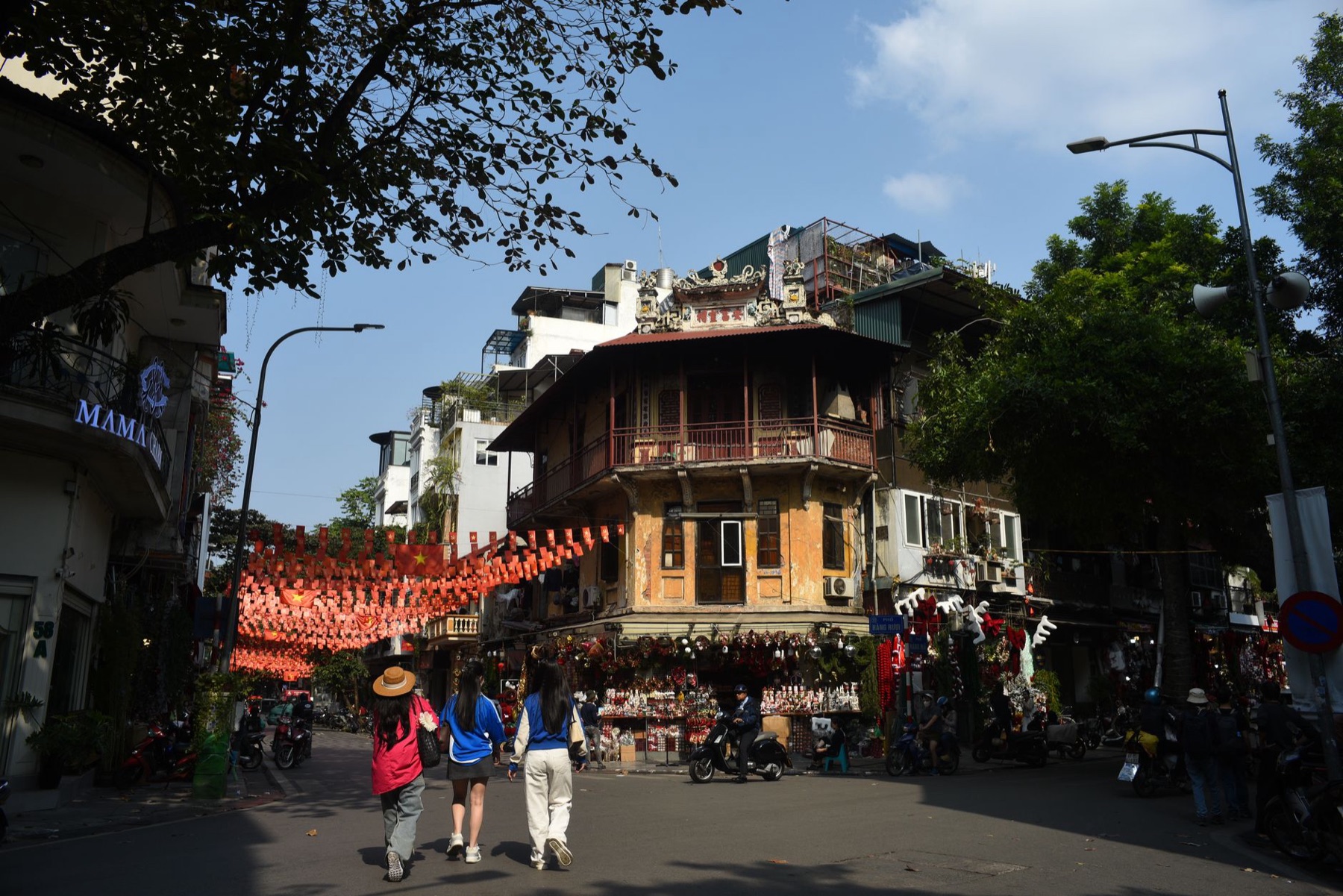
What should you do in Hanoi before heading north?
Don't waste Day 1 if you arrive with only 48 hours. Hit the essentials: Old Quarter morning market walk (around 06:00–08:00, Hang Ngang and Hang Dao streets)—chaotic, loud, real; Ho Tay (West Lake) bike ride (2–3 hours, rents from small shops on Thanh Nien Street, around 30,000 VND/day); Temple of Literature (Van Mieu, Day 1 afternoon, 30,000 VND entry, peaceful retreat from crowds). Skip Hoa Lo Prison Museum if history fatigue is setting in; the Old Quarter itself tells enough stories.
Eat pho or bun cha at a neighborhood stall (around 30,000–50,000 VND, USD $1.20–2) rather than tourist strips. Grab a coffee at a street-side plastic stool (around 15,000 VND, USD $0.60) to watch the city. Visit Hanoi's main guide here.
What's the realistic Sapa trekking schedule?
Day 3 in Sapa (arrival day): Settle in, acclimatize. Walk the town square and nearby Sapa market (local crafts, tea, hill tribe goods); eat lunch in town; afternoon nap. No major trek. You'll feel altitude shift—shortness of breath, mild headache—so rest early.
Day 4 (full trek day): Hire a local guide through your hotel or a reputable trekking outfit (prices: around 400,000–700,000 VND/USD $16–28 per person for 6–8 hours). Popular routes:
- Fansipan trek (2,912m summit, steep, 8–10 hours, for fit hikers only; cable car is a shortcut if you skip the climb).
- Silver Waterfall + Cat Cat village (easier, half-day, cultural homestay option, 3–4 hours).
- Ta Phin village loop (intermediate, includes Hmong and Dao settlements, terraced views, 5 hours).
Bring 2+ liters water, snacks, sturdy shoes (trails muddy year-round), and rain jacket. Starting 06:00–07:00 avoids afternoon crowds and cloud cover.
Day 5 (if extending): Market walk, coffee shop, or shorter village stroll before heading to Lao Cai train station.
What to pack and what to avoid on this route
| Item | Why | Priority |
|---|---|---|
| Layers (sweater, light jacket) | Hanoi ~25°C; Sapa 10–15°C at night | Must-have |
| Waterproof hiking boots | Muddy trails, wet season Oct–May | Essential |
| eSIM or local SIM | Offline maps fail; guides message you | Essential |
| Cash (VND) | Small stations, village guides | Essential |
| Reusable water bottle | Dehydration at altitude | Recommended |
| Sunscreen, sunglasses | High altitude = intense UV | Recommended |
| Lightweight poncho | Rain clouds roll in fast | Recommended |
| Expensive jewellery | Crowds on trains, town markets | Leave home |
Common mistakes: Assuming the overnight train is restful (it's not). Booking with unlicensed "tour guides" at Sapa station—stick to hotel referrals or pre-arranged groups. Wearing flip-flops or fashion sneakers to trek. Arriving with no cash; ATMs in Sapa charge fees and sometimes run empty. Not confirming return train tickets 2–3 days before departure.
📸 Book an ao dai photoshoot in Hanoi or Saigon (Cáo Studio)
How to bring Sapa memories home thoughtfully
Rather than mass-market key-chains, consider gifts and keepsakes that honor the communities you visit:
Hill tribe crafts purchased directly in villages (or via hotel shops with fair-trade ties): hand-woven textiles, indigo-dyed scarves, embroidered pouches. Budget 150,000–400,000 VND (USD $6–16) per item; negotiate gently and ask the weaver's village name—it personalizes the story.
Loose oolong or pu-erh tea from Sapa's highlands (buy at town market, not tourist shops): around 80,000–250,000 VND per 200g (USD $3–10). Tastes far better than what you'd import; gifts it well because it's consumable and unique.
Photo print or star-map keepsake of your trek date: Capture the moment with a professional printout or personalized print showing the sky the night you summited or trekked. Explore custom gift collections to commemorate your journey back home.
Hmong silver jewellery (rings, bracelets, pendants, all handmade): 250,000–800,000 VND (USD $10–32). Heavy, authentic, and conversations-starters—ask craftspeople in Cat Cat village or Ta Phin.
Avoid mass-produced "Vietnam" souvenirs (fridge magnets, enamel pins) and animal products. Hill tribe guides and homestay hosts appreciate small gifts brought from your home country—tea, candy, or photos—far more than tourist trinkets.
🎟️ Compare tours & tickets for this place
How to avoid common scams and pitfalls on this route
Train-station touts claiming your hotel is "closed" and offering alternatives: Ignore them. Your booking is confirmed; go directly to your hotel.
Overnight train overbooking: Book official tickets, not through random agents. Check your berth number before boarding; if it's wrong, alert the conductor immediately.
Unofficial "guides" at Sapa station: They overcharge and may push alcohol sales or opium-related tourism (illegal and exploitative). Use your hotel to arrange guides or hire through established trekking companies.
Fake eSIM or data plans: Purchase at official phone shops in Hanoi (Viettel, Mobifone) before departure; rates around 50,000–150,000 VND (USD $2–6) for 7–30 days. Roaming is slower at altitude.
Overpriced meals in Sapa town: Eat where locals eat (markets, smaller stalls). Tourist-facing restaurants mark up 2–3×. A bowl of pho in town: 40,000–60,000 VND (USD $1.60–2.40); at a stall: 25,000–35,000 VND (USD $1–1.40).
Altitude sickness claims: Mild symptoms (headache, fatigue) are normal. Drink water, rest, avoid alcohol Day 1. If severe (vomiting, confusion), descend and see a doctor in Lao Cai or Sapa clinic.
What to check before you finalize your itinerary
✓ Train dates 2–3 weeks ahead (peak season: Sept–Oct, Dec–Jan, book further out) ✓ Your hotel's trekking guide recommendations and prices (compare 2–3 options) ✓ Visa or e-visa status (Vietnam e-visa here if needed) ✓ Weather and pack accordingly (cold + rain Oct–April; hot + occasional rain May–Sept) ✓ eSIM or local SIM plan before departure (Vietnam eSIM guide for options) ✓ Return train ticket confirmation 48 hours before travel ✓ Any dietary needs communicated to trekking guide and hotel
We've walked this route with first-time visitors who swore they'd "just do two days" and ended up extending. The Hanoi–Sapa loop isn't rushed if you respect the timing. Start in our main Hanoi itinerary, factor in 3–5 days here, then consider extending to Ha Long Bay or Ninh Binh on your return. Sapa changes you quietly; don't hurry it.
FAQ
Is the overnight train safe and sanitary?
Yes, generally. Berths are inspected before boarding. Bring your own sheets or sleep bag liner for comfort; toilets are basic but functional. Theft is rare but lock your bag. Noise and frequent stops (8–10 hours) mean light sleep—pack earplugs, melatonin if you use it, and expect to be tired.
What's the best time of year to trek Sapa?
September–November (cool, clear views, fewer mosquitoes) and December–February (coldest, crisp air, some snow possibility at 1,500m+). Avoid May–August (hot, muddy, leeches present); March–April (cloud cover obscures views). Pack weather-appropriate layers regardless.
Should I hire a guide or trek solo?
Hire a guide, especially first visit. You'll learn hill tribe history, find off-track villages, and support local income. Trails can be confusing; guides prevent wrong turns and altitude issues. Cost: 400,000–700,000 VND (USD $16–28) per person, split among groups, is reasonable.
Can I visit Sapa in one day from Hanoi?
Technically yes (48-hour train round-trip + 6 hours in Sapa = possible). You'll waste 10+ hours on transport, feel exhausted, and see little. Not recommended. Minimum 3 days gives one acclimatization buffer and one full trek day—far more rewarding.
What's the real cost per person for Hanoi–Sapa 3 days?
Train: 900,000 VND (USD $36) round-trip. Hotel (2 nights, mid-range): 600,000–900,000 VND (USD $24–36). Meals/snacks: 300,000 VND (USD $12). Guide/trek: 400,000–700,000 VND (USD $16–28). Miscellaneous (transport, coffee, gifts): 200,000 VND (USD $8). Total estimate: 2.4–2.7 million VND (USD $96–108) per person, assuming no activities in Hanoi and no cable car. Add more for Hanoi time, flights, or premium accommodation.
FAQ
Is the overnight train safe and sanitary?
Yes, generally. Berths are inspected before boarding. Bring your own sheets or sleep bag liner for comfort; toilets are basic but functional. Theft is rare but lock your bag. Noise and frequent stops (8–10 hours) mean light sleep—pack earplugs, melatonin if you use it, and expect to be tired.
What's the best time of year to trek Sapa?
September–November (cool, clear views, fewer mosquitoes) and December–February (coldest, crisp air, some snow possibility at 1,500m+). Avoid May–August (hot, muddy, leeches present); March–April (cloud cover obscures views). Pack weather-appropriate layers regardless.
Should I hire a guide or trek solo?
Hire a guide, especially first visit. You'll learn hill tribe history, find off-track villages, and support local income. Trails can be confusing; guides prevent wrong turns and altitude issues. Cost: 400,000–700,000 VND (USD $16–28) per person, split among groups, is reasonable.
Can I visit Sapa in one day from Hanoi?
Technically yes (48-hour train round-trip + 6 hours in Sapa = possible). You'll waste 10+ hours on transport, feel exhausted, and see little. Not recommended. Minimum 3 days gives one acclimatization buffer and one full trek day—far more rewarding.
What's the real cost per person for Hanoi–Sapa 3 days?
Train: 900,000 VND (USD $36) round-trip. Hotel (2 nights, mid-range): 600,000–900,000 VND (USD $24–36). Meals/snacks: 300,000 VND (USD $12). Guide/trek: 400,000–700,000 VND (USD $16–28). Miscellaneous (transport, coffee, gifts): 200,000 VND (USD $8). Total estimate: 2.4–2.7 million VND (USD $96–108) per person, assuming no activities in Hanoi and no cable car. Add more for Hanoi time, flights, or premium accommodation.