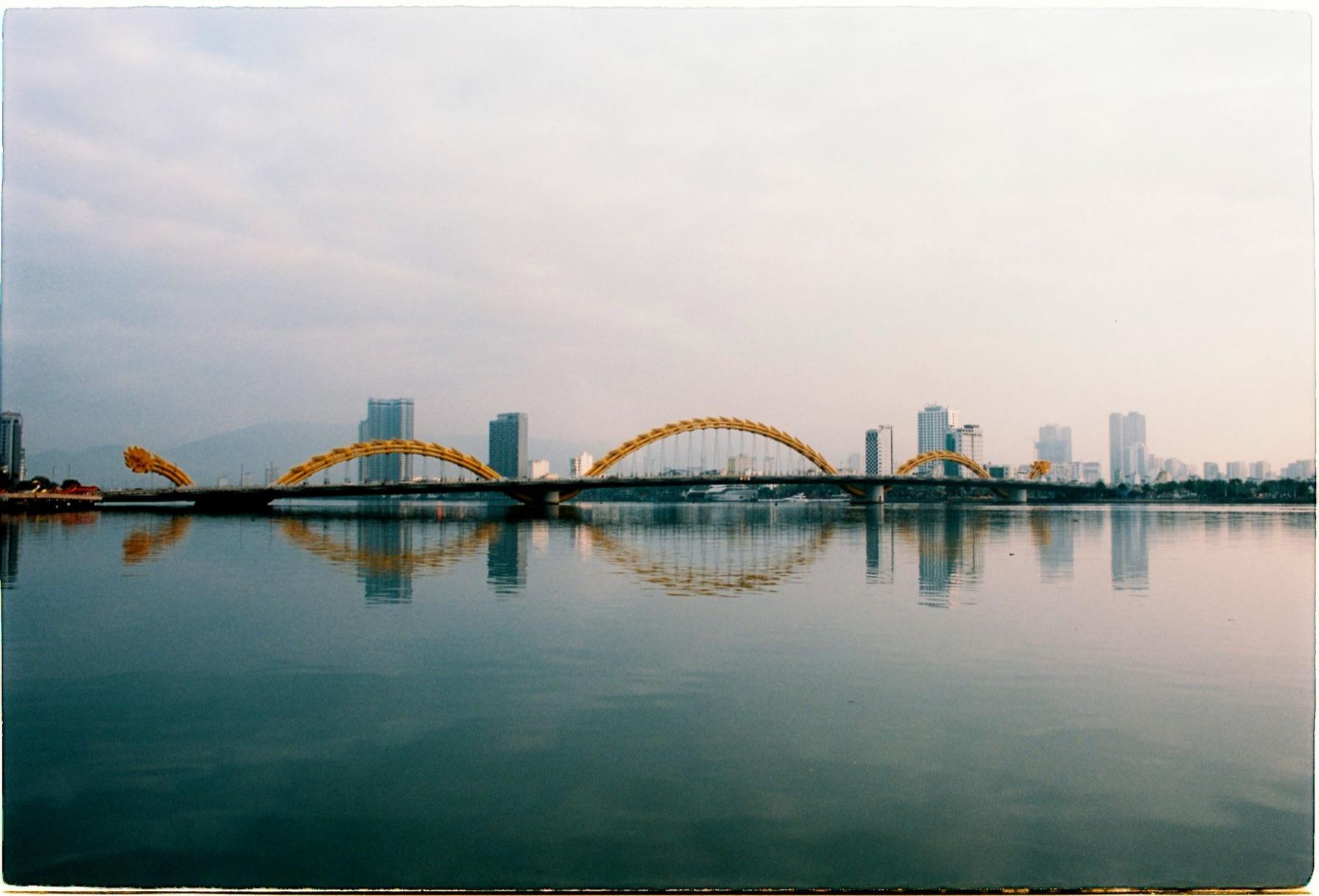
Da Nang's food identity lives in its waterfront location and southern-central Quảng Nam heritage. Unlike Hanoi's layered broths or Ho Chi Minh City's fusion trends, Da Nang plates raw seafood alongside charred proteins and hand-pulled noodles. We've tested every neighborhood and price tier—here's what works, what doesn't, and how to navigate the city like a resident.
Wat is mì Quảng en waar eet je het echt goed?
Mì Quảng (turmeric noodles with pork, shrimp, herb garnish) is Da Nang's unofficial anthem. Authentic versions come in a shallow bowl with just a splash of broth—not soupy like other regions. Best bowls cost 35,000–50,000 VND (€1.20–1.70) at unmarked stalls in Hàng Bạc ward, east of the Han River. Tourist joints near the beach charge 80,000–120,000 VND (€2.70–4) for half the flavor. Skip chains with laminated menus. Hunt for handwritten price boards and queues of construction workers at breakfast (6–8 a.m.).
Bánh Hoai: Why This One Dish Defines the City
Bánh hoai (crispy, crescent-shaped crepe filled with shrimp, pork, bean sprouts) exists almost nowhere outside Da Nang—it's the city's gastronomic fingerprint. The skill is the fry: golden exterior, tender interior, never greasy. A proper bánh hoai costs 20,000–35,000 VND (€0.67–1.20) and should come on a banana leaf with herb bundles and sweet-salty dipping sauce. We recommend the stalls clustered near Hàng Bạc Market (around 8–10 a.m., again at 4–6 p.m.). Expect 10–15 minute waits during peak hours. Avoid vacuum-packed "bánh hoai for tourists" sold at airport or shops; it tastes like cardboard within hours.
Seafood: Fresh vs. Marked-Up Tourist Pricing
Da Nang sits on the South China Sea. Grilled squid, steamed whole fish, and shrimp paste (mắm tôm) appear in every meal. The catch: beachfront and central restaurants charge 3–5× more than fishing-village eateries. A grilled fish (cá nướng) runs 200,000 VND (€6.70) in Hàng Bạc ward; the same fish costs 600,000 VND (€20) at Mỹ Khánh or beach-facing chains.
Decision framework: Skip restaurants with A-frame sandwich boards showing photos. Instead, eat at family-run spots in Liễu Chiểu ward (south bank, less touristy) or join locals at the night market (Chợ Đêm) near Bạch Đằng Street, open 5–10 p.m. Prices drop 30–40% there. Scam watch: avoid "tasting menus" at unfamiliar spots—insist on set prices before ordering.
Markets: Hàng Bạc vs. Chợ Đêm—When to Go & What's Good
Hàng Bạc (central market, Hàng Bạc Street) opens 5 a.m.–noon and again 4–7 p.m. It's the working kitchen: cooks buy live seafood, herbs, and proteins here. Tourist crowds peak 9–11 a.m. We suggest arriving before 7 a.m. or after 5 p.m. for authenticity and elbow room. Prices are wholesale-adjacent (50,000–80,000 VND per large fish, €1.70–2.70).
Chợ Đêm (night market, Bạch Đằng Street, near Han River Bridge) runs 5–11 p.m. and is 70% local, 30% tourist. Stalls rotate: grilled meats, bánh mì, crab soup, spring rolls. A full meal here costs 150,000–250,000 VND (€5–8.40). Avoid stalls without refrigeration after 8 p.m. (seafood degrades fast in humid weather).
Street Food Price & Quality Comparison Table
| Dish | Typical Cost (VND) | Typical Cost (EUR) | Who It's For | Quality Red Flag |
|---|---|---|---|---|
| Bánh hoai (1 piece) | 20,000–35,000 | €0.67–1.20 | Breakfast eaters, budget travelers | Soggy, not crispy exterior |
| Mì Quảng (bowl) | 35,000–50,000 | €1.20–1.70 | Noodle fans, lunch crowd | Broth tastes diluted or over-oiled |
| Bún chả (grilled pork + noodles) | 45,000–60,000 | €1.50–2 | Adventurous eaters, meat lovers | Pork smells sour or is pre-cooked |
| Cá nướng (grilled whole fish) | 200,000–400,000 | €6.70–13.40 | Groups, sit-down meals | Fish has dull eyes or soft flesh |
| Mắm tôm (shrimp paste) | 10,000–20,000 | €0.34–0.67 | Condiment add-on, adventurous palates | Ammonia smell too strong |
Cooking Neighborhoods: Liễu Chiểu Ward vs. Tourist Center
Liễu Chiểu (south of Han River, Quận Liễu Chiểu District) is where families cook and dock fishing boats. Eateries here are concrete-floored, plastic-chaired, zero pretense. A seafood feast (whole grilled fish, shrimp paste, greens) costs 300,000–500,000 VND (€10–16.70) for two people. English menus are rare; point at the live tank or photos. Getting here requires a taxi or Grab from central Da Nang (60,000–90,000 VND, €2–3).
Central Da Nang (around Hàng Bạc, Trần Phú streets) has a denser restaurant cluster: mid-range spots (300,000–800,000 VND per person, €10–27) mixed with street stalls. Tourists cluster here; locals eat the stalls, avoid the sit-down chains. If you want sit-down comfort, choose eateries with open kitchens and crowds of Vietnamese diners at lunch (11:30 a.m.–1 p.m.).
What to Avoid: Tourist Traps & Food Safety
Overpriced tourist traps:
- Restaurants with laminated photo menus on Hàng Bạc Street
- Beachfront "fresh seafood" places charging 4–6 EUR per shrimp (vs. 1.50 EUR at markets)
- Hotels recommending chain restaurants (profit motive, not flavor)
Food safety practices:
- Eat hot, cooked food only (avoid cold salads at unfamiliar stalls)
- Order bánh mì and bánh hoai only from high-turnover stalls (items sell out hourly)
- Avoid raw seafood unless you see it prepared live in front of you
- Skip street ice cream and desserts in afternoon heat (melt risk, hygiene unclear)
- Drink bottled or boiled water; ask for ice only if you know its source
Stomach trouble avoidance: Start with bland items (rice porridge, plain grilled fish) your first two days. Upgrade to fermented vegetables and shrimp paste once your digestion adjusts.
📸 Boek een ao dai-fotoshoot in Hanoi of Saigon (Cáo Studio)
Restaurant Tiers: Budget to Splurge
Budget (stall + market, 30,000–80,000 VND / €1–2.70 per meal):
- What you get: authentic, no filler, fast
- Best for: breakfast (bánh hoai, mì Quảng), lunch (cơm tấm, noodles)
- Example: Hàng Bạc market stalls, Chợ Đêm night market
Mid-range (family-run sit-down, 200,000–600,000 VND / €6.70–20 per person):
- What you get: table service, same recipes as street, cooler seating
- Best for: groups, first-time visitors, families with kids
- Example: Liễu Chiểu ward eateries, Hàng Bạc back alleys
Upscale (hotel restaurants, specialty seafood, 800,000–2,500,000 VND / €27–83 per person):
- What you get: English menus, air-con, imported wines, presentation
- Best for: celebrations, special diets, Western comfort
- Why to skip most: flavor often diluted for international palates; 4–5× markup for ambiance, not taste
Insider Tips: Timing, Navigation & Language
When to eat like a local:
- Breakfast (6–8 a.m.): catch bánh hoai and mì Quảng at their crispest and hottest
- Lunch (11:30 a.m.–1 p.m.): peak service; queues = freshness
- Dinner (5–7 p.m.): markets bustle; night stalls open by 6 p.m.
- Late night (9–11 p.m.): Chợ Đêm is liveliest; fewer tourists
Navigation without Vietnamese:
- Use Google Maps offline to locate Hàng Bạc Market and Chợ Đêm
- Screenshot dish names in Vietnamese on your phone; show vendors
- Ask hotel staff to write your dish preferences on a card
- Grab taxi drivers to Liễu Chiểu; show address screenshot
Price negotiation:
- Stalls with handwritten prices: prices are final
- "Whole fish + salad" meals: negotiate before ordering if no menu posted
- Tourist-facing sit-down spots: menus show inflated prices; walk out and check next place
What to check before you buy:
- Seafood: smell (no ammonia), eyes (bright), flesh (firm)
- Grilled items: char is good; black/burnt spots mean rushed cooking or reheated meat
- Noodle soups: broth should steam and smell herbaceous, not greasy
- Street-side seating: avoid spots with visible trash or stagnant water nearby
- Live tanks: look for active movement; dead or sluggish seafood = old stock
---
Ngoài Da Nang: Related Vietnam Food Destinations
If you love Da Nang's Quảng Nam flavors, explore Hội An (15 km south; home to bánh cao lầu and deeper bánh hoai roots), Hanoi for pho and northern broths, and Ho Chi Minh City for Saigon's faster-paced street scene. Day trips to Ninh Bình combine limestone scenery with rural goat and river-fish cuisine.
Planning a full Vietnam itinerary? Our planner routes food stops geographically and by season. Traveling through late 2026? Get a Vietnam eSIM so Google Translate and offline maps work seamlessly at markets and stalls.
---
FAQ
Is street food safe in Da Nang?
Yes, if you follow three rules: eat only hot, cooked food; choose high-turnover stalls (visible queues); and start with bland items your first days. Stomach troubles stem from dietary shock, not Da Nang specifically. Millions of locals eat markets daily without issue.
What's the difference between bánh hoai and bánh mì?
Bánh hoai is Da Nang-only, crescent, fried, filled with shrimp and pork. Bánh mì is nationwide, baguette-style, cold, with pâté and pickles. Bánh hoai is breakfast or snack; bánh mì is lunch or light dinner. Bánh hoai costs 20,000–35,000 VND; bánh mì costs 30,000–50,000 VND.
Can I get fresh seafood without paying tourist prices?
Yes. Buy at Hàng Bạc Market (5 a.m.–noon) or Chợ Đêm (5–11 p.m.), then cook it yourself (if staying in a hostel/Airbnb with kitchen), or eat at Liễu Chiểu ward eateries where locals fish. Beachfront restaurants charge 3–5× markup purely for location and menus.
Do I need to speak Vietnamese to order food?
No. Use Google Translate (offline mode), point at photos or dishes at neighboring tables, or write dish names in Vietnamese beforehand. Markets expect gestures; vendors are patient. Sit-down restaurants have menus (many now with English translations or photos).
When is the best time to visit Da Nang for food?
May–September has peak local fishing (freshest seafood) but hot and humid weather. October–April is cooler; markets are still active. Typhoon season (September–October) can close fishing boats briefly; prices spike. Avoid mid-June to mid-August heat if you dislike eating outdoors without A/C.
Where do I buy gifts or souvenirs related to Da Nang food?
Hàng Bạc Market sells dried seafood, shrimp paste in jars, and roasted peanuts—all lightweight carry-ons. Avoid vacuum-packed "bánh hoai for tourists"; stale and tasteless. For keepsake experiences, book a photoshoot in Hanoi or Saigon (Cáo Studio) wearing áo dài, or arrange flower delivery via Hoa Lang Thang in Hanoi for someone back home.