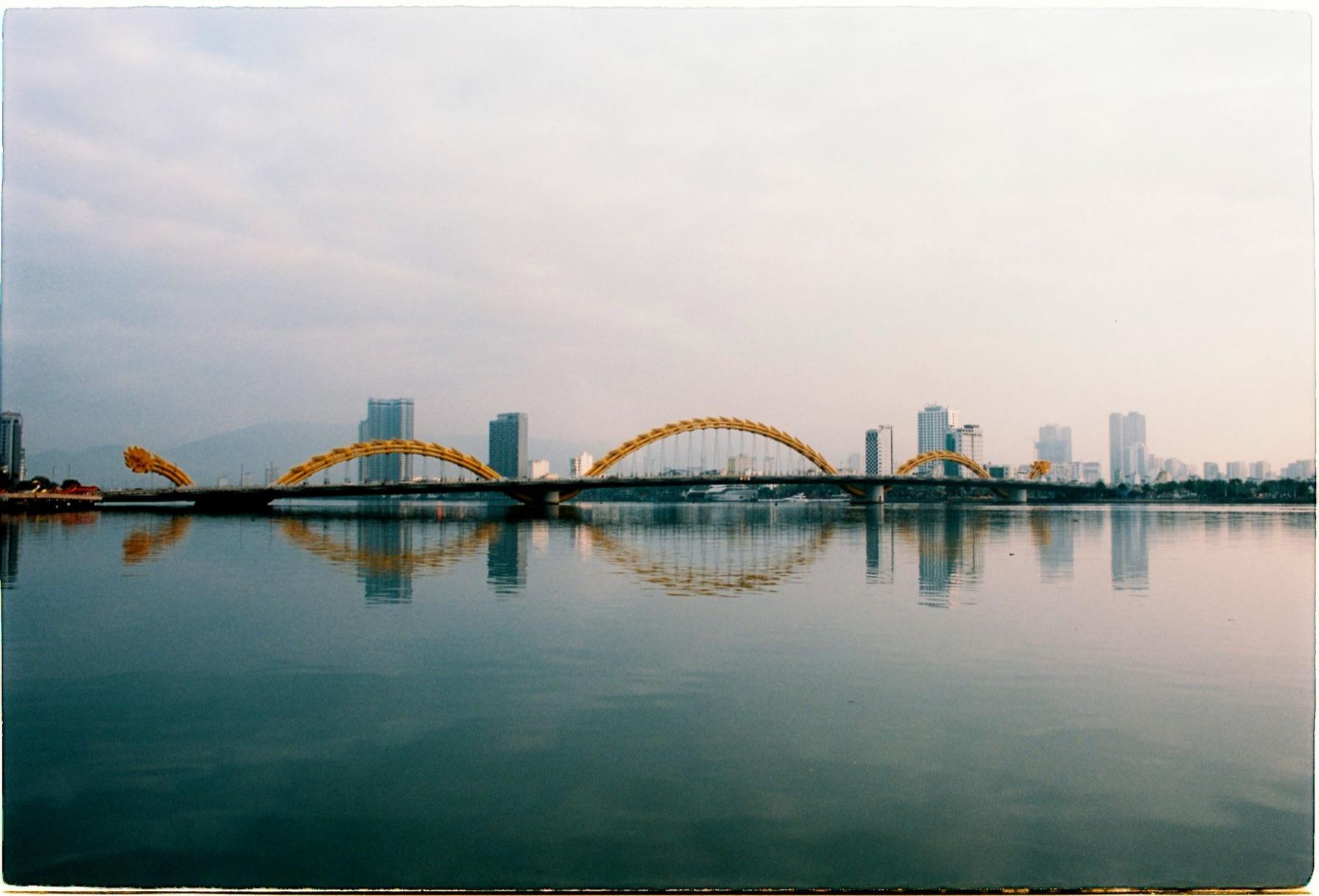
Da Nang's food scene balances three worlds: fresh seafood straight off the water, street snacks inherited from Chinese and French colonial eras, and modern Vietnamese home cooking. Unlike Hanoi's alley chaos or Saigon's mall-heavy dining, Da Nang feels manageable—compact neighborhoods, reasonable prices, and no need to book months ahead. You'll eat better and cheaper than in tourist hubs, and the seafood is simply superior.
Czym różni się jedzenie w Da Nang od innych miast Wietnamu?
Da Nang's cuisine reflects its geography and history. As a major port city, it receives daily catches that Hanoi or Saigon never see fresh. Chinese merchants left cao lau (thick noodles in pork broth, banh mi styles); French colonialism added banh mi thit with proper pâté and mayo. Hoi An, 30 km south, shares cao lau but Da Nang serves it hotter, greasier, more street-style. The real edge: coastal restaurants charge half what Nha Trang or Phu Quoc demand for the same grilled fish.
🗺️ Zaplanuj trasę po Wietnamie
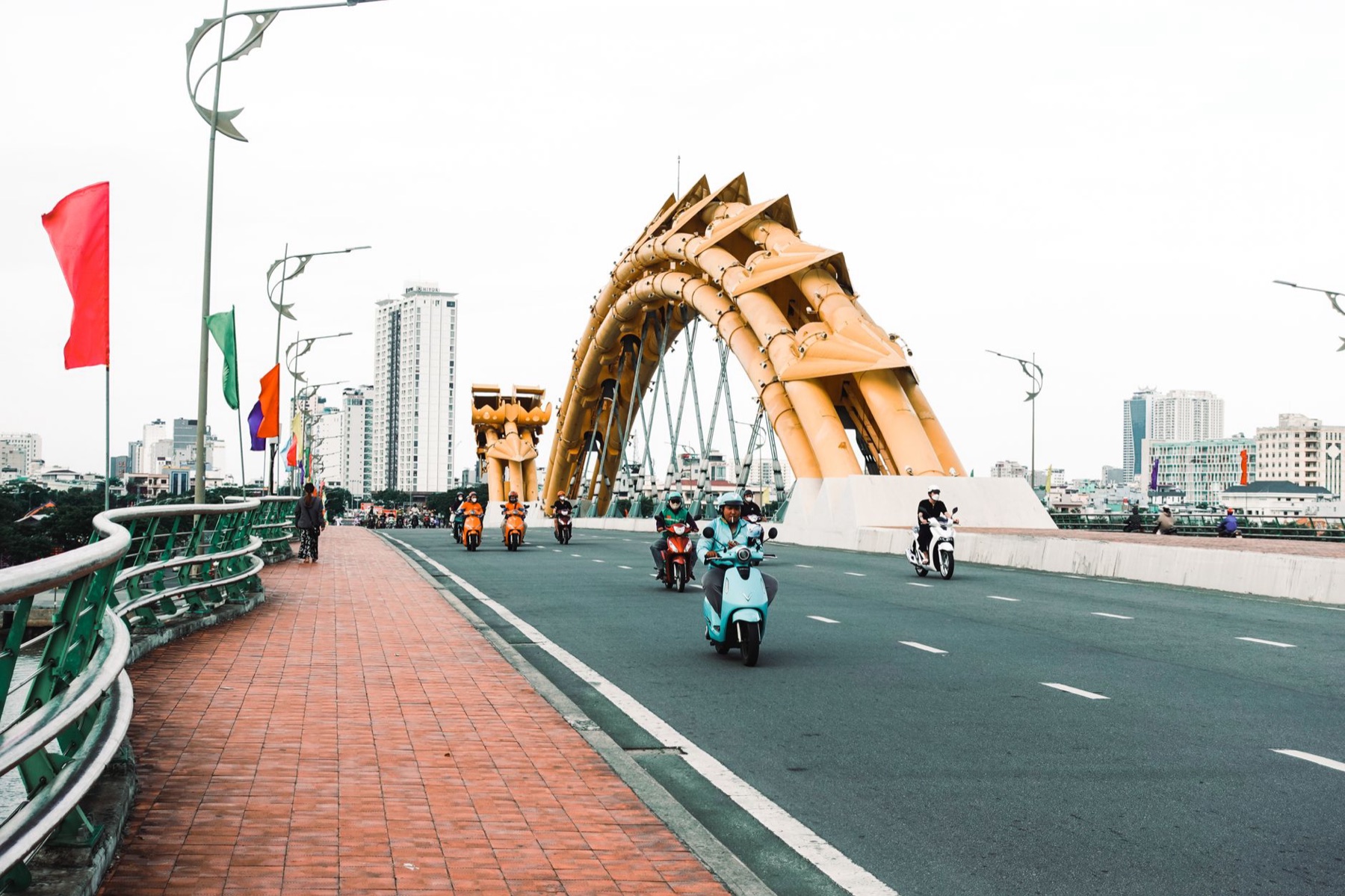
Które ulice i rynki mają najlepsze jedzenie uliczne?
Hai Chau District (city center) is where locals eat. Con Market (Cho Con) near the riverfront opens 5 a.m. to noon—arrive early for banh mi, sticky rice with pork, and fresh spring rolls. Stalls cluster around Block 1 and 2; no English signs, but point at what others eat. Expect 20,000–40,000 VND per bowl.
Tran Phu Street near the Han Market (Cho Han) runs breakfast-to-lunch street food: banh my hoai—banh mi without the bread, served on a banana leaf with pâté and pickles—costs around 30,000 VND. This is a Da Nang original; you won't find it elsewhere.
Pham Ngu Lao Street (backpacker zone) has tourist-oriented but honest street food. Grilled seafood stalls (nha hang nuong) line the riverside; a full grilled fish plate runs 80,000–120,000 VND. Quality is high, but prices reflect the neighborhood.
Avoid Con Market's outer edges after 1 p.m.—vendors run out, and what remains may have been sitting since dawn. Go early or not at all.
Jakie dania muszę spróbować w Da Nang?
| Danie | Co to jest | Gdzie znaleźć | Cena (VND) | Uwagi |
|---|---|---|---|---|
| Cao lau | Grube wstążki, broth wieprzowina, zioła | Hai Chau, ulica | 35,000–50,000 | Sygnatura Da Nang; gęstsze niż pho |
| Banh my hoai | Pâté, majo, na liściu bananowca | Tran Phu St., food carts | 30,000–40,000 | Unikalne dla tego miasta |
| Com tam | Złamany ryż, wieprzowina, jajko | Całe miasto, od rana | 25,000–35,000 | Tanio, sycące |
| Grillowana ryba | Świeża, całością, sól/czosnek | Pham Ngu Lao riverside | 80,000–150,000 | Świeża lub oszust; zapytaj o codzienną cenę |
| Banh hoai (Hoi An variant) | Złota na zewnątrz, miękka wewnątrz | Specialty shops, ulica | 20,000–30,000 | Lekko słodkie, rzadka poza Hoi An |
| Muc nuong | Grillowany kalmar, sezam | Seafood stalls | 60,000–100,000 | Twardnieje; zamów świeży |
Com tam is the cheapest working-class breakfast: broken rice, fried egg, pickled vegetables, and a choice of pork, chicken, or just plain. It sits heavy; one plate fills a small stomach for 12 hours. Cost: around 25,000 VND.
Cao lau is thicker, richer noodles than pho—braised pork, fresh herbs, crispy croutons, and a soy-inflected broth. Locals argue endlessly about which stall is "real"; most Hai Chau vendors are equal. Around 40,000 VND.
Grilled fish (ca nuong) is the reason to be here. A whole bream (ca com) or snapper (ca hoi) arrives charred, drizzled with salty, garlicky fish sauce. Price varies by weight; most plates run 80,000–150,000 VND. Always ask if it's fresh (fresh = today's catch; not fresh = yesterday or frozen). Trustworthy signs: ice is wet (not old), fish eyes are clear, smell is briny not fishy.
Gdzie jeść taniej niż turystyczne restauracje?
Early morning markets (4–9 a.m.) are your cheapest bet. Vendors haven't inflated prices for tourists yet. Con Market and the smaller markets near Nguyen Chi Thanh Street have banh mi, sticky rice, and soups for 15,000–30,000 VND. You eat standing up or on a plastic stool; it's real.
Local com tam stalls (rice-broken-rice restaurants) operate 6 a.m. to 11 a.m. and 4 p.m. to 7 p.m.—never at lunch. A full meal (rice, protein, veg, sauce) costs 25,000–40,000 VND. Look for small shop fronts with plastic stools, no signage in English, and locals inside. If you see an English menu, prices double.
Pho alleys off Tran Phu Street have authentic beef pho for 35,000–50,000 VND. Bone broth simmers overnight; quality is high. These close by noon (pho is breakfast/early-lunch food).
Banh mi vendors (street carts) cost 25,000–35,000 VND for a half-meter sandwich. Avoid the shiny storefronts on main streets; eat where workers queue.
A full, satisfying meal for two: 80,000–120,000 VND (3–5 USD). Drink water or cheap coffee (instant, with condensed milk) for an extra 5,000–10,000 VND per person.
📸 Zarezerwuj sesję zdjęciową w ao dai w Hanoi lub Sajgonie (Cáo Studio)
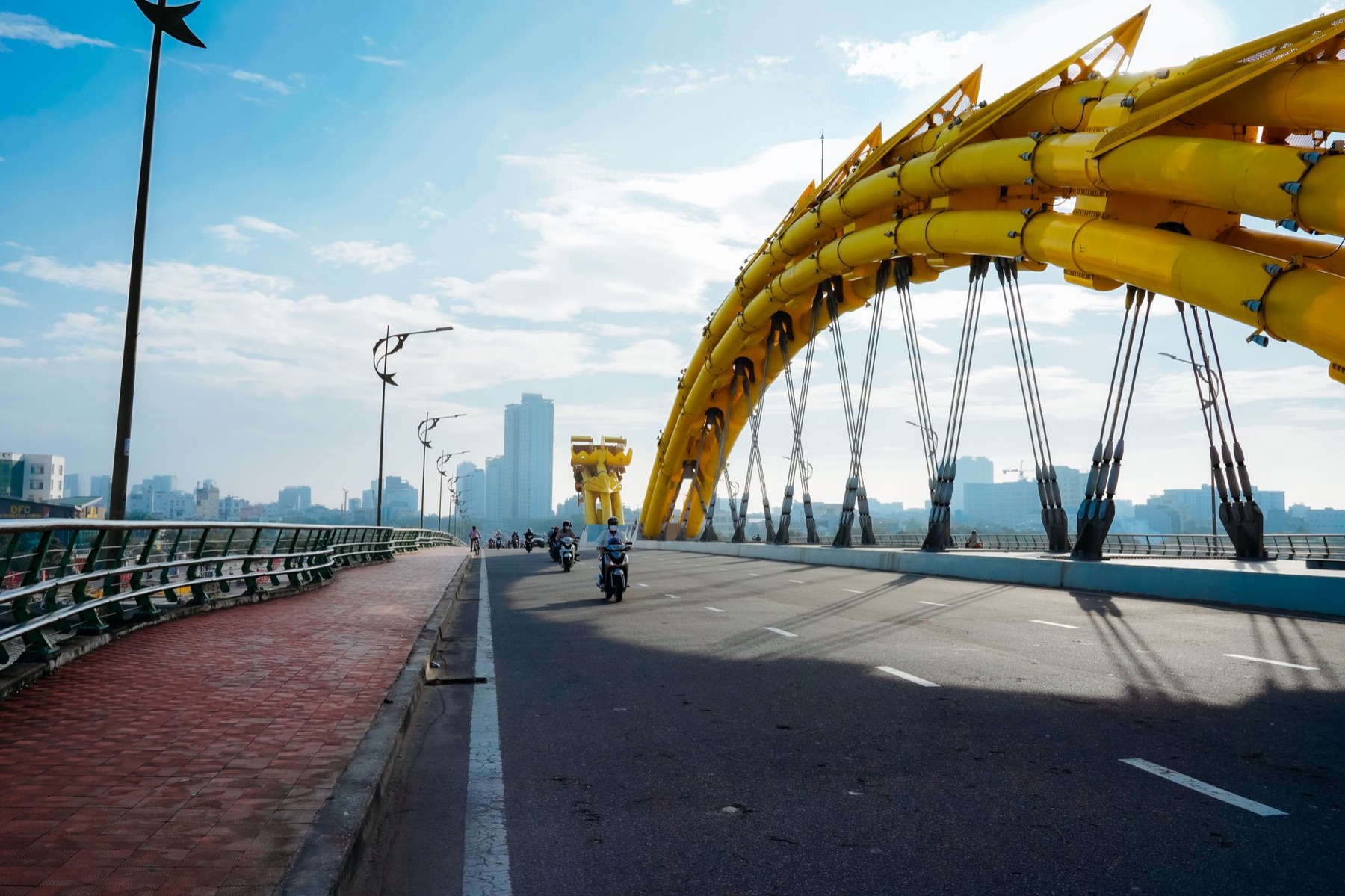
Jakie restauracje zapewniają niesamowite doświadczenie bez cen turystycznych?
Seafood by the river (Pham Ngu Lao, Han Market side) is your safest mid-range bet. Pick a grilled fish from the cooler, name your protein, sit at a plastic table, and watch it cook. Price is transparent: you pay per kilo, not per plate. A 300-gram bream with greens, rice, sauce: 100,000–130,000 VND. No English menu, but pointing works. Arrive 5–7 p.m. before the stall closes.
Banh my shops (small storefronts, not chains) in Hai Chau craft sandwiches to order. A proper banh my thit (pork pâté, ham, mayo, pickles, cilantro, chili) runs 35,000–50,000 VND—better than street carts, fresher bread. Ask for "banh my thit" or point at the pork.
Cao lau specialist stalls cluster near Block 2 of Con Market. Owner-run, 20+ years, locals sitting elbow-to-elbow. 40,000–55,000 VND for a bowl. Broth is rich; portions are large. You won't see tourists here.
Avoid: tourist-facing "Da Nang signature dish" restaurants on main streets (Tran Phu). Prices are 3–4× higher; quality is lower. If a restaurant has laminated English menus and air-con, eat elsewhere.
Jakie są największe pułapki w jedzeniu na ulicy da Nang?
Seafood freshness lies. Vendors freeze and thaw fish; the ice gloss hides age. Ask directly: "Hom nay khong?" (Today?) If they hesitate, walk. Frozen fish isn't toxic but tastes flat and firms oddly when grilled. Trusted vendors label ice buckets with dates (if you read Vietnamese numerals).
Banh mi vendors double-dip tourists. A working-class banh my costs 25,000 VND; tourists pay 45,000–60,000 VND at the same stall. Speak zero English or order in Vietnamese.
"Fresh" spring rolls at lunch. Con Market closes by noon; afternoon stalls sell yesterday's rolls. Wrapper texture is stiff, filling smells vinegary. Eat spring rolls early or skip them.
Overcharging at riverside restaurants without printed menus. You order, eat, and they hand you a price. Some tourist stalls add phantom dishes (extra rice, sauce charges). Always ask price before ordering. Point at someone else's plate and ask "bao nhieu?" (how much?).
Stomach trouble from raw herbs and salads. Da Nang tap water isn't safe; salads and herbs are washed in it. Tourists often get mild dysentery 24–48 hours later. If eating raw vegetables, eat them at busy daytime stalls (high turnover means fresher prep), not evening vendors.
Pro tip: Never order "specialty seafood" at a restaurant unless locals are eating it too. Tourist-only dishes (giant prawns, lobster, exotic fish) are often farm-raised, flown in, and marked up 500%.
Czym różnią się ceny od Hanoi i Ho Chi Minh City?
| Miasto | Banh mi | Com tam | Cao lau | Grillowana ryba | Obserwacja |
|---|---|---|---|---|---|
| Da Nang | 25–35k | 25–35k | 40–55k | 80–150k | Najtaniej; świeża ryba tańsza |
| Hanoi | 30–40k | 30–40k | – | 100–180k | Droższe, bardziej turystyczne |
| Ho Chi Minh | 35–50k | 30–40k | – | 120–200k | Najdroższe; duże porcje |
Da Nang is 15–25% cheaper than Hanoi for street food, and 25–40% cheaper than Saigon. The catch: seafood prices track the market daily; if a storm delays fishing, grilled fish jumps 20,000 VND overnight. Winter (November–February) brings cheap fresh fish; summer (June–August) brings shortages.
Banh mi is nearly identical across cities, but Da Nang's riverside locations and traffic mean bread freshness is higher. Hanoi's older recipes (more liver pâté); Saigon's fancier (foie gras, expensive oils); Da Nang's is straightforward and honest.
Com tam (broken rice) is cheaper in Hanoi by origin but Da Nang's quality edge (fresher eggs, better pork) justifies the price.
Jak zaplanować dzień jedzenia w Da Nang?
5:00–7:00 a.m. — Hit Con Market (Cho Con) for com tam or banh mi. Vendors are fresh; crowds are local. Arrive before 6:30 a.m. or banh mi sells out.
7:00–11:00 a.m. — Walk Tran Phu Street for banh my hoai or pho. This is the breakfast/early-lunch window; everything is hot and fresh.
11:00 a.m.–4:00 p.m. — Most street food stalls close. Grab lunch at a sit-down banh my shop or a riverside seafood place. If you're tired, return to your hotel. Avoid eating now unless very hungry; it's the "dead zone" for street food.
4:00–7:00 p.m. — Evening seafood stalls open riverside and at markets. Grilled fish, squid, spring rolls. This is the dinner prime time; order early before the coolers empty.
After 8:00 p.m. — Most food stalls close except night markets near the backpacker zone. Food quality drops; prices rise. Skip it unless you love night-market chaos.
Checklist before you buy (order/eat):
- [ ] Is the stall busy with locals right now? (Yes = fresh; No = old stock)
- [ ] Did you ask the price before ordering?
- [ ] For seafood: are the eyes clear and shiny? (Yes = fresh; dull = old)
- [ ] For banh mi: is the bread crusty on the outside, soft inside? (Yes = baked today)
- [ ] For soups: does the broth smell like bones/aromatics, not fishy? (Yes = real broth)
- [ ] Are you eating at a table with other customers, or in your room? (Table = fresher; room = risk of reheating)
🎟️ Porównaj wycieczki i bilety
Da Nang food isn't a novelty; it's a system. Breakfast is light and cheap. Lunch is for serious eaters and tourists (locals skip it or grab a quick fix). Dinner is the main event—sit, take time, and order more than you think you'll eat. Rice is free; water is tap (unsafe) or bottled (5,000 VND).
Budget for food: around 150,000–250,000 VND per day per person (6–10 USD) if eating street; 400,000+ VND if mixing restaurants and one sit-down meal. A couple eating street food three meals a day: 300,000–400,000 VND daily (12–16 USD).
Nearby cities worth a food detour: Hoi An (30 km, specialty banh hoai); Nha Trang (90 km, lobster and snails). Da Nang's pillar page has more depth on each neighborhood.
Staying longer in Vietnam? Check Hanoi, Ho Chi Minh City, and our itinerary planner for a full trip blueprint. Traveling to Vietnam for the first time? Grab an eSIM and e-visa before you land.
Dining memory too good to forget? A professional ao dai photoshoot in Hanoi or Saigon (hair, makeup, studio) captures your best self at 2–3 hours, then send flowers back home (Hanoi delivery available).
FAQ
Is street food in Da Nang safe to eat?
Yes, if you follow the three rules: eat at busy stalls (high turnover = fresh food), avoid raw salads (tap water isn't safe), and never drink tap water or unpeeled fruit juice. Mild stomach upset happens to some tourists; serious food poisoning is rare if you eat where locals eat.
Jak długo trwają wycieczki kulinarne w Da Nang?
Most food tours run 3–4 hours, either morning (5–8 a.m.) or evening (4–7 p.m.). Independent eating takes 2–3 hours for a full breakfast or dinner. Skip tours; eat on your own—you'll spend less and eat better.
Czy muszę rezerwować restauracje w Da Nang?
No. Street stalls and local banh my shops operate first-come, first-served. Riverside seafood restaurants accept walk-ins until 8 p.m. Only tourist-facing seafood houses on Pham Ngu Lao require booking during peak season (Nov–Feb). Booking is often free but confirms they have space.
What's the best time of year for seafood in Da Nang?
November to February (cool, dry). Fishing is steady; prices are low; fish is abundant. June–August (hot, storms) means fewer boats, higher prices, and occasional shortages. Avoid July–August if budget is tight.
Które dania są najłatwiejsze do znalezienia w Da Nang?
Com tam (broken rice), banh mi, pho, and grilled fish. Cao lau is specific to Da Nang and nearby Hoi An; it's everywhere here but rare elsewhere. Banh my hoai (the leaf version) is unique to Da Nang; eat it before you leave.